

October 2, 2026
When Is the Right Time for Plastic Surgery
Beyond the Calendar: How to Know You’re Truly Ready for Plastic Surgery
Apr 5, 2026
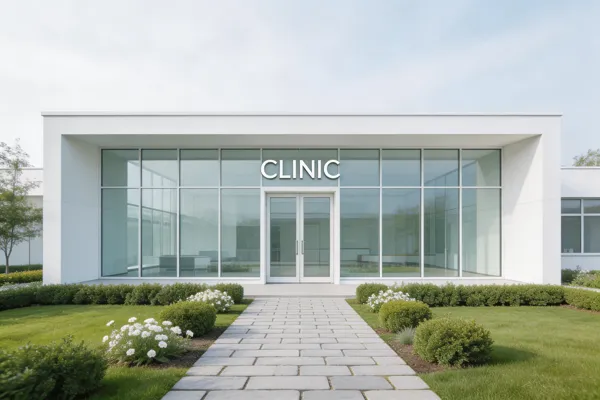
A plastic surgery consultation is the foundation of a safe, personalized aesthetic journey. During this hour‑long meeting the surgeon learns your goals, reviews your complete medical history, and evaluates whether you are a good candidate for the desired procedure. To arrive prepared, give yourself time to reflect on why you want the change and what you hope to achieve, and gather any concerns or questions you may have. Bring a photo ID, your health‑insurance card, a current medication list (including supplements), and any prior surgical records. Pack inspirational photos and personal before‑and‑after images that illustrate the outcome you envision. Dress in comfortable, easily removable clothing, as a brief physical exam may require you to change into a gown. Finally, keep expectations realistic: the surgeon will explain what can be safely accomplished, the recovery timeline, and any limitations based on your anatomy and health. This open dialogue ensures you make informed decisions with confidence.

Researching the surgeon and facility
Gathering medical history and medication list
Creating a list of aesthetic goals and inspiration photos
Choosing appropriate attire and bringing a support person
Start by confirming that your surgeon is board‑certified in plastic surgery and reviewing their before‑and‑after gallery and patient testimonials to ensure they have experience with cases similar to yours. Create a clear list of your aesthetic goals, including any specific concerns, and bring photos that illustrate the results you’d like to achieve. Gather your complete medical history, medication list, allergies, and any prior surgical records to share with the surgeon. Write down a set of questions about the procedure, risks, recovery time, costs, and financing options, and be prepared to discuss your expectations openly. During the visit, take notes and ask for written post‑operative instructions so you leave with a solid understanding of the next steps.
Wear loose‑fitting, comfortable clothing—such as a soft t‑shirt, hoodie, and jeans—so you can easily remove the pieces that cover the area you’ll discuss. Avoid garments with tricky closures (rear‑zip dresses, boots with long laces, or tight buttons) that slow down the exam or dressing process. Bring a pair of warm socks and a sweater or light jacket, because exam rooms are often cool and you may be asked to remove shoes. If you’re considering breast work, pack a few bras, tank tops, or “goal” outfits to help the surgeon assess sizing and fit. Overall, keep your attire simple, layerable, and easy to take off and put back on for a smooth, comfortable consultation.
Cape Cod Plastic Surgery in Hyannis, Massachusetts offers a complimentary, no‑obligation plastic‑surgery consultation for anyone interested in cosmetic or reconstructive procedures. During the free visit, Dr. Marc Fater will discuss your aesthetic goals, review your medical history, and provide a personalized treatment plan with a clear cost estimate. To schedule your appointment, simply call the office or use the online contact form on the website; the practice is conveniently located on Cape Cod and welcomes patients from the surrounding area. The consultation includes a thorough examination, before‑and‑after photographic analysis, and an opportunity to ask any questions about recovery, risks, and financing options. Take advantage of this free, patient‑focused meeting to determine if Cape Cod Plastic Surgery is the right fit for your beauty goals.

Duration and structure of the appointment
Typical plastic surgery consultation at Cape Cod Plastic Surgery lasts 45 minutes to one hour; more complex cases may extend to 90 minutes. The time is devoted to reviewing your medical history, discussing aesthetic goals, and outlining a personalized surgical plan.
Physical exam and discussion of goals
During the visit you will complete a brief health questionnaire and provide a complete medication list. Dr. Marc Fater will perform a focused physical exam of the target area, assess skin quality, and use your inspirational photos to clarify desired outcomes. Before‑and‑after images from patients with similar anatomy are shown for realistic expectations.
Review of risks, recovery, and alternatives
The surgeon explains the recommended technique, anesthesia type, potential complications, and the recovery timeline, including activity restrictions and pain‑management strategies. Alternative surgical or non‑surgical options are discussed so you can make an informed decision.
Understanding the surgeon’s credentials and facility accreditation
You can verify Dr. Fater’s board certification with the American Board of Plastic Surgery and confirm that the surgical center is accredited by The Joint Commission or AAAHC. The anesthesia team’s qualifications and emergency protocols are also reviewed.
Key questions answered
How long is a surgery consultation? – Typically 45 minutes‑1 hour, up to 90 minutes for extensive planning.
What does a surgery consultation mean? – A one‑on‑one meeting with a board‑certified surgeon to evaluate concerns, review history, and determine appropriate treatment.
What happens at a plastic surgery consultation? – Check‑in, health questionnaire, goal discussion, physical exam, photo review, risk/benefit analysis, credential verification, and a clear, personalized treatment plan.

Plastic surgery questions and answers
Plastic surgery includes reconstructive work (repairing congenital defects, trauma, cancer‑related loss) and cosmetic procedures that enhance appearance. A qualified surgeon must complete a general surgery residency, a dedicated plastic‑surgery fellowship, and hold voluntary board certification from the American Board of Plastic Surgery (ABPS). The surgeon will review your medical history, discuss realistic goals, outline risks, recovery time, and expected outcomes, and ensure the surgery is performed in an accredited facility with hospital privileges.
Questions to ask a plastic surgeon about a tummy tuck
Questions to ask a plastic surgeon before a facelift
Questions to ask at a pre‑op appointment for breast augmentation
Plastic surgery consultation cost
Our consultation fee is $150, applied toward any procedure you choose. It covers a comprehensive in‑person evaluation, goal discussion, and realistic outcome planning. The fee is non‑refundable if you cancel without 24‑hour notice.
How to prepare for surgery with general anesthesia
Fast for 6‑8 hours (no food or drink after midnight), stay hydrated, stop alcohol, tobacco, and recreational drugs, and arrange a responsible adult for transportation. Bring a current medication list, ID, and insurance card. Follow any specific instructions from your anesthesiologist regarding blood‑thinners or supplements.
Surgeon preparation before surgery
Dr. Marc Fater reviews your medical history, labs, and allergies, confirms all consent forms, verifies the operative plan, and conducts a final “time‑out” to double‑check identity, procedure, and site. The team ensures the operating room is sterile, all implants and instruments are ready, and anesthesia equipment is functional, then reviews postoperative care instructions with you.

Consultation fee and financing options Our initial consultation is $500, which is credited toward any agreed‑upon cosmetic surgery (excluding Botox®/fillers). During this visit we discuss financing plans—including CareCredit, payment schedules, and cash‑out options—to ensure the total cost—including surgeon, anesthesia, facility, and postoperative care fees—is transparent and manageable.
Pre‑op checklist day of surgery Arrive at the confirmed time with a photo ID, health‑insurance card, and a printed medication list (dose, frequency, last dose). Leave jewelry, watches, cosmetics, perfume, hairspray, and nail polish at home. Wear a loose, button‑down outfit that can be easily removed; bring glasses instead of contacts. No food or drink after midnight, except a small sip of water for prescribed meds until cleared by anesthesia. An adult (≥18 years) must drive you home and stay overnight; arrange child‑pet care ahead of time.
Physical preparation before surgery Complete a pre‑op exam, stop smoking ≥4 weeks prior, limit alcohol, and maintain a balanced, protein‑rich diet. Continue moderate aerobic activity (≈150 min/week) and light strength work to improve cardiovascular health and reduce clot risk. Review any required labs or imaging and disclose all supplements, allergies, and health conditions.
Recovery planning and post‑operative support Set up a recovery area on the main floor with water, pre‑made meals, entertainment, and essentials within reach. Stock safety aids (elevated toilet seat, grab bars, shower chair). Ensure a trusted friend or family member can assist for the first 24‑48 hours. Review postoperative instructions on pain management, activity restrictions, and signs of complications before leaving the surgical center.

After your initial meeting with Dr. Marc Fater, start by reviewing the notes you took and comparing them with any other board‑certified surgeons you consulted. Look for consistency in candidacy assessment, technique recommendations, and cost breakdowns.
Financing and insurance – The $150 consultation fee is applied toward the procedure you choose, and Cape Cod Surgery Surgery offers financing options such as CareCredit for surgical and non‑surgical treatments. Cosmetic procedures are not covered by insurance; however, the staff can provide a transparent itemized estimate that includes surgeon fees, anesthesia, facility charges, and any implants or garments.
Preparing for surgery day and post‑operative care – Follow the pre‑op appointment instructions: discontinue smoking, alcohol, and blood‑thinners as directed; arrange a responsible adult to drive you home and stay for at least 24 hours; and bring loose, comfortable clothing (soft t‑shirt, jeans, warm socks) for easy gown changes. The practice will give you a detailed checklist covering fasting, medication adjustments, and recovery milestones.
Red flags and second opinions – If the surgeon cannot verify ABPS board certification, lacks hospital privileges, or pressures you to schedule immediately without answering key questions, seek a second opinion. Comparing before‑and‑after photos of similar patients and confirming facility accreditation are essential safety steps before committing to surgery.
You’ve just walked through the ten essential steps that turn a hopeful idea into a safe, successful cosmetic journey: verify board certification, review before‑and‑after galleries, gather a thorough medical history, bring inspirational photos, dress comfortably, prepare a written question list, discuss anesthesia and facility credentials, explore financing, understand recovery timelines, and schedule a consultation fee that can be applied toward surgery. By following this roadmap, you empower yourself with the knowledge and confidence needed to choose the right surgeon and procedure for your unique goals. Remember, the best decisions are made when you feel informed, supported, and reassured that safety and realistic expectations are front‑and‑center. Take the next step today—schedule your personalized consultation, bring a trusted companion, and let our board‑certified team tailor a treatment plan that enhances your confidence and appearance.
October 2, 2026
Beyond the Calendar: How to Know You’re Truly Ready for Plastic Surgery

October 2, 2026
Exploring Your Breast Augmentation Options: Implants, Shapes, and What to Expect
October 1, 2026
Reshaping Your Silhouette: A Guide to Body Contouring

Cape Cod Plastic Surgery offers expert cosmetic and reconstructive procedures in a safe, accredited setting. Led by Dr. Marc Fater, we combine advanced techniques with personalized care to help you look and feel your best.
Monday: 9:00 AM – 5:00 PM
Tuesday: 9:00 AM – 5:00 PM
Wednesday: 9:00 AM – 5:00 PM
Thursday: 9:00 AM – 5:00 PM
Friday: 9:00 AM – 5:00 PM