
September 9, 2026
How to Care for Surgical Incisions Properly
Expert Guide to Proper Surgical Incision Care
Jan 1, 2026
Body contouring, also known as body sculpting, is a collection of procedures designed to reshape specific parts of the body by removing excess fat and skin or tightening tissues. It is not intended for weight loss but rather to enhance the body's appearance when diet and exercise alone are insufficient.
This treatment aims to improve body shape, address asymmetries, and reduce stubborn fat deposits, especially following significant weight loss. Common areas targeted include the abdomen, arms, back, thighs, buttocks, neck, and chin.
Body contouring comprises surgical techniques such as liposuction, tummy tucks, and lifts, which involve incisions and tissue removal under anesthesia. These provide immediate and more dramatic results but require longer recovery. Nonsurgical methods—like cryolipolysis (CoolSculpting®), laser lipolysis, injection lipolysis, and radiofrequency lipolysis—are less invasive, typically performed in outpatient settings, and allow faster return to normal activities.
Ideal candidates are individuals who have reached and maintained a stable weight, particularly those with localized fat deposits or excess skin. Treatment plans are personalized to align with each patient’s goals to enhance body contour and boost confidence safely and effectively.
Surgical body contouring encompasses procedures like liposuction surgical procedure, tummy tucks (abdominoplasty), various lifts (arm lift (Brachioplasty) procedure, breast lift surgery, thigh lift surgery), and panniculectomy. These surgeries primarily involve removing excess fat and skin to reshape targeted areas such as the abdomen, arms, thighs, and buttocks. Liposuction uses a cannula to suction fat deposits beneath the skin, often combined with skin tightening techniques. Tummy tucks remove surplus skin and tighten abdominal muscles for improved contour. Panniculectomy specifically addresses large overhanging skin folds typically following massive weight loss. Surgical procedures are generally performed under anesthesia in outpatient surgical centers or hospitals and last from 45 minutes to several hours depending on the extent of treatment.
Non-surgical options, also known as lipolysis methods, provide less invasive alternatives to surgery for fat reduction and skin tightening. These include:
Surgical methods physically remove fat and excise redundant skin through incisions, achieving immediate and noticeable body reshaping. Non-surgical techniques induce fat cell apoptosis (cell death) via freezing, heating, or chemical dissolution, with gradual fat reduction over weeks to months. Some devices also stimulate collagen remodeling, enhancing skin firmness and contour.
Many non-surgical body sculpting technologies hold FDA clearance for safety and efficacy in treating specific body areas. Cryolipolysis, injection lipolysis, and laser fat reduction methods are FDA-approved for targeted fat reduction. Surgical body contouring remains a well-established practice, with outcomes dependent on board-certified surgeons' expertise and patient selection.
Surgical procedures require operating room settings under general or local anesthesia, lasting typically 45 minutes to several hours, followed by recovery periods extending from weeks to months. Non-surgical treatments are outpatient, generally taking 30-60 minutes per session, allowing patients to resume daily activities immediately with minimal side effects.
Cape Cod Plastic Surgery offers a comprehensive suite of cosmetic and reconstructive services including surgical body contouring and nonsurgical treatments like CoolSculpting, FaceTite, and AccuTite for skin tightening and fat reduction. The experienced, board-certified surgeons tailor individualized plans based on patient goals and ensure procedures are conducted safely with advanced technology. Their expertise covers facial rejuvenation, body contouring post-weight loss, and addressing aging changes, providing patient-centered care for optimal aesthetic and reconstructive results.
Body contouring specifically targets stubborn areas where fat and skin may resist diet and exercise. Surgical methods like liposuction procedure details, tummy tucks, and lifts remove excess fat and skin to sculpt a more defined physique. Common treatment areas include the abdomen, arms, thighs, neck, and buttocks. This reshaping enhances body symmetry and balance for a more proportionate and youthful silhouette.
After major weight loss, many individuals experience loose, sagging skin that compromises their body shape. Body contouring after weight loss surgical procedures remove this excess skin, improving tone and comfort. Techniques such as panniculectomy and body lifts can address these concerns, helping patients achieve smoother contours and reducing issues like skin irritation or hygiene problems.
Body contouring corrects uneven areas by targeting localized fat pockets that do not respond to traditional weight loss methods. Both surgical and nonsurgical body contouring methods help to fine-tune body contours and correct asymmetries, resulting in enhanced body harmony and a natural appearance.
Patients often notice a younger, thinner look with improved skin smoothness and firmness. Surgical approaches tend to yield immediate and pronounced results, whereas nonsurgical treatments like CoolSculpting and laser lipolysis (Zerona®) offer gradual improvements over weeks to months.
Beyond physical transformation, body contouring contributes significantly to increased self-confidence and emotional wellness. Patients report feeling more comfortable in their bodies and enjoy an improved self-image, which can enhance overall quality of life.
Surgical body contouring options provide dramatic, long-lasting reshaping but require longer recovery, including wound care and activity restrictions lasting weeks to months. Nonsurgical body sculpting options are minimally invasive, typically performed in outpatient settings, with minimal downtime and fewer risks. However, nonsurgical methods may require multiple sessions and produce more subtle improvements.
The choice between surgical and nonsurgical body contouring depends on individual goals, anatomy, health status, and lifestyle considerations. A consultation with a board-certified plastic surgeon is essential to determine the most appropriate and safe approach tailored to each patient's needs.
At Cape Cod Plastic Surgery, every journey begins with a comprehensive consultation with plastic surgeon where patients meet with Dr. Marc Fater to discuss their desires and expectations. This initial evaluation includes reviewing medical history, current medications, and lifestyle habits such as smoking or drug use, ensuring a thorough understanding of the patient's overall health.
During this personalized consultation, patients share their aesthetic goals and concerns. Dr. Fater takes time to assess these alongside medical factors, tailoring the discussion to outline safe and achievable body contouring overview treatment options.
Treatment plans are crafted specifically for each individual, considering their body’s unique anatomy and aesthetic aspirations. This bespoke approach ensures that interventions—whether surgical body contouring options or nonsurgical body contouring methods—align with the patient’s personal goals.
Cape Cod Plastic Surgery emphasizes transparent communication about the benefits of body contouring and risks of body contouring associated with each procedure. Patients receive detailed information, enabling them to set realistic expectations and make informed decisions on their care.
Dr. Marc Fater, the medical director and a board-certified plastic surgeon, personally oversees each patient’s treatment journey. His dedication to excellence and safety governs all phases, from body contouring consultation with surgeon through follow-up care.
The practice fosters a supportive environment, encouraging open dialogue. Patients are guided closely before, during, and after procedures to ensure comfort, clarity, and confidence, reinforcing their trust in the care they receive and supporting post-procedure care for surgical contouring or post-procedure care for nonsurgical contouring.
Cape Cod Plastic Surgery upholds a rigorous commitment to patient safety and quality by operating within a fully accredited facility recognized by prominent organizations such as the American Association for Accreditation of Ambulatory Surgery Facilities (AAAASF), AAAHC, and The Joint Commission. These accreditations attest to the clinic's adherence to strict safety and care protocols that meet or exceed hospital-level standards.
The practice is equipped with state-of-the-art technology, including advanced monitoring systems that ensure real-time oversight during body contouring and nonsurgical procedures. Operating rooms are fully prepared for general anesthesia administration, with specialized equipment and protocols to maintain a sterile environment and optimize patient safety.
Strict sanitation and sterilization procedures are followed meticulously to prevent infection and ensure a clean clinical environment. All clinical staff members possess Advanced Cardiac Life Support (ACLS) certification, guaranteeing expert management of any potential emergencies.
Continuous staff training programs and emergency preparedness drills maintain the team's readiness for urgent situations, while compliance with all applicable federal and state regulations reinforces the facility's dedication to best practices and patient confidentiality. Regular inspections and audits by accreditation bodies ensure ongoing adherence to these high standards.
Through these measures, Cape Cod Plastic Surgery offers patients a trusted and secure setting for body contouring procedures and other cosmetic procedures, supported by experienced professionals and advanced surgical techniques.
Surgical body contouring procedures, such as liposuction, tummy tucks, and lifts, typically require recovery periods ranging from weeks to several months. Patients often experience swelling, bruising, and discomfort during this time. In contrast, nonsurgical options like cryolipolysis (CoolSculpting®), laser lipolysis, injection lipolysis, and radiofrequency treatments usually involve minimal to no downtime. These outpatient procedures allow most patients to resume normal activities immediately or within a day.
After surgical procedures, post-operative care is crucial and includes careful wound management, strict activity restrictions to avoid strain, and wearing compression garments for up to six weeks to reduce swelling and support healing. Patients must monitor their incision sites for signs of infection and protect them from sun exposure. For nonsurgical treatments, post-care is minimal, typically involving gentle skin care and avoiding irritation to treated areas.
Surgical body contouring carries risks such as bleeding, infection, scarring, and asymmetry in body shape. Anesthesia complications and nerve damage are also possible, though rare. Other risks include poor wound healing, skin irregularities, hematomas, and the potential need for revision surgeries if results are unsatisfactory.
Though much safer, nonsurgical body contouring can cause temporary side effects like skin redness, soreness, swelling, and hives. Since these treatments produce gradual results, there is a possibility of dissatisfaction if expectations are not met or multiple sessions are needed.
Strict compliance with post-procedure guidelines significantly enhances outcomes and reduces complications. Patients should follow wound care instructions, wear compression garments as recommended, avoid strenuous activities, and attend all scheduled follow-ups.
It is important for patients to have realistic expectations, understanding that surgical results are more immediate and dramatic, whereas nonsurgical methods deliver gradual improvements. Patients should seek prompt medical attention if they experience excessive bleeding, severe pain, fever, unusual swelling, or signs of infection during recovery to ensure safety and optimal healing.
Post-weight loss body contouring after weight loss targets removal of excess skin and residual tissue, which commonly remain after significant weight loss achieved through bariatric surgery, diet, or exercise. Such procedures enhance body shape and comfort by addressing areas where skin has lost elasticity and hangs loosely.
Surgical options include abdominoplasty (tummy tuck), panniculectomy, and lifts targeting arms, thighs, breasts, and buttocks. A tummy tuck procedure removes excess abdominal skin and tightens muscles, focusing on cosmetic improvement. In contrast, panniculectomy primarily removes hanging skin and may be covered by insurance when medically indicated. Arm and thigh lifts help reshape and tighten sagging skin for a smoother contour.
Panniculectomy is considered a medically necessary surgery, addressing functional problems like hygiene and mobility issues, whereas tummy tuck is more cosmetic, involving muscle repair and aesthetic contouring.
Ideal candidates have maintained a stable weight for at least six months and are in good overall health. Non-smokers tend to have better outcomes. Candidates typically present with minimal excess fat but significant skin laxity.
Incisions are strategically placed within natural skin folds or less visible areas to minimize scarring. Surgeons employ layered suturing methods to reduce tension and promote optimal healing.
Postoperative care includes wearing compression garments for six to eight weeks to reduce swelling and support tissue healing. Surgical drains may be used temporarily to prevent fluid buildup. Full recovery can take several months, with patients advised to avoid strenuous activity initially.
Besides an improved body silhouette and proportion, patients experience enhanced hygiene, reduced skin irritation, and greater physical comfort. Many also report increased self-confidence and improved quality of life. Learn more about the benefits of body contouring.
Potential risks include blood clots, infections, wound healing complications, scarring, and contour irregularities. Choosing a board-certified, experienced plastic surgeon is critical to minimize risks and achieve satisfactory long-term results. For detailed information, see risks of body contouring.
Achieving optimal results in body contouring starts with thorough consultations, where personal goals, medical history, lifestyle, and expectations are carefully evaluated. This foundational step ensures treatment plans are customized to the individual's unique anatomy and desired outcomes.
Body contouring encompasses a spectrum of procedures ranging from surgical techniques—such as liposuction, tummy tucks, and lifts—to nonsurgical methods like cryolipolysis (CoolSculpting®), injection lipolysis, laser, and radiofrequency lipolysis. This variety allows selection of the most appropriate approach based on patient needs, recovery preferences, and targeted areas.
While surgical methods provide more immediate and dramatic results, they require longer recovery and carry risks including infection, scarring, and anesthesia complications. Nonsurgical options offer minimal downtime and fewer side effects but may need multiple sessions and produce gradual improvements. Careful patient selection and continuous monitoring help mitigate risks while maximizing benefits.
With a board-certified team and an accredited facility, Cape Cod Plastic Surgery offers advanced surgical techniques alongside minimally invasive treatments. The dedicated professionals prioritize safety, personalized care, and clear communication, ensuring each patient receives treatments aligned with their health and aesthetic goals.
Prospective patients are encouraged to schedule consultations to explore the range of body contouring options. This personalized approach fosters informed decision-making and helps patients embark confidently on their journey toward enhanced appearance and renewed self-confidence.
September 9, 2026
Expert Guide to Proper Surgical Incision Care
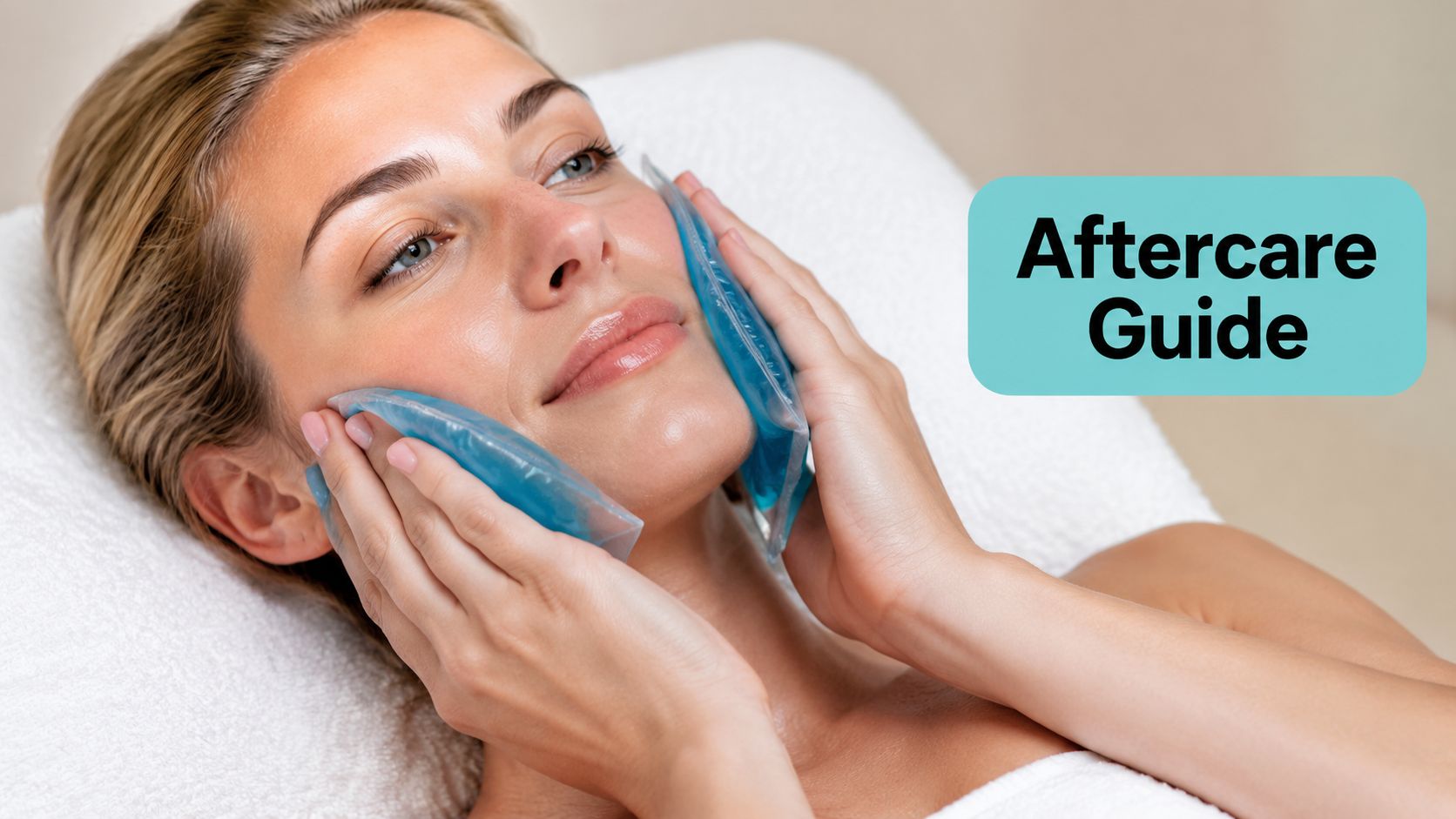
Master dermal fillers aftercare with do's and don'ts, swelling tips, activity limits and warning signs to protect your results and heal smoothly.

September 8, 2026
Ensuring Safety: Why Your Surgeon's Credentials Matter Most
Cape Cod Plastic Surgery offers expert cosmetic and reconstructive procedures in a safe, accredited setting. Led by Dr. Marc Fater, we combine advanced techniques with personalized care to help you look and feel your best.
Monday: 9:00 AM – 5:00 PM
Tuesday: 9:00 AM – 5:00 PM
Wednesday: 9:00 AM – 5:00 PM
Thursday: 9:00 AM – 5:00 PM
Friday: 9:00 AM – 5:00 PM