

September 9, 2026
How to Care for Surgical Incisions Properly
Expert Guide to Proper Surgical Incision Care
Feb 4, 2026
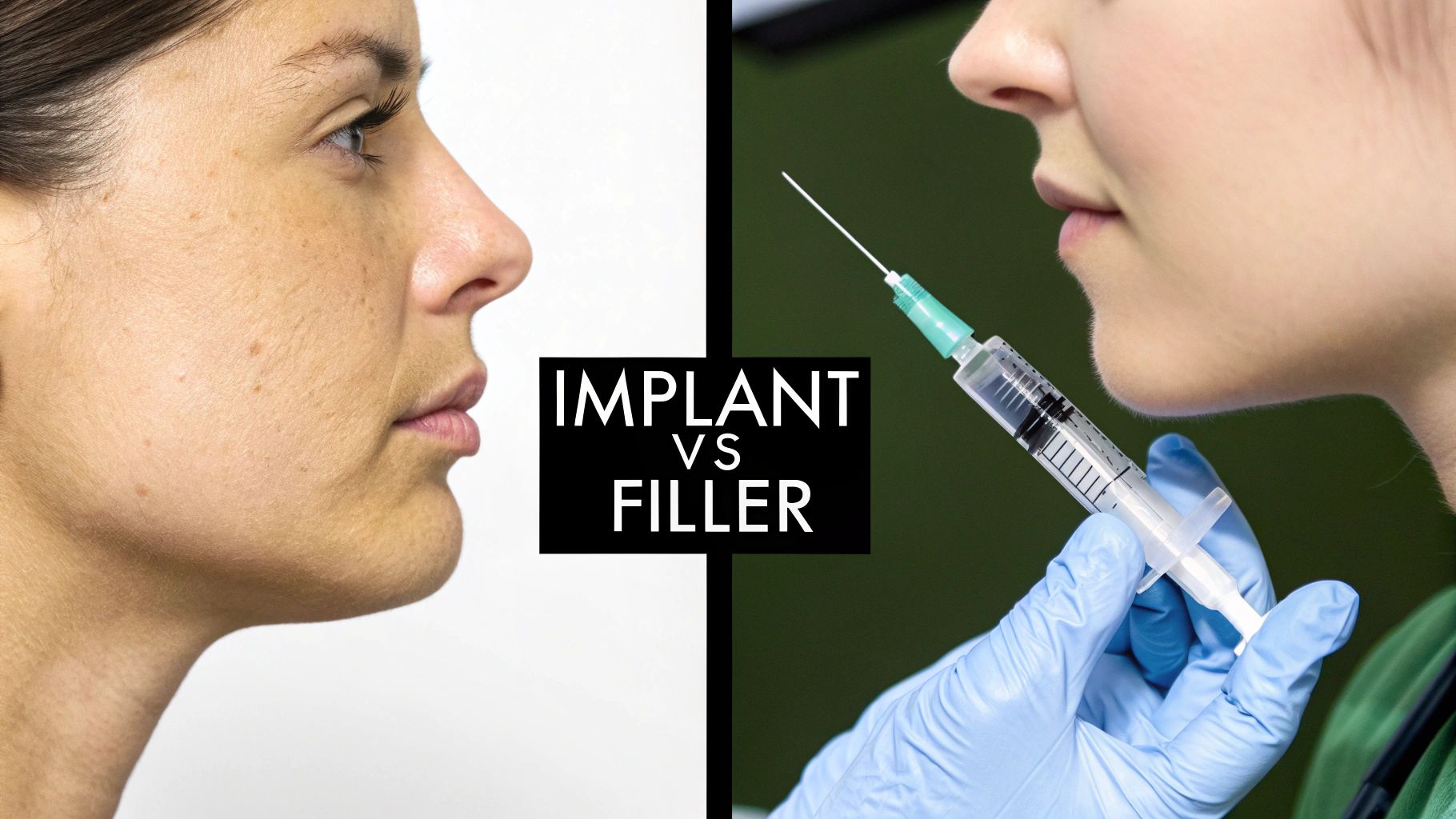
When it comes to enhancing your chin, the core difference boils down to one simple concept: permanence. A chin implant is a permanent, surgical solution that physically alters the structure of your jawline. Dermal fillers, on the other hand, offer a temporary, subtle enhancement that requires no surgery at all.
Your choice really hinges on what you’re looking for—a significant, lifelong change or a reversible, non-invasive improvement to test the waters.
A well-defined chin does more than just sit at the bottom of your face; it's the anchor of your entire profile. It creates harmony between your nose, cheeks, and neckline. For anyone who feels their chin is a bit weak or recessed, aesthetic medicine has two fantastic, but very different, solutions. Deciding between them is a major step in your aesthetic journey.
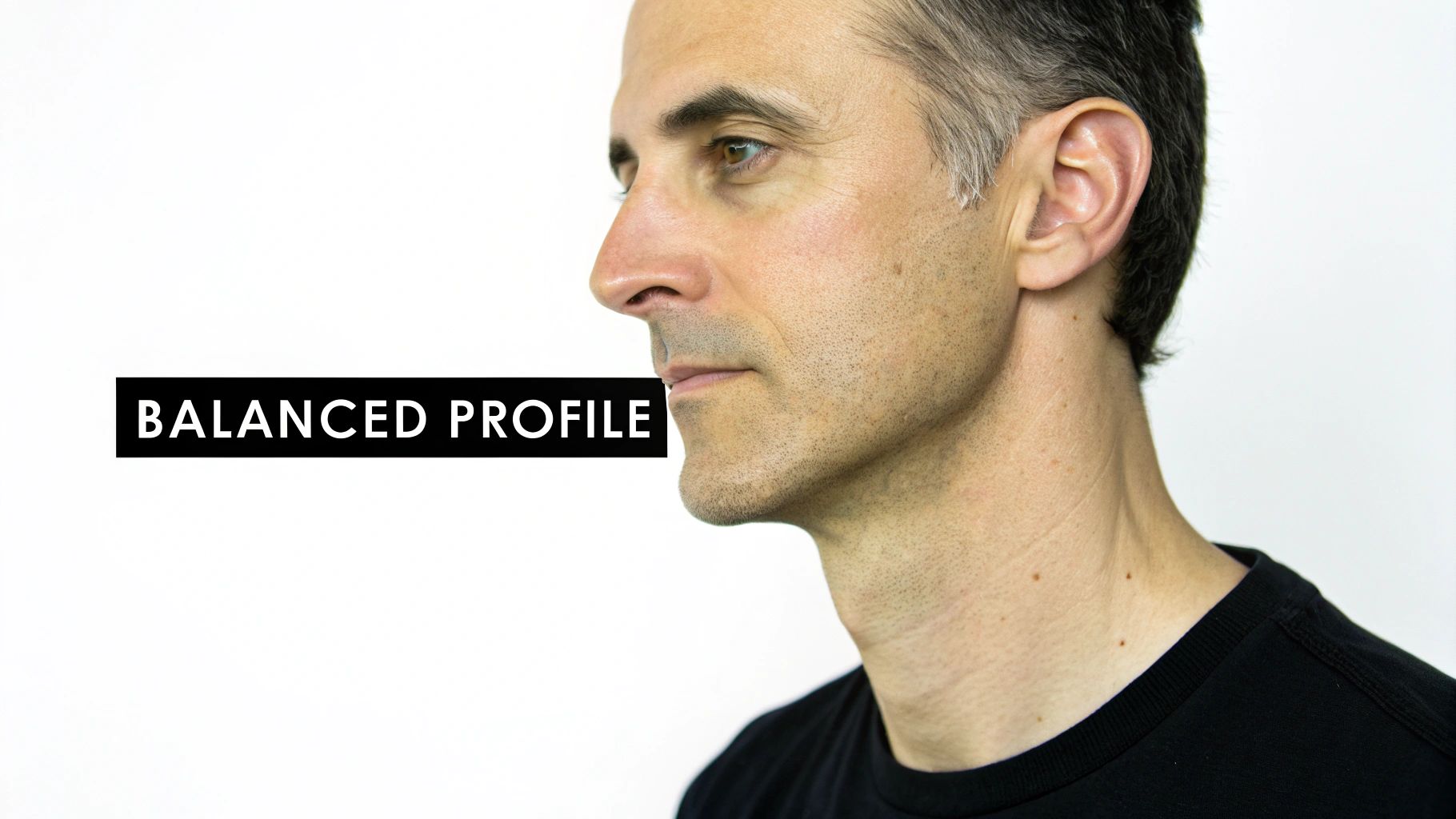
This interest in the lower face isn't just a recent fad. Back in 2011, chin augmentation procedures jumped by an incredible 71% in just one year, making it the fastest-growing trend in plastic surgery—even outpacing Botox and breast augmentation combined. This boom was seen across the board, with men, in particular, showing a 76% increase in procedures.
To help you figure out which path is right for you, let’s walk through the key differences between surgical chin implants and non-surgical dermal fillers.
Before we dive deep, a quick overview can help frame the conversation. Think of it like this: an implant is like building a permanent new foundation for your house, while fillers are like expertly sculpting with a high-quality, malleable clay that can be reshaped later. Each serves a very different purpose.
Ultimately, the best choice is the one that aligns with your goals, lifestyle, and comfort level.
When we talk about balancing your profile, it’s not just about the chin itself. Other factors, like fat under the chin, can play a big role. If a "double chin" is also on your mind, treating that can complement your chin enhancement beautifully. You can learn more in our guide to CoolSculpting for chin fat. For now, though, this guide will stick to adding projection and shape to the chin bone.
When a temporary fix just won't cut it, surgical chin augmentation is the answer for a definitive, lasting change. If you're looking for a significant structural improvement to your profile, a chin implant is really the gold standard. It works by addressing your underlying anatomy to create a stronger, more balanced facial harmony.

This is a completely different approach than fillers, which simply add volume with a gel. A chin implant, on the other hand, is a solid, anatomically shaped piece of biocompatible material. Think of it as a permanent extension of your own jawbone, delivering a kind of projection and definition that fillers can't truly replicate.
Chin implants are meticulously engineered to look and feel completely natural once they've settled in. They're crafted from materials the body accepts readily, which is crucial for safety and long-term stability.
The most common material by far is medical-grade silicone. This isn't the liquid silicone you might have heard about; it's a soft, solid material that has been used safely in medical devices for decades. It’s incredibly durable and flexible and won't break down over time.
These implants come in a whole range of shapes and sizes to suit different facial structures and aesthetic goals. During your consultation, we’ll work together to select the perfect one to complement your unique features. The goal is always to enhance your profile, not to make it look artificial.
The biggest draw for a chin implant is its permanence. This is a one-time procedure designed to last a lifetime. Once it’s healed, the implant becomes a seamless part of your chin, with no need for maintenance or touch-ups down the road.
Knowing what the surgical journey entails can help demystify the whole thing and set clear expectations. A chin implant procedure is generally quite straightforward and is performed on an outpatient basis, so you get to go home the same day.
Here's a simple breakdown of what to expect:
Recovery from chin implant surgery is very manageable. It does require more downtime than a quick filler injection, but that investment in healing time pays off with permanent results.
Most of our patients see some swelling, bruising, and mild discomfort for the first few days. If we use an incision inside your mouth, you'll likely need to stick to a soft food diet for a little while to let it heal properly.
Here’s a typical recovery timeline:
The result is a stronger, more defined chin that permanently elevates your entire facial profile.
What if you could get a more defined chin without committing to surgery? For many people, that's where dermal fillers come in. This is a compelling non-surgical alternative that uses injectable gels to add volume and shape, offering a quick, minimally invasive way to enhance your facial profile.

Unlike a solid implant that sits on the bone, fillers work by adding temporary volume right under the skin. The magic behind this is often hyaluronic acid (HA), a substance your body already makes to keep skin hydrated and full. Fillers like those in the Juvéderm family are simply a smooth HA gel, expertly designed to feel just like your own natural tissue.
One of the biggest reasons people choose chin fillers is the incredible convenience. We perform the entire procedure right here in our office, and it's usually done in less than an hour. It’s a straightforward process, and we make patient comfort a top priority.
First, we’ll apply a topical numbing cream to the area. Once you’re comfortable, your injector will use a very fine needle to place the filler at precise points along your chin and jawline. This part is true artistry—it's not just about adding volume, but about sculpting and contouring to create a result that looks completely natural and in harmony with your other features.
A key differentiator in the "chin implant vs filler" debate is the versatility of fillers. Since the results are temporary, they offer a fantastic way to essentially 'test drive' a new chin shape before you even think about a permanent surgical option.
You'll see the results immediately. You can walk out of the office with a noticeably improved chin profile, though you might have some minor swelling or bruising for a day or two. That minimal downtime is a huge plus, letting you get back to your life almost right away.
It's crucial to understand that dermal fillers are temporary. Your body naturally and safely breaks down the hyaluronic acid gel over time. When used for chin augmentation, the results will typically last anywhere from 12 to 24 months, though this can vary based on the exact product we use and your own metabolism.
This means you’ll need periodic touch-up sessions to maintain that enhanced profile. While that’s an ongoing consideration, it also offers incredible flexibility. As your facial features change over the years, or even if your personal tastes evolve, your filler treatments can be adjusted to match.
The satisfaction rate for this procedure speaks for itself. Non-surgical chin fillers have earned an impressive 97 percent 'worth it' rating among patients. Countless reviews confirm how happy people are with HA injections for chin enhancement, establishing it as a safe and highly effective alternative to surgery.
Fillers aren't just for adding forward projection; they are incredibly versatile tools for fine-tuning the entire lower face. We can use them to:
This adaptability makes fillers a great choice if you're generally happy with your chin's structure but just want to make some subtle refinements. While the treatment is simple, it's always good to be informed. To learn more, take a look at our guide on potential dermal filler side effects. Ultimately, this non-surgical approach provides a powerful way to get a noticeable lift and improve your facial harmony, all without ever stepping into an operating room.
Deciding between a permanent surgical fix and a temporary, non-surgical one means you've got some thinking to do. The right answer in the chin implant vs filler debate isn't one-size-fits-all; it really comes down to your personal goals, your lifestyle, and how you feel about commitment. So, let’s get into a real side-by-side analysis of what truly separates these two fantastic options.
This guide is here to cut through the noise and give you a clear picture of the trade-offs involved. We'll look at everything from how long your results will last to what kind of financial investment you should expect.
This is probably the biggest difference between the two, and your preference here will likely steer the whole decision.
A chin implant is a one-and-done deal. We perform the procedure once, and the result is a permanent structural change. After it's healed, the implant becomes a natural-feeling part of your facial anatomy for life. No maintenance, no follow-ups—just a lasting boost to your profile.
Dermal fillers, on the other hand, are temporary. Your body naturally and safely breaks down the hyaluronic acid gel over 12 to 24 months. To keep your look, you’ll need to schedule touch-up appointments. This gives you flexibility, but it also means an ongoing commitment.
Key Insight: If you're looking for a definitive, lifelong solution for a weak or recessed chin, an implant is the obvious choice. But if you like the idea of being able to change your look over time—or you're just not ready for something permanent—fillers are a much better fit.
While both treatments improve the chin, the way they work is fundamentally different, which leads to very distinct outcomes.
A chin implant gives you true structural projection. Because we place a solid, anatomically shaped device right on the bone, it can create significant forward movement and a much sharper, more defined jawline. It's hands-down the best option for correcting moderate to severe chin recession or making a more noticeable change to your facial harmony.
Dermal fillers are all about adding subtle volume and contouring. The injectable gel is perfect for adding soft volume, filling in things like a chin dimple, and making small tweaks to the overall shape and symmetry. Fillers really shine for people who just need a modest boost or want to refine their chin's existing structure without a major overhaul.
Your lifestyle and how much time you can realistically take off to heal are huge factors here. The recovery for these two procedures couldn't be more different.
Chin Implant Recovery: As a surgical procedure, an implant requires a real healing period. Most of my patients plan for about 1 to 2 weeks of downtime. You can expect some swelling, bruising, and mild discomfort during this time, and you'll need to hold off on strenuous activities for about three to four weeks.
Dermal Filler Recovery: We often call fillers a "lunchtime procedure," and for good reason. There’s minimal to no downtime. You might see a little bit of swelling, redness, or bruising right at the injection sites, but this usually fades within a day or two and is easily covered with makeup. You can get right back to your normal routine almost immediately.
To help you see the differences at a glance, we've put together this simple comparison table.
This table provides a direct, side-by-side comparison of the key attributes of surgical chin implants and non-surgical dermal fillers to help you quickly understand the fundamental differences.
As you can see, the choice involves clear trade-offs in nearly every category, from permanence to your initial investment.
The financial side of things is another area where these options are worlds apart. You’re either looking at a single, larger investment or smaller, recurring expenses.
A chin implant involves a one-time surgical cost. This single fee covers everything: my time as the surgeon, the anesthesia, the use of our on-site surgical suite, and the implant itself. The upfront cost is higher, but you're paying once for a permanent result.
Dermal fillers have a much lower cost per session, which makes them feel more accessible at first. But because the results are temporary, you have to factor in the cost of ongoing maintenance treatments every one to two years to keep up your appearance. Over many years, the total cost of fillers can add up and eventually exceed the one-time cost of an implant.
Ultimately, the best choice comes down to lining up the procedure with your personal priorities. Is the permanence and dramatic change from an implant worth the investment and recovery time? Or does the flexibility and minimal downtime of a temporary filler make more sense for your life right now?
Deciding between a chin implant and filler isn't just about picking a procedure; it's about matching the treatment's capabilities to the result you truly want. Your unique anatomy, aesthetic goals, and even your lifestyle play a huge role. Honestly, this is the exact same thought process I go through with every patient during a consultation.
We can break it down by looking at a few common scenarios. See which of these profiles sounds most like you—it’s a great way to find some clarity on which path makes the most sense.
A chin implant is the definitive, long-term solution for someone who wants to make a significant, structural change to their profile. You're probably a fantastic candidate for surgery if a few of these points hit home:
This is the path for people who see their chin's appearance as a foundational issue needing a permanent solution. It's no surprise that the global chin augmentation market hit USD 1.20 billion in 2022, with surgical implants making up nearly 70% of that. That statistic really shows how often implants are seen as the gold standard for lasting results. You can dig into more global perspective on chin augmentation to see the market trends for yourself.
On the other hand, dermal fillers offer a flexible, non-surgical route that's perfect for anyone who values convenience and minimal downtime. You might find that fillers are the perfect fit if these situations resonate with you:
This decision path helps you visualize your options based on whether you are seeking a permanent or temporary enhancement.
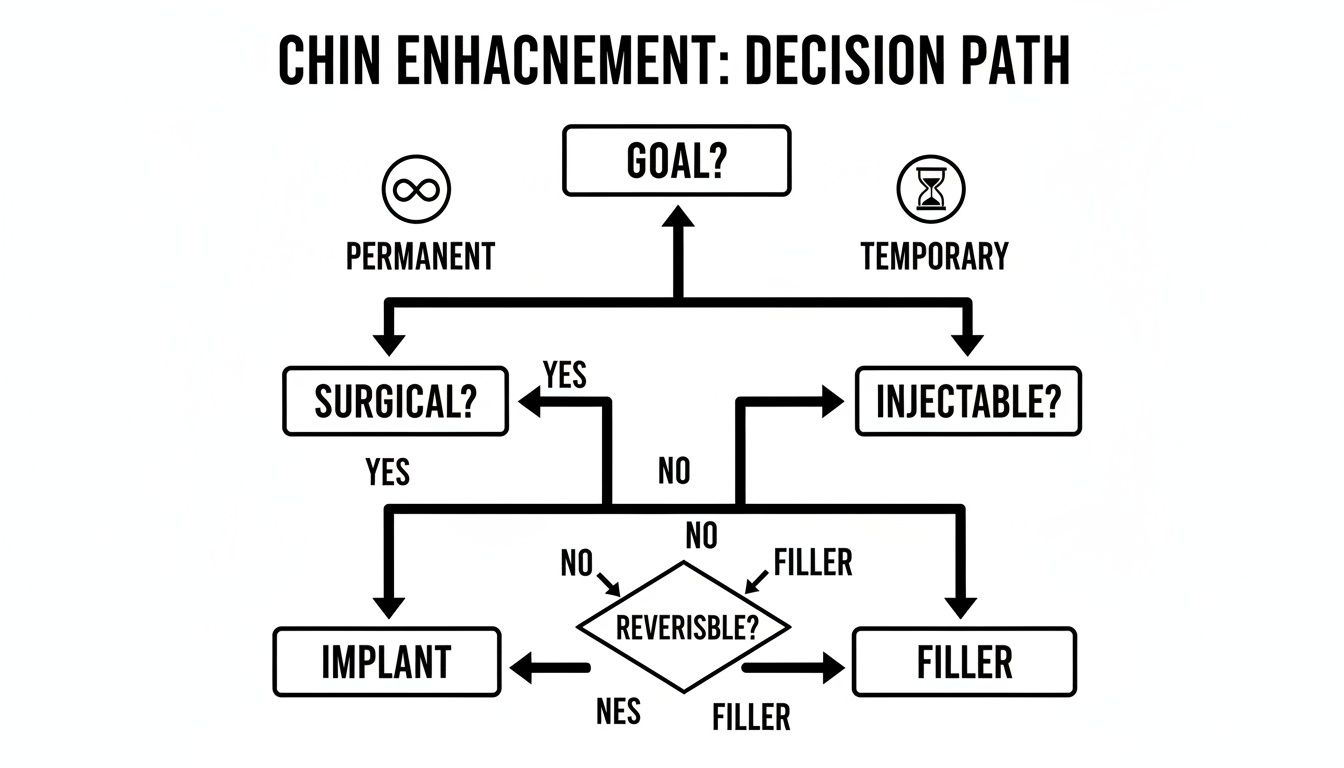
This simple flow chart really clarifies things: your main goal—permanence or flexibility—is the biggest factor in the chin implant vs filler decision.
Key Takeaway: Fillers are not just a lesser version of an implant; they are a different tool for a different job. They excel at refinement and offering a reversible preview, making them a powerful option for the right person.
Ultimately, this is a collaborative process. When you come in for a consultation, we’ll talk through these exact scenarios, I’ll evaluate your facial structure, and most importantly, I’ll listen to what you want to achieve. That’s how we create a plan that’s perfectly matched to you, giving you the confidence to move forward and get the balanced, natural results you’ve been hoping for. The best choice is always the one that makes you feel comfortable and excited about your decision.
Figuring out the chin implant vs. filler question isn't something you should have to do on your own. Honestly, the single most important step in this journey is your consultation with a board-certified plastic surgeon. This is where your personal goals get a reality check with expert medical advice.
A good consultation is so much more than just picking a procedure off a menu. It’s a genuine strategy session. An experienced surgeon won't just look at your chin; they'll assess your entire facial structure—your nose, your cheeks, your jawline—to see how everything works together. This bigger picture is the key to getting a result that looks like you, just better.
During this meeting, your surgeon will really listen to what you want to see in the mirror. Are you hoping for a major structural improvement, or would you be happy with a subtle tweak? Your answer points them toward the right solution, making sure the final outcome truly matches your vision.
A surgeon’s trained eye can spot nuances you’d never notice. For instance, they might see that a touch of filler is all you need to get the look you want, saving you from unnecessary surgery. On the other hand, they might explain why an implant is the only realistic way to achieve the strong, defined projection you’re after. That’s what years of experience brings to the table.
Your consultation is your time to ask anything and everything. It’s also where you start building trust with your surgeon, which is absolutely essential for a good outcome. When you can have an open, honest conversation, you’ll walk away feeling confident and informed about the plan.
Your consultation isn't just an appointment; it's the start of a partnership. The right surgeon becomes a trusted advisor, blending an artistic eye with medical precision to help you achieve beautiful, balanced results you’ll love for years to come.
Choosing the right surgeon also means looking at where the procedure will happen. If you're considering a chin implant, finding a practice with its own accredited surgical suite is a huge plus. Accreditation from a body like the AAAASF (American Association for Accreditation of Ambulatory Surgery Facilities) is a big deal—it signals that the facility meets the absolute highest standards for patient safety, cleanliness, and emergency readiness.
This commitment to safety gives you incredible peace of mind, knowing your procedure will be done in an environment held to the same strict standards as a hospital. When you choose an expert, you’re not just paying for a cosmetic result; you’re investing in your own health and well-being. To get a better feel for this important step, you can learn more about finding a plastic surgeon who makes these standards a priority.
Deciding between a chin implant and fillers often comes with a lot of questions. It's a big decision, and you want to be sure about the details. Here are some of the most common questions we get from patients who are thinking about enhancing their chin profile.
Yes, and this is actually a path many of our patients take. Think of it as a "test drive" for your new profile. Using dermal fillers first lets you see exactly how you like the added definition and balance before you commit to a permanent surgical solution.
Since the fillers we use for the chin are typically hyaluronic acid-based, they can be completely dissolved by our team before your implant surgery. This creates a fresh start for the implant and makes for a smooth, predictable transition.
A well-chosen and properly placed chin implant should look and feel so natural that you forget it's there. The key is working with an experienced, board-certified plastic surgeon who can help you select the perfect implant size and shape for your specific facial structure.
Once you're past the initial healing phase of a few weeks, the implant settles and integrates with your natural chin bone. It becomes a stable part of your jawline that looks and feels just like your own.
Both procedures have excellent safety records when performed by a qualified medical professional, but it's important to understand the potential risks.
At Cape Cod Plastic Surgery, Dr. Fater will walk you through all the details to find the approach that’s right for you. Schedule your personalized consultation today to get started.
September 9, 2026
Expert Guide to Proper Surgical Incision Care

Master dermal fillers aftercare with do's and don'ts, swelling tips, activity limits and warning signs to protect your results and heal smoothly.

September 8, 2026
Ensuring Safety: Why Your Surgeon's Credentials Matter Most

Cape Cod Plastic Surgery offers expert cosmetic and reconstructive procedures in a safe, accredited setting. Led by Dr. Marc Fater, we combine advanced techniques with personalized care to help you look and feel your best.
Monday: 9:00 AM – 5:00 PM
Tuesday: 9:00 AM – 5:00 PM
Wednesday: 9:00 AM – 5:00 PM
Thursday: 9:00 AM – 5:00 PM
Friday: 9:00 AM – 5:00 PM