
September 9, 2026
How to Care for Surgical Incisions Properly
Expert Guide to Proper Surgical Incision Care
Jan 30, 2026
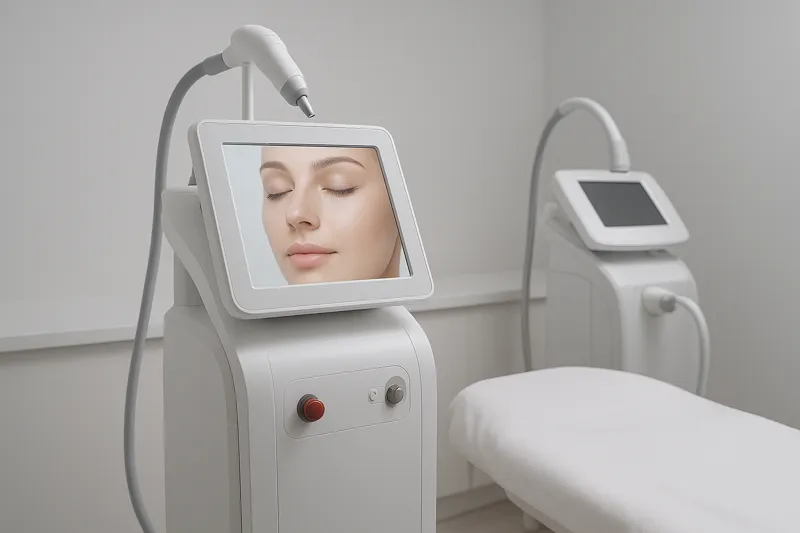
Modern facial aesthetic options include a range of non-invasive and laser procedures designed to rejuvenate and enhance appearance with minimal downtime. These treatments encompass dermal fillers, Botox and Dysport injections, platelet-rich fibrin facials, microneedling, chemical peels, and advanced laser skin resurfacing such as CO2 and erbium lasers.
Laser therapies target wrinkles, pigmentation, scars, and skin texture by precisely removing damaged skin layers and stimulating collagen production. Non-invasive injectables relax muscles and restore volume, while minimally invasive radiofrequency treatments tighten skin and sculpt contours.
These procedures offer notable advantages including minimal discomfort, low risk of complications, and quick recovery times that allow patients to resume daily activities promptly. Most are outpatient treatments, reducing the need for hospitalization. Results can range from immediate volume restoration to gradual skin tightening and texture improvement lasting months to years with proper maintenance.
A tailored approach is essential. Board-certified facial plastic surgeons assess individual anatomy, aging concerns, and aesthetic goals to create customized plans that may combine non-invasive and laser options — known as a hybrid approach. This ensures safe, effective treatments that restore youthful contours while maintaining natural appearance, enhancing patient confidence and satisfaction.
Non-invasive facial aesthetic procedures are cosmetic treatments that avoid surgical incisions or deep skin penetration. Common examples include injectable treatments like Botox® Treatments (Botox®), Dysport®, and Dermal fillers such as Juvéderm® and Restylane®. These injectables work by relaxing facial muscles or restoring lost volume, reducing wrinkles, and enhancing natural facial contours.
Other widely used non-invasive approaches include Laser skin resurfacing and light-based therapies such as Intense Pulsed Light (IPL). These treatments improve skin texture, tone, and pigmentation by stimulating collagen and removing damaged skin layers.
Additionally, Chemical peels for Skin and Microneedling for skin texture exfoliate and rejuvenate the skin to treat fine lines, acne scars, and sun damage. These procedures offer a natural enhancement without extensive recovery time.
Non-surgical cosmetic procedures are minimally invasive treatments aimed at improving aesthetic appearance without surgery or significant downtime. Typical examples encompass Botulinum toxin type A injections like Botox® and dermal fillers alongside laser therapies and skin treatments such as chemical peels and microdermabrasion.
These treatments usually require no general anesthesia, enable quick recovery, and allow patients to resume their daily routines almost immediately. Nonsurgical facelift overview procedures effectively address concerns like wrinkles, volume loss, skin laxity, and pigmentation issues, generally providing noticeable results with minimal discomfort.
Consultation with board-certified facial plastic surgeon or experienced providers is vital to tailor a personalized plan that ensures safety and the best possible outcome.
Non-invasive and non-surgical treatments offer several advantages:
While many patients benefit from these treatments, suitability depends on individual skin conditions, aging signs, and aesthetic goals. People with severe skin laxity or active skin conditions should consult specialists before proceeding.
Expert consultations for cosmetic procedures help determine the most effective combination of procedures, such as combining Botox with Laser skin resurfacing for comprehensive rejuvenation. Working with qualified, board-certified cosmetic surgeons ensures personalized care, safety, and optimal enhancement of natural beauty.

Aesthetic laser treatment is a cosmetic procedure that uses focused beams of light to improve the skin's appearance. These treatments help reduce wrinkles, improve skin texture, diminish scars, and correct pigmentation issues such as age spots or sun damage. Because they are minimally invasive or non-invasive, they offer the benefit of minimal downtime and low risk of complications. This makes laser treatments a safe, effective option for skin rejuvenation, enabling patients to achieve a fresher, more youthful look. For more details, see Laser skin resurfacing.
Cosmetic laser treatments fall into several categories depending on their function and depth of action:
Ablative lasers—such as CO₂ Laser Skin Resurfacing and Erbium YAG—vaporize outer skin layers to treat wrinkles, scars, and skin imperfections. These lasers deliver more dramatic results but typically require longer recovery times.
Non-ablative lasers—like Nd:YAG and Intense Pulsed Light (IPL) Therapy)—heat the deeper layers of skin to stimulate collagen production and tighten skin with minimal downtime.
Fractional lasers, including fractional CO₂ and Fraxel, create microscopic zones of injury, promoting rapid healing while improving pigmentation and skin texture. Learn more about Fractional laser technology.
Specialized vascular lasers treat blood vessels and redness, while laser applications also extend to hair and tattoo removal. See Laser resurfacing technologies for more information.
Laser therapies address a broad spectrum of skin concerns:
Wrinkle and fine line reduction by resurfacing damaged skin and promoting collagen growth. Related info: Wrinkle reduction methods.
Scar treatment, including acne scars and surgical scars, through precise tissue remodeling. See Scar treatment with lasers.
Pigmentation correction, such as age spots, sun damage, and uneven skin tone. Details on Age spot laser removal and Pigmentation correction.
Skin tightening and rejuvenation to restore youthful contours. Related procedures include Radiofrequency skin tightening and noninvasive facial treatments.
Laser treatments are generally safe when conducted by experienced, board-certified surgeons. Recovery time varies by laser type; ablative treatments may require up to two weeks for healing with redness and peeling, while non-ablative procedures involve minimal downtime. Proper pre-treatment preparation and post-treatment care—such as sun protection and skin moisturization—are essential to optimize healing and maintain results. Risks like redness, swelling, and rare complications such as scarring or pigmentation changes can occur but are minimized with professional supervision. Learn about Safety and Professional Supervision in CO2 Laser Therapy.
With advances in laser technology, patients can choose from a variety of options tailored to their aesthetic goals, ensuring effective and personalized care for skin enhancement. For a comprehensive guide on Laser Skin Resurfacing, please refer to the linked resource.

Non-invasive skin treatments are designed to enhance appearance and rejuvenate skin without surgery. Commonly offered treatments include Botox® Treatments, which relax facial muscles to reduce wrinkles such as crow’s feet and frown lines. Dermal fillers and Botox treatments, typically hyaluronic acid-based like Juvederm, restore facial volume, add definition to lips, cheeks, and jawline, and smooth out fine lines.
Laser treatments, such as Helix CO2 laser and Fractional laser technology, effectively tighten skin, reduce wrinkles, and diminish scars. Chemical peels exfoliate the skin to improve texture and tone, addressing pigmentation and sun damage. Intense Pulsed Light (IPL) therapy targets issues including redness, age spots, and hyperpigmentation, contributing to a more even complexion.
Many patients benefit from combining treatments in a Hybrid approach to facial rejuvenation to address multiple aging signs simultaneously. For example, Botox can be used with laser skin resurfacing or chemical peels for facial skin to relax muscles and enhance skin texture at the same time. Dermal fillers can complement neuromodulators like Botox by restoring volume while smoothing wrinkles, offering a balanced rejuvenation without surgery.
These treatments should be performed or supervised by board-certified cosmetic surgeons or qualified medical professionals. Proper assessment ensures custom treatment plans for facial aesthetics tailored to individual aesthetic goals, minimizing risks like asymmetry or skin complications. Expert supervision guarantees safe administration, optimal outcomes, and patient comfort throughout the treatment and recovery process.
Laser skin resurfacing is a common cosmetic procedure that improves skin texture, reduces wrinkles, and addresses pigmentation issues by using focused beams of light to remove or treat skin layers. This process stimulates collagen growth, which promotes healthier, firmer skin and can reduce scars, sun damage, and age spots. Treatments are typically outpatient and require little to no cutting, positioning laser resurfacing as a non-surgical cosmetic procedure.
Laser technologies fall into two main types: ablative laser resurfacing and non-ablative laser resurfacing. Ablative lasers, such as CO2 and Erbium lasers, vaporize outer skin layers for dramatic resurfacing results but come with longer healing times and increased risk of side effects like redness and peeling. Non-ablative lasers, including fractional laser technology, stimulate collagen production beneath the skin without removing surface layers, allowing quicker recovery and fewer complications. Fractional laser technology treats microscopic zones, balancing effective results with reduced downtime.
Recent innovations, including AI-powered imaging and analysis, are revolutionizing laser skin treatments. AI assists in creating highly personalized treatment plans by allowing precise skin mapping and targeting. Advanced fractional lasers combined with ultrafast pulse technology and sustainable materials improve treatment safety and efficacy. These enhancements reduce the risk of burns or scarring and allow for more accurate, patient-specific approaches, producing better results and minimizing discomfort. For more on these advances see Laser resurfacing technologies.
Post-treatment side effects commonly include redness, swelling, and irritation, often resolving within days to weeks. Temporary changes in pigmentation can occur, especially in darker skin types, and rigorous post-care involving ointments and strict sun protection is essential to optimize healing. Rare but serious side effects include burns, infections, and scarring, underscoring the importance of treatments administered by board-certified professionals who follow established safety protocols, including eye protection. Detailed care and precautions can be reviewed in Post-Treatment Care for CO2 Laser and Laser surgery recovery.
When performed correctly with diligent aftercare, laser resurfacing offers significant, lasting improvements in skin tone, texture, and firmness. Results can persist for several years, with continued improvements as collagen remodels. Patients enjoy smoother fine lines, reduced pore size, and a more youthful complexion. Combining laser treatment with other non-surgical facial procedures can enhance overall facial rejuvenation, tailoring results to individual aesthetic goals.
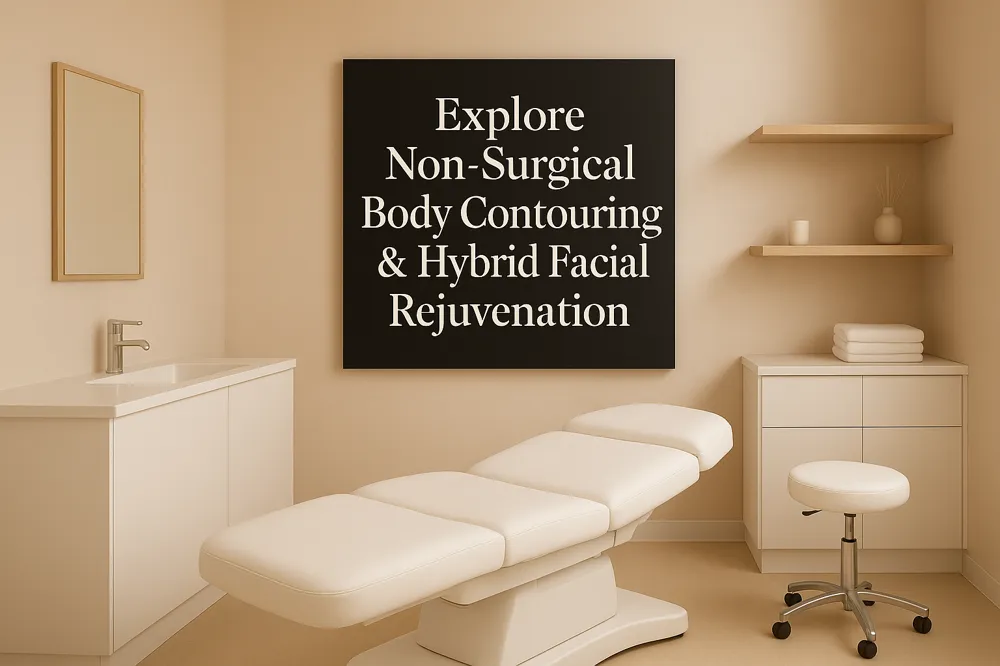
Modern cosmetic practices offer effective non-surgical cosmetic procedures like CoolSculpting, SculpSure, and EMSCULPT muscle stimulation. These treatments target stubborn fat deposits and sculpt the body without incisions or anesthesia. CoolSculpting uses controlled cooling to freeze fat cells, while SculpSure employs laser resurfacing technologies to heat and destroy fat. EMSCULPT stimulates muscle contractions to tone and strengthen muscles, enhancing body contours and promoting a leaner appearance.
Many patients benefit from a hybrid approach to facial rejuvenation, combining multiple non-invasive cosmetic treatments increase for comprehensive facial rejuvenation. For example, integrating Botox with laser skin resurfacing effectively reduces wrinkles and improves skin texture simultaneously. This combination allows for tailored results addressing various signs of aging in one treatment plan.
Minimally invasive options such as FaceTite procedure and BodyTite utilize radiofrequency-assisted liposuction (RFAL) to tighten skin and reduce fat with minimal downtime. These procedures offer significant contouring benefits with less risk compared to traditional surgery. They are typically performed in-office and provide lasting, natural-looking improvements.
Personalized cosmetic treatment plans with a board-certified cosmetic surgeons are essential to ensure the best outcomes. Each patient's unique anatomy and aesthetic goals guide the selection and combination of treatments. Safety remains paramount, with thorough consultations to assess candidacy and minimize risks. These advanced techniques enable patients to achieve rejuvenated, youthful contours with minimal recovery time, enhancing confidence and appearance.
The appeal of non-invasive and laser cosmetic procedures continues to surge, driven by their minimal downtime and natural results. More patients seek these safer alternatives to surgery, valuing treatments that fit easily into busy lifestyles while effectively addressing aging signs.
Clinics prioritize patient safety and tailor each plan according to individual anatomy and goals. Board-certified surgeons and advanced diagnostic tools, including AI-enabled imaging, ensure treatments are customized and outcomes optimized.
Innovation fuels the evolution of aesthetic care, with new modalities like fractional lasers, radiofrequency devices, and hybrid treatment approaches. These advances provide subtle, lasting improvements in skin texture, volume, and contour, enhancing confidence without invasive surgery.
September 9, 2026
Expert Guide to Proper Surgical Incision Care
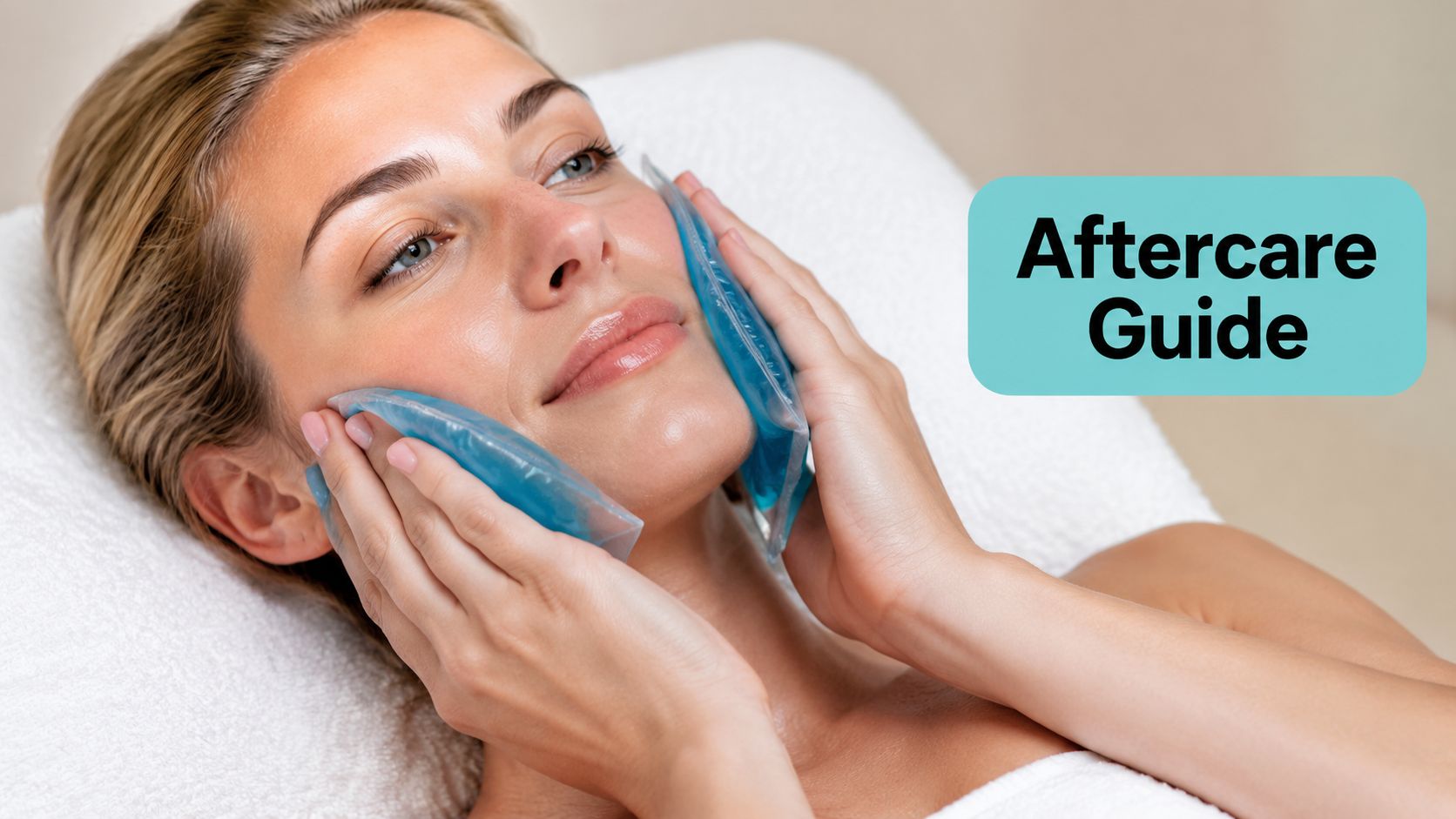
Master dermal fillers aftercare with do's and don'ts, swelling tips, activity limits and warning signs to protect your results and heal smoothly.
September 8, 2026
Ensuring Safety: Why Your Surgeon's Credentials Matter Most
Cape Cod Plastic Surgery offers expert cosmetic and reconstructive procedures in a safe, accredited setting. Led by Dr. Marc Fater, we combine advanced techniques with personalized care to help you look and feel your best.
Monday: 9:00 AM – 5:00 PM
Tuesday: 9:00 AM – 5:00 PM
Wednesday: 9:00 AM – 5:00 PM
Thursday: 9:00 AM – 5:00 PM
Friday: 9:00 AM – 5:00 PM