

October 1, 2026
How Body Contouring Enhances Your Natural Shape
Reshaping Your Silhouette: A Guide to Body Contouring
Oct 1, 2026

An aesthetic procedure is an investment in your appearance and confidence. The results you see are directly influenced by how you care for your skin in the weeks and months that follow.
Post-procedure skin is vulnerable and requires a dedicated routine to heal properly. Without this care, the skin barrier remains compromised, increasing the risk of irritation and reducing the longevity of your results. A strategic, gentle regimen is essential for protecting your investment and promoting long-term radiance.
Cape Cod Plastic Surgery emphasizes a personalized aftercare plan for every patient. By using medical-grade products and following structured guidelines, you can maximize the benefits of your treatment and maintain a healthy, vibrant appearance for years to come.

Every aesthetic treatment, from a light laser session to a deeper resurfacing procedure, works by creating controlled micro-injury in the skin. This triggers your body’s natural repair process, but it also means the stratum corneum, your outermost protective layer, is temporarily compromised. The result is predictable: increased sensitivity, dryness, and reactivity that can last anywhere from a few days to a couple of weeks, depending on the intensity of the treatment.
This is exactly why the foundational rule of post-procedure care is so non-negotiable: treat the skin barrier like the fragile, healing organ it has become. Understanding how to care for skin after cosmetic surgery is about recognizing that every product you apply and every touch you make either supports recovery or undermines it. Skipping this step doesn't just risk temporary redness; it can lead to prolonged inflammation, hyperpigmentation, and even delayed healing.
During the initial 24 to 72 hours post-procedure, your skin’s pH shifts and its natural lipid matrix is disrupted. This allows moisture to escape (transepidermal water loss) and makes the skin more vulnerable to irritants, bacteria, and environmental stressors. Your immediate goal is to provide gentle, targeted support that mimics the skin’s own protective functions. This means ditching active ingredients like retinoids, glycolic acid, and vitamin C in favor of a short-list of soothing, ceramide-rich moisturizers and occlusive balms that help lock in hydration.
The proper aftercare routine isn't just about what you avoid, though that's critical. It's about actively replacing lost moisture. Many board-certified dermatologists recommend a simple three-step protocol: a gentle, fragrance-free cleanser, a hydrating serum with ingredients like hyaluronic acid or panthenol, and a protective barrier cream. This approach is consistently echoed in professional guidance on post-procedure skincare.
The biggest mistake patients make in the first week is treating their healing skin like they would normally. This means no scrubbing, no exfoliating brushes, and absolutely no picking at any peeling or flaking skin. Peeling is a sign that the deeper layers are regenerating; forcing it off prematurely can expose raw, unhealed tissue and increase the risk of scarring. The aftercare guidance from providers is clear: hands off. Let the skin shed naturally, and always apply moisturizer to a damp face to maximize absorption and hydration.
Furthermore, the choice of what you put on your face matters just as much as the consistency. Avoid products with heavy fragrances, essential oils, or chemical sunscreens (like oxybenzone) that can sting and cause contact dermatitis. Instead, opt for physical sunscreens with zinc oxide or titanium dioxide, which sit on top of the skin and reflect UV rays. This is particularly critical because a fresh, healing skin barrier is hyper-sensitive to the sun, and unprotected exposure can easily undo your results and cause permanent pigmentation changes.
As you move past the first few days, you can begin to slowly reintroduce gentle active ingredients, but this should always be done in consultation with your surgeon or a medical professional. The long-term care phase is about consistency and patience, not aggressive intervention. A good rule of thumb is to listen to your skin: if it stings or feels tight, it's not ready for that product yet.
| Phase | Timeline | What to Focus On |
|---|---|---|
| Initial | 0-48 hrs | Gentle cleansing, barrier repair, no active ingredients |
| Recovery | 3-7 days | Minimalist routine, mineral SPF, avoid heat and exercise |
| Restoration | Week 1-2 | Introduce hydrating serums, continue strict sun protection |
| Maturation | Week 2-4 | Slowly reintroduce actives, monitor for any irritation |
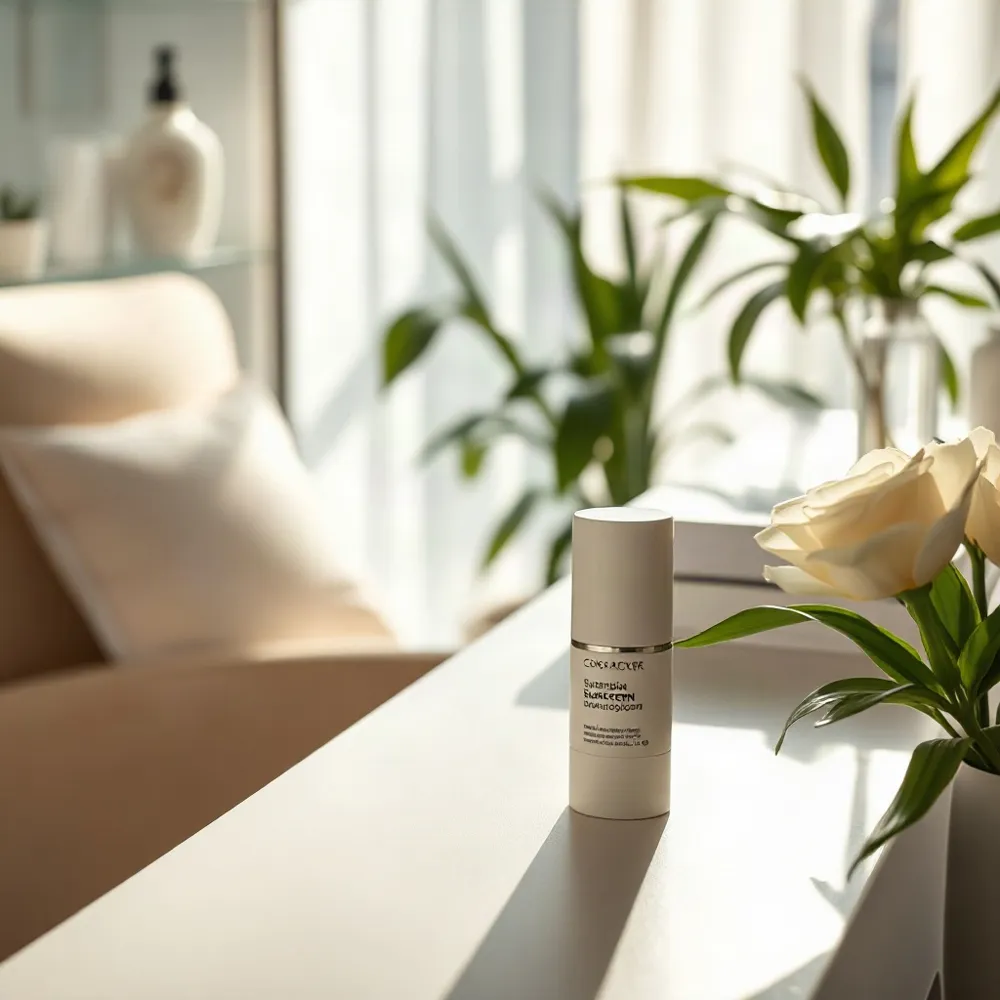
After any cosmetic procedure, your skin becomes extremely sensitive to UV rays. Even brief, incidental sun exposure can lead to hyperpigmentation, prolonged redness, or discoloration of healing incisions and scars. The American Society of Plastic Surgeons emphasizes that postsurgical skin is especially prone to these issues, and protection is critical throughout the recovery phase.
The standard recommendation is to apply a broad-spectrum sunscreen with SPF 30 or higher every day, without exception. For the sensitive, healing skin that follows a procedure, dermatologists and surgeons consistently recommend mineral (physical) sunscreens containing zinc oxide or titanium dioxide. These formulas sit on top of the skin rather than being absorbed, making them far less likely to cause the stinging or irritation that chemical sunscreens can trigger on compromised barriers.
At Cape Cod Plastic Surgery, patients are guided to make sun protection a permanent part of their daily routine, not just a short-term recovery step. This is especially important during winter, when many patients assume UV exposure is minimal. As the American Society of Plastic Surgeons notes, cold-weather sun can still damage healing skin even when no warmth is felt.
The immediate hours after receiving injectables such as Botox or dermal fillers are the most critical for protecting your results. The product needs a short window to bind to the targeted muscle or tissue, and movements that increase blood flow or apply external pressure can disrupt that process. At Cape Cod Plastic Surgery, patients receive a clear set of aftercare guidelines based on recommendations from leading plastic surgeons and dermatologists to minimize side effects and maximize their investment.
A cornerstone of neurotoxin aftercare is the 4-hour rule. The single most important aftercare step for neurotoxin injections is the 4-hour rule. For the first four hours after treatment, you should remain upright and avoid lying down or bending over. This gives the Botox time to settle into the intended muscles without shifting into unintended areas. Bending at the waist or lying flat can cause temporary issues such as drooping eyelids, asymmetry, or uneven facial movement. Patients should also resist the urge to touch, rub, or massage the treated areas for at least 24 hours, as external pressure can diffuse the liquid before it locks in.
Cleveland Clinic cosmetic surgeon James Zins, MD, advises patients to stay upright for three to four hours and avoid rubbing their face for 12 hours to prevent the product from migrating. Facial plastic surgeon Dr. Yael Halaas similarly recommends waiting four hours before lying down and avoiding hats or visors that could apply pressure to the forehead during that window. At Cape Cod Plastic Surgery, your provider will walk you through these timeframes so you feel confident heading home.
Exercise. Strenuous physical activity increases blood pressure and circulation, which can raise the risk of bruising and potentially cause the Botox to spread to muscles it was not meant to treat. Avoid the gym, running, and hot yoga for at least 24 hours after your appointment.
Alcohol and blood thinners. Alcohol, aspirin, ibuprofen, naproxen sodium, vitamin E, and fish oil all thin the blood and widen blood vessels. Skipping these for at least 24 hours (and ideally 48 hours) before and after treatment significantly lowers the chance of bruising and swelling at the injection sites.
Heat and pressure. Saunas, steam rooms, sun exposure, and even sleeping on your side can interfere with how the product settles. Excessive heat increases blood flow to the face, which may cause filler to dissipate faster. Wait at least 24 hours before lying on your side or exposing your face to high temperatures.
For the first 24 to 48 hours after injectables, your skin care routine should be as gentle as possible. The tiny needle punctures are essentially micro-wounds that need time to close without irritation. Use a mild, non-stripping cleanser and a basic moisturizer, and finish with a mineral sunscreen with an SPF of 30 or higher. Avoid active ingredients such as retinoids, alpha hydroxy acids (AHAs), and vitamin C during this window, as they can cause stinging and inflammation on the injection sites.
You can wash your face gently after 24 hours, but use light touches and avoid any rubbing or massaging. Most providers suggest waiting until the next day to apply makeup with a clean brush. If you must wear makeup immediately, wait about 15 minutes for the injection sites to close, then apply lightly without pressing or massaging. Following these guidelines from your injector, including the specific advice given by Cape Cod Plastic Surgery, ensures the best possible outcome.
While most side effects are limited to temporary bruising, swelling, or mild tenderness, certain symptoms warrant a call to your provider. If you experience any of the following after filler or Botox injections, seek immediate medical attention: blurred vision, numbness or paralysis, severe upset stomach, shortness of breath, slurred speech, or trouble swallowing. For filler patients, a vascular occlusion is a medical emergency where the filler material enters or compresses a blood vessel. Signs include sudden pain, whitening or mottled discoloration of the skin, and delayed capillary refill. If you notice unusual pain, blanching, or a dusky appearance, contact your practitioner immediately. Most complications are temporary because the effects of the product are reversible or resolve on their own, but prompt action is critical.
Surgical procedures like facelifts, neck lifts, and eyelid surgery require a more intensive recovery approach than injectables or light-based treatments. The skin's barrier is disrupted by incisions, and the body shifts into a healing mode that needs specific support. The right routine during the first weeks can reduce scarring, prevent complications, and help you see the full benefit of the procedure.
The foundation of care after surgery is strict adherence to your surgeon's instructions for wound management. In the first two weeks following major facial surgery, use only prescribed ointments such as Aquaphor on suture lines to trap moisture and prevent evaporation, which accelerates healing. Clean the area gently with a mild, fragrance-free cleanser and pat dry without rubbing or applying pressure to the incisions.
Avoid any product containing retinols, exfoliants, or alcohol, as these can severely irritate healing tissue and delay recovery. Rashes from surgical skin preparations are common; if you notice increased redness, swelling, or persistent discomfort, contact your surgeon immediately.
Hydration is critical on two levels. Internally, drinking plenty of water supports circulation and tissue repair. Externally, a gentle, non-comedogenic moisturizer layered over a hyaluronic acid serum provides a double layer of hydration that protects the skin barrier. A diet rich in protein, vitamins A and C, zinc, and antioxidants gives your body the building blocks for tissue repair. Minimize alcohol consumption during recovery, as it can slow healing. At Cape Cod Plastic Surgery, patients receive personalized dietary guidance as part of their comprehensive aftercare planning.
Sun exposure after surgery can darken scars and slow healing. Protect all treated areas with a broad-spectrum SPF 30 or higher mineral sunscreen daily, even when indoors or wearing clothing over the site. Once incisions have fully closed, silicone gels or sheets can help minimize the appearance of scars. Be patient: scar maturation takes months, and consistent protection and moisturizing make a measurable difference in final results.
Resist the urge to return to your full skincare routine or exercise too quickly. Avoid aggressive at-home treatments like exfoliation for several months. Consult your surgeon before introducing any new treatments, including facials or chemical peels. A slow, deliberate approach protects your investment and ensures the best possible long-term outcome from your procedure [compared with generic at-home protocols, the personalized guidance offered at Cape Cod Plastic Surgery helps patients transition back to normal routines at the right pace].
Once your skin has fully healed from a procedure, shifting to a proactive long-term routine helps preserve the improvements and prevent premature aging. A diligent daily regimen keeps the skin barrier strong and resilient.
Daily sun protection is the cornerstone of any maintenance plan. A broad-spectrum SPF 30 or higher, ideally a mineral-based formula with zinc oxide or titanium dioxide, guards against UV damage that can darken scars and break down collagen. Pair SPF with a gentle cleanser and a reparative moisturizer that contains ceramides or hyaluronic acid.
Reintroduce targeted ingredients only after your provider confirms the skin is ready. A gradual step-up may include:
Medical-grade skincare products are formulated with higher concentrations of clinically proven ingredients and are often recommended by surgeons and dermatologists. These products undergo rigorous testing to ensure they deliver measurable results. At Cape Cod Plastic Surgery, we recommend evidence-based, professionally developed products to complement your treatment outcome.
Regular follow-up appointments with your provider allow your routine to be adjusted as your skin changes with age, seasons, and lifestyle. A consistent, professional-guided regimen is the most reliable way to protect your investment and enjoy a refreshed complexion for years to come.
The calendar can be just as influential as your surgical results when it comes to maintaining your skin after a procedure. While the core principles of post-operative skincare remain consistent year-round, the changing seasons bring specific challenges that require you to adapt your routine. Temperature swings, humidity levels, and sun exposure all shift with the weather, and your skin's needs shift right along with them.
Winter is a popular time for cosmetic procedures because recovery can be tucked away under cozy layers, but the season poses distinct hurdles. Cold outdoor air holds little moisture, and indoor heating systems further strip the air of humidity. This combination can leave freshly treated skin feeling tight, flaky, and more prone to irritation. For those recovering from procedures like laser resurfacing or chemical peels, this dryness can be especially noticeable and uncomfortable.
To protect your skin during the colder months, focus on intensive hydration and barrier repair. Switch to a richer, cream-based moisturizer that contains ceramides or hyaluronic acid to lock in moisture. You might also consider using a humidifier in your bedroom to add much-needed moisture back into the air. Avoid hot showers, which can strip away essential oils, and instead opt for lukewarm water when cleansing. Remember that while sunscreen is essential every day, it becomes even more critical when snow reflects up to 80% of the sun's UV rays, as noted by the Skin Cancer Foundation — a fact that applies year-round but is especially relevant on bright winter days.
Summer brings its own set of considerations, with heat and humidity increasing the risk of sweating, which can be problematic for healing incisions. Sweat can carry bacteria into fresh wounds and irritate sensitive skin. Moreover, the strong summer sun can lead to hyperpigmentation on newly healed skin, making diligent sun protection non-negotiable. During this time, it's wise to plan your recovery in a cool, air-conditioned space and to avoid strenuous outdoor activities that cause excessive perspiration.
When you do venture outside, apply a broad-spectrum sunscreen with an SPF of at least 30 every morning, and reapply every two hours or after swimming or sweating. Wearing a wide-brimmed hat provides an additional layer of protection for your face and neck. For those who have recently undergone a procedure, it's also a good idea to consult your surgeon about the safest sun protection methods during your recovery period, as some products may be too harsh for fresh skin.
Spring and fall offer a 'middle ground' that requires a balanced approach. These seasons often come with fluctuating temperatures and unpredictable weather, so your skincare routine may need to be adaptable. For example, a lighter lotion might suffice on a mild spring day, but a heavier cream may be necessary when a sudden cold front moves through. Pay attention to how your skin feels and respond accordingly. This is also an ideal time to schedule non-invasive maintenance treatments like laser skin resurfacing to prepare your skin for the more demanding seasons ahead, as discussed in our guide to the best non-invasive treatments.
Regardless of the season, one principle remains constant: consistency and gentleness are key. Always follow your surgeon's specific aftercare instructions and avoid introducing new, potentially irritating active ingredients without professional approval. If you have questions about how to adjust your routine for the changing weather, it's always best to consult with a skincare expert.
| Season | Key Challenge | Skincare Adjustment |
|---|---|---|
| Winter | Dry air, indoor heat | Richer moisturizer, humidifier, lukewarm water |
| Summer | Sweat, strong UV rays | SPF 30+ daily, reapply, cool environment |
| Spring/Fall | Fluctuating temps | Adaptable routine, monitor skin's needs |
Once the immediate recovery phase is behind you, the products you choose can significantly influence how quickly and completely your skin heals. The most effective post-procedure formulations prioritize barrier repair, inflammation control, and deep hydration using clinically proven ingredients rather than harsh actives.
One of the most thoroughly documented ingredients for post-procedure care is Avène Thermal Spring Water. It is clinically proven to reduce inflammation, soothe discomfort, and decrease the sensation of stinging on compromised skin. Building on that foundation, the Cicalfate+ line incorporates C+ Restore, a post-biotic active that helps accelerate the skin's natural healing process. The formula is delivered in sterile packaging that protects it from contamination, making it suitable for use after both surgical and aesthetic procedures.
The Cicalfate+ Post-Procedure Recovery Cream is designed to continue calming redness and irritation while actively repairing the skin barrier. As noted in a 2025 research article on the concomitant use of dermo-cosmetic skincare in aesthetic medicine, supporting the barrier immediately after a procedure reduces vulnerability to further inflammation. (Source: PMC article on dermo-cosmetic skin care)
Peptides are especially valuable for healing skin because they support the natural repair process without causing irritation. Unlike retinoids or exfoliating acids, peptides signal the skin to produce collagen and strengthen its structure, making them a safe addition to a post-procedure routine. Ceramides and niacinamide work together to restore the lipid barrier and calm inflammation. Niacinamide, in particular, helps reduce redness and improve the skin's resilience, while ceramides fill in the gaps left by a compromised barrier to lock in moisture.
For patients who have undergone micro-injury treatments such as microneedling or laser resurfacing, serums containing growth factors and stem cell factors can accelerate healing. These ingredients communicate with skin cells to speed up tissue regeneration and reduce visible downtime. Applied in place of a standard serum during the first week of recovery, they help the skin rebuild more efficiently without the risk of over-stimulation.
Post-biotic ingredients, like those found in the Cicalfate+ line, promote recovery by supporting the skin's microbiome and strengthening the barrier from the outside in. Alongside this, hyaluronic acid provides deep, non-greasy hydration that plumps the skin and complements the smoothing effects of anti-aging treatments. When selecting a moisturizer or serum during the healing phase, look for hyaluronic acid in a gentle, fragrance-free formula to maintain hydration without irritating sensitive skin.
Consistent, gentle care is the single most effective way to protect your investment and achieve lasting beauty. Patience during the initial recovery phase, followed by a disciplined long-term routine, yields the most optimal outcomes.
Follow your surgeon's personalized advice, use medical-grade products that support the skin barrier, and make sun protection with a broad-spectrum, mineral-based SPF a daily non-negotiable. At Cape Cod Plastic Surgery, the focus is on guiding each patient through a customized recovery plan that respects their unique healing timeline before introducing more advanced maintenance products.
Partner with your provider to adjust your regimen as your skin evolves. As time passes and your skin's needs change, regular consultations help ensure your routine continues to support your results, keeping your complexion healthy and resilient for years to come.
October 1, 2026
Reshaping Your Silhouette: A Guide to Body Contouring
October 1, 2026
Your Guide to Protecting Your Investment: Long-Term Skincare After Aesthetic Procedures
October 1, 2026
Sculpting Your Shape: What Liposuction Really Does

Cape Cod Plastic Surgery offers expert cosmetic and reconstructive procedures in a safe, accredited setting. Led by Dr. Marc Fater, we combine advanced techniques with personalized care to help you look and feel your best.
Monday: 9:00 AM – 5:00 PM
Tuesday: 9:00 AM – 5:00 PM
Wednesday: 9:00 AM – 5:00 PM
Thursday: 9:00 AM – 5:00 PM
Friday: 9:00 AM – 5:00 PM