

September 9, 2026
How to Care for Surgical Incisions Properly
Expert Guide to Proper Surgical Incision Care
Jan 22, 2026

A plastic surgery consultation marks the crucial first step in your aesthetic journey. It serves to educate you about your surgical options, assess your individual needs, and discuss your goals in a private and supportive setting with a board-certified plastic surgeon. This process ensures you feel well-informed and comfortable before deciding to proceed with surgery.
During the consultation, expect a thorough review of your medical history and an assessment of your physical condition, including anatomy and skin elasticity. The surgeon will personalize a treatment plan that aligns with your lifestyle and desired outcomes. You will also have the opportunity to view before-and-after photos of similar cases and discuss risks, benefits, recovery time, and financial options.
Open, honest communication fosters realistic expectations and helps the surgeon tailor the procedure specifically for you. Preparing questions ahead of time and sharing your concerns will enhance the consultation experience, ensuring your safety and satisfaction. Personalized care and a welcoming environment reflect the clinic's commitment to patient-centered outcomes and confidence in your appearance.

Your consultation begins with a detailed conversation about your setting aesthetic goals for surgery and what you hope to achieve through surgery. This helps the surgeon understand your desires and tailor the approach to your specific needs.
The surgeon will review your comprehensive medical history, including any current medications and health concerns. A Physical Exam During Consultation assesses your anatomy and skin condition to determine if you're a good candidate for the procedure.
Your surgeon will thoroughly explain the recommended procedure, discussing surgical techniques, anesthesia, potential risks, recovery timelines, and expected results. This ensures you have realistic expectations about the surgery and its effects. See also risks and costs of plastic surgery.
You are encouraged to ask any questions to ask your plastic surgeon or voice concerns throughout the consultation. This open dialogue creates trust and ensures you feel comfortable and informed before moving forward.
Surgeons often use before and after photos of prior patients to help you visualize likely results. These images aid in setting realistic goals and understanding the transformative potential of the procedure.
What should I expect during a plastic surgery consultation?
You can expect an in-depth discussion with your surgeon about your aesthetic goals and medical background. A Physical Exam During Consultation helps assess your candidacy. The surgeon explains the procedure's details, risks, and outcomes and uses before and after photos to illustrate results. You'll have ample opportunity to ask questions and clarify any concerns, ensuring personalized care.
What does a plastic surgery consultation typically involve?
It involves reviewing your expectations and health, an explanation of the procedure with risks and recovery information, and showing before and after photos. The surgeon encourages questions and may recommend a follow-up appointment, fostering a careful, well-informed decision-making process.

Bringing detailed information about your medical history is essential. This includes any previous surgeries, current medications, supplements, vitamins, and relevant family health conditions. Carrying this information helps your surgeon assess your safety and candidacy for the procedure. See Bringing medical history to consultation for more.
It's also important to prepare a list of questions. Ask about risks, recovery, the surgeon's experience and certifications, anesthesia details, and emergency procedures. Bringing photos or visual aids that represent your aesthetic goals can clarify your expectations and facilitate tailored recommendations from your surgeon. Check Questions to ask your cosmetic surgeon and Using visual aids in consultation for guidance.
Furthermore, researching your procedure beforehand improves your readiness and helps you communicate effectively during the consultation. Preparing financially is also advised, as many cosmetic surgeries are elective and may require planning for payment or financing. Refer to How to research cosmetic procedures and Financial planning for cosmetic surgery for details.
Wear comfortable and practical clothing that allows easy removal or adjustment, such as a shirt and trousers. If the consultation involves body assessments or measurements, wearing something like swimwear can be helpful. Avoid complicated or restrictive outfits that could hinder the physical examination or require extra time to change. Consult Comfortable Clothing for Body Evaluation and Disrobing for cosmetic surgery for tips.
Reflecting on your motivations and setting realistic expectations before attending the consultation encourages open communication. Being mentally prepared allows you to articulate your goals clearly and helps the surgeon develop a personalized and safe treatment plan. This also fosters confidence and comfort in the decision-making process. See Preparing for plastic surgery consultation and Effective communication in surgery consultations for more information.

A thorough consultation begins with asking about the surgeon’s experience with your desired procedure. Inquire how many times they have performed it and their success and complication rates to assess their expertise (Assessing surgeon experience).
Ensure the surgeon is board-certified and ask about the surgical facility’s accreditation to confirm it meets safety standards (Board certification and surgeon experience, Accreditation of surgical facilities). Equally important is the staff's qualifications and the credentials of the anesthesia provider (Inquiring About Anesthesia.
Discuss anesthesia options and the clinic's emergency preparedness plans, including backup protocols, to understand how your safety will be maintained (Emergency Procedures and Surgeon Experience.
Ask about the risks and benefits specific to your case, and clarify what recovery will entail, including timelines and potential lifestyle changes (Understanding surgery risks and benefits, Discussing risks and recovery time, Lifestyle changes after surgery).
Financial transparency is key. Request detailed information about all costs, available financing plans, deposits, and refund policies. Understanding these financial aspects ahead of time helps avoid surprises (Financial planning for cosmetic surgery, Understanding Surgery Costs and Financing, Discussing financing options).
Finally, consulting multiple surgeons provides perspective and allows you to compare answers, ensuring you find a plastic surgeon in whom you have confidence and trust (Consulting multiple surgeons before surgery, Multiple surgeon consultations benefits.
Engaging in open and detailed dialogue during your consultation empowers you with knowledge, fosters realistic expectations, and helps you make well-informed decisions about your cosmetic surgery journey (Plastic surgery consultation tips, Effective Communication in Surgery Consultations.

Preparing your body for plastic surgery involves several important steps designed to ensure safety and promote optimal healing. First, carefully follow your surgeon’s Pre-surgery consultation tips, including fasting after midnight before the surgery to facilitate safe anesthesia. It is critical to provide a full list of medications, vitamins, herbs, and supplements you are taking to avoid any adverse interactions.
Pre-surgery smoking cessation is highly recommended at least three weeks prior to surgery because nicotine constricts blood vessels and significantly delays wound healing. On the day of surgery, make sure to arrive on time and bring a bag containing comfortable clothing, personal essentials, medical documents, and insurance information. Organize transportation and have a responsible adult accompany you home, as anesthesia effects require supervision.
Maintaining a healthy diet and staying hydrated in the days leading up to surgery further supports your body’s ability to recover quickly and reduces the risk of complications.
To minimize risks before your procedure, avoid any medications that can increase bleeding such as aspirin, nonsteroidal anti-inflammatory drugs (NSAIDs), and certain herbal supplements for at least one to two weeks before surgery. Alcohol intake should be stopped 24 to 48 hours in advance because it can cause dehydration and interfere with blood clotting.
Smoking should be discontinued well in advance to improve oxygenation of tissues and facilitate faster healing. Additionally, carefully adhere to your surgeon’s individualized Pre-surgery hygiene instructions, which may address other factors like medication adjustments and activity restrictions.
By following these preparations and avoiding harmful substances, patients enhance their safety, support smoother surgeries, and optimize recovery outcomes.

Finding the right plastic surgeon is essential for a safe and successful cosmetic experience. To start, verify that the surgeon is board-certified by respected organizations like the American Board of Plastic Surgery. Board certification guarantees that the surgeon has undergone extensive training and follows strict safety guidelines.
Make sure the surgeon's credentials are up to date and that they have hospital privileges. These factors reflect the surgeon's recognized qualifications and ability to perform procedures in accredited facilities, enhancing patient safety. Learn more about Board certification and surgeon experience and Accreditation of surgical facilities.
Ask about the surgeon’s experience performing the exact procedure you desire. The more cases they've handled, the better their familiarity with various patient needs, and potential complications. See information on Assessing surgeon experience and Surgeon experience and credentials.
Reviewing before-and-after photos of patients with similar goals provides a clear idea of the surgeon’s aesthetic style and results. Patient reviews also offer insight into their communication style, bedside manner, and the overall satisfaction of those who have undergone treatment. For more, check Reviewing Before and After Photos and Plastic surgery consultation overview.
Ensure the surgical procedures are performed in accredited facilities. Accreditation means the facility meets rigorous standards for equipment, safety protocols, and emergency preparedness. See Accreditation of surgical facilities and Hospital Privileges and Emergency Response.
Your consultation is your opportunity to see if you feel welcomed, heard, and well-informed. A surgeon who answers your questions thoughtfully and explains risks and benefits clearly helps build confidence and assures a personalized approach. Explore Consultation goals and questions, Patient checklist for surgery consultation, and Plastic surgery consultation tips.
Consider meeting more than one board-certified plastic surgeon. Comparing insights and treatment plans helps you make an informed, comfortable decision that aligns with your personal goals and safety needs. Learn more at Consulting multiple surgeons before surgery and Consulting multiple surgeons before surgery.
| Criteria | What to Check | Why It Matters |
|---|---|---|
| Board Certification | American Board of Plastic Surgery | Ensures specialized, trained expertise |
| Experience | Number of procedures performed | Greater skill and complication management |
| Before-and-After Photos | Similar cases to your needs | Visual confirmation of results |
| Patient Reviews | Satisfaction and communication | Insight into surgeon’s professionalism |
| Facility Accreditation | Accredited surgical center | Safety and quality assurance |
| Hospital Privileges | Operating rights at hospitals | Emergency readiness and resource access |
| Comfort and Confidence | Personal rapport and trust | Better outcomes through clear communication |
Begin by researching your chosen procedure thoroughly. This helps you understand available options and prepares questions tailored to your goals and concerns. Bring detailed medical history, including medications and supplements, to inform your surgeon fully.
Clear communication during the consultation builds trust and ensures your surgeon understands your expectations and health status. Ask about the surgeon's certifications, experience with the procedure, anesthesia plans, and facility accreditation. Reviewing before-and-after photos can provide perspective on realistic outcomes.
Financial planning is equally important. Discuss costs, financing options, and deposits upfront to avoid surprises.
Approach your consultation confidently, knowing that a well-prepared patient is empowered to make informed decisions, fostering a positive experience and enhancing your journey to enhanced appearance and self-confidence.
September 9, 2026
Expert Guide to Proper Surgical Incision Care
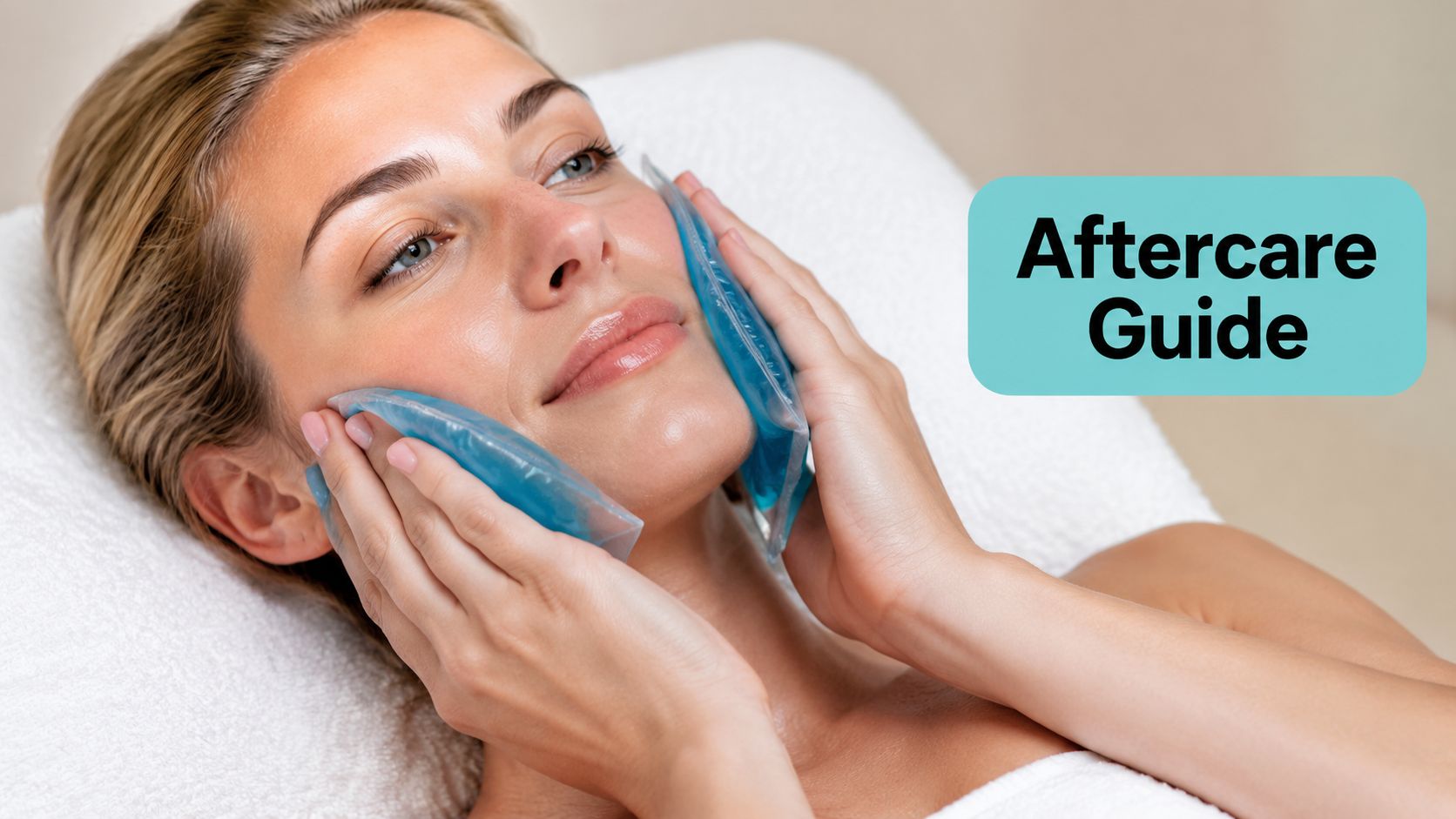
Master dermal fillers aftercare with do's and don'ts, swelling tips, activity limits and warning signs to protect your results and heal smoothly.

September 8, 2026
Ensuring Safety: Why Your Surgeon's Credentials Matter Most

Cape Cod Plastic Surgery offers expert cosmetic and reconstructive procedures in a safe, accredited setting. Led by Dr. Marc Fater, we combine advanced techniques with personalized care to help you look and feel your best.
Monday: 9:00 AM – 5:00 PM
Tuesday: 9:00 AM – 5:00 PM
Wednesday: 9:00 AM – 5:00 PM
Thursday: 9:00 AM – 5:00 PM
Friday: 9:00 AM – 5:00 PM