
October 6, 2026
How to Verify Your Surgeon Before Your Cosmetic Procedure
Your Safety Guide: What to Look for When Choosing a Plastic Surgeon
Dec 16, 2025
Surgical facility accreditation ensures that a center adheres to rigorous standards governing safety, sanitation, and quality of care. Accredited facilities maintain comprehensive protocols for equipment sterilization, emergency preparedness, and staff qualifications. These standards are enforced by recognized bodies such as AAAHC, The Joint Commission, and QUAD A, which conduct routine inspections and audits.
Choosing an accredited surgical facility guarantees care in an environment committed to high standards comparable to hospitals. This includes continuous staff training, compliance with federal regulations, and advanced emergency capabilities. Patients benefit from enhanced safety measures, thorough documentation, and transparent reporting, all contributing to better outcomes and peace of mind.
For residents of Cape Cod seeking cosmetic surgery, selecting practices accredited by national organizations ensures treatment in compliant, well-regulated settings. Local practices like Cape & Islands Plastic Surgery maintain board-certified surgeons and follow stringent safety protocols, supported by accreditation. This fosters patient confidence through expert care combined with accessible emergency support in the community.

Accreditation for surgical facilities ensures that these centers adhere to stringent Strict safety and sanitation protocols, and High standards for quality care similar to those in hospitals. It confirms that the facility is equipped with the proper tools, maintains Equipment maintenance and sterilization, and employs Qualified and regularly trained staff to safeguard Patient safety and protection during surgical procedures.
Several reputable organizations provide accreditation to outpatient surgical centers, including:
Each body has detailed Ambulatory Surgical Centers Standards and performs rigorous Regular inspections and audits, and surveys to verify compliance.
Facilities on Cape Cod must meet federal regulations enforced by OSHA and state laws such as 130 CMR 423.000 regulation, which ensures Safety standards for surgical centers and operational standards for freestanding ambulatory surgical centers. Compliance guarantees that centers provide appropriate Emergency protocols and backup equipment in surgical centers, maintain equipment, and operate under a license issued by the Massachusetts Department of Public Health oversight.
These organizations not only accredit surgical facilities but also require ongoing compliance, reporting, and Corrective Actions for Compliance in surgical facilities to maintain standards. QUAD A, for example, offers extensive resources for preparation and continuous education, emphasizing Accreditation Achievement Transparency and safety. ABCS mandates accredited facilities for all board-certified cosmetic surgeons, further ensuring patient protection.
Choosing an Cape Cod surgical facility accreditation means opting for care in an environment dedicated to High standards for quality care, safety, and ethical clinical practices—especially vital for Safety and standards in cosmetic surgeries and reconstructive surgeries that demand expert attention and advanced surgical techniques.
Freestanding Ambulatory Surgical Centers (FASCs) in Massachusetts operate under specific state regulations, notably 130 CMR 423.000 regulation, issued by the Massachusetts Department of Public Health oversight. These regulations establish the necessary Safety standards for surgical centers, sanitation, and operational standards that such facilities must meet to ensure patient care quality and compliance with federal and state laws.
Facilities must hold a clinic license by Massachusetts Department of Public Health and adhere to stringent operational guidelines. Requirements include maintaining at least two dedicated operating rooms, ensuring Emergency protocols and backup equipment in surgical centers are in place, and following Compliance with federal laws and OSHA. Additionally, facilities must implement Qualified and regularly trained staff training and execute Corrective Actions for Compliance in surgical facilities after inspections to maintain safety compliance.
MassHealth Medicaid program standards set quality standards for FASCs to guarantee professional care for eligible members. Providers must participate in Medicare participation for surgery centers and MassHealth programs to serve these populations. Moreover, specific billing protocols separate facility and professional component billing, and prior authorization is required for certain services to verify medical necessity.
Eligible FASCs must be accredited by nationally recognized bodies such as AAAHC Accreditation, the Joint Commission, or AAAASF Accreditation, ensuring adherence to High standards for quality care and safety. These accreditation organizations perform Regular inspections and audits. Facilities are also subject to Massachusetts state healthcare regulations reviews and must maintain comprehensive medical records for accountability and ongoing quality assurance.
This regulatory framework fosters a safe, accountable, and quality-driven environment for outpatient surgical procedures in Cape Cod surgical facility regulations and across Massachusetts.
Accredited surgical facilities maintain Strict safety and sanitation protocols that meet or exceed federal laws and OSHA regulations. These facilities ensure a clean and sterile environment through rigorous Equipment maintenance and sterilization procedures. Additionally, comprehensive Emergency protocols and backup equipment in surgical centers are in place, including availability of backup equipment and plans to handle unexpected events, guaranteeing Patient safety and protection akin to hospital standards.
Qualified staff members are a fundamental aspect of these facilities. About Surgical Facility Accreditation requires continuous training and certification for surgeons, anesthesiologists, nurses, and support personnel. This continuous education supports adherence to evolving best practices in Patient safety and protection and surgical care quality.
To prevent infections and ensure optimal outcomes, accredited facilities conduct regular equipment inspections and follow strict sterilization processes. This includes detailed documentation and compliance checks during Surgical facility accreditation importance audits to maintain operational discipline and safety standards.
Cape Cod healthcare facilities have implemented additional Safety Precautions in Coronavirus Era in response to COVID-19. These include mandatory Masks and Face Coverings Protocol, COVID-19 Symptom Screening, Social Distancing in Healthcare Facilities, and the establishment of Separate Care Zones for COVID-19 Patients for COVID-positive and non-COVID patients. Cape & Islands Plastic Surgery specifically highlights the importance of Board-Certified Plastic Surgeons and maintains safety protocols across its Hyannis Medical Facility and Plymouth Medical Facility, reinforcing patient trust during the pandemic.
Plastic surgery practices on Cape Cod are led by highly qualified, board-certified surgeons such as Dr. Seth Jones and Dr. Michael Loffredo. Both have completed rigorous training including a six-year residency and specialized fellowships in cosmetic surgery. Their certifications by the American Board of Plastic Surgery reflect adherence to strict standards of clinical excellence and ongoing professional development.
Patients on Cape Cod have access to a broad spectrum of surgical and nonsurgical cosmetic procedures. These include breast surgeries, body contouring, facial rejuvenation, injectables, and innovative treatments like CoolSculpting. Local practices emphasize personalized treatment plans tailored to individual goals, ensuring comprehensive care for diverse aesthetic needs.
A cornerstone of these practices is individualized patient consultations to determine the safest and most effective treatment options. Surgeons focus on building trusting relationships to understand patient goals fully. Moreover, local facilities provide ongoing follow-up care to monitor recovery and respond promptly to any post-procedure concerns, prioritizing patient safety and protection.
Having accredited plastic surgery facilities locally on Cape Cod ensures access to immediate follow-up and emergency care if needed. These centers meet rigorous QUAD A Accreditation Standards, often inspected by bodies such as AAAHC Accreditation or QUAD A Accreditation Standards. This local access reduces risks and supports high-quality care in a comfortable, community-focused setting.
Accredited surgical facilities undergo routine inspections and surveys conducted by authoritative accrediting organizations like QUAD A Accreditation Standards, the Joint Commission, and AAAHC Accreditation. These surveys assess compliance with Strict safety and sanitation protocols, and operational standards. During these visits, detailed documentation including Staff Licensing Documentation, facility Floor Plans for Accreditation, Emergency protocols and backup equipment in surgical centers, and Equipment maintenance and sterilization records are reviewed thoroughly to ensure ongoing adherence to mandated guidelines.
Facilities found deficient during surveys receive formal reports highlighting areas needing improvement. They are mandated to implement Corrective Actions for Compliance in surgical facilities promptly to restore compliance. This continuous monitoring guarantees that Patient safety and protection protocols and High standards for quality care are upheld consistently over time, fostering an environment of accountability.
Yes, transparency is a core principle of Surgical facility accreditation importance. Accrediting bodies like QUAD A Accreditation Standards actively publicize Accreditation Achievement Transparency and maintain accessible records of a facility's accreditation status. This openness ensures that patients and the wider community can verify a surgical center’s legitimacy and safety, especially important in localities such as Cape Cod surgical facility accreditation.
Knowing a surgical facility has met rigorous, externally enforced standards provides patients with reassurance regarding the quality and safety of care. Accreditation confirms that a facility operates under disciplined clinical and operational protocols and is prepared for Emergency protocols and backup equipment in surgical centers. For Cape Cod residents seeking Cosmetic Surgery in Cape Cod, selecting an accredited center increases confidence in receiving expert, safe treatment delivered by Qualified and regularly trained staff in a Clean Equipped Operating Environment, well-equipped environment.
Accredited surgical facilities on Cape Cod comply with rigorous safety and quality standards, ensuring well-maintained equipment, expert staff, and emergency preparedness. Such adherence offers patients assurance of care comparable to hospital environments, with oversight from reputable bodies like AAAHC, QUAD A, and the Joint Commission.
Patients seeking cosmetic or reconstructive procedures should prioritize accredited clinics to guarantee safe practices and qualified healthcare providers. Certification by recognized organizations confirms ongoing staff training and strict sanitation protocols, which are essential in minimizing risks.
Ensuring that surgeries are performed in accredited facilities reflects a community-wide commitment to patient protection and high standards of care. Choosing these facilities supports local providers who prioritize safety and patient-centered care, reinforcing public health and confidence in Cape Cod's medical services.
October 6, 2026
Your Safety Guide: What to Look for When Choosing a Plastic Surgeon
October 5, 2026
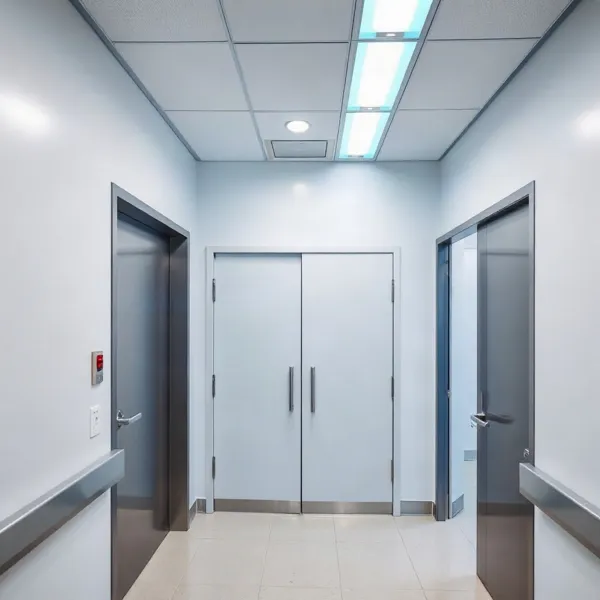
Why Our On-Site Accredited Facility Matters for Your Safety

October 2, 2026
Beyond the Calendar: How to Know You’re Truly Ready for Plastic Surgery
Cape Cod Plastic Surgery offers expert cosmetic and reconstructive procedures in a safe, accredited setting. Led by Dr. Marc Fater, we combine advanced techniques with personalized care to help you look and feel your best.
Monday: 9:00 AM – 5:00 PM
Tuesday: 9:00 AM – 5:00 PM
Wednesday: 9:00 AM – 5:00 PM
Thursday: 9:00 AM – 5:00 PM
Friday: 9:00 AM – 5:00 PM