
October 5, 2026
The Value of an On Site Accredited Facility
Why Our On-Site Accredited Facility Matters for Your Safety
Oct 5, 2026
Choosing a plastic surgeon is a deeply personal decision, and where your procedure takes place matters just as much as who performs it. An on-site accredited surgical facility offers a dedicated environment designed specifically for cosmetic and reconstructive care, meeting strict national standards for equipment, safety, cleanliness, and staff qualifications.
Accreditation by a recognized body like the American Association for Accreditation of Ambulatory Surgery Facilities (AAAASF) or the Joint Commission tells you that the facility has passed rigorous, ongoing inspections. This third-party validation is what separates a safe, well-run surgical suite from one that might cut corners. At Cape Cod Plastic Surgery, our on-site suite is held to these same exacting standards, giving you a basis for confidence from the moment you walk in.
When a facility is accredited, every aspect of your care is governed by proven protocols — from how instruments are sterilized to how emergencies are handled. This framework not only reduces risk but also allows your surgical team to focus on delivering the personalized, attentive experience that private practices were built to provide. The result is peace of mind: you know your safety is the priority, and your recovery environment is calm, private, and dedicated solely to your needs.
The following sections explore how accreditation protects you during surgery, the benefits of an on-site facility versus a hospital, and the practical steps you can take to verify your surgeon's credentials. Each topic reinforces the same core message: your safety and comfort are built into the facility itself, not added as an afterthought.
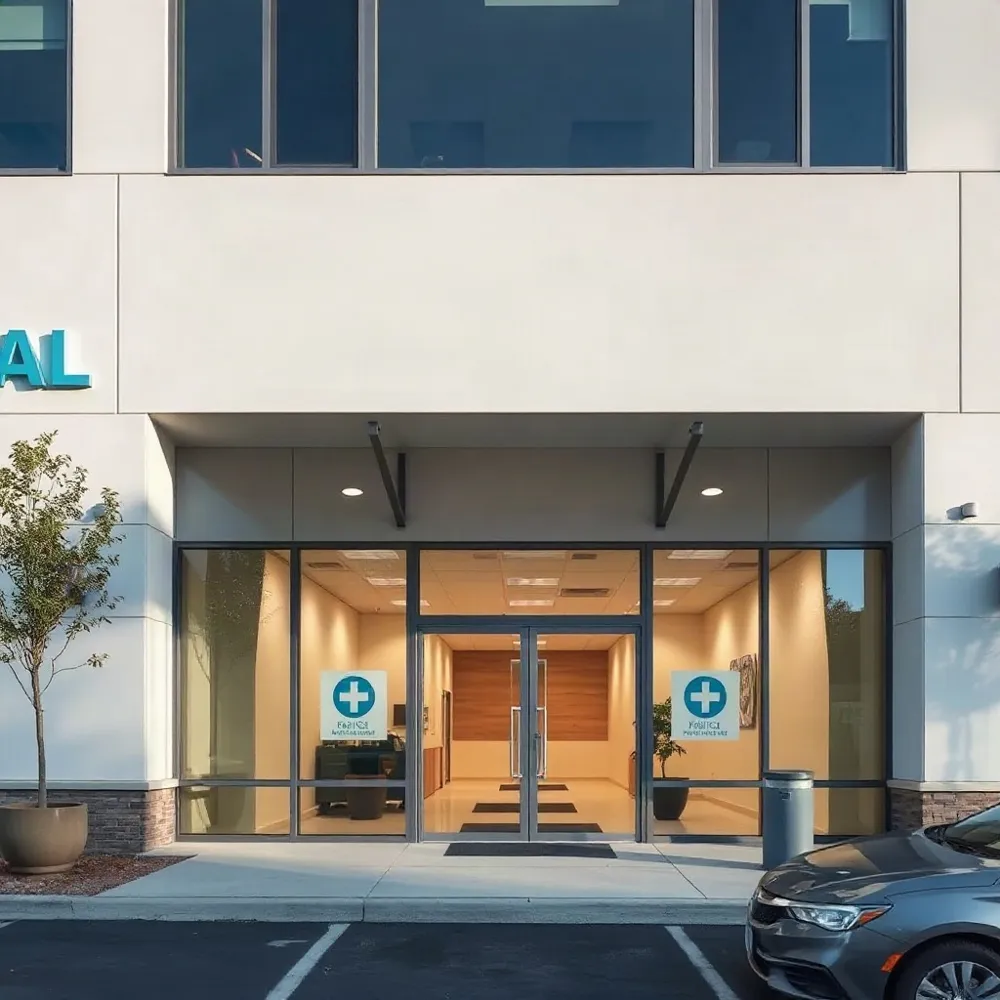
In the simplest terms, accreditation is a voluntary, third-party seal of approval. An independent organization evaluates a surgical facility's equipment, staff qualifications, safety protocols, and cleanliness against strict national standards.
When a facility is accredited, it has demonstrated compliance with rigorous criteria through an initial on-site inspection and regular re-evaluations. This process is not a one-time event; it requires continuous adherence to best practices and a commitment to quality improvement.
Three major bodies set these standards in the United States: the Accreditation Association for Ambulatory Health Care (AAAHC), The Joint Commission, and the American Association for Accreditation of Ambulatory Surgery Facilities (AAAASF). Each requires facilities to meet benchmarks for infection control, emergency preparedness, anesthesia safety, and staff credentials.
Choosing an accredited facility means choosing a place where patient safety is the top priority. At ccplasticsurgery.com, the on-site surgical suite is accredited by one of these recognized bodies, providing you with independent confirmation that our standards for safety and care are among the highest in the industry.

Accreditation is far more than a certificate on the wall. It is a rigorous, ongoing commitment to patient safety, quality of care, and operational excellence that directly impacts every patient who walks through the door.
The Joint Commission explains that accreditation helps organize and strengthen patient safety efforts by placing those issues at the forefront of a facility's initiatives. Because standards focus on state-of-the-art performance improvement strategies, accredited organizations continuously reduce the risk of error and improve the safety of care.
Accreditation also improves risk management. The structured framework requires facilities to evaluate hazards, maintain emergency protocols, and ensure staff are trained to handle complications. At ccplasticsurgery.com, our on-site surgical suite is accredited by a nationally recognized body, meaning our equipment, sanitation, staffing, and emergency plans undergo regular inspections to meet or exceed those standards.
The benefits extend beyond safety. Accredited facilities often see strengthened community confidence, as patients know the practice has been vetted by an independent third party. Many insurers recognize accreditation as a quality benchmark for network participation and payment approval. Additionally, hospitals and private practices that earn accreditation may qualify for Medicare certification without separate government surveys, reducing duplicative regulatory burdens.
For the practice, accreditation can also reduce liability insurance costs by demonstrating robust risk management. It provides a comprehensive framework for organizational structure, helping enhance teamwork, improve safety culture, and strengthen referral relationships.
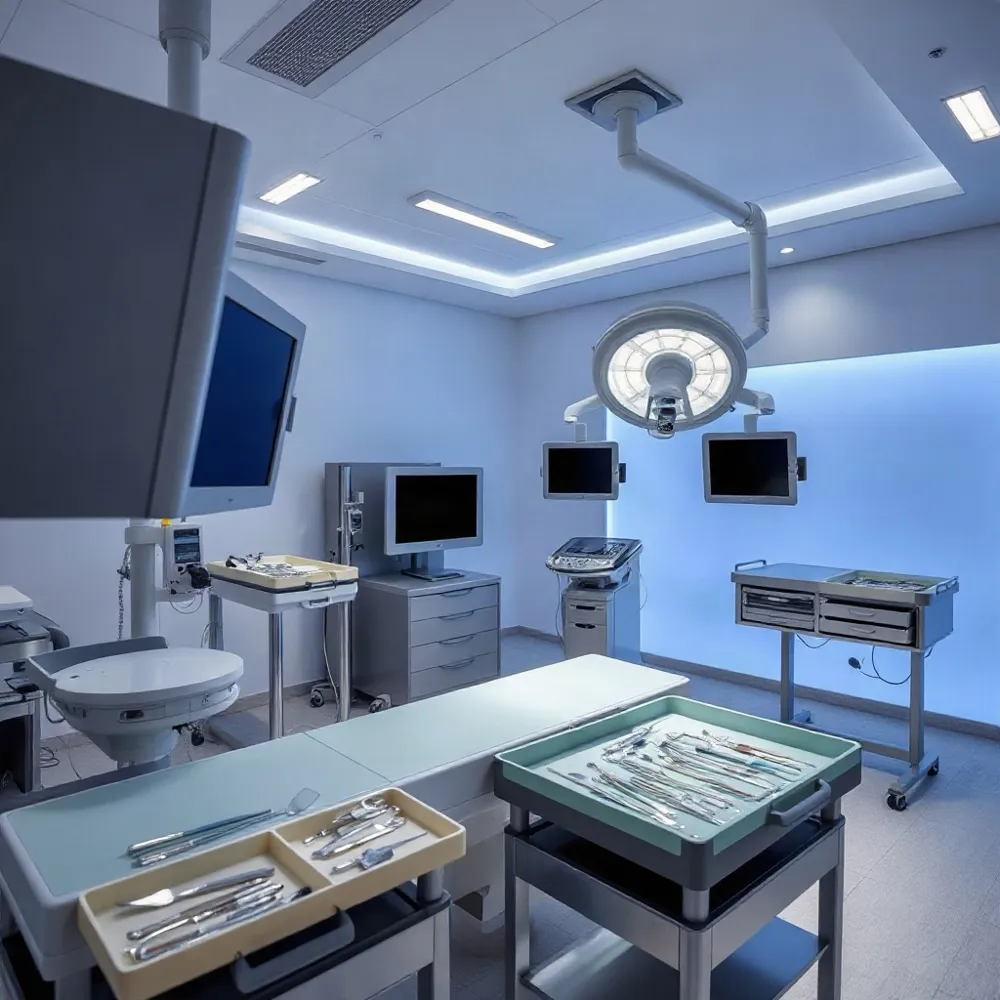
When you undergo surgery in an accredited facility, a comprehensive set of protections is activated that covers every phase of your procedure. These standards are designed to minimize risk and ensure you receive care that is consistent, safe, and subject to independent oversight.
An accredited facility must meet strict national standards for equipment, operating room safety, and sterilization, as defined by organizations like the American Association for Accreditation of Ambulatory Surgery Facilities. This means every surgical tool is properly cleaned and maintained, and the operating room environment is up to code, reducing the risks of infection and equipment failure.
Your safety depends on the people in the room. Accreditation requires that surgery be performed only by board-certified or board-eligible surgeons. Anesthesia is administered by a board-certified anesthesiologist or a certified registered nurse anesthetist. The supporting staff must include certified surgical technicians and registered nurses trained in Advanced Cardiac Life Support (ACLS), ensuring they can recognize and respond to signs of respiratory or cardiac distress.
Accredited facilities are required to have established emergency protocols and on-site emergency equipment. This includes having necessary medications and equipment to handle complications, as well as a defined plan for transferring a patient to a hospital if needed. These measures ensure that the team is prepared for any situation.
Accreditation is not a one-time event. Facilities must submit to regular inspections and peer review processes. They monitor and report incidents of infections or complications to medical boards and health departments. This continuous oversight ensures that standards are consistently maintained and that any areas for improvement are addressed promptly.
Professional organizations like the American Society of Plastic Surgeons (ASPS) require their members to use surgical facilities that meet established standards for quality and safety. At our practice on Cape Cod, we are committed to these rigorous standards, providing a level of patient protection that is verified by independent accrediting bodies.
The Value of Choosing an On-Site Facility:
Choosing a practice with an on-site, accredited surgical suite offers clear advantages over traveling to a hospital or outpatient center. At Cape Cod Plastic Surgery, the convenience of a single location means your consultation, surgery, and follow-up visits all occur in one familiar setting, minimizing travel and wait times.
You benefit from true continuity of care. The same dedicated team of surgeons, nurses, and anesthesia providers guides you from the initial consultation through your recovery. This consistent relationship builds trust and ensures that every member of your care team understands your unique goals and medical history.
Infection Control. An on-site accredited facility sees only elective plastic surgery patients — a generally healthier population than a hospital's diverse patient mix. This reduces the risk of exposure to infectious diseases and supports an exceptionally low rate of serious complications, less than half of 1 percent according to ASPS data. Scheduling Flexibility. Surgery schedules are controlled by the practice, not a hospital overwhelmed by emergency cases. This allows for flexible appointment times and virtually eliminates the long delays that can occur when surgeries are postponed for urgent hospital needs.Personalized Comfort. Private, comfortable pre-operative and recovery rooms offer a calm atmosphere where family members can wait nearby. A dedicated nurse monitors your recovery in a private setting, and the lighter anesthesia often used in these settings leads to a more comfortable recovery with fewer side effects.
Pursuing voluntary accreditation is a deliberate choice that demonstrates a facility’s commitment to excellence. At ccplasticsurgery.com, the decision to seek accreditation from a nationally recognized body reflects a dedication to meeting the highest standards of patient safety and quality care.
The process begins with submitting a detailed application to the accrediting organization. This is followed by a rigorous on‑site survey in which experienced healthcare professionals inspect every aspect of the facility, from equipment and sanitation to staff credentials and emergency preparedness. Facilities must meet 100% of the required standards, which for bodies like the Accreditation Association for Ambulatory Health Care or The Joint Commission cover hundreds of specific criteria.
Maintaining accreditation is an ongoing commitment, not a one‑time event. It requires continuous staff education, regular performance monitoring, and periodic re‑inspections to ensure compliance with evolving safety protocols. This cycle of review and improvement helps accredited facilities sustain a culture of patient‑centered care and reduces the risk of complications, as reflected in the extremely low complication rates reported for accredited ambulatory facilities.
At ccplasticsurgery.com, this dedication to continuous improvement means patients benefit from a facility that is constantly evaluated against rigorous benchmarks. The practice’s board‑certified surgeons and trained staff work within an environment where safety protocols are regularly updated, equipment is consistently inspected, and patient feedback is used to refine the care experience.
| Accreditation Step | Description | Frequency |
|---|---|---|
| Application | Submit organizational info to accrediting body | Initial |
| On‑Site Survey | Comprehensive inspection of all facility areas | Every 3 years |
| Standards Compliance | Meet 100% of safety, staff, and equipment criteria | Continuous |
| Performance Monitoring | Track outcomes and incident reports | Ongoing |
| Re‑Survey | Follow‑up inspection to verify continued compliance | Every 3 years |
Verifying a surgeon's credentials is a straightforward process that gives you confidence before any procedure. The first step is to confirm board certification. Unlike a medical license, which is a basic requirement to practice, board certification from the American Board of Plastic Surgery (ABPS) signifies that the surgeon has completed an accredited residency program, performed a required number of procedures, and passed rigorous written and oral exams.
You can use the "Verify Certification" tool on the ABPS website at abplasticsurgery.org to check a surgeon's status. To see if a physician is board certified across any recognized specialty, you can also visit certificationmatters.org, the American Board of Medical Specialties directory.
It is equally important to ensure their state medical license is active and free of restrictions or disciplinary actions. You can do this by contacting your state medical board or using the Federation of State Medical Boards (FSMB) at www.fsmb.org.
Finally, confirm that the surgeon has privileges to operate at a local, accredited hospital. Hospital credentialing committees vet a surgeon's background thoroughly before granting privileges. If your surgeon operates outside a hospital, verify that the facility itself is accredited by a recognized body such as the American Association for Accreditation of Ambulatory Surgery Facilities (AAAASF), the Joint Commission, or the AAAHC. Our facility at ccplasticsurgery.com meets these strict national standards, providing an additional layer of safety and oversight.
Most cosmetic procedures performed to enhance appearance are elective, meaning standard health insurance plans will not cover them. If you are considering a breast augmentation, tummy tuck, or facelift, you should plan to pay out of pocket. However, there are exceptions for medically necessary surgeries. For example, a breast reduction may be covered if it relieves chronic back or neck pain, and eyelid surgery may be covered if excess skin impairs your vision. Other commonly covered procedures include rhinoplasty to repair a broken nose, scar revision for traumatic scars, and treatment for gynecomastia when it causes physical discomfort.
Because coverage depends entirely on your specific policy and documentation of medical necessity, it is essential to verify your benefits with your insurer before scheduling any procedure. A surgeon's office can supply the medical records needed to support a claim, but the decision rests with the insurance company.
Yes. According to the American Society of Plastic Surgeons, accredited ambulatory facilities often have the advantage of lower costs compared to hospital settings, while maintaining a comparable safety record. Choosing an accredited private surgical suite can be a cost-effective option without sacrificing the quality or safety of your care. At ccplasticsurgery.com, the on-site accredited facility allows for streamlined scheduling and eliminates many of the overhead costs associated with large hospital systems.
Many surgical practices recognize that the upfront cost of a procedure can be a barrier. Third-party financing options, such as CareCredit, are often available to help patients spread the cost of treatment over manageable monthly payments. During your consultation, ask about any financing or payment plans the practice offers. This transparency allows you to make a well-informed financial decision without compromising on the surgeon or facility you trust.
Direct negotiation of a surgeon's fee is uncommon and not recommended. The cost reflects years of specialized training, board certification, and the use of a safe accredited facility with qualified staff. Aggressively seeking a lower price may lead to compromises in your surgical plan, potentially affecting your final results and overall safety. Instead of bargaining, we encourage you to focus on the value of the care provided. Discuss any financial concerns openly during your consultation, and ask about transparent, all-inclusive pricing to ensure there are no hidden fees.
Choosing an accredited facility is one of the most important decisions you can make for a safe surgical experience. Accreditation is a third-party verification that a facility meets strict national standards for equipment, safety, and staff qualifications. It provides a framework for continuous improvement, risk management, and accountability.
At ccplasticsurgery.com, we are committed to providing you with the highest level of care in our accredited, on-site surgical suite. Our board-certified plastic surgeons and dedicated team focus on personalized, patient-centered treatment, ensuring your comfort and safety throughout your journey.
When you schedule a consultation, feel free to ask about our accreditation and what it means for your procedure. We believe informed patients are empowered patients, and we are here to provide the peace of mind that comes from knowing you are in safe, capable hands.
Your safety is our foundation. By choosing an accredited practice, you are prioritizing quality care and taking a confident step toward achieving your goals.
October 5, 2026
Why Our On-Site Accredited Facility Matters for Your Safety

October 2, 2026
Beyond the Calendar: How to Know You’re Truly Ready for Plastic Surgery

October 2, 2026
Exploring Your Breast Augmentation Options: Implants, Shapes, and What to Expect
Cape Cod Plastic Surgery offers expert cosmetic and reconstructive procedures in a safe, accredited setting. Led by Dr. Marc Fater, we combine advanced techniques with personalized care to help you look and feel your best.
Monday: 9:00 AM – 5:00 PM
Tuesday: 9:00 AM – 5:00 PM
Wednesday: 9:00 AM – 5:00 PM
Thursday: 9:00 AM – 5:00 PM
Friday: 9:00 AM – 5:00 PM