

September 9, 2026
How to Care for Surgical Incisions Properly
Expert Guide to Proper Surgical Incision Care
Jan 23, 2026

Your initial plastic surgery consultation serves as a foundational step where your surgeon learns about your aesthetic goals, medical history, and lifestyle. This meeting offers a safe space to discuss concerns, explore treatment options, and set a clear path forward.
Before your appointment, reflect on your motivations for surgery and write down questions for your surgeon. Physically, maintain a healthy lifestyle, stay hydrated, and gather comprehensive medical and medication information. Wearing comfortable clothing helps facilitate physical examination during the visit.
The consultation is dedicated to educating you about the procedure's benefits, risks, and recovery timeline. Reviewing before-and-after photos and discussing possible outcomes ensures your expectations align with achievable results.
Open communication and honesty about your medical history and goals foster a trusting relationship. A qualified, board-certified surgeon will attentively address your concerns, provide clear explanations, and guide you toward a personalized and safe treatment plan.

Board certification by the American Board of Plastic Surgery Certification (ABPS) is a vital indicator of a surgeon's professionalism and expertise. It confirms that the surgeon has undergone rigorous training, passed comprehensive exams, and adheres to strict ethical standards. Choosing a Board-Certified Plastic Surgeon significantly reduces risks and ensures your care meets high medical standards.
Start by checking your surgeon's credentials through state medical boards and professional organizations like the American Society of Plastic Surgeons Membership. Review their experience with your specific procedure by asking to see before-and-after photos and reading verified patient testimonials. During your consultation, discuss their Surgeon Certification and Training, complication rates, and how they handle Risks and Complications in Plastic Surgery.
An accredited surgical facility guarantees that the clinic meets safety and cleanliness standards evaluated by external bodies. Additionally, surgeons with Hospital Privileges for Surgeons have been vetted by hospitals, which adds another layer of quality assurance. These credentials ensure that your surgery will be conducted in a safe environment with qualified staff and licensed anesthesiologists. For more information, see Facility Accreditation in Plastic Surgery.
Effective communication builds trust and helps set realistic expectations. During consultations, observe if the surgeon listens to your concerns attentively, explains procedures clearly, and avoids rushing you through decisions. A surgeon who encourages questions and supports your involvement in treatment planning fosters a positive relationship that enhances outcomes.
| Aspect | What to Look For | Why It Matters |
|---|---|---|
| Board Certification | Verified ABPS certification | Ensures rigorous training and expertise |
| Credentials & Experience | Before-and-after photos, patient reviews | Demonstrates skill and reliability |
| Facility Accreditation | Accredited surgical centers | Reflects high safety and operational standards |
| Hospital Privileges | Membership in reputable hospitals | Adds an external quality check |
| Communication Style | Patient-centered, clear explanations, attentiveness | Builds trust and fosters informed decisions |
Choosing a plastic surgeon who meets these criteria helps guarantee a safe, personalized experience, supporting your confidence and satisfaction.

Your consultation starts with an in-depth conversation with your surgeon about your aesthetic goals, expectations, and any concerns you have. This open dialogue allows the surgeon to understand your motivations and customize recommendations accordingly. See more about the plastic surgery consultation process and discussing patient expectations and concerns.
The surgeon will review your complete medical history and assess your current health to determine if you are a suitable candidate. This ensures your safety and that any medical conditions or medications are taken into account. Learn about assessing medical history and health status and patient preparation for cosmetic surgery.
During the consultation, the surgeon thoroughly explains the surgical options, including the techniques they will use, possible risks, expected limitations, and the typical recovery process. Patient education is prioritized to promote realistic expectations and informed consent. Refer to understanding cosmetic surgery procedures, risks and limitations of procedures, and surgeon's approach and recovery expectations.
Visual aids such as before-and-after photos of past patients with similar procedures help you visualize potential outcomes. Some surgeons may also use digital imaging or 3D models to further clarify results. Explore resources on before-and-after photos review, before-and-after photos for plastic surgery, and visual tools for surgery outcomes.
You may be advised to schedule a second appointment to discuss any additional questions and to thoughtfully decide your next steps without feeling rushed. This reinforces patient comfort and confidence in proceeding. See details on scheduling a second consultation and avoiding rushed decisions.
This consultation is a critical step designed to foster open communication, build trust, and empower you with the knowledge needed to make well-informed decisions about your plastic surgery journey. For comprehensive guidance, review Questions to Ask Your Plastic Surgeon and Preparing for cosmetic surgery consultation.

A successful consultation involves asking important questions to ensure you are fully informed and comfortable with your decision. Begin by confirming your suitability for the procedure and discussing how the surgery will be performed. It is crucial to verify the surgeon's qualifications, specifically whether they are Board-Certified Plastic Surgeon and members of the American Society of Plastic Surgeons Membership. These credentials demonstrate high standards and specialized training.
Equally important is understanding the surgical environment. Ask about the facility’s accreditation and if your surgeon has hospital privileges to perform your type of procedure. This ensures that safety protocols and quality care standards are met (Accredited Surgical Facilities, Hospital Privileges for Surgeons).
Get detailed information about the procedure itself, including the recovery timeline, risks involved, and post-operative care expectations. Discuss how complications are managed, what support is available after surgery, and inquire about revision policies should the results not meet expectations (Risks and Complications in Plastic Surgery, Aftercare services for plastic surgery).
Reviewing before-and-after photos of previous patients helps set realistic expectations and gives insight into the surgeon’s expertise and aesthetic approach (Before-and-After Photos for Plastic Surgery). Additionally, ask about how long results typically last to better understand the procedure's longevity.
Being thorough with these questions empowers you to make an informed, confident decision and fosters Open Communication with Surgeon for the best possible outcome (Questions to Ask Your Plastic Surgeon).
plastic surgery consultation tips involves thorough research and honest communication. Begin by Preparing for cosmetic surgery consultation. Bringing pictures or inspirational photos can help convey your expectations clearly.
Compile a complete medical history, including your current medications and any family health issues. This is vital for Suitability for plastic surgery. It's also important to be physically prepared by maintaining a stable and healthy weight and following any preoperative instructions such as quitting smoking and avoiding certain medications.
Mental preparation for plastic surgery. Reflect on your motivations and set realistic expectations to ensure the best outcomes. Gathering any necessary medical documents, such as blood work or clearance letters, can streamline the process.
Prepare a list of Questions to Ask Your Plastic Surgeon to discuss during the consultation. Choosing a Board-Certified Plastic Surgeon with a strong track record and hospital privileges is essential. Financially, consider saving at least twice the estimated procedure cost to cover unforeseen expenses.
Wear comfortable, practical clothing such as a shirt and pants or trousers. Clothing that is easy to remove or adjust is preferred since the surgeon may need to take photographs or perform measurements during the consultation (Consultation Photography).
This comprehensive preparation helps ensure your consultation is informative, thorough, and tailored to your specific needs, empowering you to make confident decisions about your Preparing for Your Cosmetic Surgery Consultation.
Yes, it is common for plastic surgery consultations to have an associated fee, typically ranging from $120 to $240. This fee reflects the surgeon’s dedicated time to review your medical history, discuss your goals, and formulate a personalized treatment plan. Many practices credit this consultation fee toward the surgery cost if you proceed within a specified period, often 90 days. In some cases, consultation fees for minor procedures like injectables or laser treatments may be waived if the treatment is performed the same day. For more details, see Consultation Fee and Deductibility.
After your consultation, patients typically schedule surgery about 4 to 12 weeks later. However, the timeline varies depending on the procedure's complexity and the practice’s availability. This timeframe allows for proper preparation, including medical clearance and any necessary lifestyle adjustments such as smoking cessation. Learn more about Surgery Scheduling and Financial Consultation and Tips for mental preparation before surgery.
During or shortly after your consultation, you will meet with a financial consultant who will explain the total expected costs including surgeon’s fees, anesthesia, operating facility charges, and postoperative care. They will also review payment plans and financing options to help you budget effectively. See Financial planning for cosmetic surgery and Meeting with Financial Consultant.
Some patients benefit from a follow-up consultation, often recommended by surgeons to answer additional questions and ensure the patient feels fully informed and confident before proceeding. These discussions emphasize patient readiness and reinforce realistic expectations. For more information, refer to Scheduling a second consultation and Follow-up Consultations.
Your surgeon should foster an open and supportive environment, encouraging you to express your concerns and preferences. Taking the time to consider all options and consulting multiple surgeons if desired helps ensure you feel comfortable and confident in your decision to proceed, fostering a safe and personalized surgical experience. See Shared Decision-Making in Plastic Surgery and Patient preparation for cosmetic surgery.
Preparation is essential to ensure your plastic surgery consultation is productive and informative. Research your chosen procedure in advance, prepare a list of questions, and bring comprehensive medical history and medication details. Wearing comfortable clothing will facilitate physical examinations, and consider bringing a support person for assistance and reassurance.
Your consultation provides an opportunity to openly discuss your goals and concerns with a board-certified plastic surgeon. Honest dialogue about expectations and motivations allows the surgeon to tailor treatment options specifically for you. Request details about the procedure, risks, recovery, and review before-and-after images to set realistic outcomes.
Select a surgeon with appropriate certification, hospital privileges, and who operates in accredited facilities. Transparency regarding potential risks and recovery timelines helps establish achievable goals and safe practices. Do not hesitate to ask about complication rates and the surgeon’s experience with your procedure.
After your consultation, use the information gathered to make confident decisions. Schedule any necessary follow-up appointments, consider multiple opinions if desired, and work with your care team to develop a personalized treatment plan. Understanding financing, scheduling, and post-operative care completes the pathway towards enhancing your appearance and confidence safely.
September 9, 2026
Expert Guide to Proper Surgical Incision Care
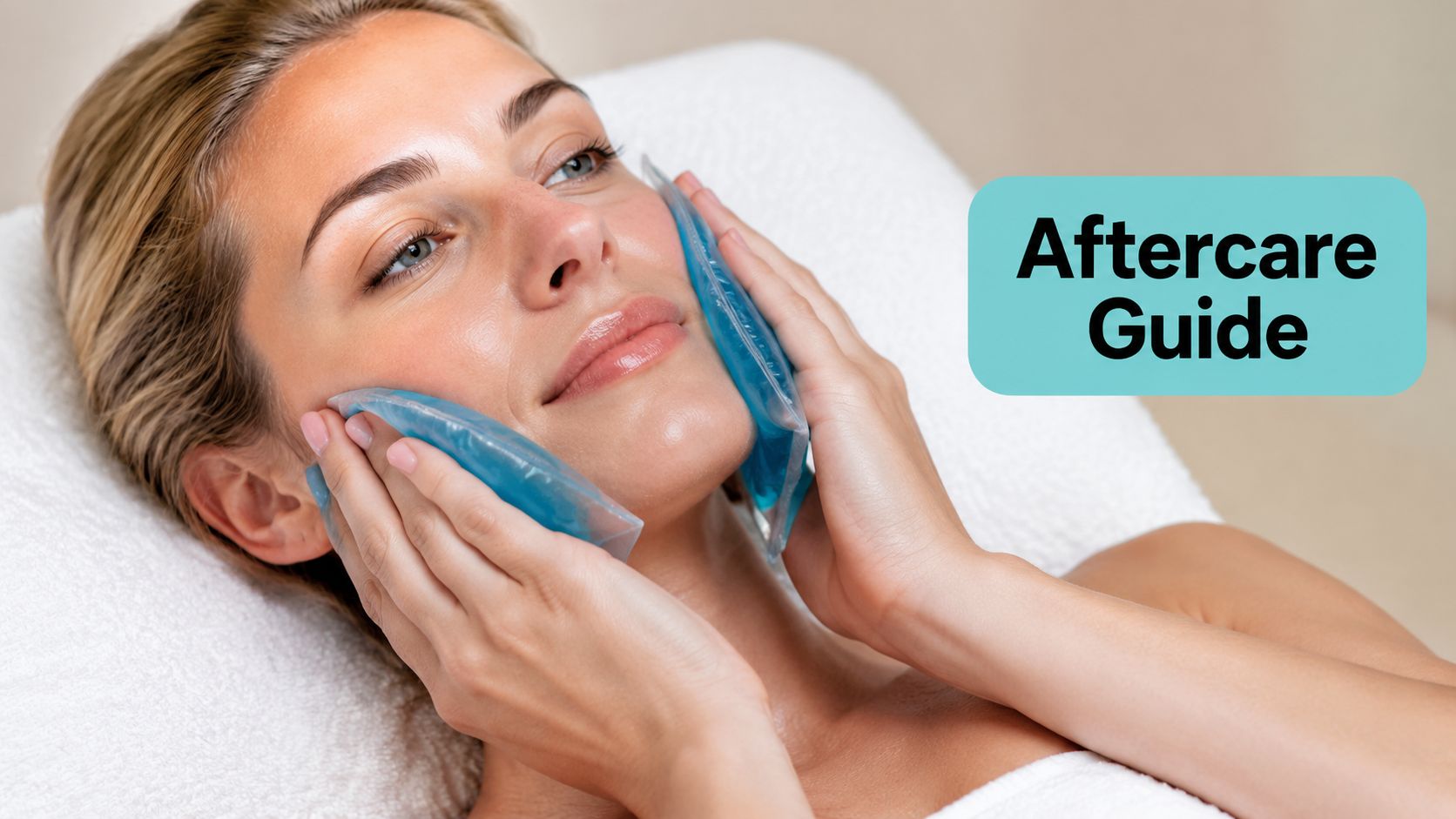
Master dermal fillers aftercare with do's and don'ts, swelling tips, activity limits and warning signs to protect your results and heal smoothly.

September 8, 2026
Ensuring Safety: Why Your Surgeon's Credentials Matter Most

Cape Cod Plastic Surgery offers expert cosmetic and reconstructive procedures in a safe, accredited setting. Led by Dr. Marc Fater, we combine advanced techniques with personalized care to help you look and feel your best.
Monday: 9:00 AM – 5:00 PM
Tuesday: 9:00 AM – 5:00 PM
Wednesday: 9:00 AM – 5:00 PM
Thursday: 9:00 AM – 5:00 PM
Friday: 9:00 AM – 5:00 PM