

November 1, 2026
Non Invasive Ways to Improve Skin Texture
A Patient-Centered Guide to Smoother-Looking Skin
Nov 1, 2026
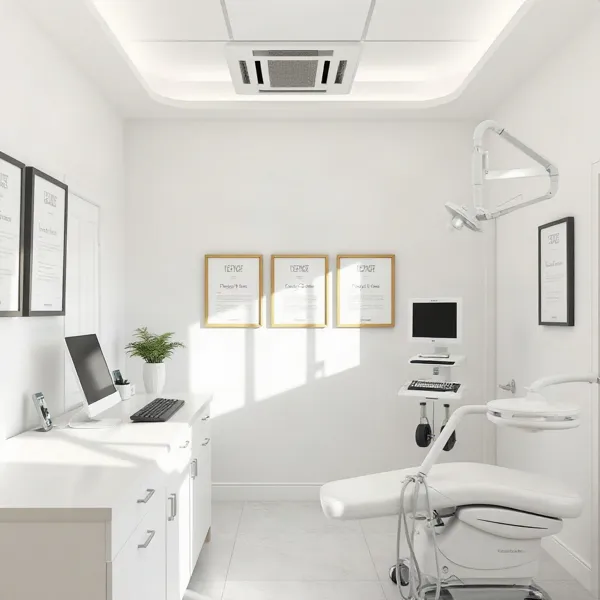
Choosing a surgeon for cosmetic or reconstructive plastic surgery involves more than deciding which procedure may suit your goals. Understanding a surgeon’s specialty qualifications is one practical part of planning care and making an informed choice.
Surgery carries risks, and no credential can promise a particular result or a complication-free operation. Board certification by the American Board of Plastic Surgery indicates that a surgeon has completed specialty training and examinations, but it should be considered evidence of qualifications, not a guarantee.
At Cape Cod Plastic Surgery, Dr. Marc Fater provides cosmetic and reconstructive care in a patient-centered practice. As you assess any surgeon, also ask about experience with your specific procedure, where surgery will take place, and whether the consultation gives you time to discuss risks, options, and recovery.

Board certification is a voluntary specialty credential, not a replacement for a medical license. A state license permits a physician to practice medicine but does not establish training in a particular surgical specialty. The distinction matters when assessing a surgeon for cosmetic or reconstructive care.
In the United States, the American Board of Plastic Surgery (ABPS) is a member board of the American Board of Medical Specialties. ABPS certification indicates that a physician has met the board’s plastic-surgery training requirements and passed comprehensive written and oral examinations. The board also sets ongoing certification requirements, including self-assessment and practice improvement. ABPS certification information explains the credential and provides a tool for checking a surgeon’s status.
A physician certified by another specialty board may be qualified in that field, but that certification alone does not show that they completed plastic-surgery training. The American Board of Cosmetic Surgery is not an ABMS member board, so its credential is not equivalent to ABPS certification. Since “board-certified” can describe different credentials, ask which board issued the certification and verify the specific claim through the ABPS online search.
Certification is one useful factor in choosing a surgeon. Patients should also ask about the surgeon’s experience with the procedure they are considering and how care will be planned around their goals and health needs.
For a broader look at how specialty credentials differ from licensure, see verifying the right surgeon: the cornerstone of safety and trust.

Once you have a surgeon’s name, check the credential at its source rather than relying on a website description or the phrase “board-certified.” The American Board of Plastic Surgery (ABPS) Verify Certification directory lets you search by surgeon name or location. Confirm that the result identifies certification specifically in plastic surgery.
The ABMS Certification Matters directory is another way to look up board certification. A physician may be board-certified in a different specialty, so a general claim does not by itself establish plastic surgery certification. If a search result is unclear, ask the surgeon’s office which board issued the credential and what specialty it covers.
Credential verification remains one part of your review: discuss the surgeon’s experience with your proposed procedure, where surgery will take place, and the facility’s safety standards. A conversation with the office can help clarify records and give you a fuller basis for making an informed decision.
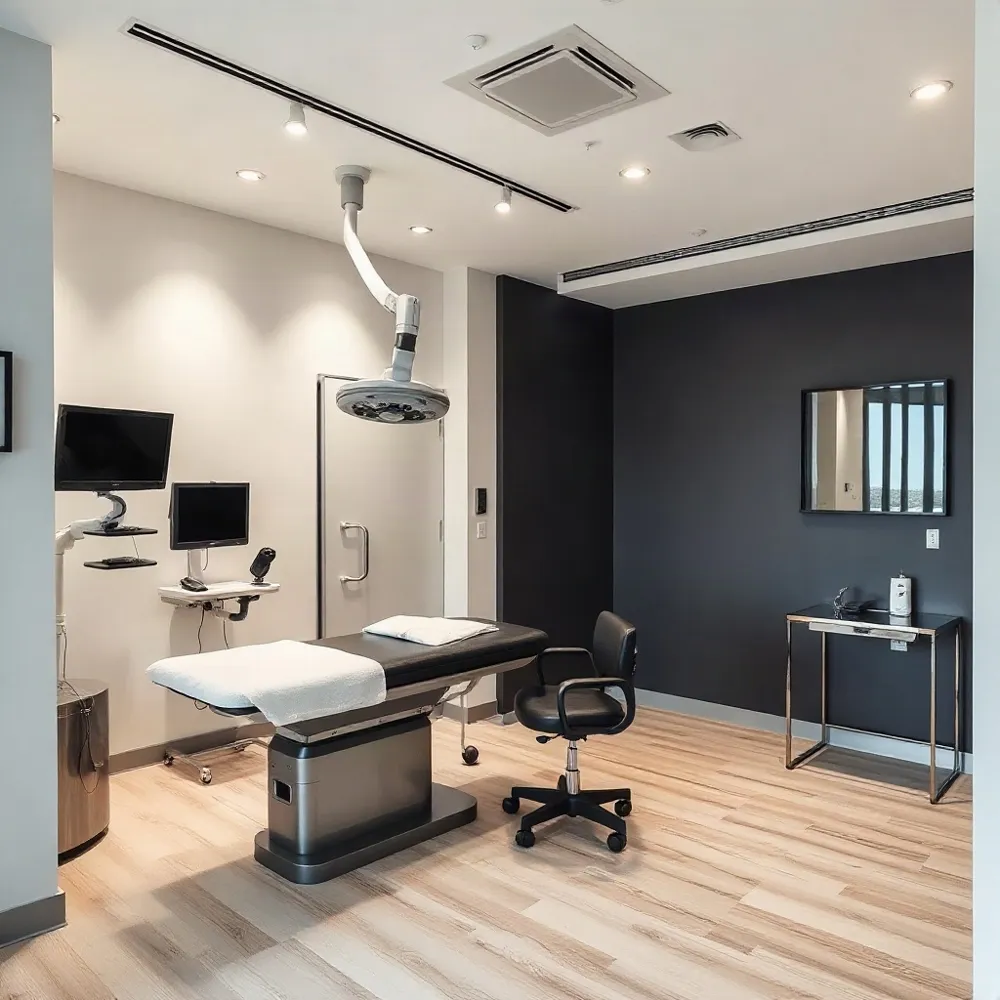
A surgeon’s certification and a facility’s accreditation address different parts of care. Certification speaks to specialty qualifications; accreditation means an outside organization has reviewed a surgical setting against standards for areas such as equipment, operating-room safety, staffing, and patient monitoring. The American Society of Plastic Surgeons’ facility guidance describes these standards and related safeguards.
Ask which organization accredited the facility and what that review covers. Safeguards may include trained staff, qualified anesthesia professionals, emergency equipment and protocols, and a plan for hospital transfer if needed. Ask how your condition will be monitored before, during, and after surgery. Discuss the facility’s accreditation when reviewing your procedure and safety arrangements.
Accreditation supports consistent safety practices, but it cannot guarantee a particular result or eliminate complications. Surgical risk is never zero, and it varies with the procedure, your overall health, medications, anesthesia, and whether procedures are combined. Possible complications include infection, bleeding, blood clots, anesthesia-related problems, scarring, delayed healing, changes in sensation, or the need for further treatment. The ASPS patient-safety resource encourages patients to consider both surgeon qualifications and the facility.
A careful preoperative assessment helps the team consider individual risks and plan appropriate care. Share your medical history, medications and supplements, allergies, and any prior anesthesia concerns. Discuss your goals, realistic expectations, recovery, and the steps the team would take if a complication arose. Ask whom to contact after surgery if you notice concerning symptoms, and clarify how follow-up will be arranged.
Understanding the surgeon’s qualifications alongside the facility’s safeguards gives you a fuller basis for deciding whether the proposed plan fits your needs.
A consultation should be a two-way discussion about your health, priorities, and options, not a decision made under pressure. A consultation should account for your circumstances and goals, rather than assuming one procedure is right for everyone.
Ask whether the surgeon is certified by the American Board of Plastic Surgery (ABPS), what training and experience they have with your planned procedure, and how often they perform it. The American Society of Plastic Surgeons’ patient-safety guidance encourages patients to learn about surgeon qualifications and ask questions before treatment.
Discuss whether you are a suitable candidate, what results are realistic, and whether alternatives may better fit your needs. Ask about risks, the surgical setting, how facility credentials can be checked, who will provide anesthesia, and how possible complications would be managed. Also cover recovery, return to usual activities, and follow-up care. A consultation should leave you with clear answers and time to consider them.
Patients can bring questions about their concerns, relevant health history, and desired changes to help make the conversation specific and useful.
Cosmetic surgery generally aims to enhance appearance, symmetry, or proportion, such as with a facelift or breast augmentation. Reconstructive surgery seeks to restore form and, when possible, function affected by a congenital condition, injury, disease, burn, or previous surgery. Examples include cleft repair and breast reconstruction after cancer treatment.
The categories can overlap: some procedures address both appearance and function, and the right approach depends on the person’s needs and goals. A consultation can clarify options, likely outcomes, and risks. Insurance coverage varies by plan and medical necessity, so patients should confirm benefits with their insurer.
A practical review starts with confirming the surgeon’s exact specialty certification through the American Board of Plastic Surgery, then asking about experience with the procedure you are considering. Certification is evidence of specialty qualifications.
Ask where the procedure will take place and how the facility handles anesthesia, monitoring, and emergencies. The American Society of Plastic Surgeons’ facility guidance explains that facility standards address areas such as equipment, personnel, and operating-room safety.
Give yourself time to raise concerns and understand the options before deciding. No credential or accreditation can guarantee an individual outcome, but clear answers and an unhurried consultation can help you make a thoughtful choice about your care.
November 1, 2026
A Patient-Centered Guide to Smoother-Looking Skin

November 1, 2026
A Personalized Path to Refined Body Contours

November 1, 2026
Choosing Light and Laser Treatments for Sun-Damaged Skin
Cape Cod Plastic Surgery offers expert cosmetic and reconstructive procedures in a safe, accredited setting. Led by Dr. Marc Fater, we combine advanced techniques with personalized care to help you look and feel your best.
Monday: 9:00 AM – 5:00 PM
Tuesday: 9:00 AM – 5:00 PM
Wednesday: 9:00 AM – 5:00 PM
Thursday: 9:00 AM – 5:00 PM
Friday: 9:00 AM – 5:00 PM