

October 7, 2026
What to Expect During Your Breast Surgery Recovery
A Practical Guide to Healing After Breast Surgery
Nov 27, 2025
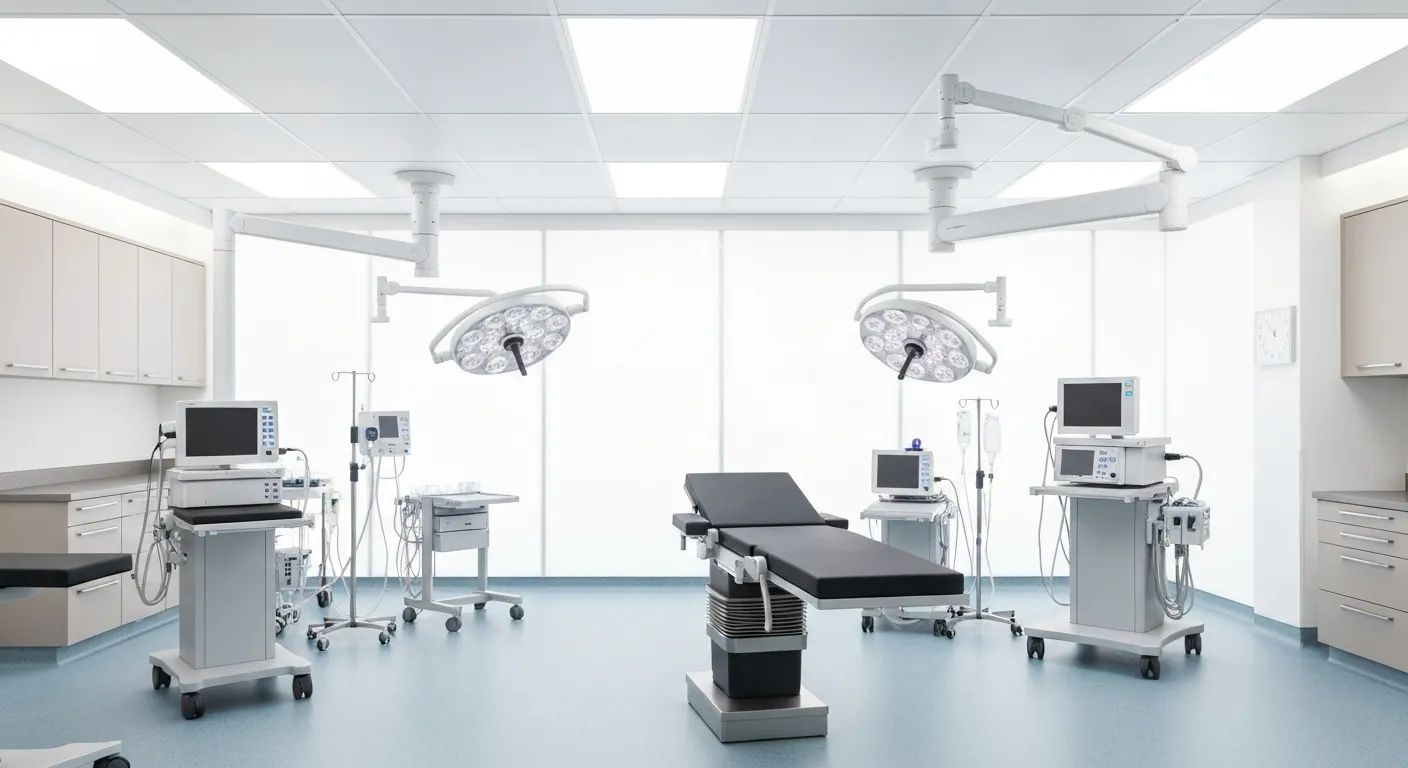
Accreditation of surgical facilities is essential in ensuring patient safety and optimal outcomes. Accredited surgical suites undergo rigorous evaluation by recognized organizations such as AAAASF, AAAHC, and The Joint Commission. These assessments confirm that the facility meets stringent standards for safety, cleanliness, equipment, and staff qualifications.
Surgery performed in accredited ambulatory facilities demonstrates remarkably low rates of serious complications—less than 0.5%—and extremely low mortality rates. These facilities maintain well-equipped operating rooms staffed by licensed professionals trained to respond swiftly to emergencies, assuring patients receive the highest quality of care.
Safety protocols include strict sterilization procedures, use of advanced air filtration systems, and comprehensive emergency preparedness. Moreover, adherence to the Universal Protocol and surgical safety checklists promote error prevention. Accredited centers implement continuous staff education and maintain compliance with federal safety and privacy regulations, fostering a culture that prioritizes patient safety at every step.

Surgical facilities must meet rigorous standards verified by well-known accrediting organizations such as AAAHC Accreditation, AAAASF Accreditation (Quad A), The Joint Commission Surgical Facility Standards, SRC and HFAP Accreditation, and ACHC. These bodies evaluate facilities to ensure they maintain excellence in Patient Safety in Accredited Surgery Centers, sanitation, equipment, and staff qualifications.
Accredited surgical centers are required to follow strict protocols that comply with federal and state regulations including OSHA for sterilization, waste handling, and infection control. This ensures a Clean and Fully Equipped Operating Room alongside qualified personnel such as Fully Qualified Anesthesiologist or Anesthetist and trained surgical staff.
Facilities undergo regular on-site audits and annual reviews to maintain accreditation status. These inspections examine operational safety, proper equipment maintenance, emergency preparedness, staff credentials, and adherence to policies that protect patient privacy and confidentiality, consistent with Accredited surgical facilities.
Patients can confirm a surgical facility's accreditation by directly inquiring with the surgeon or checking publicly available directories from accrediting agencies. Verifying Surgical Facility Accreditation helps ensure treatment in a facility that prioritizes safety, cleanliness, qualified personnel, and compliant procedures, which significantly reduces complication risks.

One vital feature of modern operating rooms is the use of unidirectional ultraclean air delivery systems, such as laminar airflow in operating rooms. These systems provide a continuous flow of filtered air in a single direction, significantly reducing airborne contaminants and the risk of surgical site infection prevention. Laminar airflow ensures that the air is clean and sterile around the surgical field, enhancing Patient Safety in Surgery.
Many operating rooms incorporate Ultraviolet light systems for infection control to disinfect surfaces and reduce the presence of reducing multidrug-resistant organisms (MDROs). UV light helps minimize microbial load on nonporous surface materials, complementing traditional cleaning protocols and further lowering infection risks.
The design of operating rooms includes strategic layout considerations to optimize workflow and safety. Surfaces such as surgical table design for cleanliness and floor materials are selected for durability and ease of cleaning. Nonporous, smooth surfaces prevent microbial adherence and facilitate effective disinfection, contributing to a sterile environment.
Effective air quality management involves maintaining a minimum of 20 air changes per hour, using high-efficiency particulate air (HEPA) filters or MERV 13 filters in healthcare ventilation, and ensuring proper ventilation pressure gradients. These measures help remove contaminants and maintain environmental conditions ideal for preventing infections.
Together, these advanced design elements reduce contamination risks, lower surgical site infection prevention rates, and protect both patients and surgical staff. Implementing ultraclean airflow, UV light disinfection, high-quality surfaces, and stringent air management protocols creates a safer surgical environment aligned with best practices in infection control.

Accredited surgical facilities maintain a fully equipped environment to manage emergencies effectively. Essential emergency medications and devices are readily accessible within the operating suite to address unexpected complications promptly. This preparedness includes necessary drugs for resuscitation, allergic reactions, and other urgent medical situations.
Operating rooms in accredited facilities are stocked with advanced airway devices, such as difficult airway equipment and tracheotomy sets, to ensure patient airway safety during procedures. Defibrillators and resuscitation equipment are also available on-site to provide immediate cardiac support if required.
Facilities employ licensed healthcare professionals trained and certified in ACLS, guaranteeing expert response during cardiac emergencies. At least two licensed staff members are present around the clock during surgical procedures, with one certified in ACLS, ensuring continuous patient safety.
To ensure uninterrupted care, accredited surgical centers implement reliable backup power systems that maintain critical equipment function during power outages. Comprehensive emergency plans and transfer protocols are in place to manage potential complications, facilitating swift patient transfer to higher-level care when necessary.
This thorough approach to emergency preparedness within accredited surgical suites upholds the highest standards for patient safety and surgical success.

The Universal Protocol steps is a critical patient safety measure designed to prevent wrong-site, wrong-procedure, and wrong-person surgeries. It consists of three essential steps. First, preprocedure verification confirms the patient’s identity, surgical site, and planned procedure through thorough checks of medical records and consent forms. Next, surgical site marking involves the surgeon or designated team member marking the operative site clearly on the patient's body before surgery. Finally, a "surgical time-out" procedure is conducted immediately before the surgery begins, where the entire surgical team pauses to confirm the patient's identity, procedure, and site, ensuring all agree on the surgical plan.
The World Health Organization surgical checklist complements the Universal Protocol by providing a structured team briefing at three critical points: before anesthesia induction, before skin incision, and before the patient leaves the operating room. This checklist prompts the surgical team to review important safety steps such as verifying patient details, ensuring surgical instruments are accounted for, and confirming any special concerns or allergies. Its implementation has been shown to reduce complications and improve communication within surgical teams.
Effective communication among the surgical team members is vital to patient safety. The protocol encourages inclusive involvement where all team members actively participate in the verification process. Patients also play a role by confirming surgical details during informed consent and participating in site marking. This team approach helps reduce errors and fosters a culture of safety in healthcare within the surgical environment.
Standardized surgical counting procedures for surgical instruments, sponges, and other materials are mandatory to prevent retained foreign objects. These counts are conducted before incision, periodically during surgery, and before wound closure, with thorough documentation maintained. Any discrepancies in counts trigger immediate protocols to locate missing items, thus maximizing patient safety and minimizing postoperative complications.

Accredited surgical facilities ensure that all surgeons hold valid, unrestricted medical licenses and are often certified by recognized boards such as the American Board of Medical Specialties (ABMS). Anesthesia professionals, including anesthesiologists and nurse anesthetists, are also fully qualified and licensed. Their expertise is pivotal to guaranteeing patient safety and effective surgical outcomes.
Support personnel, such as perioperative nurses and surgical technicians, are rigorously trained and certified. These teams play essential roles during procedures, maintaining sterile environments, managing surgical instruments, and responding effectively to emergencies. Their continual education focuses on upholding safety and workflow efficiency within the operating room.
To maintain high competency levels, surgical teams undergo regular verification of skills and knowledge. Simulation-based training is widely used to prepare staff for both routine procedures and emergency scenarios. This approach fosters effective teamwork, improves communication, and reduces the risk of human error during surgery.
Recognizing the impact of stress and fatigue on team performance, accredited centers enforce policies to ensure personnel are well-rested and alert. Fatigue management reduces errors, contributing significantly to Patient Safety in Surgery and successful surgical outcomes. Such protocols reflect a strong commitment to maintaining high clinical standards and optimal team function.
Accredited surgical facilities implement rigorous sterilization protocols for surgical instruments. Instruments undergo sterilization methods such as steam autoclaving, ethylene oxide, and dry heat sterilization. The efficacy of these sterilization cycles is regularly validated using biological indicators like bacterial spores, ensuring complete elimination of pathogens.
Operating rooms utilize nonporous surface materials that are easy to clean and resist microbial growth. These materials enable thorough cleaning and disinfection, reducing the risk of contamination during procedures.
Hand hygiene in surgery and use of barrier protections are essential to minimizing transmission of infectious agents. Surgical team members perform thorough hand scrubs before procedures and wear personal protective equipment including masks, gowns, gloves, and eye protection to maintain a sterile environment.
Advanced technologies like ultraviolet light systems for MDRO reduction are employed to reduce multidrug-resistant organisms on room surfaces, lowering surgical site infection rates. Smoke evacuation systems in surgery, such as the STERIS Smoke Evacuation System, remove harmful surgical smoke containing toxins and infectious particles, protecting both patients and staff.
Together, these comprehensive infection control practices and sterilization practices create a safe surgical environment that upholds patient and staff health while enhancing procedural outcomes.
Accredited surgical suites adhere to rigorous safety standards mandated by national organizations. They maintain low complication rates and provide 24/7 skilled care with certified staff. These facilities undergo continuous evaluation, guaranteeing up-to-date medical equipment and trained personnel to manage unforeseen situations effectively. This comprehensive safety culture minimizes risks and improves surgical outcomes, enhancing patient confidence and well-being.
Patients are encouraged to select board-certified surgeons who operate exclusively in accredited facilities. Verifying accreditation status can be done directly via accrediting bodies’ directories or surgeon-provided documentation. Opting for an accredited surgical suite ensures personalized care within a secure, expertly managed environment, ultimately supporting optimal results and patient safety.
October 7, 2026
A Practical Guide to Healing After Breast Surgery
October 6, 2026
Your Safety Guide: What to Look for When Choosing a Plastic Surgeon
October 5, 2026
Why Our On-Site Accredited Facility Matters for Your Safety
Cape Cod Plastic Surgery offers expert cosmetic and reconstructive procedures in a safe, accredited setting. Led by Dr. Marc Fater, we combine advanced techniques with personalized care to help you look and feel your best.
Monday: 9:00 AM – 5:00 PM
Tuesday: 9:00 AM – 5:00 PM
Wednesday: 9:00 AM – 5:00 PM
Thursday: 9:00 AM – 5:00 PM
Friday: 9:00 AM – 5:00 PM