

October 7, 2026
What to Expect During Your Breast Surgery Recovery
A Practical Guide to Healing After Breast Surgery
Dec 5, 2025
While a breakout might only last a few days, the scars it leaves can feel like they’re here to stay. Fortunately, that’s not the case. The most effective acne scars treatment options work by tapping into your body's own powerful healing abilities, encouraging it to build smoother, healthier skin right where the scars are.
When a bad pimple forms, it can damage the deep dermal layer of your skin. Your body’s response is like an emergency patch job—sometimes it uses too little collagen, leaving a pitted scar, and other times it uses too much, creating a raised one. The core goal of professional treatment is to go back and remodel that messy scar tissue, replacing it with fresh, neatly organized collagen.
This isn't just a surface-level fix. We're talking about fundamentally rebuilding the skin's foundation. By creating a controlled "injury," these treatments essentially send a signal to your body: "Let's try that repair again, but do it right this time." That signal kicks off the production of new collagen and elastin, the two proteins responsible for firm, smooth skin. The result is a gradual but very real improvement you can see and feel.
Almost every successful acne scar therapy is built on one simple, powerful idea: controlled rejuvenation. Instead of letting that initial, haphazard healing stand, a clinician creates a series of precise, controlled micro-injuries in the scarred area. This triggers a much more organized and effective healing process.
This principle is the engine behind a whole range of treatments:
The best results usually come from a custom combination of treatments. For instance, we might start by releasing a deep, tethered scar, and then follow up with laser resurfacing to improve the overall texture and tone of the skin.
It's crucial to think of acne scar treatment as a process, not a single event. Some techniques show immediate improvement, but the most dramatic changes happen over months as your body goes through its natural regeneration cycle. The goal here is significant improvement—to make the scars so much less noticeable that you can feel truly confident in your skin again. A great starting point is understanding the different options for skin rejuvenation.
When you work with an experienced provider at Cape Cod Plastic Surgery, we design a plan tailored specifically to your scar types, your skin, and your goals. Our focus is on creating a clear, manageable roadmap to help you achieve the smoother skin you deserve.
Before you can even think about an effective acne scars treatment, you have to know exactly what you’re dealing with. It’s a bit like a locksmith trying to pick a lock without knowing its shape—you need the right key for the right keyhole. Acne scars aren’t a one-size-fits-all problem, and correctly identifying your specific type is the absolute first step toward smoother skin.
Scars generally fall into two main categories, defined by how your skin healed (or mis-healed) in the first place. The most common type is atrophic scars, which are the indented or depressed ones. These happen when your skin doesn't produce enough collagen during the healing process, leaving a gap. The other category is hypertrophic scars, which are raised because the body went into overdrive and produced way too much collagen.
Let's break down what these actually look like on the skin.
When most people complain about acne scars, they're usually talking about atrophic scars. These depressions give the skin an uneven, textured look. They come in three main varieties, and each requires a different game plan.
To help you get a better sense of these different types, here’s a quick cheat sheet.
Remember, this table is just a starting point. Many people have a mix of scar types, which is why a professional assessment is so important for building a plan that actually works.
Unlike atrophic scars, some people face the opposite issue: a healing process that goes too far. This collagen overproduction results in raised, firm tissue that sits above the skin's surface.
Hypertrophic scars are thick, raised scars that stay within the boundaries of the original pimple. They’re most often found on the chest and back. A keloid scar is a more aggressive version that grows well beyond the edges of the initial wound, sometimes becoming quite large. These scars require treatments designed to reduce the volume and inflammation, like corticosteroid injections or specific laser therapies.
This diagram helps visualize how skin damage can trigger a rushed, imperfect healing process that leads to scarring.
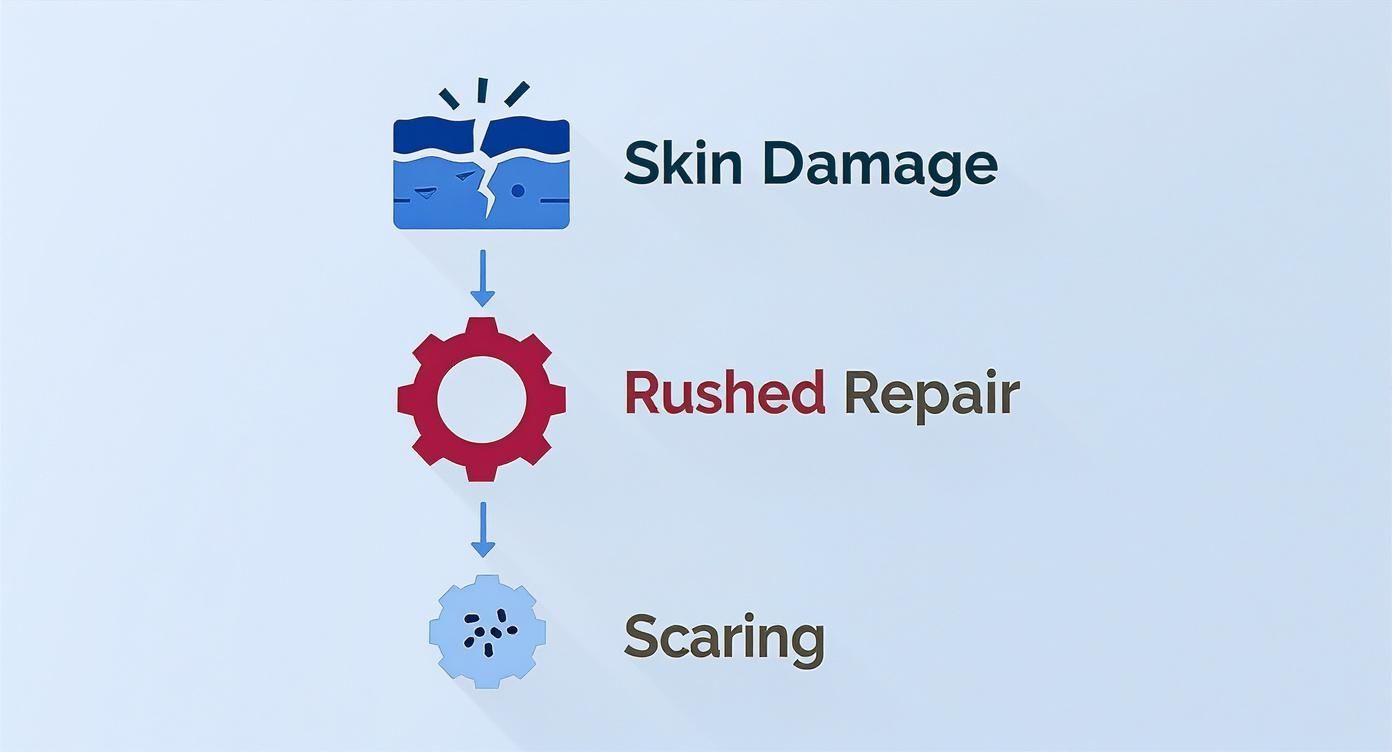
As you can see, scarring isn't just a surface-level issue—it’s the visible result of a flawed internal repair job. Knowing your scar type is what allows a clinician to choose the right tools to fix that specific flaw, whether it means building up new collagen for indented scars or carefully breaking down excess tissue for raised ones. A successful treatment journey always begins with this precise diagnosis.
When it comes to treating acne scars, you don’t always have to jump straight to the most intensive procedures. In fact, some of the most effective methods are minimally invasive, offering a fantastic way to improve skin texture and fade scars with little, if any, real downtime. These treatments are smart—they work with your skin’s own healing abilities, which is why they’re often the perfect starting point for so many people.
This preference for gentler, yet powerful, treatments isn't just a hunch; it's a huge trend. The global market for acne scar treatments is expected to hit about USD 4.67 billion by 2025. This growth is largely fueled by people like you wanting real results without putting their lives on hold. For the nearly 50 million Americans who get acne each year, this shift towards options like chemical peels and microneedling is welcome news. You can get a deeper look at these trends in the full research on the acne scar treatment market.
One of the most fundamental steps for tackling mild scarring and uneven texture is adding a powerful topical agent to your daily routine. This is where retinoids, which are derivatives of Vitamin A, really shine. They are true champions of skin renewal.
Retinoids work by speeding up cell turnover, basically telling your skin to shed old, damaged cells faster to make way for fresh, new ones. This process helps soften the sharp edges of shallow scars and creates a smoother overall look. While over-the-counter retinol is a decent starting point, prescription-strength retinoids like tretinoin are far more potent and deliver much more noticeable improvements. Over time, they also boost collagen production, which helps plump up those minor depressions left by atrophic scars.
Chemical peels are a classic, time-tested approach to skin resurfacing. The best way to think of a peel is as a controlled, highly targeted exfoliation. We apply a specialized chemical solution to the skin, which dissolves the "glue" holding dull, damaged cells to the surface.
As these outer layers peel away, they take the rough texture and discoloration from superficial acne scars with them. This reveals healthier, smoother skin underneath and, just as importantly, triggers a healing response that ramps up new collagen growth. Peels come in a few different strengths:
Choosing the right peel is everything, and it’s a decision that really should be made with a professional. To get a better sense of how peels stack up against another popular option, take a look at our guide comparing microneedling vs chemical peels.
Microneedling, also known as collagen induction therapy, comes at the problem from a different, but equally clever, angle. The principle behind it is simple yet brilliant: we create thousands of tiny, controlled micro-injuries in the skin to kick its natural repair cycle into high gear.
A microneedling device uses extremely fine, sterile needles to create these minuscule channels. Your body sees them as tiny wounds and immediately sends a wave of new collagen and elastin—the very proteins that give skin its strength and bounce—to heal them.
This fresh collagen helps fill in atrophic scars from the bottom up, lifting the depressed tissue and smoothing out the skin's surface. It’s a fantastic treatment for rolling scars and shallow boxcar scars. Since collagen remodeling is a gradual process, a series of treatments is usually needed to see the full, beautiful result.
For an even bigger impact, there’s Radiofrequency (RF) Microneedling. This advanced treatment combines traditional microneedling with radiofrequency energy, delivering gentle heat deep into the dermis through the needles. That added heat dramatically amplifies collagen production and provides a noticeable skin-tightening effect, making it a powerhouse for anyone dealing with both acne scars and a bit of skin laxity. This dual action remodels scar tissue on a much deeper level than microneedling can on its own.
When topical treatments and peels aren't enough to tackle deeper, more stubborn scars, we often bring in the heavy hitters: energy-based devices. These technologies are a huge step up, sending focused energy deep into the skin to rebuild and remodel scar tissue right from the source.
The demand for these powerful solutions is exploding. The global market for these therapies is expected to more than double, jumping from USD 3.89 billion in 2024 to a projected USD 8.11 billion by 2035. This really shows how much both patients and clinicians are relying on these advanced treatments. In fact, North America alone had a market valuation of nearly USD 2.5 billion back in 2023.
Many of the best modern lasers are built on a brilliant concept called fractional technology. Instead of blasting the entire surface of your skin, a fractional laser creates thousands of microscopic treatment zones, leaving the surrounding skin completely untouched.
Think of it like aerating your lawn. You’re not digging up the whole yard—just punching tiny, deep holes that let the entire lawn breathe and regenerate. It’s the same principle. These micro-injuries kickstart a powerful healing process, and the healthy, untouched skin nearby helps speed everything up.
This clever approach makes the treatment much safer and more comfortable, and it dramatically cuts down on recovery time compared to the old, fully ablative lasers. It’s this precision that has made fractional lasers a true cornerstone of modern scar revision.
Laser treatments generally fall into two main camps, each with a different intensity level and recovery timeline. The best one for you really depends on your specific scars, your skin type, and how much downtime your lifestyle allows.
A non-ablative laser is the gentler of the two. It works by heating up the tissue in those tiny columns without actually removing the top layer of skin. That heat is enough to trigger significant new collagen growth deep down, but with very little downtime. You might need a few more sessions to get your final result, but non-ablative lasers are fantastic for moderate scarring or for anyone who can’t take a week off to heal.
An ablative laser, like a fractional CO2 laser, is the more aggressive option. It works by vaporizing the microscopic columns of skin it targets, which physically removes the damaged tissue. This forces your body to produce a massive amount of new, healthy collagen to fill in the gaps.
Ablative lasers can produce some of the most dramatic improvements possible for severe boxcar and rolling scars, often in just one or two treatments. The trade-off for that power is a longer recovery, usually involving several days of redness and healing.
You can learn more about specific technologies like the Splendor X laser system to get a feel for the different platforms available.
It's not all about light. Radiofrequency (RF) energy offers another incredibly effective way to remodel scars. Devices that pair RF with microneedling are a game-changer because they send thermal energy directly into the deeper layers of skin via tiny, insulated needles.
This one-two punch is amazing for atrophic scars. First, the microneedles physically break up the tough, old scar tissue. Then, the radiofrequency energy creates a uniform, deep heat that supercharges collagen and elastin production. This process doesn't just fill in the indented scars; it also tightens the surrounding skin, giving you an overall smoother, firmer look. If you're curious about how this works in practice, our guide on what Morpheus8 treatment is provides a great overview: https://www.ccplasticsurgery.com/blog/what-is-morpheus-8-treatment.
At the end of the day, energy-based devices give us the power to create real, structural change within the skin. By kickstarting this robust collagen-building process, we can significantly reduce the depth and appearance of even the most persistent acne scars.
While resurfacing treatments work wonders on skin texture and tone, some of the most frustrating acne scars are anchored deep below the surface. These stubborn depressions, often left behind by severe inflammation, simply won't respond to surface-level treatments alone. For these, we have to get more direct and address the structural problem.
Think of it as architectural work for your skin. Instead of just polishing the façade, these hands-on methods physically remodel the scar from the inside out. We're not just stimulating collagen; we're physically releasing, lifting, or removing the problematic tissue itself. This clears the way for smoother, healthier skin to take its place and is a critical part of any comprehensive acne scars treatment plan for significant scarring.
For certain indented scars, especially rolling or more shallow boxcar types, the core problem is a simple lack of volume. Dermal fillers provide an elegant and immediate fix. By carefully injecting a substance like hyaluronic acid directly beneath the scar, we can physically lift the depression, bringing it level with the surrounding skin right before your eyes.
This gives you a fantastic visual improvement on the spot, making it a go-to choice for quick results. Beyond just providing physical support, the filler also encourages a bit of new collagen growth over time. While the results are temporary, fillers are a brilliant way to smooth out the skin's landscape, particularly if you have an important event coming up.
Have you ever noticed how some deep, rolling scars look like waves on the skin? That's because they are literally being pulled down from underneath by tough, fibrous bands of scar tissue. These bands act like tiny anchors, tethering the skin’s surface to the deeper layers. No amount of laser resurfacing can fix a scar that's physically held down.
That’s where subcision comes in.
Think of subcision as snipping the ropes on those anchors. We insert a special needle under the skin and use it to gently break up those fibrous tethers. Once the scar is released, the skin is free to pop back up, immediately softening the indentation.
This process does more than just free the scar. It also creates a small space that kicks off a natural wound-healing response, triggering new, healthy collagen to form exactly where you need it most. It's an incredibly powerful technique for rolling scars and often serves as the foundational first step in a more complex treatment plan.
When we're faced with very deep, narrow scars like ice picks, or a few prominent boxcar scars, the most direct and effective route is often surgical. These techniques offer a permanent solution by completely removing the damaged scar tissue, allowing the area to heal in a much more controlled and cosmetically appealing way.
In my experience, these specialized techniques are rarely used in isolation. The most dramatic and lasting improvements come from a thoughtfully layered approach. A truly effective plan might start with subcision to release those tethered scars, followed by a series of RF microneedling or laser sessions to build up collagen and refine the surface texture.
For a patient with a mix of scar types, we might perform punch excisions on a few deep ice pick scars, use filler to lift some rolling scars, and then treat the entire face with a fractional laser for overall smoothness. This strategy lets us use the best tool for each specific job, creating a powerful synergy that delivers a much more uniform and satisfying final result.
Getting real, lasting improvement in your skin's texture isn't about finding a single magic bullet. It’s about a smart, step-by-step approach we develop together. A truly effective acne scars treatment plan is built from the ground up, combining different methods to target your specific scar types, skin tone, and what you hope to achieve.
Everything starts with a detailed consultation. This is where we do more than just glance at your skin; we perform a thorough assessment to identify the mix of ice pick, boxcar, or rolling scars you have. We also take into account your skin's overall health and even your lifestyle to make sure the therapies we recommend are a good fit.
Think of your treatment plan as a blueprint for restoring your skin. It’s designed to go after the root cause of your scars—whether that means releasing tethered tissue, rebuilding lost collagen, or resurfacing the top layer of skin. Often, the best results come from layering treatments in a logical sequence.
For instance, a common multi-step plan might unfold like this:
This kind of layered strategy ensures we’re not just chasing symptoms. We’re methodically correcting the underlying structural problems for a result that looks and feels genuinely smooth and natural.
It's so important to understand that transforming scar tissue takes time. While some treatments show an immediate difference, the most significant changes happen over several months as your body builds new, healthy collagen. Patience really is part of the process.
Your commitment to aftercare is just as crucial as the procedures themselves. Sun protection is completely non-negotiable. UV rays can darken healing skin and undo all our hard work, so a broad-spectrum SPF of 30 or higher needs to become a daily habit, rain or shine.
Similarly, preventing new breakouts is key to stopping new scars from forming. As part of your plan, we'll guide you on choosing makeup and skincare that won't clog your pores. You can find some great options among leading non-comedogenic cosmetic brands.
The demand for these treatments is growing fast. The global acne scar treatment market was valued at around USD 1.2 billion in 2023 and is only expected to grow as therapies get better and better. Here at Cape Cod Plastic Surgery, our job is to guide you through this process with expertise and care, creating a clear path toward the confident skin you deserve.
When you're looking into fixing acne scars, it's natural to have a lot of questions. Getting clear, straightforward answers is the first step toward feeling confident about your treatment plan. Here are some of the most frequent things patients ask us.
This is probably the most common question we get, and the answer really depends on the treatment we choose. There’s no single timeline.
For instance, if we use dermal fillers, you'll see a change right away. The filler immediately lifts the indentation, making the scar much less noticeable before you even leave the office.
But for treatments that work by kickstarting your skin's own collagen production—think microneedling or certain lasers—the process is more of a slow burn. You might see some initial improvements within a few weeks, but the real magic happens over 3-6 months as that new, healthy collagen matrix builds up from below. For a more powerful approach like CO2 laser resurfacing, you'll see a dramatic improvement after just one session, but the final, refined result will continue to develop as your skin heals.
We take every step to make sure you're comfortable. For procedures like microneedling or fractional laser treatments, we start by applying a potent topical numbing cream to the skin. This makes a huge difference.
Most people say the feeling is more of a mild warmth or a light prickling sensation—unusual, but definitely tolerable. If we decide on a more intensive treatment, we'll walk you through all the pain management options during your consultation to find what works best for you. Your comfort is paramount.
It's important to set the right expectations from the start. The goal with modern acne scar treatment is significant improvement, not perfect, flawless skin. A realistic target is achieving a 50-80% reduction in how visible the scars are, which can be a life-changing result for skin texture and self-confidence.
Ultimately, the best outcomes almost always come from a personalized plan that combines a few different techniques. This multi-pronged approach is what truly delivers that smoother, more even-toned skin you're looking for.
At Cape Cod Plastic Surgery, our entire focus is on creating a plan tailored specifically to your skin and your goals. Schedule your consultation today and let's start the journey toward clearer, more confident skin together.
October 7, 2026
A Practical Guide to Healing After Breast Surgery

October 6, 2026
Your Safety Guide: What to Look for When Choosing a Plastic Surgeon
October 5, 2026
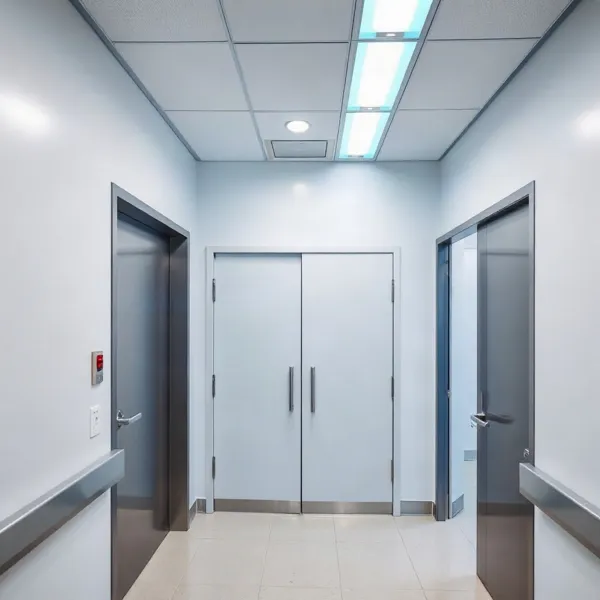
Why Our On-Site Accredited Facility Matters for Your Safety
Cape Cod Plastic Surgery offers expert cosmetic and reconstructive procedures in a safe, accredited setting. Led by Dr. Marc Fater, we combine advanced techniques with personalized care to help you look and feel your best.
Monday: 9:00 AM – 5:00 PM
Tuesday: 9:00 AM – 5:00 PM
Wednesday: 9:00 AM – 5:00 PM
Thursday: 9:00 AM – 5:00 PM
Friday: 9:00 AM – 5:00 PM