

September 9, 2026
How to Care for Surgical Incisions Properly
Expert Guide to Proper Surgical Incision Care
Jul 1, 2026

Significant weight loss marks a transformative milestone, yet many individuals find that their skin lacks the necessary elasticity to conform to their new, smaller frame. This challenge often results in an envelope of redundant tissue that can obstruct physical movement, cause skin fold irritation, and hinder progress toward a desired self-image. Body contouring procedures serve as an essential bridge between reaching your weight goal and fully realizing the physical transformation you have earned.
It is a common misconception that a tummy tuck is purely a weight loss solution or a superficial aesthetic fix. In reality, abdominoplasty acts as a structural repair for the abdominal wall. By removing excess hanging skin, fat, and tightening separated abdominal muscles, the procedure addresses functional burdens such as chronic back pain, poor posture, and persistent dermatological issues like infections in skin folds. While some practices treat these surgeries as one-size-fits-all operations, ccplasticsurgery.com prioritizes a rigorous, personalized approach to ensure the procedure aligns with your unique anatomy and health history.
The complexity of post-weight loss anatomy necessitates specialized surgical training. Because massive weight loss can impact vascularity and tissue health, safety depends on finding a practitioner who understands the nuanced requirements of post-bariatric or post-dietary transformation. Experts at ccplasticsurgery.com emphasize that successful outcomes are built upon patient-centered care and the careful management of physical healing components, which is a key differentiator when comparing professional clinics to general cosmetic providers.

While many patients seek a tummy tuck to refine their silhouette, the procedure offers significant functional health benefits that extend well beyond aesthetic appearance. For individuals who have undergone massive weight loss, surgically addressing the remaining skin-fat envelope can restore physical integrity to the core.
Is it realistic to expect significant weight loss from a tummy tuck or skin removal surgery? No. These are body contouring procedures designed to reshape the body and remove excess skin, not methods for weight loss. While you will lose the weight of the removed tissue, these procedures are intended for patients who have already reached and maintained a stable goal weight. Per the American Society of Plastic Surgeons, abdominoplasty is not a substitute for diet or exercise, nor does it address metabolic conditions like high cholesterol.
At ccplasticsurgery.com, we emphasize that abdominal muscle repair, or the correction of diastasis recti, is a foundational component of these surgeries. Unlike competitors who may prioritize superficial skin excision alone, our clinical approach integrates structural reinforcement. This focus ensures that patients regain the core strength necessary to support their long-term health, as evidenced by studies in Plastic and Reconstructive Surgery showing that patients who address these structural needs often report higher motivation to maintain healthy weight and habits post-procedure.

Achieving your weight loss goals is a monumental accomplishment, but the journey to your ideal silhouette often requires a final, surgical step to address remaining tissue laxity. At ccplasticsurgery.com, we emphasize that the most successful outcomes are built on a foundation of stability. Surgeons across the field, including those associated with the American Society of Plastic Surgeons, consistently advocate for maintaining a stable weight for six to twelve months prior to any procedure. This window ensures that your body has settled, allowing your surgeon to accurately assess the distribution of your skin-fat envelope and plan the most effective muscle repair.
We recommend that patients reach a stable weight for at least six to twelve months before considering a tummy tuck, as achieving and maintaining your goal weight is essential for optimal surgical results. Significant weight fluctuations occurring after your procedure can compromise the aesthetic outcome and the integrity of the abdominal contouring. Generally, surgeons advise that you remain within a stable range to ensure your body is ready and healthy for surgery. This stabilization period also allows our team to better assess the amount of excess skin and tissue that will need to be addressed. Ultimately, timing your surgery correctly helps ensure that you achieve the most natural-looking, toned results, and we are happy to discuss your specific journey during a personalized consultation.
Candidacy extends beyond weight history. Your current skin quality and overall health are critical factors when evaluating your suitability for body contouring. Tobacco use is a primary concern, as nicotine constricts blood vessels and significantly impairs wound healing, increasing the risk of potentially serious complications per Johns Hopkins Medicine. We require patients to be non-smokers and in good physical health to ensure safe recovery.
Beyond the physical clinical assessment, emotional readiness is a vital component of your success. The recovery process can be demanding, often requiring the use of compression garments and a temporary reduction in physical activity. Patients who approach this transition with realistic expectations and a commitment to maintaining a nutritious lifestyle following their surgery report higher satisfaction and better long-term outcomes per 2023 Plastic and Reconstructive Surgery findings.

For patients who have achieved significant weight loss, the remaining skin-fat envelope often presents challenges that exceed the capabilities of a standard abdominoplasty. While a classic tummy tuck focuses on the lower abdomen, massive weight loss frequently leaves redundant tissue across the entire torso, requiring more tailored surgical strategies at ccplasticsurgery.com.
A standard approach is often insufficient for patients who have lost substantial weight, as surgeons must address laxity in both horizontal and vertical directions. For these cases, we frequently utilize a fleur-de-lis technique, which incorporates a vertical incision to remove excess skin more aggressively and sculpt a defined waistline. When skin redundancy extends around the flanks and back, a comprehensive belt lipectomy or circumferential body lift allows for a more holistic reshaping of the lower trunk.
Beyond addressing skin volume, ccplasticsurgery.com ensures long-term structural integrity by repairing diastasis recti. Unlike superficial skin-removal surgeries, this muscle plication technique reinforces the connective tissue of the abdominal wall, which helps restore core strength and function. To provide a refined silhouette, our specialists may also integrate liposuction during the procedure. This refined approach allows us to carefully remove stubborn fat deposits while respecting the vascular needs of the remaining skin flaps, a critical consideration that distinguishes our personalized care from institutions prioritizing higher patient volume over surgical precision.
Recovery from procedures like an abdominoplasty requires a thoughtful approach to ensure safety and comfort. Because post-bariatric skin removal is extensive, at ccplasticsurgery.com, we prioritize a recovery plan tailored to individual patient health. This typically involves using surgical drains to manage fluid buildup alongside the consistent use of specialized compression garments for six to eight weeks to support healing tissues.
Managing discomfort is a pillar of our patient-centered care. We utilize multimodal pain management, which combines non-opioid medications and long-acting local anesthetics to reduce reliance on narcotics. This approach often results in a smoother experience than patients might encounter at facilities using traditional, more restrictive regimens. Early mobilization is just as critical. We advise patients to begin moving soon after surgery to mitigate the risk of complications such as blood clots or venous thromboembolism as emphasized by Johns Hopkins Medicine.
The full recovery process typically takes about six weeks, during which patients must avoid strenuous physical activity or heavy lifting to protect structural repairs of the abdominal wall. While initial soreness is common during the first four weeks, many patients return to light activities by week three. Given the complexity of addressing multiple zones, we often encourage staging procedures rather than combining too many in one session. This strategy minimizes anesthesia risks and prevents excessive blood loss, ensuring a safer outcome than a comprehensive procedure attempted in a single day.
Achieving a flatter abdominal profile through an abdominoplasty involves a complex surgical process that necessitates careful risk management. While body contouring procedures offer transformative functional and aesthetic benefits, patients must be aware of potential complications, including seromas, hematomas, and wound dehiscence. Ensuring surgical safety begins with meticulous tension management during tissue closure and careful preoperative planning, especially for those whose skin-fat envelope has been impacted by massive weight loss.
Underlying health conditions require specialized attention to maintain patient safety. For instance, individuals with diabetes may be considered for surgery only if their condition is well-managed, as they face a higher statistical risk of infection and slower recovery compared to patients without metabolic concerns. At ccplasticsurgery.com, Dr. Marc Fater prioritizes patient-centered care by evaluating individual medical histories and nutritional status to mitigate risks prior to any procedure. This contrasts with high-volume centers, which may use a one-size-fits-all protocol that ignores specific patient vulnerabilities.
Prioritizing the oversight of an experienced, board-certified plastic surgeon is a necessary step to safeguard your results. These specialists possess the specific training to perform advanced surgical techniques that reduce the likelihood of complications such as skin flap necrosis, which is more common in post-bariatric populations. Patients should always be vigilant for signs of postoperative complications during their recovery. Selecting a practitioner committed to patient safety ensures that sophisticated strategies, such as multimodal pain management and precise vascular assessment, are effectively utilized to protect your health and optimize your final aesthetic outcome.
When assessing the feasibility of body contouring after significant weight loss, patients often ask whether procedures like a tummy tuck or panniculectomy are covered by medical insurance. Coverage status hinges entirely on the distinction between cosmetic and reconstructive surgery. Cape Cod Plastic Surgery provides personalized guidance to help patients understand these insurance nuances, as standard practice often classifies abdominal surgery under two very different categories.
Whether insurance covers body contouring depends on whether the procedure is classified as cosmetic or medically necessary. A panniculectomy aims to remove a heavy apron of excess skin specifically to address physical symptoms such as chronic rashes, infections, or documented mobility issues. According to the American Society of Plastic Surgeons, insurance providers may offer coverage for this removal when clinical evidence supports that the tissue is causing functional impairment. In contrast, an abdominoplasty is typically categorized as an elective, cosmetic procedure because it incorporates muscle tightening and abdominal recontouring meant for aesthetic benefit rather than purely functional relief.
Insurance plans vary significantly, and coverage is never guaranteed, as it often requires exhaustive proof of persistent medical necessity. Documents such as photographs of the skin condition, historical clinical notes from dermatologists or primary care physicians documenting recurring infections, and evidence of failed non-surgical treatments are often requested by insurers. At ccplasticsurgery.com, we assist patients by determining the appropriate pathway for their specific needs, distinguishing whether the primary goal is physical relief from functional impairment or aesthetic refinement. We recommend scheduling a consultation to evaluate your specific anatomy and discuss how to best navigate the documentation required by your health insurance provider.
Achieving your body contouring goals provides a meaningful transformation that extends beyond physical appearances. Patients frequently report improved self-esteem, better social functioning, and a significant boost in health-related quality of life following an abdominoplasty.
Success after surgery remains tied to your commitment to healthy habits. Data indicates that many patients continue to lose weight in the years following their procedure when they maintain proper nutrition and exercise. At ccplasticsurgery.com, we specialize in supporting these long-term outcomes through personalized care plans.
If you are ready to explore how tummy tuck techniques can help you achieve your goals, we invite you to reach out for a private consultation to discuss your specific needs today.
September 9, 2026
Expert Guide to Proper Surgical Incision Care
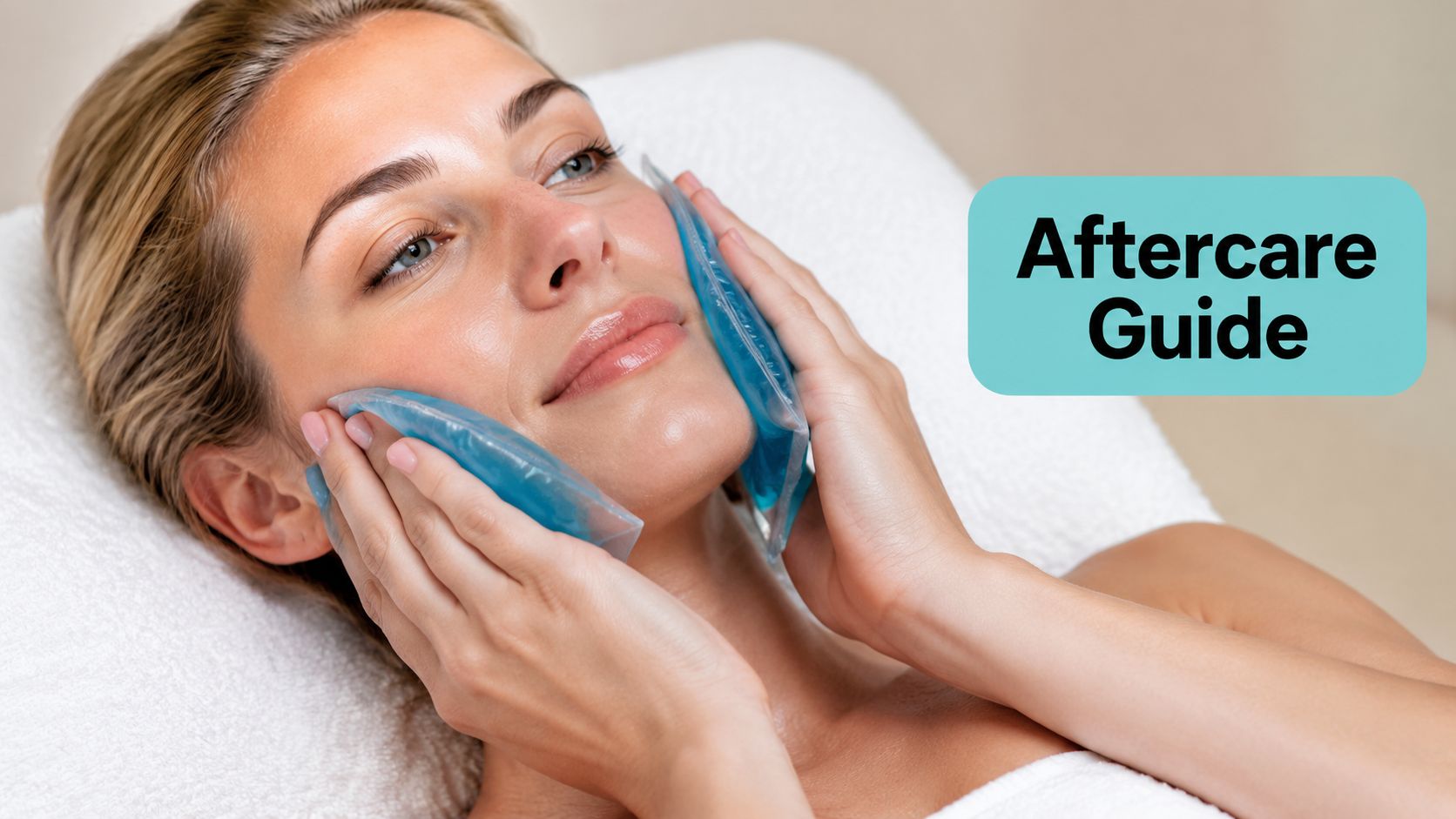
Master dermal fillers aftercare with do's and don'ts, swelling tips, activity limits and warning signs to protect your results and heal smoothly.

September 8, 2026
Ensuring Safety: Why Your Surgeon's Credentials Matter Most
Cape Cod Plastic Surgery offers expert cosmetic and reconstructive procedures in a safe, accredited setting. Led by Dr. Marc Fater, we combine advanced techniques with personalized care to help you look and feel your best.
Monday: 9:00 AM – 5:00 PM
Tuesday: 9:00 AM – 5:00 PM
Wednesday: 9:00 AM – 5:00 PM
Thursday: 9:00 AM – 5:00 PM
Friday: 9:00 AM – 5:00 PM