
September 9, 2026
How to Care for Surgical Incisions Properly
Expert Guide to Proper Surgical Incision Care
Mar 30, 2026
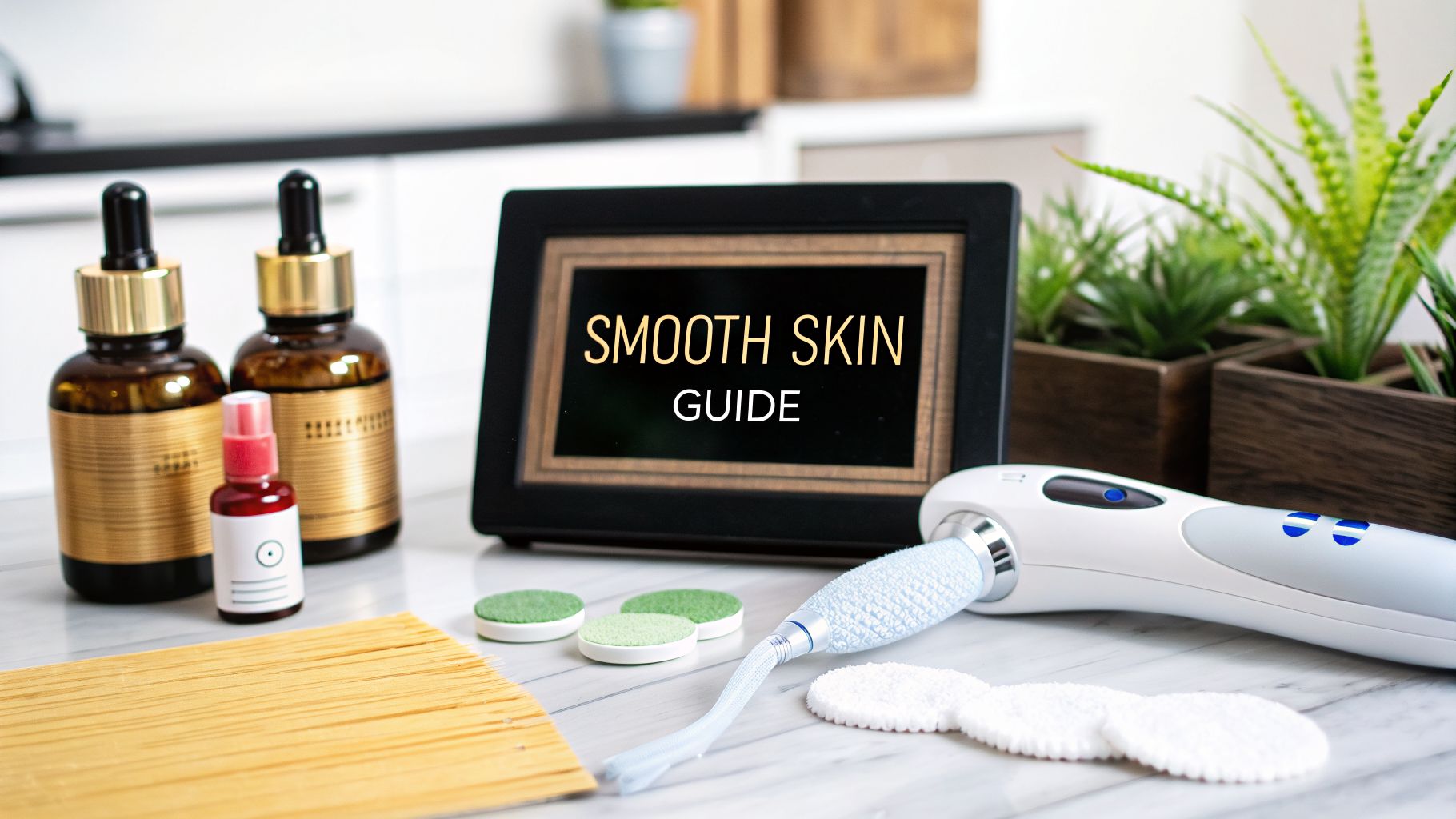
Uneven skin texture, from enlarged pores and acne scars to fine lines and general roughness, can be a persistent source of frustration. While countless products promise a flawless finish, achieving truly smooth, radiant skin often requires a more targeted and professional approach. The journey to a refined complexion is not about finding a single magic bullet; it's about understanding the powerful, clinically-proven options available to address your specific concerns.
Finding the best treatment for skin texture means identifying the one perfectly matched to your unique concerns, skin type, and aesthetic goals. This guide demystifies the most effective in-office procedures and at-home regimens, providing the detailed insights you need to make an informed decision. We will move beyond surface-level advice to give you a clear roadmap.
Here, we will break down the leading solutions, including:
For each treatment, we'll detail what it treats best, who makes a good candidate, typical costs, and realistic recovery timelines. This information is designed to empower you to partner with a trusted expert, like the team at Cape Cod Plastic Surgery, and build a customized plan. For a comprehensive overview of maintaining overall skin health and achieving texture perfection, explore our guide to essential skin care. Now, let’s explore the path to the beautiful, touchable skin you deserve.
Microneedling, also known as collagen induction therapy, is a minimally invasive procedure that stands as one of the best treatments for skin texture improvement. It operates on a simple yet effective principle: creating thousands of controlled micro-injuries in the skin using ultra-fine, sterile needles. This process triggers the body's natural wound-healing response, leading to a cascade of cellular regeneration and, most importantly, the production of new collagen and elastin. These proteins are the fundamental building blocks of firm, smooth, and youthful skin.
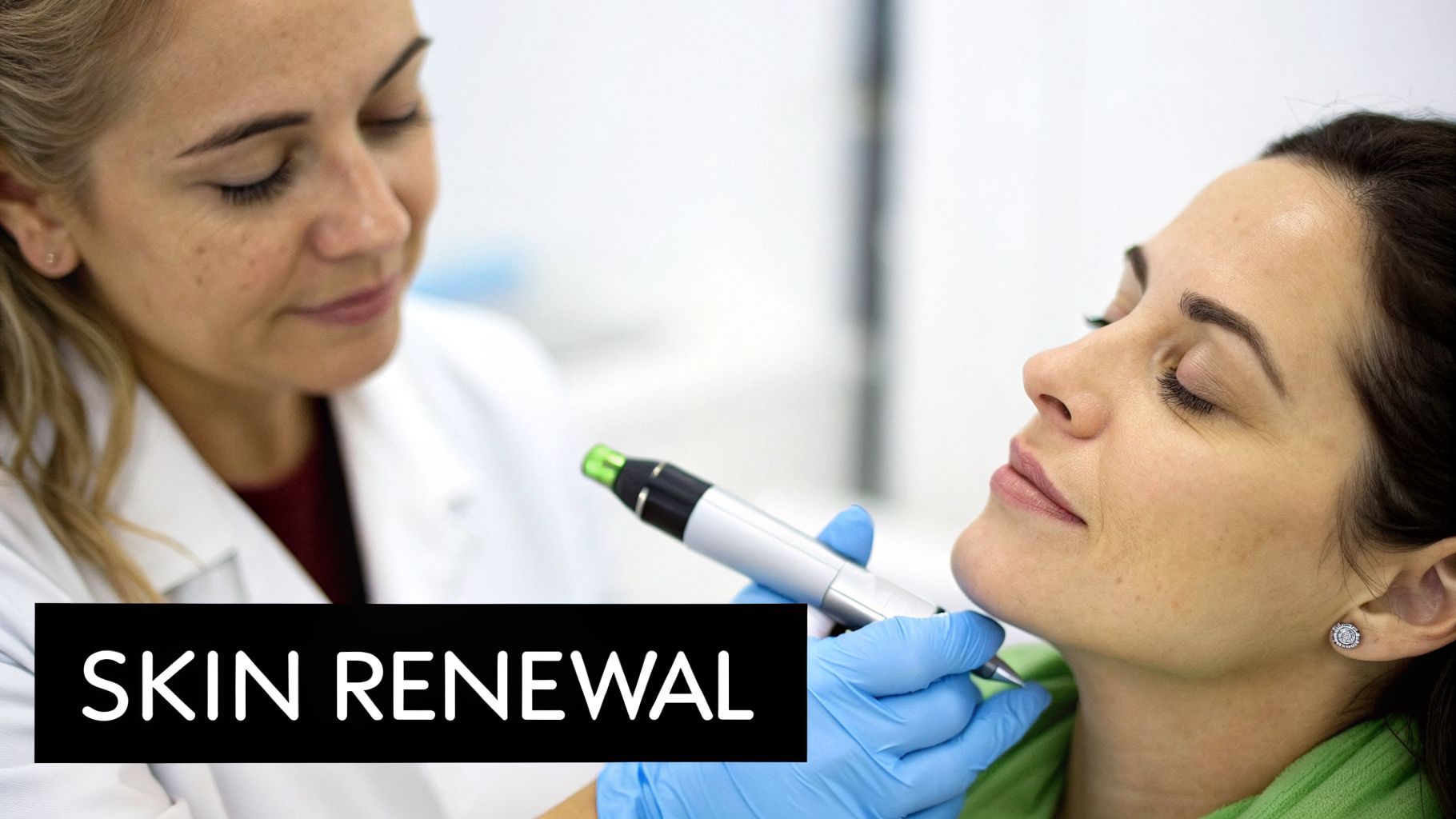
The result is a noticeable refinement of the skin’s surface. By rebuilding the skin from within, microneedling is highly effective for addressing a range of textural concerns.
This procedure is particularly adept at correcting irregularities that other treatments may struggle with. It is an excellent choice for:
To further amplify these outcomes, some treatments integrate Platelet-Rich Plasma (PRP) drawn from your own blood, exploring the synergistic Microneedling with PRP benefits for skin rejuvenation.
Expert Insight: Microneedling is valued for its versatility and safety across all skin types, including darker skin tones, as it carries a lower risk of post-inflammatory hyperpigmentation compared to some laser treatments.
At Cape Cod Plastic Surgery, we can also combine this powerful therapy with Platelet-Rich Fibrin (PRF) for an even greater regenerative effect. You can discover more about our microneedling with PRF treatments to see how this combination accelerates healing and boosts results. A series of 3-6 sessions, spaced 4-6 weeks apart, is typically recommended for achieving significant and lasting improvements.
Chemical peels are a time-tested and powerful method for improving skin texture. This treatment involves the application of a specialized acidic solution to the skin, which works to carefully remove the damaged outer layers. This controlled exfoliation accelerates cell turnover, revealing the newer, healthier skin underneath and stimulating new collagen growth for a smoother, more radiant complexion.
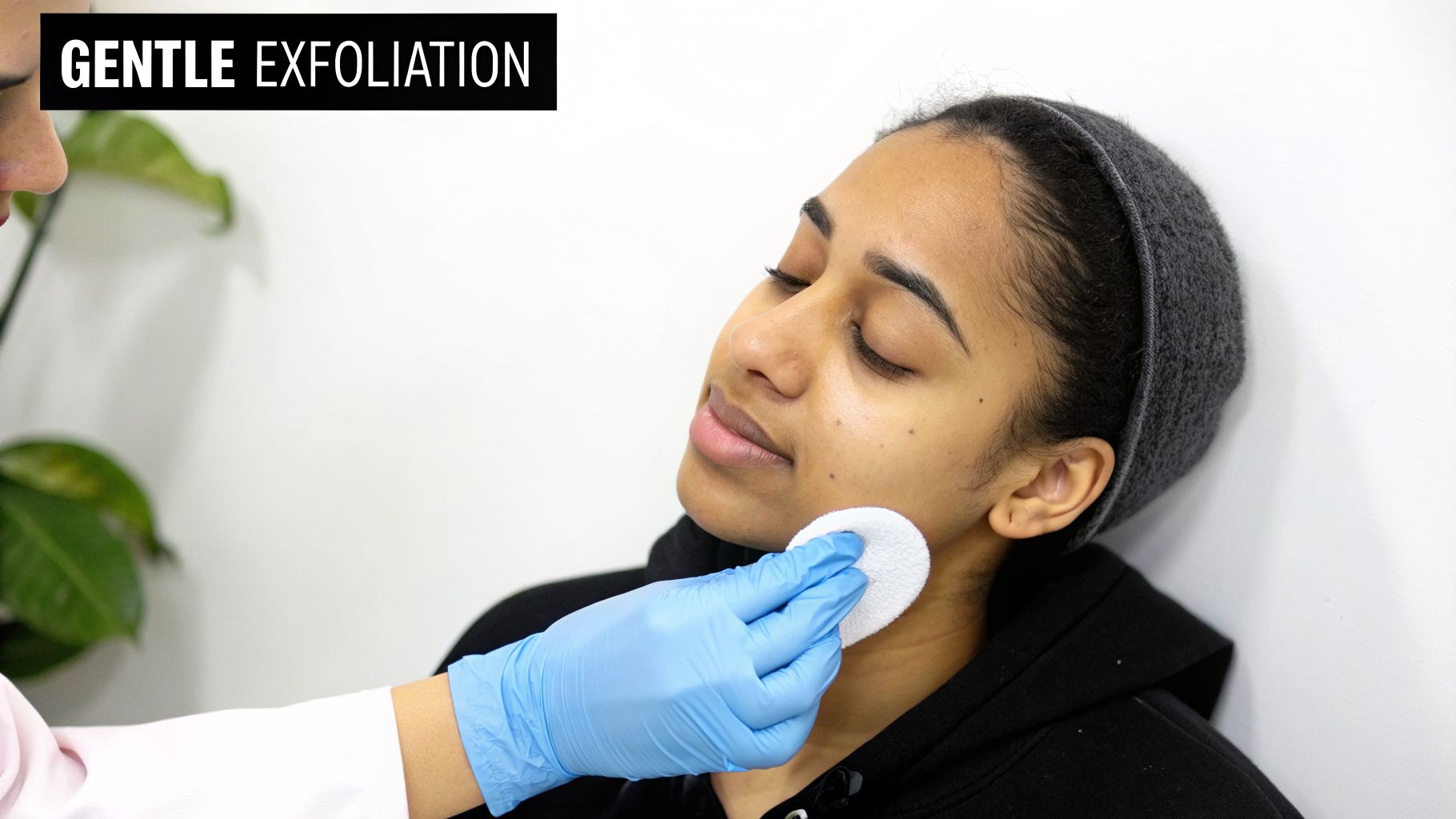
By varying the type and concentration of the acid-like glycolic, salicylic, or trichloroacetic acid (TCA)-peels can be customized from light (superficial) to deep, making them a versatile option for addressing a wide spectrum of textural issues. This makes them one of the best treatments for skin texture available.
Peels are excellent for providing a comprehensive surface renewal. They are particularly effective for:
Many patients also find that peels help with pore appearance. To understand more about this specific benefit, you can read about how a chemical peel can improve the look of large pores and refine skin texture.
Expert Insight: It is crucial to follow a practitioner’s pre- and post-peel instructions diligently. Avoiding retinoids before a peel and committing to strict sun protection afterward is essential for preventing complications and ensuring optimal results.
At Cape Cod Plastic Surgery, we offer a range of medical-grade peels, including the popular Obagi Blue Peel and VI Peel. A series of treatments is often recommended, scheduled several weeks apart, to achieve the most significant and lasting textural improvements.
Laser resurfacing represents a powerful and precise approach for achieving dramatic improvements in skin texture. This technology uses focused beams of light energy to target and treat damaged skin. The process works in one of two ways: ablative lasers (like CO2 or Erbium) vaporize the outermost layers of damaged skin, while non-ablative lasers (like Fraxel) heat the underlying dermal tissue without removing the surface. Both methods stimulate a profound collagen remodeling process, resulting in smoother, tighter, and more youthful skin.
This controlled thermal effect removes old, irregular cells and triggers the body's natural healing response to generate fresh, healthy skin. The precision of laser technology makes it one of the best treatments for skin texture, especially for more significant concerns.
Laser treatments are highly effective for correcting deep-set textural issues and signs of aging. They are an excellent option for:
Expert Insight: The choice between ablative and non-ablative lasers depends on your specific goals and tolerance for downtime. Ablative lasers deliver more dramatic results in a single session but require a longer recovery, while non-ablative lasers offer a gradual improvement with minimal downtime over a series of treatments.
At Cape Cod Plastic Surgery, our specialists will guide you to the most appropriate laser technology for your unique skin concerns. We emphasize a comprehensive post-treatment protocol, including diligent sun protection with medical-grade SPF 50+ sunscreen and gentle skincare to protect your investment and ensure optimal healing. Typically, multiple sessions spaced 6-8 weeks apart may be needed to achieve the desired outcome, particularly with non-ablative devices.
Radiofrequency (RF) microneedling elevates traditional microneedling by introducing thermal energy deep into the skin's dermal layers. This dual-action treatment combines the physical micro-injuries from sterile needles with the targeted heat of radiofrequency. The process not only stimulates the body's natural wound-healing response but also causes existing collagen fibers to contract and triggers a much more robust production of new collagen and elastin. This makes it an exceptional choice for those seeking the best treatment for skin texture with added skin-tightening benefits.
The result is a profound remodeling of the skin from the inside out. By delivering energy directly to the deeper layers where collagen is formed, RF microneedling achieves significant textural improvement and skin firming with minimal damage to the skin's surface, which means less downtime.
This advanced procedure is highly effective for more pronounced textural and laxity concerns, offering dramatic rejuvenation. It is an excellent choice for:
Expert Insight: RF Microneedling devices like Morpheus8 allow practitioners to customize the needle depth and energy level, making it a precise and powerful treatment for targeting specific concerns on both the face and body. This level of control ensures optimal results for each patient's unique skin condition.
At Cape Cod Plastic Surgery, our team uses the Morpheus8 system to help patients achieve their skin goals. You can learn more about our Morpheus8 microneedling treatments and see how this technology delivers superior textural and tightening outcomes. For best results, a series of 3-4 treatments spaced 4-6 weeks apart is often recommended.
While often associated with restoring volume, dermal fillers are also a powerful tool for improving skin texture. These injectable substances are expertly placed beneath the skin to smooth irregularities, fill depressions, and hydrate the skin from within. This makes them one of the best treatments for skin texture, particularly for issues tied to volume loss or deep-set creases. Fillers fall into two main categories: hyaluronic acid (HA) fillers like Juvederm and Restylane, which provide immediate hydration and plumping, and biostimulatory fillers like Sculptra and Radiesse, which encourage your body's own collagen production for gradual, long-lasting improvements.
The immediate plumping effect of HA fillers can instantly smooth out textural problems, while biostimulatory fillers offer a more profound, natural-looking refinement over time. By rebuilding the skin's underlying support structure, these treatments address texture at its source, leading to a smoother and more supple surface.
Fillers are exceptionally versatile and can be tailored to address specific textural and contour-related concerns. They are an excellent choice for:
For a comprehensive approach, fillers can be combined with other procedures like microneedling to address both deep volume deficits and superficial irregularities.
Expert Insight: The choice of filler is critical. A thinner, more flexible filler is ideal for superficial textural improvement, while a thicker, more robust filler is better suited for deep structural support. A skilled injector understands how to layer different products for the most natural and effective result.
At Cape Cod Plastic Surgery, our experienced injectors, including Dr. Marc Fater, are experts in selecting and placing the right filler to achieve your specific goals. We offer a complete range of leading brands, including Juvederm, Restylane, Sculptra, and Radiesse. A typical treatment plan involves an initial injection followed by maintenance sessions every 6 to 18 months, depending on the product used and the area treated.
Subcision is a specialized surgical technique designed to treat depressed scars and deep-set wrinkles by releasing the fibrous tethers that pull the skin downward. A small, sterile needle or cannula is inserted beneath the skin's surface to manually break up these fibrous bands. This action alone allows the depressed skin to lift, but when combined with dermal fillers like Restylane or Juvederm, the procedure provides both immediate structural support and long-term collagen stimulation. This dual-action approach makes it one of the best treatments for skin texture issues involving deep indentations.
By severing the scar tissue and placing a filler underneath, the skin is physically elevated and prevented from re-tethering. The filler not only provides an instant lift but also encourages new collagen to form in the area, leading to more durable and natural-looking textural improvement.
This combination therapy is a powerful solution for stubborn textural problems that do not respond to surface-level treatments. It is an excellent choice for:
Expert Insight: Subcision is a technique-dependent procedure where the skill of the practitioner is paramount. When performed correctly, especially with fillers, it offers a definitive solution for scars that are otherwise very difficult to treat. Significant bruising is a common and expected part of the healing process.
To achieve the best results, it's crucial to plan for the associated downtime. Expect significant bruising and swelling that typically resolves within one to two weeks. Patients should avoid blood thinners, such as aspirin and certain supplements, before and after the procedure to minimize this. A series of treatments, spaced about 6-8 weeks apart, may be recommended to build upon the collagen stimulation and achieve optimal correction.
Professional-strength retinoids, derivatives of vitamin A, are a cornerstone for achieving smoother, healthier skin and stand as a top-tier at-home treatment for skin texture. Unlike over-the-counter options, prescription-grade formulas like Tretinoin and Adapalene work on a cellular level to dramatically accelerate skin cell turnover. This rapid regeneration pushes old, rough, and damaged cells to the surface where they are shed, revealing the newer, more uniform skin underneath. At the same time, retinoids stimulate the production of new collagen, which adds firmness and structure to the skin.
This dual-action mechanism is what makes professional retinoids so powerful. By clearing away textural irregularities and rebuilding the skin’s foundational support system, they offer both corrective and preventative benefits for a wide array of skin concerns, making them a foundational part of any serious skincare regimen aimed at improving texture.
Prescription retinoids are workhorses in dermatology, valued for their ability to address multiple issues simultaneously. They are an excellent choice for:
Expert Insight: The key to success with professional-strength retinoids is consistency and patience. The initial phase, known as "retinization," can involve dryness and peeling, but this subsides as your skin adapts. Following a careful introduction protocol is crucial for minimizing irritation and maximizing long-term results.
Starting a professional retinoid requires guidance. We typically advise patients to begin with a low concentration (e.g., 0.025% Tretinoin) and apply it only two nights a week, gradually increasing frequency as tolerated. Using a pea-sized amount on dry skin and applying a high-quality moisturizer is essential. Daily use of a broad-spectrum SPF 50+ is non-negotiable, as retinoids make the skin more sensitive to the sun. With consistent use over several months, the skin becomes noticeably smoother, clearer, and more resilient.
Platelet-Rich Plasma (PRP) Therapy is a cutting-edge regenerative treatment that uses the healing power of your own body to improve skin texture. The procedure involves drawing a small amount of your blood, processing it in a centrifuge to concentrate the platelets, and then reintroducing this "liquid gold" into the skin. These platelets are rich in growth factors that act as messengers, signaling skin cells to regenerate and produce new collagen and elastin.
This biological boost significantly enhances the skin's natural repair mechanisms. When injected directly or applied topically during a microneedling session (famously known as the 'vampire facial'), PRP supercharges the rejuvenation process. The result is accelerated healing and a profound improvement in skin quality, making it one of the best treatments for skin texture available today.
PRP is valued for its ability to amplify the results of other procedures and provide deep, cellular-level renewal. It is particularly effective for:
Expert Insight: PRP is a biocompatible and safe option for almost any patient because it uses their own biological material. This eliminates the risk of allergic reactions or rejection, making it an excellent choice for those seeking a natural approach to skin enhancement.
At Cape Cod Plastic Surgery, we combine PRP with microneedling to maximize textural improvements and accelerate recovery. To get the most from your treatment, it's important to hydrate well beforehand and avoid blood-thinning medications or supplements like NSAIDs for 48 hours. A series of 3-4 treatments spaced 4-6 weeks apart is often recommended, with maintenance sessions every 6-12 months to preserve your glowing results.
Sometimes, the best treatment for skin texture is not a single procedure but a thoughtfully designed combination of them. Integrated treatment plans create superior results by layering different modalities that work in concert. This approach allows a practitioner to address multiple skin concerns simultaneously, such as stimulating deep collagen with one method while refining the surface with another. The result is a more profound and complete rejuvenation than one therapy could achieve alone.
At Cape Cod Plastic Surgery, creating personalized protocols is central to our philosophy. We assess your unique skin condition, textural issues, and aesthetic goals to build a multi-step plan that delivers optimal outcomes. This strategic sequencing ensures each treatment builds upon the last, leading to significant and lasting improvements.
This method is ideal for complex or stubborn textural concerns that require a multi-pronged attack. It is especially effective for:
Expert Insight: The key to a successful combination plan is timing. Spacing treatments appropriately, typically 4-8 weeks apart, is critical. This allows the skin adequate time to heal and respond to each procedure, maximizing the cumulative benefit and minimizing risks.
Under the guidance of an experienced provider like Dr. Marc Fater, a customized plan is developed with realistic timelines and expectations. Meticulously following post-treatment protocols for each step is essential for achieving the desired skin transformation.
While professional procedures offer significant correction, a consistent, high-quality skincare regimen is the foundation for achieving and maintaining smooth skin texture. Advanced, medical-grade products are formulated with higher concentrations of evidence-based active ingredients than over-the-counter options. These potent formulations support skin barrier health, amplify the results of in-office treatments, and provide continuous improvement, making them a crucial part of the best treatment for skin texture.
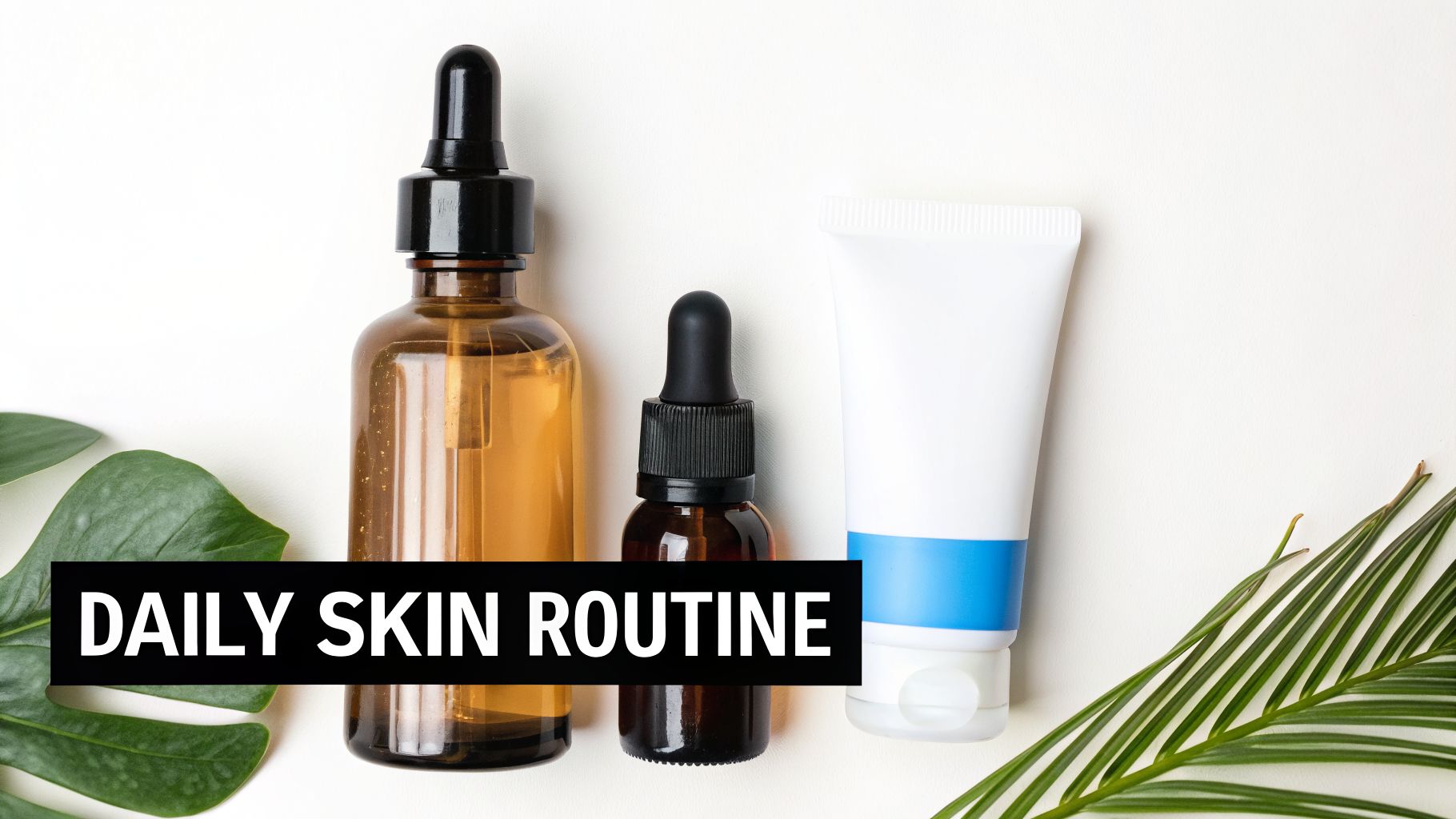
A proper routine delivers key ingredients like vitamins, peptides, hyaluronic acid, and niacinamide directly to the skin. This daily support helps regulate cell turnover, boost hydration, and protect against environmental damage, all of which are essential for a refined complexion.
A professionally guided regimen is fundamental for all skin types and can be customized to target specific textural concerns effectively. It is an excellent protocol for:
A simple yet powerful daily routine can make a substantial difference. For example, an AM routine could include a cleanser, Vitamin C serum, moisturizer, and SPF 50+, while a PM routine might consist of a cleanser, a retinoid, and a nourishing moisturizer.
Expert Insight: Medical-grade skincare is not just about higher percentages of active ingredients; it's about superior formulation, stability, and delivery systems that ensure these ingredients penetrate the skin effectively to produce real, clinical results.
At Cape Cod Plastic Surgery, Dr. Marc Fater recommends and curates regimens from top-tier brands like SkinCeuticals and ZO Skin Health. We guide patients on how to introduce active ingredients gradually, layer products correctly for maximum absorption, and avoid incompatible ingredient combinations to build a routine that truly transforms skin texture.
| Treatment | 🔄 Implementation Complexity | ⚡ Resources & Downtime | ⭐ Effectiveness / Quality | 📊 Expected Outcomes | 💡 Ideal Use Cases |
|---|---|---|---|---|---|
| Microneedling (Collagen Induction Therapy) | Moderate — in‑office device, trained provider | Low–moderate cost; minimal downtime (24–48h); multiple sessions | ⭐⭐⭐ — good for surface texture and pores | Gradual improvement; visible 4–6 weeks; continued gains over 3 months | Atrophic/acne scars, enlarged pores, all skin types seeking non‑surgical renewal |
| Chemical Peels | Low–moderate — variable by peel depth | Low–moderate cost; downtime varies (none to 7–14 days for deep peels) | ⭐⭐⭐ — effective for tone and superficial texture | Faster results (days–weeks); risk of PIH in darker skin with deeper peels | Sun damage, hyperpigmentation, mild acne scarring, surface roughness |
| Laser Resurfacing (Ablative & Non‑Ablative) | High — advanced equipment and specialist training | High cost; ablative 1–2 weeks downtime, non‑ablative minimal | ⭐⭐⭐⭐⭐ — best for significant textural change and deep scars | Significant, long‑lasting remodeling over 3–6 months | Severe atrophic scars, deep wrinkles, extensive sun damage |
| Radiofrequency (RF) Microneedling | Moderate–high — device + practitioner expertise | Moderate–high cost; minimal–moderate downtime (48–72h); 2–4 sessions | ⭐⭐⭐⭐ — superior to standard microneedling for tightening + texture | Noticeable improvement after 2–3 treatments; progressive up to 6 months | Moderate scars, laxity with texture concerns, darker skin types when configured properly |
| Dermal Fillers (HA & Biostimulatory) | Low–moderate — injectable skill required | Moderate cost; minimal downtime (24–48h); maintenance required | ⭐⭐⭐ — immediate smoothing; limited for deep atrophy alone | Immediate volumization; subtler texture improvement; lasts 6–18 months | Volume loss, shallow texture irregularities, adjunct to other treatments |
| Subcision with Fillers | Moderate–high — technique‑sensitive procedure | Moderate cost; bruising common (1–2 weeks); may need repeats | ⭐⭐⭐⭐ — targeted and effective for tethered depressed scars | Immediate mechanical lift + collagen over 6–12 weeks | Rolling/box acne scars, tethered depressed scars needing structural release |
| Retinoid Treatments (Professional‑Strength) | Low — prescription/home regimen with clinician guidance | Low cost; minimal downtime but requires long‑term use; initial irritation | ⭐⭐⭐ — proven for long‑term texture and prevention | Gradual improvement over 8–12 weeks; sustained with adherence | Maintenance, mild texture concerns, pre/post procedural skin preparation |
| Platelet‑Rich Plasma (PRP) Therapy | Moderate — blood draw + processing, practitioner skill | Moderate cost and time; minimal downtime; 3–4 sessions typical | ⭐⭐⭐ — biologic adjunct; best combined with microneedling | Progressive improvement 4–12 weeks; enhanced when combined with other modalities | Adjunct to microneedling/lasers, patients preferring autologous treatments |
| Combination Approaches (Integrated Treatment Plans) | High — strategic sequencing and multidisciplinary planning | Highest cumulative cost and time; variable downtime across modalities | ⭐⭐⭐⭐⭐ — often yields superior, synergistic outcomes | Comprehensive, cumulative improvement over months with optimized protocols | Moderate–severe scarring, complex multi‑issue cases seeking maximal results |
| Advanced Skincare Regimens (Medical‑Grade Products) | Low — tailored homecare with clinician input | Low–moderate ongoing cost; no downtime; requires consistency | ⭐⭐⭐ — essential foundation that enhances procedures | Gradual improvement in barrier and texture (4–12 weeks); maintains results | All patients for maintenance, prevention, and to boost procedural outcomes |
We've explored a powerful lineup of solutions, from the mechanical precision of microneedling to the transformative energy of laser resurfacing. The journey through these ten distinct approaches reveals a fundamental truth: there is no single "best treatment for skin texture" that applies to everyone. Instead, the optimal path is a deeply personal one, built on your unique skin biology, specific concerns, and aesthetic goals.
The true art of skin rejuvenation lies not just in understanding what each treatment does, but in knowing how they can work together. For one person, a series of chemical peels might be the perfect solution for fine lines and surface dullness. For another, addressing deep-set acne scars may require a strategic combination of subcision to release the tethered scar tissue, followed by biostimulatory filler to rebuild volume from within, and finally, fractional laser treatments to smooth the superficial layer.
Mastering your skin texture requires moving beyond isolated treatments and adopting a strategic, long-term perspective. Here are the most critical points to remember from our discussion:
Expert Insight: Think of your skin like a garden. You can't just plant a seed and walk away. It requires the right soil preparation (skincare), targeted intervention for weeds (acne scars or sun spots), and consistent watering and nutrients (maintenance treatments and products). A successful outcome depends on a continuous, well-planned cycle of care.
Armed with this knowledge, your next step is to translate information into action. The sheer number of options can feel overwhelming, but the process becomes clear when you partner with a skilled professional who can guide you. An expert consultation moves you from the "what" (the list of treatments) to the "how" (a specific, sequenced plan just for you).
During a proper evaluation, a board-certified plastic surgeon or experienced aesthetic provider will assess your skin’s elasticity, thickness, and the specific nature of its texture. They will discuss your lifestyle, budget, and tolerance for downtime to create a realistic and achievable roadmap. This personalized strategy is the ultimate best treatment for skin texture because it is designed for you and you alone. It prevents wasted time and money on ineffective procedures and sets you on a direct course to the smooth, radiant skin you deserve.
Achieving a refined complexion is not about chasing a single miracle cure; it is about making a commitment to a well-designed, expert-led process. This investment in your skin's health yields confidence that radiates far beyond the mirror, empowering you to feel comfortable and beautiful in your own skin.
Ready to move from research to results? The team at Cape Cod Plastic Surgery, led by board-certified plastic surgeon Dr. Marc Fater, specializes in creating bespoke plans to address complex skin texture concerns. Schedule your consultation to receive an expert assessment and discover the unique combination of treatments that will deliver your best skin ever.
September 9, 2026
Expert Guide to Proper Surgical Incision Care
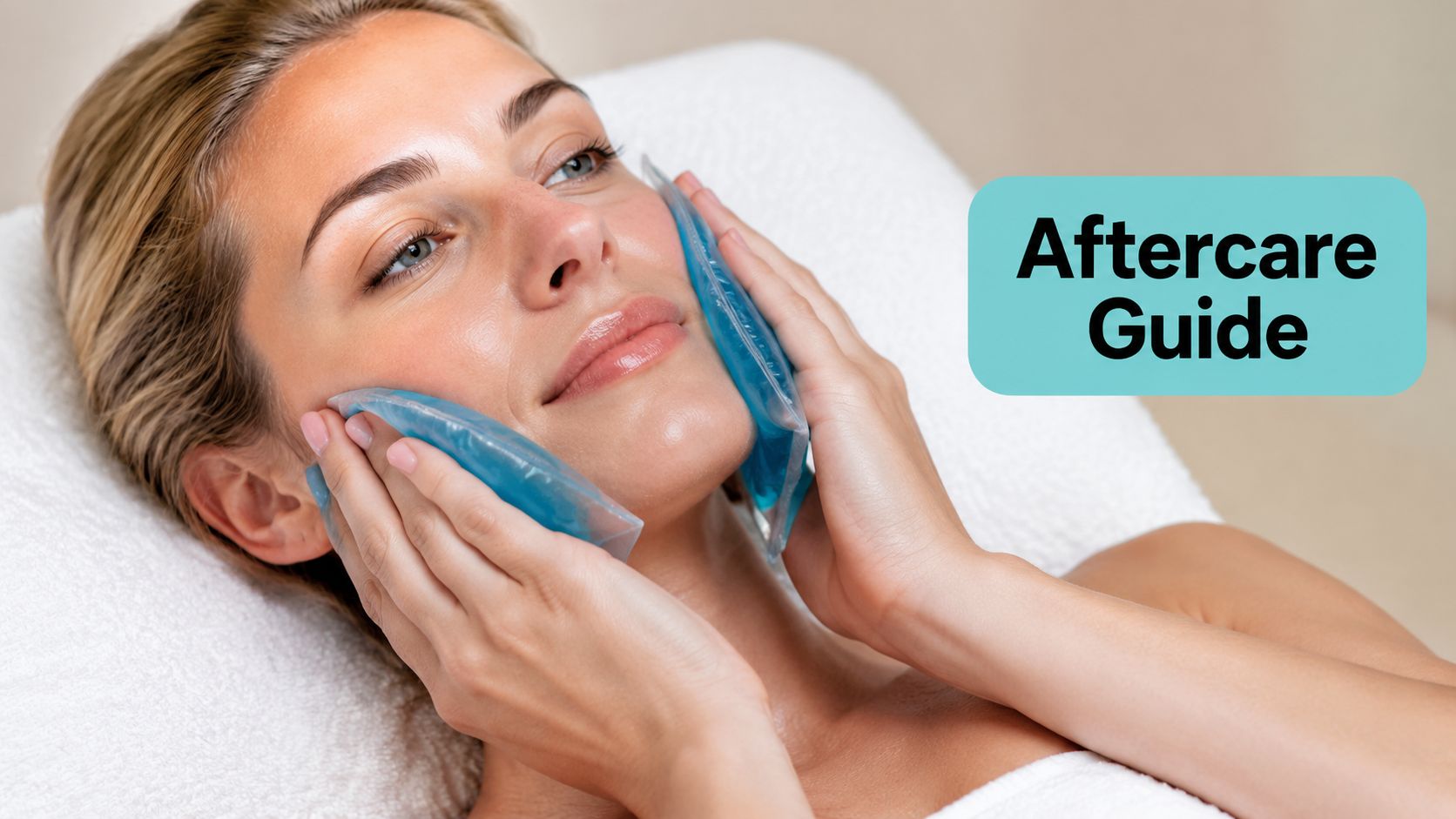
Master dermal fillers aftercare with do's and don'ts, swelling tips, activity limits and warning signs to protect your results and heal smoothly.

September 8, 2026
Ensuring Safety: Why Your Surgeon's Credentials Matter Most

Cape Cod Plastic Surgery offers expert cosmetic and reconstructive procedures in a safe, accredited setting. Led by Dr. Marc Fater, we combine advanced techniques with personalized care to help you look and feel your best.
Monday: 9:00 AM – 5:00 PM
Tuesday: 9:00 AM – 5:00 PM
Wednesday: 9:00 AM – 5:00 PM
Thursday: 9:00 AM – 5:00 PM
Friday: 9:00 AM – 5:00 PM