

September 9, 2026
How to Care for Surgical Incisions Properly
Expert Guide to Proper Surgical Incision Care
Dec 26, 2025
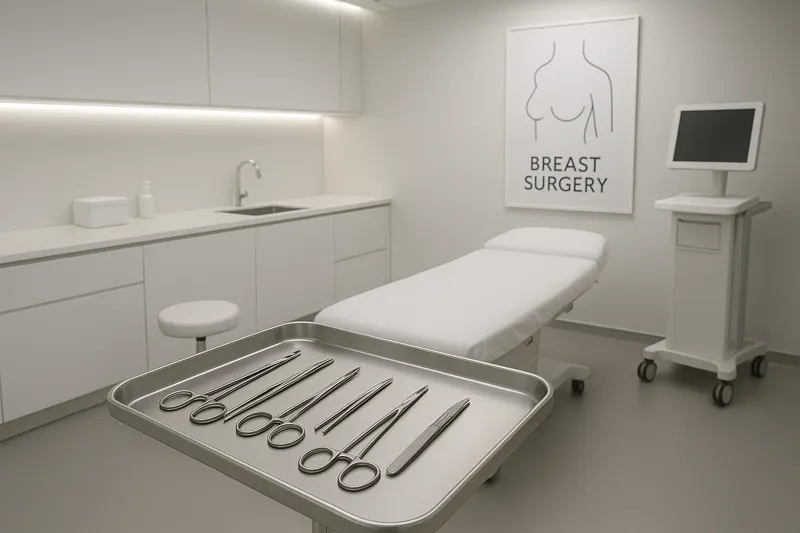
Breast surgery encompasses a range of procedures designed to either treat breast cancer or modify breast appearance. These include diagnostic surgeries such as biopsies, therapeutic surgeries like lumpectomy or mastectomy for cancer, preventive surgeries such as prophylactic mastectomy, and cosmetic procedures including augmentation, reduction, lifts, and reconstruction.
Cancer-related breast surgeries focus on removing tumors and affected tissues, often combined with lymph node evaluation and may involve reconstruction after mastectomy. Cosmetic surgeries primarily aim to enhance or restore breast appearance and include augmentation with implants or fat transfer, breast lifts, and reductions.
Each patient receives tailored recommendations based on cancer type, tumor size, stage, health, and personal preferences. Multidisciplinary teams work together to develop individualized surgical plans balancing oncologic safety and aesthetic goals, ensuring effective treatment with attention to the patient’s physical and emotional wellbeing.

Breast cancer surgery primarily includes lumpectomy and mastectomy. Lumpectomy, also called Breast-conserving Surgery, involves removing the cancerous tumor along with a small rim of healthy tissue, preserving most of the breast. It is typically an outpatient procedure with a quick recovery, often followed by radiation therapy to eliminate remaining cancer cells. Mastectomy entails removing the entire breast tissue, including the nipple and areola in some cases. Types of mastectomy vary to suit individual cancer characteristics, with options such as skin-sparing mastectomy and nipple-sparing mastectomy available to improve cosmetic outcomes. Breast reconstruction is commonly offered simultaneously or as a delayed procedure.
During breast cancer surgery, nearby lymph nodes are often assessed to determine if cancer has spread. Sentinel lymph node biopsy removes only the first few lymph nodes likely to be affected, reducing complications like lymphedema. In contrast, axillary lymph node dissection involves removing multiple lymph nodes from the armpit area and may be recommended in more advanced cases. These procedures guide further treatment and are integral to effective cancer management.
Preventive (prophylactic) mastectomy is offered to individuals at high risk of developing breast cancer, such as those with a strong family history or inherited genetic mutations. This surgery removes breast tissue before cancer develops and can significantly lower risk. Like therapeutic mastectomy, preventive surgery may be combined with Breast reconstruction techniques to restore breast appearance.
Surgical decisions depend on cancer type, size, stage, and individual patient preferences. The goal is complete removal of cancer cells while balancing cosmetic and functional outcomes. Multidisciplinary teams, including oncologic and reconstructive surgeons, customize treatment plans to optimize recovery and quality of life.
Cape Cod Plastic Surgery in Hyannis, Massachusetts, provides a comprehensive range of cosmetic breast surgery and reconstructive breast procedures. Under Dr. Marc Fater's expert leadership, the clinic offers breast augmentation, breast lift, breast reduction, asymmetry correction, implant removal, and capsular contracture treatment. These personalized services are designed to enhance appearance, improve proportion, and restore function safely within an accredited environment tailored to each patient's unique goals and medical needs.

Breast reconstruction after mastectomy primarily uses two techniques: flap reconstruction and implant reconstruction. Flap reconstruction utilizes the patient's own tissue, typically taken from areas such as the abdomen, back, or thigh. This method often provides a natural feel and appearance, and for some, it avoids the need for implant maintenance or replacement. Implant reconstruction involves placing silicone or saline implants beneath or above the chest muscle, sometimes following tissue expansion to prepare the skin. It generally requires shorter surgery and recovery periods but may necessitate future replacements.
Reconstruction can be immediate—done concurrently with mastectomy—or delayed, performed months or years later. Immediate reconstruction tends to yield better aesthetic and emotional outcomes and is preferred when medically feasible. However, delayed reconstruction remains a valuable option, allowing patients time for additional cancer treatments or personal readiness.
Nipple-sparing mastectomy preserves the nipple and areola, enabling a more natural breast appearance post-reconstruction. When nipple removal is necessary, surgical nipple reconstruction and 3D nipple-areola tattooing are available to restore the breast's aesthetic features. These techniques contribute significantly to patient satisfaction and body image restoration.
Flap reconstruction typically offers superior long-term aesthetic results and a more natural breast feel, especially for patients with larger breasts or prior radiation therapy. Implant-based reconstruction provides a less invasive option with shorter recovery but may carry risks such as implant rupture or capsular contracture treatment. Choosing between methods involves assessing individual anatomy, cancer treatment plans, and personal preferences.
Innovations in nerve repair during flap reconstruction have introduced the possibility of restoring light sensation to the reconstructed breast through nerve grafts. While full pre-mastectomy sensation rarely returns, these advancements improve functional outcomes and enhance quality of life over the months to years following surgery.
Cape Cod Plastic Surgery is led by Dr. Marc Fater, a board-certified plastic surgeon with over 38 years of experience. Based in Hyannis, Massachusetts, he specializes in cosmetic and reconstructive breast surgeries, including reductions, lifts, and reconstructions. Dr. Fater’s patient-centered approach and extensive expertise ensure individualized care within an accredited facility, emphasizing safety and high-quality outcomes.
These comprehensive breast reconstruction options, from technique selection to sensory restoration, represent the forefront of patient-focused, expert care in breast surgery today.

Cosmetic breast surgery includes several key procedures designed to enhance the appearance and proportion of the breasts. These include breast augmentation, breast lift (mastopexy), breast reduction, and correction of breast asymmetry. Augmentation increases breast size using implants or fat transfer. A breast lift reshapes and raises the breasts without increasing size. Reduction removes excess tissue to alleviate discomfort or improve bodily proportions.
Breast augmentation commonly utilizes either FDA-approved silicone implants or saline implants placed through discreet incisions. Fat transfer involves using the patient’s own fat, harvested from other areas, to increase breast volume naturally. Surgeons decide the best option based on the patient’s anatomy, goals, and preferences.
Candidates for cosmetic breast surgery include women seeking size enhancement, tissue lifting, or relief from physical discomfort due to large breasts. Goals typically focus on improving breast shape, size, and symmetry to boost body confidence and comfort.
Choosing a board-certified plastic surgeon with specialized training and extensive experience ensures both safe surgical techniques and natural, aesthetically pleasing results. Patients benefit from surgeons who stay current with innovations and thoroughly discuss potential outcomes.
Cosmetic breast surgery can significantly enhance self-image, confidence, and emotional well-being. Many patients report improved satisfaction with their body and an enhanced quality of life after these personalized procedures.
Note: For more information about cosmetic breast surgery techniques and patient considerations, a specialized consultation is recommended.
Cape Cod Plastic Surgery offers various non-invasive options such as laser skin resurfacing, chemical peels, microdermabrasion, injectables like Botox and dermal fillers, and CoolSculpting for body contouring. These therapies complement surgical options by enhancing skin texture, reducing wrinkles, and sculpting the body with minimal downtime.

Preparing for breast surgery begins with a thorough preoperative evaluation. This includes reviewing the patient’s medical history, conducting physical exams, blood tests, mammography, and in some cases, an ECG. Breast measurements and photographs are taken to assist in surgical planning. This comprehensive assessment helps the surgical team tailor the procedure to the patient’s unique needs and ensure safety.
Patients are advised to stop smoking at least 4 to 6 weeks before surgery to reduce complications and promote healing. Certain medications and supplements that increase bleeding risk, such as aspirin-like drugs and high doses of vitamins E and C, should be discontinued following physician guidance. Preparing an updated medication list is important for the surgical team.
Arranging transportation home after surgery and setting up a comfortable recovery space are critical. Patients should have easy access to supplies, wear loose-fitting clothing, and prepare meals in advance. Such preparations can ease the recovery period and support physical rest and mobility restrictions. For more details see post-surgery recovery planning.
On the surgery day, patients should avoid eating or drinking after midnight. Hospital check-in involves wearing a gown and marking the surgical site. An IV line is placed for fluids and medications. Anesthesia options include local anesthesia with sedation or general anesthesia, depending on the procedure’s complexity. The surgical team prioritizes patient safety and comfort throughout.
Post-surgery, management includes dressing care, monitoring for infection signs, and managing pain. Activity may be limited for weeks, with breast reconstruction recovery typically around one month, and mastectomy recovery possibly extending over several months. Follow-up visits help assess healing and discuss pathology results. Patients should promptly report symptoms like excessive bleeding, fever, or unusual pain to their healthcare provider.

Cape Cod Plastic Surgery is committed to delivering the highest standards of patient safety and quality by conducting all procedures in accredited surgical facilities. These facilities comply with rigorous national safety standards, including sanitation, fire safety, and OSHA regulations, ensuring a secure and hygienic environment for every surgery.
The surgical team is led by Dr. Marc Fater, a board-certified plastic surgeon recognized by the American Board of Plastic Surgery (ABPS). This certification guarantees expertise and adherence to best practices in complex breast surgeries, including reconstructive procedures following mastectomy.
All surgeries involving general or sedation anesthesia take place in facilities accredited by established organizations such as the AAAASF or JCAHO. This accreditation reduces anesthesia-related risks and assures availability of trained personnel equipped for emergency situations.
Postoperative monitoring is a core focus, with a structured approach to detecting and preventing complications like bleeding, infection, or wound issues. Patients receive tailored follow-up care plans that emphasize safety, comfort, and successful recovery. For more details on postoperative care for breast surgery and home care after breast surgery, refer to specialized guidelines.
The practice maintains a patient-centered philosophy, prioritizing thorough preoperative assessments and preparation, open communication, and individualized surgical planning. This approach fosters optimal clinical outcomes while promoting patient confidence and well-being throughout the breast surgery journey at Cape Cod Plastic Surgery.
Choosing the right breast surgery, whether for cancer treatment or cosmetic enhancement, requires collaboration with qualified specialists. Understanding surgical options like lumpectomy, mastectomy, breast reconstruction, or augmentation helps patients make well-informed decisions.
Every patient’s needs and goals are different. Tailored surgical approaches consider cancer type, stage, anatomy, and personal preferences, ensuring optimal outcomes for health and appearance.
Expertise, careful surgical techniques, and clear communication between patients and healthcare teams are vital. Patients are supported throughout the process to ensure safe, effective care with minimized risks.
Advanced surgeries not only treat or prevent disease but also restore symmetry and appearance. This contributes significantly to improved self-esteem and overall well-being for patients.
Embracing personalized care empowers patients to actively participate in their treatment journey, promoting better health and confidence.
September 9, 2026
Expert Guide to Proper Surgical Incision Care

Master dermal fillers aftercare with do's and don'ts, swelling tips, activity limits and warning signs to protect your results and heal smoothly.

September 8, 2026
Ensuring Safety: Why Your Surgeon's Credentials Matter Most

Cape Cod Plastic Surgery offers expert cosmetic and reconstructive procedures in a safe, accredited setting. Led by Dr. Marc Fater, we combine advanced techniques with personalized care to help you look and feel your best.
Monday: 9:00 AM – 5:00 PM
Tuesday: 9:00 AM – 5:00 PM
Wednesday: 9:00 AM – 5:00 PM
Thursday: 9:00 AM – 5:00 PM
Friday: 9:00 AM – 5:00 PM