

September 9, 2026
How to Care for Surgical Incisions Properly
Expert Guide to Proper Surgical Incision Care
Feb 14, 2026

Learning how to tighten facial skin naturally is all about a multi-pronged approach. It involves a smart combination of targeted skincare, some key lifestyle shifts, and, most importantly, consistency. The goal is to get your skin to ramp up its own production of collagen and elastin—the two proteins that are the very foundation of firm, elastic skin—while also shielding it from things that cause damage.
This isn't an overnight fix; think of it as a marathon, not a sprint. But the payoff is a gracefully firm complexion that looks and feels healthy.
Ever look in the mirror and feel like your skin just doesn't have that "snap" it used to? It’s a super common experience. Understanding why this happens is the first real step toward getting that firmer appearance back. The slow creep of skin laxity isn’t just about the number of candles on your birthday cake; it’s a pretty complex process driven by factors both inside and out.
At the very core of firm skin are two powerhouse proteins: collagen and elastin. I like to think of collagen as the "scaffolding" that gives your skin its plumpness and structure, while elastin is like the springs, letting it bounce right back after you smile or frown. Here's the catch: starting in our mid-20s, our bodies naturally start producing less of both. This is just part of our genetic blueprint, often called intrinsic aging.
While we can't rewind our internal biological clock, we have a ton of influence over extrinsic aging—the damage that comes from our environment and daily habits. These external factors can seriously fast-forward the breakdown of your skin's support system.
The biggest culprits behind premature sagging are things we encounter every day:
When you combine this slowdown in protein production with an acceleration in their breakdown, you get a deficit. That's when we start to see the visible signs like sagging, fine lines, and a less-defined jawline. For those looking at more intensive options, learning about the best treatments for sagging skin can shed light on what professionals can offer.
The key takeaway is that skin laxity is a two-part problem: internal biology and external habits. This means you need a two-part solution: protect the collagen you still have while encouraging your body to make more.
Ultimately, tightening your facial skin naturally isn't about finding one miracle cream. It’s about creating a whole supportive ecosystem for your skin to thrive. The techniques we're about to get into—from specific skincare ingredients to facial massage and nutrition—are all designed to tackle these root causes. It's about restoring that firmness from the inside out and the outside in.
Let's get one thing straight: when it comes to tightening your facial skin at home, there's no single magic bullet. The real secret is a consistent, strategic routine. Your bathroom counter can be your first line of defense against gravity, but only if you're using the right ingredients in the right order.
Think of it as a simple day-and-night strategy: protect your skin from damage in the morning and focus on repair while you sleep. This one-two punch is what creates a firmer, more resilient complexion over time.
Your morning routine is all about defense. You're shielding your skin from the daily environmental attacks—sun exposure, pollution—that break down your precious collagen and lead to sagging.
Right after cleansing, reach for a powerful antioxidant serum. For this job, Vitamin C is non-negotiable. It’s a true workhorse that neutralizes the free radicals causing damage and plays a direct role in synthesizing new collagen. It’s literally helping your skin rebuild its own support structure.
Next up, bring in a hydrator like hyaluronic acid. This incredible molecule can hold up to 1,000 times its weight in water, pulling moisture into the skin like a sponge. The result? An immediate plumping effect that visibly softens fine lines and gives your skin a supple, dewy look that lasts all day.
Nighttime is when your skin's natural repair mode kicks in. This is the perfect opportunity to apply the heavy-hitting ingredients that work on a deeper level to restructure and rebuild.
Retinol, a vitamin A derivative, is the undisputed gold standard in anti-aging. It works by speeding up cell turnover, but more importantly for firmness, it helps stimulate new collagen and reorganize existing elastin fibers. For real results in texture and tightness, consistent nightly use is everything.
Another key player for your evening routine is peptides. These are short chains of amino acids that essentially act as messengers, telling your skin cells to get busy producing more collagen. They kickstart your skin's own firming mechanisms from within.
We're not just guessing here—the science backs this up. A dedicated skincare routine with retinol, peptides, and hyaluronic acid is a proven way to tighten facial skin. For example, some studies show retinol can lead to a 20-30% reduction in wrinkles after just 12 weeks, while peptides have been shown to boost skin firmness by 15-25% in about 8 weeks.
This infographic is a great visual breakdown of what we're up against, from our genetics to our daily habits.

It’s a powerful reminder that while we can't control our genes, we have a huge amount of influence over the external and lifestyle factors that directly impact our skin's firmness.
To help you choose the right products, I've put together a quick-reference table of the most effective ingredients for skin tightening.
| Key Ingredients for Natural Skin Tightening |
| :--- | :--- | :--- | :--- |
| Ingredient | Primary Function | Typical Concentration | Expected Timeline for Results |
| Retinol | Boosts collagen production & cell turnover | 0.25% - 1.0% | 12-16 weeks |
| Vitamin C | Protects from free radicals & aids collagen synthesis | 10% - 20% | 8-12 weeks |
| Peptides | Signal skin to produce more collagen & elastin | 1% - 10% | 8-12 weeks |
| Hyaluronic Acid | Deeply hydrates and plumps the skin surface | 1% - 2% | Immediate (plumping) & ongoing (hydration) |
This table can be your shopping guide, helping you identify what to look for on an ingredient list to ensure you're getting a formula that will actually deliver results.
Remember, consistency beats intensity every time. A simple routine you actually stick with will always outperform a complex one you only do now and then. To give your daily efforts an extra boost, consider adding an effective skin firming cream that combines several of these powerhouse ingredients into one step.
Here’s what a practical, effective routine looks like:
Your Morning Lineup:
Your Evening Wind-Down:
A Quick Tip from Experience: When you first introduce retinol, go slow. Start by using it just two or three nights a week. Let your skin get used to it before you ramp up the frequency. This simple trick helps you avoid the dreaded irritation, redness, and peeling that can happen if you go too hard, too fast.
While skincare is fantastic for what it can do on the surface, learning how to tighten facial skin naturally means we have to go a little deeper. Literally. Your face has dozens of muscles, and just like the ones in your body, they can be toned and strengthened. This is exactly where facial exercises and massage come in, acting as a targeted workout to lift, sculpt, and firm everything from beneath the skin.

Think of it as physically counteracting the daily pull of gravity and our most common expressions. When you engage these small muscles, you’re boosting blood flow and flooding your skin cells with oxygen and nutrients. That rush gives you an immediate, healthy glow, but more importantly, it supports the long-term resilience and health of your skin.
The idea of "face yoga" isn't just a wellness trend; it's rooted in straightforward muscle physiology. When you consistently work your muscles, they get stronger and more toned. In your face, that added support helps hold up the skin that sits on top, leading to a more defined and sculpted look.
Recent research is even starting to put numbers to these benefits. A clinical trial looked at middle-aged women who followed an intensive 8-week face yoga program. The results were pretty compelling: they saw significant improvements in muscle tone and elasticity, particularly in the muscle that defines the jawline. If you want to dive into the specifics, you can read the full research about these face yoga findings to see the detailed outcomes.
This shows that with regular practice, you’re essentially rebuilding your face's natural support system from the inside out.
With facial exercises, consistency trumps intensity every time. Just aim for about 10-15 minutes a day, five or six days a week. It's crucial to start with a clean face and hands, and always apply a bit of facial oil or serum. This gives your fingers some slip and prevents you from tugging on your skin.
Here are a few targeted exercises to get you going:
Expert Tip: It's easy to get overeager, but don't! The muscles in your face are much smaller and more delicate than in your body. The goal here is gentle, consistent toning—not a high-intensity workout that could cause straining or even new expression lines. Listen to your face and ease into the routine.
Beyond specific exercises, facial massage is an incredibly powerful tool for promoting firmness. It’s not just relaxing; it helps release deep-set tension, ramps up circulation, and promotes lymphatic drainage. That’s the process of moving out stagnant fluid that leaves you looking puffy and dull.
You can simply use your hands, but a tool like a gua sha stone or facial roller can take it to the next level. A gua sha tool, often made from jade or rose quartz, has uniquely curved edges that are designed to fit the contours of your face perfectly.
A Simple Gua Sha Routine:
Always remember to use light to medium pressure and keep the tool almost flat against your skin. This technique not only feels amazing but also helps de-puff, lift, and give your skin an immediate radiance. With time and consistency, it encourages a healthier, visibly firmer complexion.
While what you put on your skin matters, you can’t overlook the foundation of skin health: what you put in your body. The most effective way to tighten facial skin naturally is a true inside-out job. The food you eat literally provides the building blocks for collagen and elastin—the proteins responsible for that firm, bouncy feel we all want.
Think of it this way: you can’t build a strong house with subpar materials. The same goes for your skin. You need to supply it with the right nutrients to get firm, resilient results.

This isn’t about just cutting out “bad” foods. It’s about strategically adding in powerhouse ingredients that directly support your skin's structure. By focusing on a diet loaded with antioxidants, healthy fats, and key vitamins, you’re fighting cellular damage and fueling the very process that keeps skin tight. It’s the small, daily choices that really add up.
Your body has a complex system for producing collagen, and it relies on a specific team of nutrients to get the job done. If even one of these key players is missing, the whole production line slows down, no matter how much you spend on skincare.
Loading up your plate with the right foods is a direct investment in your skin's future. For example, Vitamin C isn't just a nice-to-have; it's absolutely non-negotiable for collagen synthesis.
Here’s where to focus your grocery list:
Your diet is one of the most powerful—and controllable—factors in your skin's health. What you eat today is quite literally building the skin you'll have tomorrow.
You can eat a perfect diet, but if you're chronically dehydrated, your skin will show it. Water is essential for maintaining skin elasticity. When your skin cells are properly hydrated, they plump up, which helps smooth out fine lines and gives your complexion a firmer, more radiant look. Aim for at least eight glasses of water a day—and even more if you're active.
Just as crucial is your sleep schedule. When you're in a deep sleep, your body is in full-on repair mode. This is prime time for collagen production and healing the day's cellular damage. Consistently skimping on sleep spikes cortisol (the stress hormone), which actively breaks down your precious collagen and elastin.
Making a real commitment to 7-9 hours of quality sleep each night is one of the most powerful—and free—skin-tightening strategies you can adopt. When you pair these internal habits with your external skincare and facial exercises, you’re creating a complete, 360-degree approach for a naturally firm, youthful look.
There's no doubt about it: a dedicated natural skin tightening routine is one of the best things you can do for your skin. When you're consistent with your skincare, facial exercises, and a healthy diet, you can see some truly amazing, long-term results. But it’s also important to be honest with yourself about what at-home methods can and can't do.
At some point, you might find that even the most diligent routine isn't quite enough to address more significant changes, like deeper volume loss or more noticeable sagging. This isn't a sign of failure! It's simply a natural part of the aging process where your skin's needs begin to evolve. Knowing when you've hit this point is the key to building a smarter, more effective plan for the years to come.
So, how do you know when it’s time to look beyond your at-home regimen? I've found there are a few tell-tale signs that your natural methods have taken you as far as they can for certain concerns.
You might look in the mirror and love your skin's smooth, glowing texture but still feel frustrated by persistent jowls or a softening jawline. Or maybe you see hollows under your eyes or in your temples that no amount of facial massage seems to plump up. These are often signs of deeper structural shifts—like the migration of facial fat pads—that topical creams and exercises just can't fully correct.
Look out for these common indicators:
When you start noticing these plateaus, it’s the perfect time to think about how professional treatments can work with your routine, not replace it.
I always tell my patients to view professional treatments as a strategic complement, not a last resort. It's about intelligently layering therapies to get the best possible outcome while honoring all the hard work you've already put in.
Exploring professional options doesn't mean you have to give up on your natural approach. Think of it as enhancing everything you're already doing. Minimally invasive treatments can provide the kind of structural support that at-home methods simply can't, which in turn makes your daily routine even more effective.
For example, a bit of strategically placed dermal filler can restore volume to the mid-face, which gives the lower face a subtle lift. Suddenly, those jawline-sculpting exercises you're doing become more impactful. In the same way, neurotoxins like Botox can soften the overactive muscles that etch in deep expression lines, creating a smoother canvas for your retinol serum to work its magic on surface texture.
Some people also find that exploring complementary therapies can give their skin an extra boost. For instance, you can look into the various infrared sauna benefits for skin, including boosting collagen, which is absolutely essential for keeping skin firm.
The real goal is to create a powerful partnership between your daily habits and targeted professional care. To get a better idea of how these treatments work, you might want to read our guide on non-invasive skin tightening options. A consultation with a seasoned expert can help you map out a plan that integrates everything seamlessly, giving your skin the comprehensive support it deserves to look its absolute best.
Starting a new routine to tighten your skin naturally is exciting, but let's be real—it also brings up a ton of questions. How long does this actually take? Can I do all of these things at once? Am I too young or too old to start?
These are the exact questions everyone asks. Getting honest, straightforward answers is crucial for setting yourself up for success and building a routine you’ll actually stick with.
Let’s clear up the confusion and tackle the most common questions head-on.
This is the big one, isn't it? The most truthful answer is that patience is key. Natural methods work by supporting your body's own renewal cycles, and those cycles just don't happen overnight. The results are gradual, building quietly as your skin gets healthier from the inside out.
Let’s break down a more realistic timeline:
Remember, your results will always be unique to you, depending on your age, your skin's starting point, and—most importantly—how consistent you are.
Not only can you, but you absolutely should. A multi-faceted approach isn't just a good idea; it’s the most effective way to get the results you want. It's a common pitfall to think one single product or technique will be a magic bullet. The reality is that each method targets a different piece of the puzzle.
Here’s how they create a powerful synergy:
When you use them together, you're tackling skin laxity from every possible angle. Just a pro tip: try to introduce new elements one at a time. This way, you can see how your skin reacts to each one before adding something else to the mix.
While these natural methods are overwhelmingly safe, it’s always smart to be mindful. Honestly, the biggest "risk" is often expecting the kind of dramatic lift you’d get from a surgical procedure. These techniques are all about creating graceful, natural improvements, not instant transformations.
For specific methods, here’s what to watch for:
Active skincare ingredients like retinol can definitely cause some initial redness, dryness, and flaking. This is usually just part of the "retinization" process as your skin adjusts. To keep it minimal, always start with a low concentration, use it just a few nights a week, and do a patch test first.
With facial massage or exercises, a common mistake is using too much pressure. The muscles in your face are delicate! Pushing too hard can strain them or irritate your skin. Gentle, consistent movements are always better than aggressive force.
There's no magic number here, but the old wisdom holds true: prevention is your best friend. Our body's natural collagen production starts its slow decline in our mid-to-late 20s. That makes this decade the perfect time to get ahead of the curve with preventative care.
This doesn't mean you need a ten-step anti-aging routine at 25. Far from it. Instead, focus on locking in the absolute non-negotiables:
As you move into your 30s and 40s, you can start layering in more targeted treatments, like a quality retinol serum and specific facial exercises, as you begin to notice the very first signs of change.
At Cape Cod Plastic Surgery, we believe in a balanced approach that pairs smart, consistent at-home care with expert professional guidance when you're ready for the next step. If you have more questions or want to explore how our non-invasive treatments can complement your routine, we invite you to schedule a consultation. Let Dr. Marc Fater and our team help you create a personalized plan to achieve your aesthetic goals. Learn more and book your appointment at https://ccplasticsurgery.com.
September 9, 2026
Expert Guide to Proper Surgical Incision Care
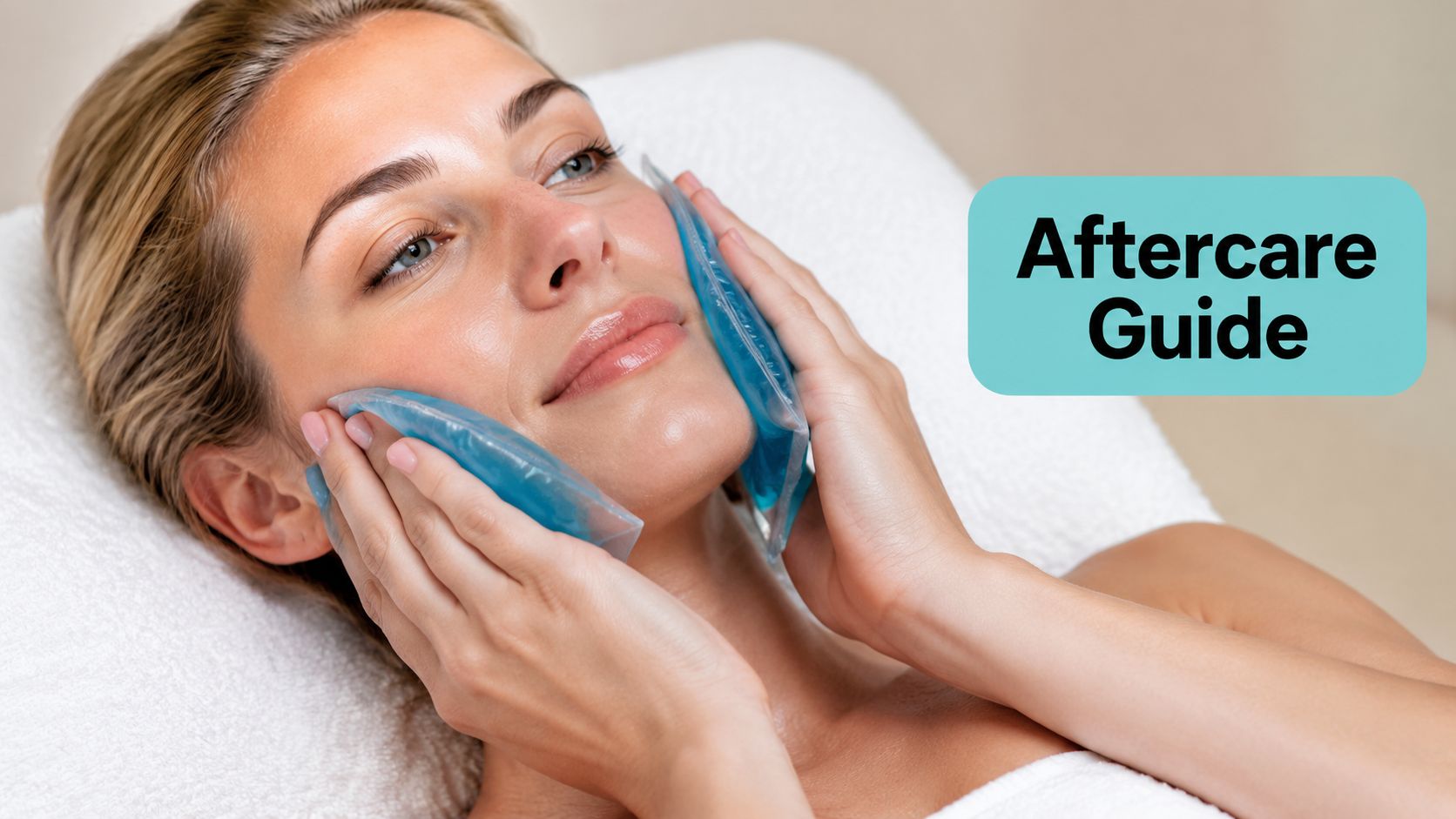
Master dermal fillers aftercare with do's and don'ts, swelling tips, activity limits and warning signs to protect your results and heal smoothly.

September 8, 2026
Ensuring Safety: Why Your Surgeon's Credentials Matter Most

Cape Cod Plastic Surgery offers expert cosmetic and reconstructive procedures in a safe, accredited setting. Led by Dr. Marc Fater, we combine advanced techniques with personalized care to help you look and feel your best.
Monday: 9:00 AM – 5:00 PM
Tuesday: 9:00 AM – 5:00 PM
Wednesday: 9:00 AM – 5:00 PM
Thursday: 9:00 AM – 5:00 PM
Friday: 9:00 AM – 5:00 PM