

October 7, 2026
What to Expect During Your Breast Surgery Recovery
A Practical Guide to Healing After Breast Surgery
Dec 4, 2025
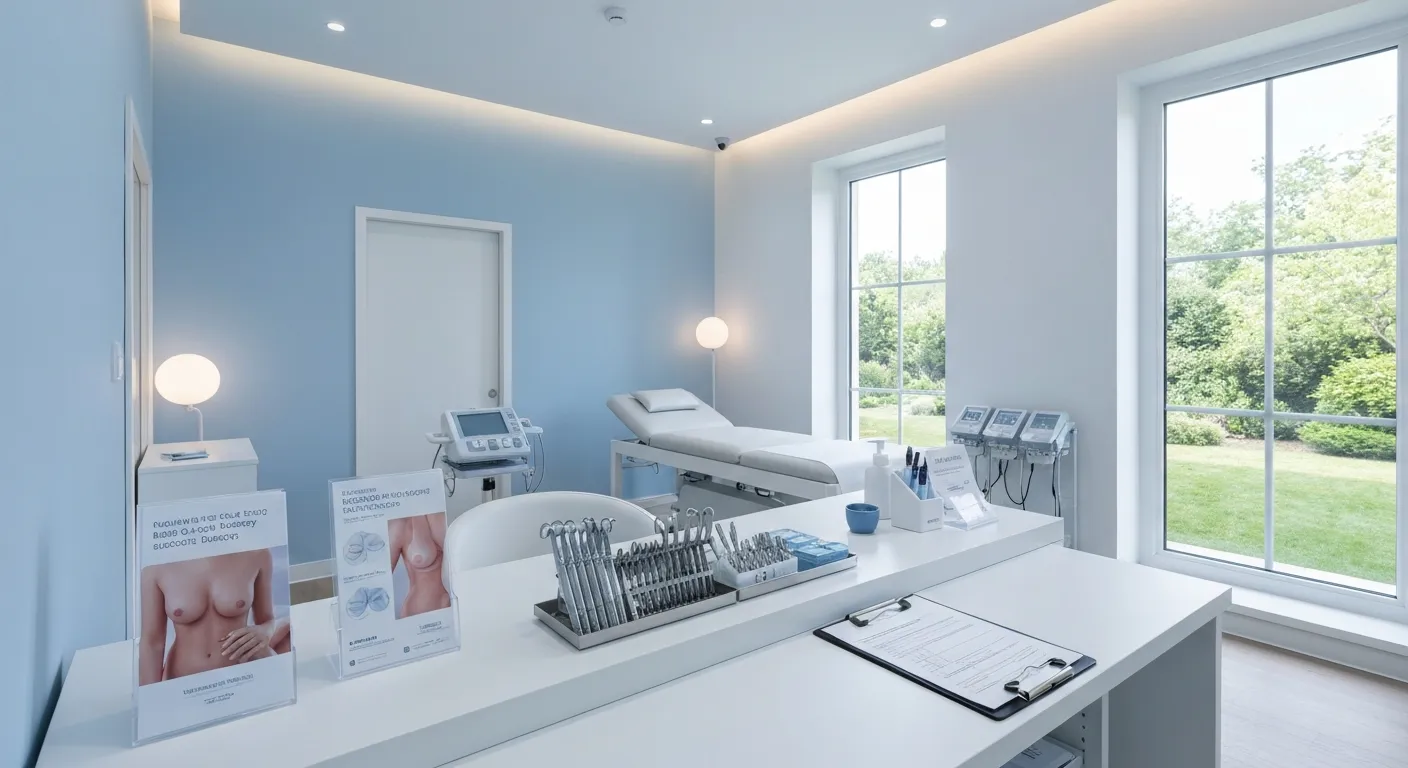
Breast surgery plays a central role in the treatment and management of breast cancer. Surgical options typically include breast-conserving surgery (lumpectomy) and mastectomy, which involve removing the tumor or the entire breast tissue, respectively. Many patients also consider breast reconstruction to restore breast appearance after mastectomy. Reconstruction can be implant-based or use autologous tissue from other parts of the body, tailored to the patient’s condition and preferences.
Choosing the appropriate surgical approach depends on multiple factors including tumor size and location, breast anatomy, and individual goals. Patients benefit from detailed discussions with their surgical team to understand all options and potential outcomes. Shared decision-making ensures treatment is aligned with personal values and medical considerations, promoting confidence and satisfaction.
Every patient’s situation is unique, requiring customized surgical planning and care. Advances in surgical techniques, such as nipple-sparing mastectomies and oncoplastic surgery, offer enhanced cosmetic results while maintaining oncologic safety. The multidisciplinary team collaborates to provide supportive, patient-centered care throughout the treatment journey.
At Cape Cod Plastic Surgery, expertise in breast cancer surgery and reconstruction guides patients through this complex process. Emphasizing compassionate care and state-of-the-art surgical options, the practice supports patients in making informed decisions and achieving outcomes that enhance their health and self-confidence.

Breast cancer surgery primarily consists of two types: breast-conserving surgery (lumpectomy) and mastectomy.
Breast-conserving surgery, often called lumpectomy, involves removing the tumor along with a margin of healthy tissue while preserving most of the breast. This procedure is usually followed by radiation therapy to reduce the risk of cancer recurrence.
Mastectomy entails removal of the entire breast and may vary from simple total mastectomy to more extensive forms such as modified radical mastectomy, depending on the size, location, and extent of the cancer. Some mastectomies also spare the nipple and skin, improving cosmetic outcomes when reconstruction is planned.
The choice between these surgeries depends on tumor characteristics, breast size, patient preferences, and oncologic factors. Shared decision-making in breast cancer surgery with the surgical team ensures a personalized approach tailored to each patient.
Before surgery, comprehensive staging is vital to guide treatment. This includes breast imaging techniques such as mammograms and ultrasounds and magnetic resonance imaging (MRI), which help assess not only the tumor size and location but also the involvement of regional lymph nodes.
Lymph node evaluation in breast surgery is a crucial component of breast cancer surgery. Sentinel lymph node biopsy is routinely performed to identify and remove the first lymph node(s) that drain the tumor area, providing critical information about cancer spread while minimizing surgical side effects. In some cases, axillary lymph node dissection, involving removal of multiple lymph nodes under the arm, is indicated to get more extensive staging information.
Patients may experience pain, discomfort, numbness, or loss of sensation around the chest wall following surgery. These effects often improve over time but require proper management.
Risks include bleeding and infection, which demand prompt medical attention to ensure safe recovery. Lymphedema surgical treatments, or arm swelling, can occur particularly after lymph node removal but is manageable with specialized therapies.
Advancements in breast preservation techniques and multidisciplinary care have improved both oncologic safety and cosmetic outcomes, emphasizing patient well-being throughout treatment.

Breast reconstruction after mastectomy can be broadly categorized into implant-based methods and autologous tissue reconstruction. Implant-based reconstruction commonly involves Silicone breast implants or Saline breast implants that are placed either under or over the chest muscle. Two surgical approaches include Tissue expansion in breast reconstruction—where a saline expander stretches the skin gradually before the final implant is inserted—and Direct-to-implant reconstruction, sometimes supported by Acellular dermal matrix in breast implants to secure implant position.
Autologous breast reconstruction techniques uses the patient’s own tissue harvested from sites such as the abdomen, back, buttocks, or thighs. Popular flap techniques include the DIEP flap, which preserves abdominal muscles, and the TRAM flap, which may involve some muscle removal. These methods generally offer more natural breast shape and sensation.
Implant-based breast reconstruction is less invasive with usually shorter operation time and recovery but implants are not permanent, typically lasting 10 to 15 years before replacement may be needed. Risks include infection, seroma formation, capsular contracture (hardening of the tissue around the implant), implant movement, rupture, and rare cases of BIA-ALCL and breast implants, especially with certain textured implants.
Autologous breast reconstruction delivers a more natural look and feel, with tissue aging similarly to natural breasts. However, it involves longer surgery and recovery, and potential complications such as infection, bleeding, seroma, asymmetry, and donor site muscle weakness. Impact of smoking on breast reconstruction healing considerably heightens the risk of healing complications and should be discontinued prior to surgery.
Breast reconstruction can be performed immediately at the time of mastectomy or delayed until after completion of cancer treatments such as radiation. The choice depends on patient health, cancer type, treatment plans, and personal preferences. Surgeons and plastic specialists emphasize a personalized approach, discussing goals, body type, and surgical risks with patients to select the best reconstruction technique for optimal functional and cosmetic outcomes.
This individualized planning ensures reconstruction not only restores breast contour but also enhances patient confidence and quality of life after mastectomy.
Breast cancer surgery has evolved to prioritize both effective cancer removal and improved cosmetic results. Nipple and skin-sparing surgery techniques preserve the natural skin and nipple, maintaining much of the breast’s original appearance. This approach not only improves aesthetic outcomes but also enhances patient satisfaction and confidence.
Oncoplastic surgery techniques further advances this goal by combining tumor excision with immediate reshaping of the breast. This integrated method allows surgeons to remove the cancer and reconstruct the breast contour during the same procedure, often reducing the need for additional corrective surgeries and improving symmetry.
Innovations like robotic nipple-sparing mastectomy are currently being explored in clinical trials, providing a minimally invasive option that may enhance precision and reduce recovery time. These advanced techniques are conducted by multidisciplinary teams specializing in breast surgery to personalize treatment plans and optimize results.
Lymphedema, a swelling of the arm caused by lymph node removal during breast cancer surgery, is a common complication. Advances in surgical management include novel options such as lymph node transplants for lymphedema and surgical drainage techniques that effectively reduce symptoms and improve quality of life.
These treatments aim to restore lymphatic function and prevent fluid buildup, offering new hope for patients vulnerable to lymphedema. Careful surgical planning and postoperative support complement these procedures, ensuring comprehensive management of this condition.
Together, these advancements in advancements in breast preservation techniques and lymphedema treatment underscore the commitment to not only curing cancer but also enhancing patient well-being and appearance after surgery.
Post-operative care after breast surgery is crucial to support healing and prevent complications. It primarily focuses on effective pain management and meticulous incision care. Patients often experience pain, numbness, or discomfort around the chest wall, which can be managed with prescribed medications and gentle care.
Surgical drains, such as the Jackson-Pratt drain, are commonly placed during surgery to prevent fluid buildup. These drains help reduce swelling and the risk of infection by continuously removing fluid from the surgical site. Typically, drains remain in place for 1 to 2 weeks and are removed once drainage decreases to an acceptable level.
Activity restrictions are important during the recovery phase to protect the surgical site. Patients are encouraged to gradually return to normal activities, avoiding strenuous exercise and heavy lifting initially. Gentle arm exercises may be recommended to maintain mobility and reduce the risk of lymphedema, especially after lymph node removal.
Managing potential side effects such as swelling, infection, or signs of lymphedema requires attentive monitoring. Patients should watch for symptoms like redness, increased pain, fever, or unusual swelling and promptly report these to their healthcare provider.
Follow-up care involves scheduled visits to assess healing, manage drains, and evaluate for any complications. These appointments allow the surgical team to guide patients through their recovery journey, adjust treatments if needed, and ensure optimal outcomes. Consistent monitoring supports early detection of any issues and promotes a smooth return to daily life.
In summary, comprehensive post-operative care after breast surgery encompasses pain and incision management, appropriate use and removal of surgical drains, structured activity progression, vigilant complication management, and ongoing breast cancer follow-up care to facilitate successful recovery.

Dr. Marc Fater, a board-certified plastic surgeon with over 21 years of experience, leads Cape Cod Plastic Surgery. Renowned for his dedication to thorough, patient-focused care, Dr. Fater ensures that each treatment plan is carefully tailored to the unique needs and goals of every individual. The clinic operates within a safe, accredited facility, emphasizing quality and trust throughout the surgical journey.
At Cape Cod Plastic Surgery, patient education is a cornerstone of care. Patients are empowered with detailed information about all available cosmetic and reconstructive options, including Breast augmentation, lifts, reductions, and complex reconstructions. Shared decision-making in breast cancer surgery fosters an open dialogue where patients collaborate closely with Dr. Fater and his team to choose the most appropriate approach, balancing personal preferences with medical recommendations.
The practice prioritizes patient safety by employing the latest advanced surgical and non-invasive techniques. With an emphasis on minimizing risks such as infection, scarring, or complications, the clinic also integrates innovations in Advancements in breast preservation techniques and cosmetic procedures to enhance outcomes. Pain management and recovery support further underscore the center's comprehensive approach to safe, effective care.
Cape Cod Plastic Surgery provides a full spectrum of plastic surgery services, seamlessly blending cosmetic enhancements with reconstructive solutions. Whether restoring form and function after cancer surgery or refining aesthetic contours, their expertise covers Breast reconstruction options, augmentation, lifts, and reductions. This integrated approach ensures patients receive personalized care that supports both appearance and confidence.
Cape Cod Plastic Surgery provides a variety of non-invasive aesthetic options designed to enhance skin health and complement breast reconstruction options. These include injectable treatments like Botox and dermal fillers, which target wrinkles and volume loss to rejuvenate the facial appearance.
Laser skin resurfacing and radiofrequency treatments, such as Morpheus8, are offered to improve skin texture, firmness, and overall quality. These procedures stimulate collagen production and tighten the skin without surgery.
For body contouring, non-surgical fat reduction methods like CoolSculpting for body contouring and Kybella injectable treatments are available. CoolSculpting freezes and eliminates stubborn fat deposits, whereas Kybella is an injectable treatment that dissolves fat under the chin and other small areas.
Using a combination of these non-invasive treatments can significantly enhance skin vitality and smoothness, improve facial contours, and support a balanced aesthetic appearance after breast cancer surgery options. They provide a gentle, effective way to boost confidence and complement the surgical outcomes at Cape Cod Plastic Surgery.

Patient education forms an essential foundation in breast surgery care, ensuring patients thoroughly understand their diagnosis and surgical options. Pre-surgery consultations involve detailed discussions about the types of breast cancer surgery available—ranging from breast-conserving surgery (lumpectomy) to various forms of mastectomy—and what each entails in terms of preparation and postoperative care.
Patients receive clear, accessible information about risks such as bleeding, infection, pain, and potential complications like lymphedema. This education also covers benefits including improved cancer control, options for breast reconstruction, and expectations for recovery timelines.
Clinicians emphasize transparent communication around surgical risks and benefits to support patients’ informed consent. Shared decision-making in breast cancer surgery is a collaborative process where surgeons review tumor characteristics and personal goals to tailor treatment. This helps patients balance oncologic safety with concerns about appearance, functionality, and lifestyle.
Surgeons explain lymph node evaluation in breast surgery procedures and discuss advanced surgical techniques such as robotic nipple-sparing mastectomy or oncoplastic surgery, highlighting innovations that improve cosmetic and functional outcomes.
A team-based approach brings together breast surgeons, medical and radiation oncologists, plastic surgeons, and specialized nurses. This multidisciplinary collaboration ensures comprehensive evaluation of each patient’s case, allowing personalized treatment plans that integrate surgery with adjunct therapies like chemotherapy or radiation.
Such coordinated care helps optimize disease control while also managing side effects and facilitating reconstruction choices.
Comprehensive patient support extends beyond the operating room. Resources include educational materials on breast surgery pre- and post-operative care, access to support groups, and specialized clinics for lymphedema surgical treatments and rehabilitation.
Local programs, rapid diagnostic breast cancer units, and survivorship follow-up ensure continuous care tailored to individual patient needs.
This patient-centered model aims to empower women with breast cancer to make informed decisions confidently, with compassionate support throughout their treatment journey.

Breast surgery, including lumpectomy and mastectomy details, often leads to side effects such as pain, discomfort, numbness, and loss of sensation around the chest wall. These are common and typically managed with appropriate pain relief and supportive care. For more details on surgical side effects of breast cancer treatment, see relevant resources.
Risks associated with breast surgery also include bleeding and infection. Prompt recognition and treatment of these complications are essential to ensure proper healing and reduce the risk of further problems. Managing bleeding and infection risks is key for successful recovery.
Surgical evaluation of lymph nodes, like sentinel lymph node biopsy or axillary lymph node dissection, is a standard part of breast cancer surgery to assess if the cancer has spread. However, removing lymph nodes can lead to lymphedema surgical treatments, a condition characterized by swelling, heaviness, or tingling in the arm.
Lymphedema affects about 5-10% of patients who undergo axillary node dissection but can be managed by specialists using treatments such as compression therapy and physical rehabilitation. For surgical interventions, see lymphedema surgical treatments including lymph node transplants for lymphedema.
Preventive strategies include thorough pre-surgical assessment, careful surgical technique, and patient education. Avoiding certain procedures or injuries on the affected arm post-surgery helps reduce lymphedema risk. Regular monitoring during recovery allows early detection of bleeding, infection, or arm swelling.
Hospitals and cancer centres emphasize multidisciplinary breast cancer treatment approach, involving surgeons, physical therapists, and lymphedema experts, to optimize recovery and quality of life. Patients are encouraged to report any unusual symptoms promptly and follow post-operative instructions closely for the best outcomes.
Patients diagnosed with breast cancer have access to a range of surgical treatments tailored to their individual circumstances. Options include breast-conserving surgery like lumpectomy, various forms of mastectomy, and lymph node evaluations such as sentinel lymph node biopsy. Breast reconstruction further offers implant-based and autologous tissue techniques, each with specific benefits and considerations.
Choosing a surgeon with specialized expertise in breast cancer surgery is critical for optimizing treatment outcomes and minimizing complications. Multidisciplinary collaboration among oncologists, plastic surgeons, and support staff ensures comprehensive care.
Patient-centered education and shared decision-making empower individuals to understand their treatment options, anticipate recovery processes, and engage actively in their care journey. This approach improves confidence, satisfaction, and long-term wellbeing after breast cancer surgery.
October 7, 2026
A Practical Guide to Healing After Breast Surgery

October 6, 2026
Your Safety Guide: What to Look for When Choosing a Plastic Surgeon

October 5, 2026
Why Our On-Site Accredited Facility Matters for Your Safety

Cape Cod Plastic Surgery offers expert cosmetic and reconstructive procedures in a safe, accredited setting. Led by Dr. Marc Fater, we combine advanced techniques with personalized care to help you look and feel your best.
Monday: 9:00 AM – 5:00 PM
Tuesday: 9:00 AM – 5:00 PM
Wednesday: 9:00 AM – 5:00 PM
Thursday: 9:00 AM – 5:00 PM
Friday: 9:00 AM – 5:00 PM