
October 5, 2026
The Value of an On Site Accredited Facility
Why Our On-Site Accredited Facility Matters for Your Safety
Jan 6, 2026

Breast surgery encompasses a variety of procedures designed for diagnosis, treatment, and cosmetic enhancement. Surgical options include lumpectomy, where only the tumor and surrounding tissue are removed; mastectomy, involving removal of all breast tissue; lymph node surgeries to assess cancer spread; and reconstructive procedures to restore breast appearance.
Breast surgeries serve multiple purposes. Primarily, they are essential in breast cancer treatment, aiming to remove cancerous tissue and prevent disease progression. This includes surgeries for early-stage cancer, noninvasive cancer, and high-risk preventive procedures. Additionally, cosmetic breast surgeries address personal aesthetic goals, including augmentation, reduction, and lifts.
Personalized care is critical in determining the most appropriate surgical approach. Surgeons engage patients through thorough preoperative consultations addressing medical history, treatment options, and expected outcomes. Patient education helps reduce anxiety, informs about potential risks and postoperative care, and supports informed decision-making tailored to individual health and preferences.

Breast surgeries encompass both medical and cosmetic procedures designed to address disease, risk, or aesthetic goals.
Reconstruction can be performed simultaneously with mastectomy or later, using:
Offered to individuals at high breast cancer risk due to factors like strong family history or genetic mutations (e.g., BRCA1/BRCA2) to significantly reduce cancer development probability.
Cosmetic breast surgery primarily includes augmentation, reduction, and reconstruction techniques that reshape and enhance breast appearance. These procedures often involve implants or tissue flaps and are customized to patient goals. They may be combined with lifts or implant revisions to refine results. Other cosmetic surgeries extend beyond the breast to body and facial aesthetics to deliver comprehensive enhancement.
Each breast surgery type involves careful preoperative consultation to discuss patient history, goals, and treatment options, ensuring personalized, safe care with optimal outcomes.

Preoperative consultations for breast surgery begin with a thorough review of the patient's medical history, including discussion of previous treatments and existing health conditions. Surgeons explain various surgical options for breast cancer tailored to the patient's diagnosis and goals, ensuring clear understanding of the procedures and expected outcomes.
Patients receive detailed instructions about anesthesia options for breast surgery, typically either general or local, and guidance on managing medications before surgery. Surgeons advise stopping certain medications that may increase bleeding risks and specify fasting requirements to improve safety during anesthesia.
Smoking halts effective healing and increases complication risks. Patients are strongly encouraged to quit smoking well before surgery to optimize recovery and reduce postoperative complications, as emphasized in preoperative preparations.
Precise measurements and clinical photography of the breasts are performed for surgical planning and to monitor outcomes. These records support personalized procedure planning and enable thorough documentation, consistent with best practices in breast surgery incisions and surgical planning.
Patients must adhere to all preoperative instructions, including fasting and honest disclosure of medications and supplements. Smoking cessation is crucial to promote healing. Planning for transport and postoperative support is essential. Patients are also educated about incision care, activity restrictions, and follow-up visits to ensure a smooth recovery process.

Breast surgeries are performed under either general anesthesia, which renders the patient fully unconscious, or local anesthesia with sedation, depending on the extent of the procedure. The anesthesiologist ensures patient comfort and safety throughout the operation (Types of breast surgery, Preoperative Breast Surgery Consultation).
Surgeons make incisions tailored to the type of surgery — from lumpectomy to mastectomy — with some procedures preserving skin and nipples when feasible. Surgical drains are commonly placed to prevent fluid accumulation post-surgery. These drains require regular emptying and care until removal (Surgical Drains in Breast Procedures, Postoperative Surgical Drain Use.
To assess cancer spread, sentinel lymph node biopsy involves removing a few key lymph nodes identified with tracer dye or radioactive material, minimizing risk. In cases requiring more extensive assessment, axillary lymph node dissection removes multiple nodes but carries a higher risk of lymphedema (Risks of Lymph Node Dissection, Managing Lymphedema After Surgery).
Reconstruction may occur immediately after mastectomy or be delayed. Techniques include implant-based reconstruction with saline or silicone implants, and flap procedures using the patient's own tissue (breast reconstruction, flap surgery for breast reconstruction). Decisions are personalized based on medical and patient preference factors (breast reconstruction options).
While breast surgery is generally safe, risks such as bleeding, infection, scarring, and anesthesia complications can occur (Risks of Breast Surgery, Anesthesia complications. Postoperative care focuses on monitoring for these issues, wound care, and managing pain (Postoperative care instructions, Pain management after breast surgery.
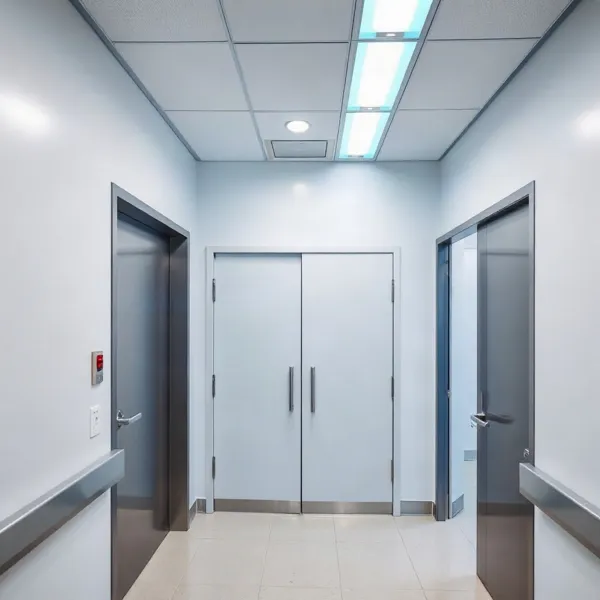
Ensuring patient safety involves performing surgeries in accredited facilities staffed with board-certified surgeons and anesthesiologists (Breast Surgery at Westchester Medical Center. Rigorous emergency protocols, sanitation standards, and 24/7 trained staff availability help minimize risks and promote optimal outcomes.
Recovery after breast cancer surgery varies by procedure type. Breast reconstruction may require about one month to heal, while full recovery from mastectomy can take several months. Lumpectomy patients often experience a shorter recovery period. The timeline includes immediate postoperative rest, gradual increase in activity, and long-term healing.
Patients may experience soreness, swelling, and bruising after surgery. These symptoms are typically managed with prescribed pain medications, cold compresses, and resting in an inclined position. Sensation changes around the breast and nipple are common but usually improve over weeks to months. For more detailed information, see Managing Soreness and Swelling After Breast Lift.
Proper care of surgical incisions is crucial to prevent infection. Surgical drains frequently used in mastectomy and breast reconstruction require regular emptying and monitoring until removal. Patients wear support garments to reduce swelling and support healing tissues.
Strenuous activities, heavy lifting, bending, smoking, and drinking alcohol should be avoided until cleared by the surgeon, typically for several weeks. Gentle arm exercises may be recommended to prevent stiffness, especially after removal of lymph nodes.
Postoperative follow-ups allow healthcare providers to assess healing, evaluate pathology reports, and detect complications such as infection or lymphedema early. Lymphedema, swelling caused by axillary lymph node dissection, occurs in 5-10% of patients and requires specialized management.
Recovery involves rest, pain management, hydration, and following surgeon’s instructions closely. Support from caregivers during the first 2-3 days helps ease the transition home. Avoiding strenuous activity and attending follow-up visits are essential for optimal healing and early detection of issues. For cosmetic breast surgery recovery, see details in Breast Lift Recovery Expectations and Cosmetic breast surgery procedures.
Breast surgeries, whether for cancer treatment or cosmetic enhancement, carry certain risks. These include infection, bleeding, pain, and scarring, as well as complications related to anesthesia such as allergic reactions or breathing difficulties. Specific to breast cancer surgeries that involve lymph node removal, there's a risk of lymphedema—swelling usually in the arm or chest area, caused by fluid buildup. Nerve damage leading to changes in sensation and delayed wound healing are also concerns. Awareness and preventive measures, like selecting qualified surgical teams and following postoperative care instructions, help minimize these complications.
Emotional impact is significant throughout the Breast Surgery for Cancer experience. Patients may face anxiety, changes in body image, or grief, especially after cancer treatment. Personalized care that addresses these emotional and psychological needs alongside physical treatment greatly improves overall outcomes. It fosters open communication, helps tailor surgical and recovery plans to individual circumstances, and supports patient resilience.
Patients are advised to monitor for signs such as excessive bleeding, persistent pain, signs of infection (redness, swelling, warmth, discharge), fever, or abnormal swelling. Early reporting of these symptoms to healthcare providers allows prompt intervention, reducing risks of serious complications. Regular follow-up visits are integral to ensuring proper healing and addressing concerns.
A patient-centered approach emphasizes respect, empathy, and clear information, which enhances patient trust and cooperation. It encourages shared decision-making, respecting patient goals and preferences, which boosts satisfaction and confidence. This methodology contributes to safer surgeries, more effective recoveries, and a positive experience during an often challenging journey.
Patients typically engage in detailed preoperative consultations where goals and treatment options are thoroughly discussed. Surgery types vary—from lumpectomy to mastectomy with or without reconstruction—each requiring specific pre-surgical preparations like imaging and medication adjustments. Postoperative care focuses on pain management, wound care, and gradual activity resumption, all vital for recovery.
Choosing board-certified surgeons experienced in breast surgery and treatment at accredited centers ensures access to advanced surgical techniques, comprehensive care, and multidisciplinary support. Such expertise reduces risks and enhances recovery, with facilities often offering innovations that improve aesthetic and functional outcomes.
Active patient involvement with the healthcare team, including prompt communication about concerns and adherence to recovery guidelines, is critical. This collaboration fosters better outcomes and emotional support throughout the process, empowering patients to confidently navigate their breast surgery journey.
October 5, 2026
Why Our On-Site Accredited Facility Matters for Your Safety

October 2, 2026
Beyond the Calendar: How to Know You’re Truly Ready for Plastic Surgery

October 2, 2026
Exploring Your Breast Augmentation Options: Implants, Shapes, and What to Expect

Cape Cod Plastic Surgery offers expert cosmetic and reconstructive procedures in a safe, accredited setting. Led by Dr. Marc Fater, we combine advanced techniques with personalized care to help you look and feel your best.
Monday: 9:00 AM – 5:00 PM
Tuesday: 9:00 AM – 5:00 PM
Wednesday: 9:00 AM – 5:00 PM
Thursday: 9:00 AM – 5:00 PM
Friday: 9:00 AM – 5:00 PM