

September 9, 2026
How to Care for Surgical Incisions Properly
Expert Guide to Proper Surgical Incision Care
Dec 30, 2025
Plastic surgery is broadly categorized into cosmetic and reconstructive surgery. Cosmetic surgery focuses on enhancing or reshaping normal body structures to improve appearance and self-esteem. This type of surgery is elective, meaning it is chosen by the patient primarily for aesthetic reasons.
Reconstructive surgery, on the other hand, aims to repair abnormal structures caused by congenital defects, trauma, tumors, infections, or disease. Its primary goal is to restore function and sometimes appearance.
Generally, reconstructive procedures are covered by health insurance, recognizing their medical necessity. Cosmetic surgeries are typically not covered since they are elective.
Cosmetic surgery is designed to boost personal confidence and satisfaction by improving physical appearance. Reconstructive surgery focuses on improving physical function and may also address aesthetic concerns caused by underlying medical issues.
Candidates for cosmetic surgery should be in good physical and mental health with realistic expectations, seeking improvements for personal satisfaction rather than external pressures. Those with underlying health issues or psychological conditions like body dysmorphic disorder may not be suitable candidates for elective cosmetic procedures.
Understanding these distinctions helps patients make informed decisions tailored to their personal goals and medical needs.

Board certification by the American Board of Plastic Surgery certification (ABPS) is essential. It confirms that the surgeon has completed extensive education and training, including rigorous written and oral exams. This credential ensures the surgeon's expertise and commitment to maintaining the highest standards of patient safety and surgical excellence. Selecting a board-certified plastic surgeon reduces risks and enhances outcomes, giving patients confidence in their care.
Patients must prioritize having their procedures performed in accredited surgical facilities. Organizations such as the Joint Commission on Accreditation of Healthcare Organizations (JCAHO), the American Association for Accreditation of Ambulatory Surgery Facilities (AAASF), and the Accreditation Association for Ambulatory Health Care (AAAHC) set strict safety and quality standards. Accredited facilities provide a safe environment, equipped with skilled personnel and protocols designed to minimize complications and promote recovery.
Besides board certification, patients should verify that their surgeon holds privileges at reputable hospitals. Hospital privileges indicate that the surgeon has met specific criteria and is trusted by the institution to perform surgeries safely. Affiliation with professional societies like the American Society of Plastic Surgeons membership also reflects a surgeon’s dedication to ethical practice and continuous education.
Patients should ask whether the surgeon is board-certified by the ABPS, if the surgeon will personally perform the procedure, and about their experience with the specific surgery. Inquire if the surgery will be conducted in an accredited facility and whether the surgical team is consistent. Discuss the risks involved, recovery expectations, and strategies to manage complications. Reviewing before-and-after photos of previous patients can also help assess the surgeon’s skill.
| Aspect | What to Look For | Why It Matters |
|---|---|---|
| Board Certification | ABPS certification | Ensures expertise and safety |
| Facility Accreditation | JCAHO, AAASF, AAAHC | Guarantees high safety and quality standards |
| Hospital Privileges | Active privileges at accredited hospitals | Confirms surgeon vetting and trust |
| Professional Membership | ASPS membership | Commitment to ethics and ongoing education |
| Consultation Questions | Surgeon experience, risks, recovery, photos | Prepares patient and sets expectations |
Popular plastic surgery procedures include breast augmentation, rhinoplasty (nose reshaping), facelifts—including mini facelifts, blepharoplasty (eyelid surgery), liposuction, and tummy tucks. Reconstructive surgeries also address congenital defects, injuries, and tumors. These procedures aim to enhance appearance or restore function.
Before surgery, patients undergo a comprehensive assessment including medical history review, physical examinations, and Preoperative evaluation tests. This preoperative evaluation ensures the patient is physically fit for the procedure and helps the surgical team plan for the safest approach.
Anesthesia types depend on the procedure and patient preference. Options include local anesthesia with sedation for minor procedures, intravenous sedation, or General anesthesia for more extensive surgeries. These choices will be discussed with the surgeon and anesthesiologist to provide safe and comfortable care.
Surgical durations vary: smaller procedures may last under two hours, while more complex surgeries can extend beyond three hours. Most cosmetic surgeries are performed in Accredited surgical facilities, allowing patients to return home the same day. Safety is ensured by Surgeon certification requirements and Hospital accreditation for surgeons.
Recovery depends on the surgery type. Mini facelift benefits and recovery often require two weeks before resuming regular activities. Rhinoplasty effects on voice involves swelling and bruising that usually subside within 10 to 14 days; however, full healing may continue up to a year. Patients are advised to follow Post-surgical care instructions closely, such as sleeping in a reclined position and applying cold or warm compresses to reduce swelling and bruising. Pain management usually includes prescribed medications, with most facial surgeries resulting in minimal discomfort.
Botox® is a neuromodulator that works by temporarily paralyzing muscles, primarily reducing wrinkles in the upper face, such as crow's feet and frown lines. Its effects generally last about three to four months. In contrast, Restylane® is a dermal filler designed to smooth and fill wrinkles mainly in the lower face. It typically lasts from six months up to a year before the body safely absorbs it.
Botox® is ideal for dynamic wrinkles caused by muscle movement in the forehead and around the eyes. Restylane® is preferred for static wrinkles, volume loss, and folds in the cheeks, nasolabial folds, and lips.
Both treatments require repeat sessions to maintain results. With repeated Botox® and Restylane® treatments, the duration of effect can extend as muscle activity lessens over time. Restylane® treatments generally maintain their six to twelve-month longevity with ongoing use.
These injectables offer minimally invasive solutions with quick recovery, fewer risks, and temporary results. They serve well as initial or complementary treatments to surgical procedures like facelifts or blepharoplasty.
Ideal candidates are those seeking subtle rejuvenation without surgery, with realistic expectations regarding temporary effects. A thorough consultation with a certified surgeon ensures personalized treatment planning to enhance appearance and confidence safely.
Choosing the right breast implant size is a personalized process that depends on several important factors. Patients' desires and aesthetic goals play a central role, but body contour and chest width are also critical considerations. Surgeons assess breast proportions and overall health to ensure the chosen implant harmonizes with each patient's unique physique.
To enhance decision-making, many clinics use using implant sizers during consultation, allowing patients to physically experience different sizes. Advanced technologies like VECTRA® 3D Imaging enable visualization of potential outcomes, helping patients and surgeons collaboratively select an implant size that balances natural appearance with desired enhancement.
Breast implants can be placed in two primary positions, each offering distinct advantages:
Submuscular implant placement benefits (under the chest muscle): This method provides more implant coverage, reducing the risk of capsular contracture (scar tissue hardening). It often results in a more natural contour, especially in patients with thinner breast tissue.
subglandular breast implant placement (above the chest muscle but beneath the breast tissue): Placement here typically involves a smoother and quicker recovery period and allows the implant to move more naturally with the breast. It is often chosen when breast tissue thickness is adequate to cover the implant.
Both silicone breast implants and saline breast implants are FDA-approved, with choices dependent on patient preferences and clinical advice. Silicone implants tend to feel more natural but require a slightly larger surgical incision and are generally more costly. Saline implants are less expensive, use smaller incisions, and visibly deflate if leakage occurs, aiding prompt detection.
Recovery times for plastic surgery vary but typically involve one week off work, with physical activities gradually resuming over four to six weeks. Plastic surgery risks such as infection, bleeding, and capsular contracture exist, underscoring the importance of selecting a board-certified plastic surgeon and adhering to preoperative assessment tests and post-surgical care instructions for optimal safety and outcomes.
Plastic surgery procedures carry inherent Surgical Procedure Risks such as bleeding, infection, wound separation, and skin loss. These complications can affect healing and overall outcomes. Smoking and Surgery Risks exacerbate these risks by impairing blood flow and tissue recovery, increasing the chance of infections and delayed wound healing. To ensure patient safety, it is essential for surgeons to openly discuss Risks Associated with Cosmetic Surgery and complications during the consultation phase. This transparency empowers patients to make informed decisions and contributes to individualized risk management strategies.
Typically, cosmetic plastic surgery is considered elective and is not covered by health insurance. These procedures are performed to enhance appearance and self-esteem and do not address medical necessity. Conversely, Reconstructive Surgery Insurance Coverage — which repairs abnormalities caused by congenital defects, trauma, disease, or tumors to improve function — is often covered by insurance. It is important for patients to verify Insurance Coverage for Cosmetic Procedures details with their insurance providers as policies may vary.
Because cosmetic procedures are usually self-pay, many patients seek Financing Plastic Surgery options to manage costs. One popular financing avenue is CareCredit, which offers flexible, interest-free installment plans to qualified applicants. Additionally, some practices accept credit cards, cash, or other payment methods. Patients should discuss all Financing Options for Surgery with their surgical team early in the planning process to ensure financial arrangements align with their treatment timeline.
Preoperative Assessment Tests evaluate a patient’s physical condition to minimize surgical risks. Patients are advised to stop Smoking Before Surgery at least four weeks before and after surgery to promote optimal healing. Avoidance of supplements and medications such as NSAIDs and vitamin E, which may increase bleeding, is also commonly recommended. Following these guidelines significantly reduces complications and supports smooth recovery.
By adhering to thorough Plastic Surgery FAQs evaluations, maintaining open communication about Plastic Surgery Risks, and understanding Cosmetic Surgery Insurance Coverage and Financing Cosmetic Surgery Options, patients can approach plastic surgery with confidence and safety.
Minimizing swelling and bruising is crucial for a smooth recovery. Patients are advised to sleep in a reclined position to reduce fluid accumulation. Following the surgeon’s instructions on the use of cold or warm compresses helps alleviate inflammation and promotes healing. Avoiding medications such as NSAIDs and alcohol before surgery reduces bleeding risk, while abstaining from smoking significantly improves skin healing and lowers complication rates. For more information, see post-surgical care instructions.
Patients commonly need assistance during the initial 2 to 3 days following surgery. Work leave usually spans 1 to 2 weeks, depending on the complexity and type of the procedure performed. Recovery involves managing discomfort with prescribed pain medication and adhering strictly to postoperative care instructions provided by the surgeon. These detailed guidelines are essential to reduce risks such as infection, bruising, and improper wound healing.
Patients are generally advised to avoid strenuous physical activities, including lifting heavy objects and vigorous exercise, for at least 2 to 4 weeks depending on the surgery. Walking is encouraged early to promote circulation, but activities that might strain the surgical area should be delayed until cleared by the surgeon. Consult recovery times for plastic surgery for detailed timelines.
Strict adherence to surgeon-provided postoperative instructions ensures optimal outcomes and reduces complications. This includes medication schedules, wound care, follow-up visits, and lifestyle modifications such as smoking cessation. Learn more about safety in outpatient surgery and surgeon certification requirements.
To support out-of-town or mobility-limited patients, many practices offer virtual consultations to monitor recovery progress and address concerns remotely. Local follow-up visits remain essential for thorough physical examinations and to manage any complications promptly. Refer to post-surgical care instructions and support for out-of-town patients for more details.
Successful plastic surgery starts with understanding your goals and having realistic expectations. During initial consultations, surgeons discuss treatment options and expected outcomes to ensure alignment and patient satisfaction.
Choosing a board-certified plastic surgeon, preferably certified by the American Board of Plastic Surgery or similar boards, is vital. Certification signals rigorous training, expertise, and commitment to safety.
Patients should consider both surgical procedures and non-invasive treatments like Botox or dermal fillers. Each has benefits related to results duration, recovery time, and cost, allowing personalization based on needs.
Ensuring your surgeon practices in accredited facilities with hospital privileges enhances safety. Experienced providers with proven track records minimize complications and promote excellent outcomes.
Proper preoperative preparation and diligent postoperative care, including following instructions on medication, activity, and wound care, are essential for minimizing risks and optimizing healing.
Partnering with a qualified surgeon and engaging fully in the consultation and care process empowers patients to achieve satisfying, lasting results safely.
September 9, 2026
Expert Guide to Proper Surgical Incision Care
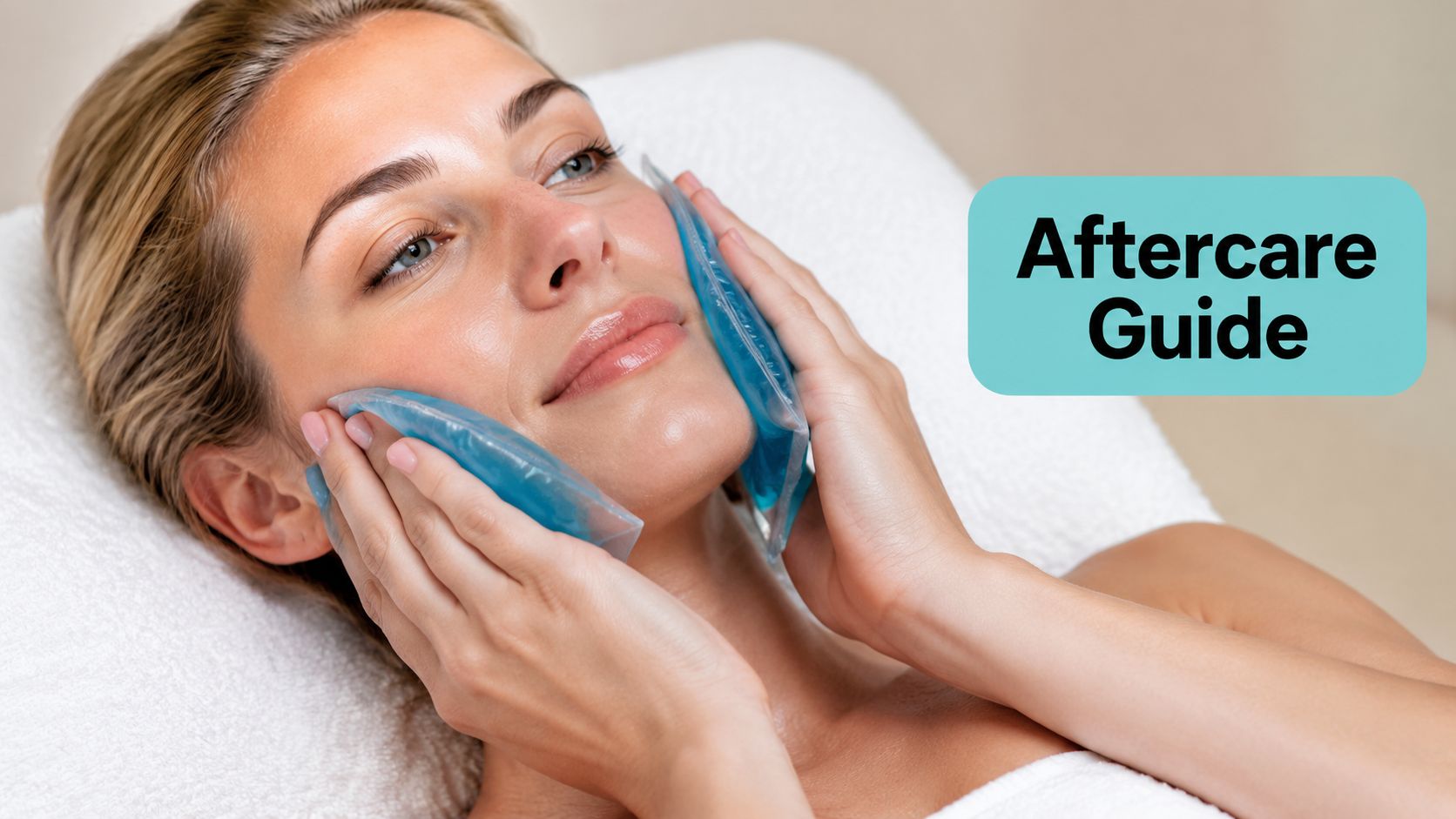
Master dermal fillers aftercare with do's and don'ts, swelling tips, activity limits and warning signs to protect your results and heal smoothly.

September 8, 2026
Ensuring Safety: Why Your Surgeon's Credentials Matter Most
Cape Cod Plastic Surgery offers expert cosmetic and reconstructive procedures in a safe, accredited setting. Led by Dr. Marc Fater, we combine advanced techniques with personalized care to help you look and feel your best.
Monday: 9:00 AM – 5:00 PM
Tuesday: 9:00 AM – 5:00 PM
Wednesday: 9:00 AM – 5:00 PM
Thursday: 9:00 AM – 5:00 PM
Friday: 9:00 AM – 5:00 PM