
September 9, 2026
How to Care for Surgical Incisions Properly
Expert Guide to Proper Surgical Incision Care
Aug 4, 2026

The choice to pursue breast augmentation is often a deeply personal milestone. Many patients report feelings of self-consciousness before their procedure, noting discomfort with their body image or how certain clothing fits. By choosing to address these physical concerns, you are taking a step toward aligning your outer appearance with your internal self, a process that studies show can lead to significant improvements in self-esteem.
At ccplasticsurgery.com, we view this procedure as a tool for personal empowerment rather than a mere aesthetic adjustment. Research published by the American Society of Plastic Surgeons highlights that a successful transformation depends on setting realistic expectations and working with an experienced, board-certified surgeon. While competitors may offer standardized packages, we prioritize a patient-centered approach that focuses on your unique anatomy to ensure results look natural and proportional.
This article serves as your guide through the entire patient journey. We will examine the critical steps of the process, including your initial consultation, the realities of surgical recovery, and how to manage the emotional transition toward long-term confidence.
Women choose to pursue breast augmentation for various personal reasons, often focusing on restoring volume lost after pregnancy or significant weight loss. Others seek to correct natural asymmetries or improve their self-image to better align their physical appearance with their self-ideal. Unlike those driven by external pressures or social media trends, patients with the most successful outcomes view surgery as a supportive tool for their internal well-being rather than a solution for life problems.
Research consistently indicates that cosmetic surgery can lead to significant improvements in self-esteem and overall psychosocial well-being. A systematic review published in PMC found that breast surgeries specifically correlate with a notable positive effect on self-esteem. By addressing physical features that cause personal dissatisfaction, patients often experience a heightened sense of self-assurance. As noted by the American Society of Plastic Surgeons, many individuals report reduced feelings of anxiety and improved quality of life post-procedure. At Cape Cod Plastic Surgery, we prioritize this holistic approach, ensuring that our personalized care supports both the aesthetic goals and the psychological well-being of every patient.
Maintaining realistic expectations is a fundamental part of the surgical journey. Clinical studies confirm that dissatisfaction often arises when individuals view surgery as a panacea for external life challenges. Our practice emphasizes honest, open communication during the consultation to ensure each patient understands the potential outcomes and the nature of the recovery process. This transparent partnership helps align surgical results with the patient's goals, fostering a positive transformation that lasts long after the initial healing phase.

A successful surgical outcome begins with a comprehensive consultation process where we prioritize discussing your specific goals, anatomy, and available options. At ccplasticsurgery.com, we emphasize a patient-centered approach that balances your desires with clinical realities, helping you move forward with clarity and confidence.
The 45/55 rule is a helpful aesthetic guideline used in breast augmentation to achieve a natural, balanced, and feminine breast shape. It suggests that the ideal visual distribution consists of 45 percent of the breast’s fullness residing above the nipple, with 55 percent located below. This ratio is often cited in aesthetic research as having universal appeal, as it mimics the soft, youthful proportions found in naturally attractive breasts. While this metric provides a useful framework for planning, it is not a rigid requirement, as your final results should be tailored to your unique anatomy, frame, and personal goals. Ultimately, our focus is on ensuring your surgical outcome remains proportionate and harmonious with your individual physique.
To better understand the potential outcomes of your procedure, you should utilize 3D imaging technology such as VECTRA. This tool allows you to visualize how different implant sizes and shapes will appear on your unique physique before surgery, offering more precision than traditional implant sizers alone. Additionally, reviewing a gallery of before-and-after photographs of patients with similar anatomy provides a realistic perspective on achievable results. Engaging in an open dialogue with your surgeon about these visual aids helps align your expectations with clinical possibilities, ensuring that your final look is both beautiful and tailored to your body.
Feeling nervous before an elective procedure like breast augmentation is a normal human response. Many patients worry about the recovery process, social perception, or the final aesthetic outcome. At ccplasticsurgery.com, we find that clear communication with our surgical team helps mitigate these anxieties. By reviewing our surgical plans and discussing your goals in detail, we replace uncertainty with a structured, professional path forward.
Preparation begins weeks before your surgery date. Patients should discontinue the use of anti-inflammatory medications like aspirin, ibuprofen, and specific supplements such as fish oil or vitamin E for two weeks prior to and following the procedure to minimize bruising and bleeding, per clinical guidelines. Arranging your home space is also vital; prepare a recovery area with plenty of pillows so you can sleep with your upper body elevated, which helps manage swelling during the first few days of healing.
Choosing the right time for your procedure can provide extra peace of mind. Many patients choose to undergo surgery during the winter months, allowing the initial healing phase to occur while wearing heavier seasonal clothing that naturally conceals swelling. For those with desk jobs, you can typically return to work within three to five days, though we recommend planning for one full week off to focus entirely on rest. As you prepare, remember that walking short distances immediately after surgery is encouraged, as it helps circulation and aids your overall comfort during the early stages of recovery.

Recovery from breast augmentation is a personalized process, though most patients can expect to return to sedentary office jobs within one to two weeks. Those in physically demanding roles requiring lifting or strenuous movement should plan for a recovery period of four to six weeks. While initial soreness, stiffness, and swelling are common during the first few days, these sensations typically subside as your body heals. You should anticipate following specific activity restrictions for four to eight weeks to ensure optimal results and safety. Ultimately, while full tissue settling can take up to six months, adhering to your surgeon’s tailored post-operative care plan remains the best way to support a smooth and successful recovery.
During the first week, your primary focus is rest and gentle movement. You should sleep on your back with your upper body elevated to manage swelling, which typically peaks around the third or fourth day post-surgery. You must wear a compression bra around the clock to support the implants and minimize fluid buildup. While you should avoid heavy lifting and overhead motions, short, frequent walks around your home are encouraged as early as the night of your procedure to aid circulation and reduce the risk of blood clots.
By the second week, many patients feel ready to return to light, sedentary work. If you have stitches, these are often removed around the seven-day mark. At ccplasticsurgery.com, our team provides clear guidance on when it is safe to resume specific tasks, ensuring that your transition back to daily routines does not compromise your healing. While some competitors might offer generic recovery timelines, we emphasize a patient-specific approach that monitors your unique progress.
Between four and six weeks, most activity restrictions are lifted, allowing for a gradual return to strenuous exercise and more vigorous physical activity. Beyond this point, you will enter the phase often called 'drop and fluff,' where the implants settle into a natural position and the surrounding tissues soften. While you will see significant improvements within the first few months, the final shape of the breasts typically emerges between three and six months. Full scar maturation is a slower process, often taking up to one year to reach a point where the fine lines fade significantly and become difficult to notice.

Your recovery path is a foundational element of your surgical results, requiring diligence in both physical rest and specific care routines. While generic advice exists, the clinical team at ccplasticsurgery.com emphasizes a structured plan tailored to your body and procedure, contrasting with more generalized instructions found in standard online forums. By adhering to a methodical approach, you help your body manage the natural healing process more efficiently.
Post-operative comfort relies on consistent medication management. Patients must follow their specific schedule for pain relievers, while strictly avoiding NSAIDs like aspirin or ibuprofen for two weeks before and after surgery to minimize risks of bleeding and bruising per guidelines from the American Society of Plastic Surgeons. Wearing a compression garment or surgical bra 24/7 is essential for the first few weeks to support tissue healing and reduce swelling. At ccplasticsurgery.com, we prioritize these medical safeguards to reduce post-surgical discomfort compared to practices that offer fewer check-ins or less structured support.
As your incisions heal, proactive scar management becomes the focus. Once cleared by your surgical team, you may begin using silicone sheets or gels to soften the appearance of your scars. Protecting these areas from direct UV exposure with sunscreen is critical, as sunlight can cause scars to darken and become more permanent. Regular follow-up appointments allow our staff to monitor these thin lines, ensuring they fade properly over the first year. This level of personalized, longitudinal care is a core component of the patient-centered service model at ccplasticsurgery.com, ensuring that every stage of your transition is supported by expert oversight.
The days immediately following surgery often bring a range of complex emotions. It is common to experience temporary discomfort, soreness, or even brief moments of doubt regarding your decision. At ccplasticsurgery.com, our approach to care prioritizes transparency, ensuring you understand that feelings of regret or anxiety are standard reactions as your body begins the healing process.
During the first few weeks, you may notice your implants sitting higher on the chest and feeling firmer than expected. This phase, often called the drop and fluff, is a normal stage of recovery where tissues gradually soften and the final shape emerges. While some patients worry about initial asymmetry, this is typically temporary as the chest wall adapts. You may also encounter strange nerve sensations or mild numbness, which are simply signs that your nerves are beginning their natural healing progression.
As the swelling decreases, most patients report a significant shift in their self-perception. Research indicates that cosmetic procedures like breast augmentation are associated with meaningful improvements in self-esteem, often helping individuals transition from pre-operative self-consciousness to a more empowered sense of body image. As your physical recovery reaches the six-month mark, this newfound confidence often fosters a more positive connection between your internal identity and your external appearance.
Achieving your aesthetic goals is only the beginning of your journey. Clinical research highlights the meaningful impact this procedure can have, as a systematic review and meta-analysis of breast surgery patients reported a pooled effect size of 0.59 regarding self-esteem improvements. These gains in confidence often endure, though maintaining your results requires ongoing attention to both your physical health and the status of your implants.
At ccplasticsurgery.com, we believe in a lifetime partnership with our patients. While implants do not require replacement on a fixed schedule, they do necessitate routine monitoring to ensure integrity. You should remain vigilant for changes in breast shape, texture, or persistent discomfort, as these may indicate the need for a clinical evaluation. Unlike some facilities that provide only transactional care, we prioritize long-term follow-up to support your evolving needs.
Breast implant illness refers to a wide-ranging, non-specific cluster of symptoms—such as chronic fatigue, joint pain, brain fog, and skin issues—reported by some patients with breast implants. While this remains a topic of ongoing study rather than an official medical diagnosis, researchers suspect these symptoms may arise from an autoimmune or inflammatory response to the implants or the surrounding surgical environment. These symptoms can occur with any type of implant and may manifest at any time, whether the implants are ruptured or intact. Currently, there is no standardized diagnostic test, so evaluation typically involves ruling out other established medical conditions. It is important to have a transparent discussion about your health history and any concerns with your surgeon during your consultation, as many patients report that removing the implants can help alleviate their symptoms.
Life changes often prompt patients to seek revision surgery to update their look or address complications that arise years after the initial procedure. Whether you are navigating shifts in volume, texture, or personal aesthetic preferences, our approach focuses on restoring balance and comfort. By maintaining a relationship with a board-certified professional, you ensure that any future interventions remain as safe and effective as your original transformation.
The decision to undergo breast augmentation is frequently a turning point for patients who struggle with how their bodies fit into clothing. Many individuals describe a persistent sense of self-consciousness that dictates their wardrobe choices. For these patients, the procedure often represents a shift toward feeling more comfortable and feminine in their daily lives. Research indicates that breast surgery yields a significant positive impact on self-esteem, providing a transformative experience that extends beyond mere physical appearance.
At ccplasticsurgery.com, our approach emphasizes that successful outcomes are built on personalized care and genuine connection. While some clinics operate with limited post-operative engagement, our practice prioritizes dedicated staff support, including regular check-ins and follow-up calls to ensure patients feel secure during every stage of healing. This high level of attention is essential for managing the emotional fluctuations that can naturally occur during recovery.
Patients frequently share that the most rewarding aspect of their journey is not just the aesthetic change, but the resulting boost in confidence during social interactions. Feeling empowered to wear certain styles or participate in activities that previously caused anxiety is a common theme in successful recoveries. By maintaining a focus on safety and clear communication, ccplasticsurgery.com helps individuals align their physical profile with their desired self-image, fostering a newfound sense of well-being that resonates throughout their personal and professional lives.
Moving from initial self-consciousness to a newfound sense of confidence is a significant process that extends beyond the surgery itself. A 2024 meta-analysis confirms that breast procedures often result in meaningful improvements to self-esteem, provided patients enter the process with realistic expectations and clear goals. This transformation is not just about physical change, but about aligning your external appearance with your inner sense of self.
At ccplasticsurgery.com, we believe your experience should be defined by personalized, patient-centered care rather than a one-size-fits-all approach. While many practices rely on standardized templates, our team focuses on your specific anatomy and desires to help you achieve a result that feels uniquely yours. This commitment to individual attention is essential, especially when compared to high-volume clinics that may overlook the nuanced psychological adjustments required during recovery.
The most important step in your own transformation is an open dialogue with an experienced specialist. We invite you to schedule a consultation to explore your goals, visualize potential outcomes, and discuss the professional guidance available at ccplasticsurgery.com. Your path to feeling more comfortable and confident starts when you decide to prioritize your needs and reach out to a team dedicated to your long-term satisfaction.
September 9, 2026
Expert Guide to Proper Surgical Incision Care
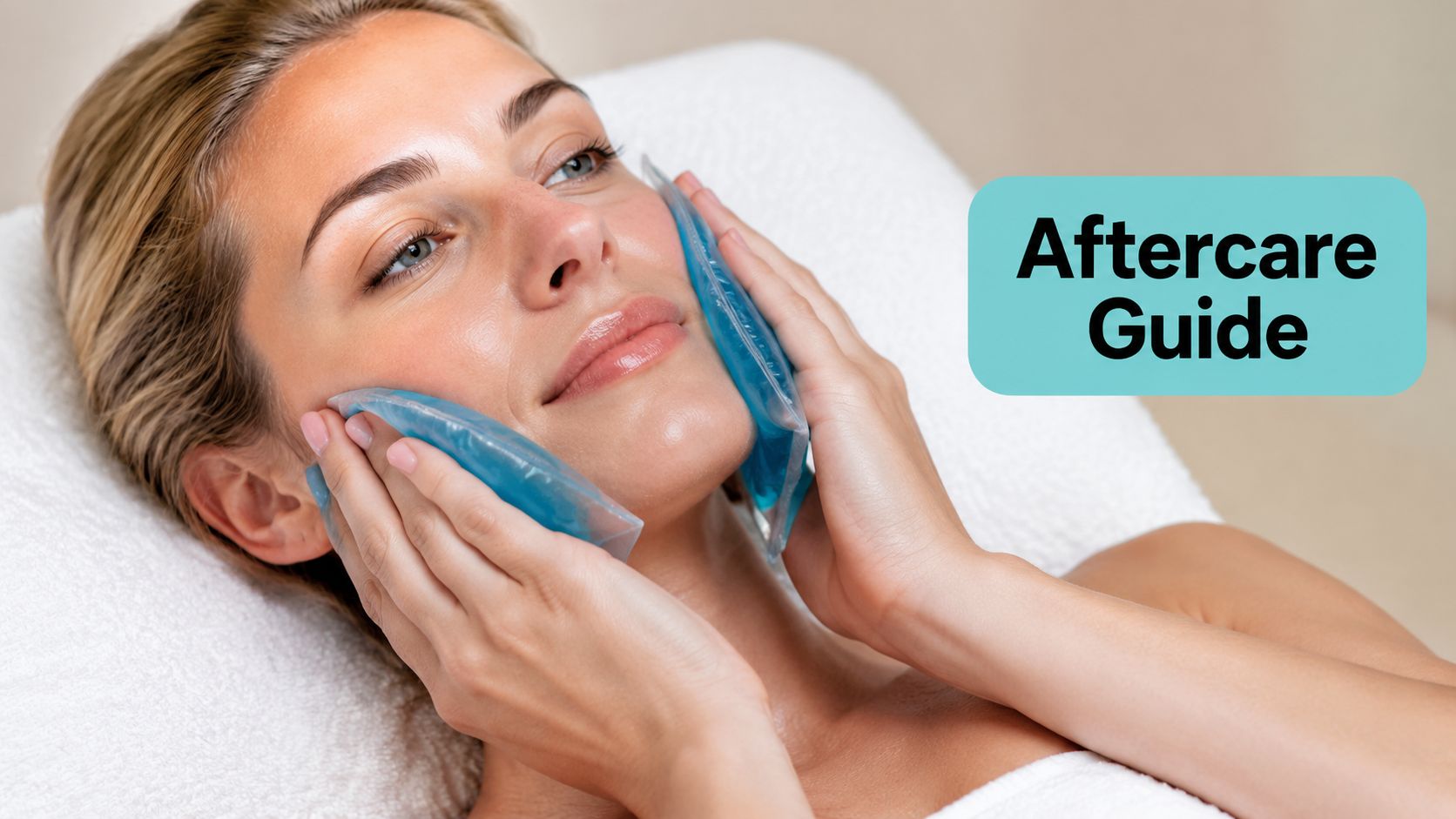
Master dermal fillers aftercare with do's and don'ts, swelling tips, activity limits and warning signs to protect your results and heal smoothly.

September 8, 2026
Ensuring Safety: Why Your Surgeon's Credentials Matter Most

Cape Cod Plastic Surgery offers expert cosmetic and reconstructive procedures in a safe, accredited setting. Led by Dr. Marc Fater, we combine advanced techniques with personalized care to help you look and feel your best.
Monday: 9:00 AM – 5:00 PM
Tuesday: 9:00 AM – 5:00 PM
Wednesday: 9:00 AM – 5:00 PM
Thursday: 9:00 AM – 5:00 PM
Friday: 9:00 AM – 5:00 PM