

October 5, 2026
The Value of an On Site Accredited Facility
Why Our On-Site Accredited Facility Matters for Your Safety
Jan 2, 2026
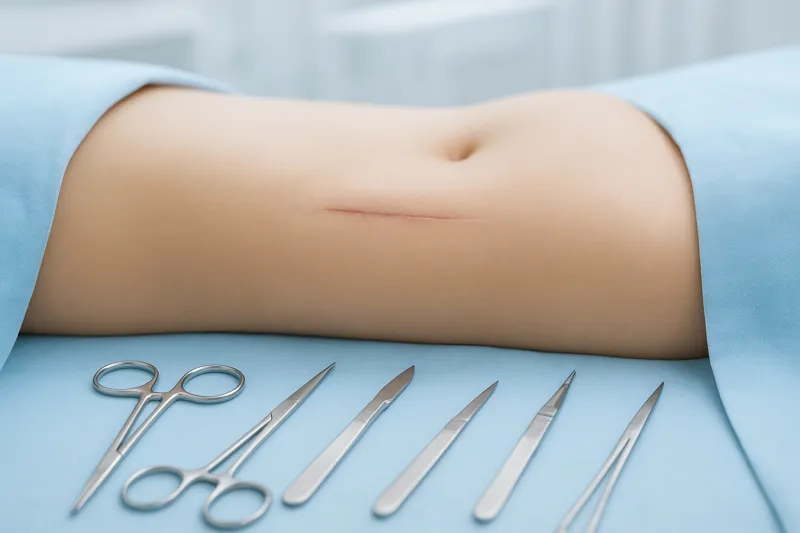
A structured recovery plan is essential after surgery to promote healing, prevent complications, and optimize results. Effective recovery enhances tissue repair, minimizes infection risks, and supports faster return to normal activities.
Recovery occurs in phases: acute, subacute, and maturation. The acute phase involves initial inflammation and wound closure. The subacute phase focuses on tissue rebuilding and reducing swelling. The maturation phase strengthens tissues and restores function over weeks to months.
Following surgeon’s instructions precisely—including medication use, wound care, activity restrictions, and nutrition—is critical. Adherence reduces risks of infection, bleeding, and delayed healing. Patients who engage actively in their recovery experience better functional and aesthetic outcomes.

Careful adherence to your surgeon’s instructions for recovery is critical to avoid complications such as infections, bleeding, or wound dehiscence. These instructions often include guidance on wound care, hygiene, medication schedules, activity limitations, and dietary recommendations designed to promote optimal healing.
Taking prescribed medications exactly as directed enables effective pain control and infection prevention. Avoiding strenuous activities and avoid lifting heavy objects after surgery (generally restricted for 4 to 6 weeks) prevents undue stress on healing tissues. Avoiding driving after surgery or operating machinery while on narcotic pain medications is also essential for safety.
Regular Follow-Up Appointments After Surgery allow your surgical team to monitor healing progress, promptly identify and manage complications, and adjust care plans as needed. Missing appointments can delay detection of infection, poor wound healing, or other issues, potentially prolonging recovery.
Patients should vigilantly watch for symptoms such as persistent or worsening pain, fever above 101°F, continuous vomiting, redness, swelling, or discharge around the incision, severe abdominal pain, or absence of bowel movements within a few days post-surgery. Immediate communication with your surgeon upon noticing these signs is imperative for timely intervention. Understanding when to contact your surgeon ensures patient safety.
The accredited facility at Cape Cod Plastic Surgery upholds stringent cleanliness and sterilization standards to minimize infection risk. Qualified medical professionals oversee every stage of care, providing expert monitoring and ensuring that all postoperative care protocols are meticulously followed. This commitment to quality directly enhances patient safety and supports a smooth recovery after surgery.

A well-balanced diet rich in lean proteins, vitamins A, C, and E, and minerals like zinc and selenium plays a crucial role in supporting tissue repair and immune function after surgery. Proteins from sources such as chicken, eggs, fish, and yogurt help rebuild tissues, while vitamins and minerals contribute to reduced inflammation, enhanced wound healing, and overall recovery. For more information, see Healthy diet for surgical recovery and Nutrition for surgical healing.
Adequate hydration, typically 8 to 10 glasses of water daily, helps maintain bodily functions, supports circulation, and prevents common complications like constipation and delayed healing. Drinking sufficient fluids also aids in flushing anesthesia-related toxins and promotes optimal kidney function. Refer to Hydration and Diet After Surgery and Maintain hydration and nutrition for more details.
Post-surgery diets should avoid high-sodium and sugary foods, such as sports drinks and processed snacks, as excessive sodium can cause water retention and swelling, and sugars may increase fatigue and slow the healing process. For more on foods to avoid, see Avoid high sodium foods after surgery.
For patients experiencing reduced appetite, nutritional supplements rich in protein and essential nutrients can facilitate consistent nutrient intake, supporting energy levels and wound repair. These supplements should be considered in consultation with healthcare providers to tailor care to individual needs. More recommendations can be found under Follow post-surgical instructions and Postoperative Care Guidelines.
Dr. Marc Fater, a board-certified plastic surgeon with over 21 years of experience, brings extensive expertise in cosmetic and reconstructive surgery. Well-versed in wound healing and tissue repair, Dr. Fater is equipped to guide patients through nutritional strategies that optimize surgical recovery. For additional post-surgery care and recovery tips, consult Post-Surgery Care Tips and Recovery After Surgery.

Starting gentle movement after surgery, such as short walks, as soon as medically advised helps improve circulation and prevent complications like blood clots, deep vein thrombosis, and pneumonia. This approach reduces muscle stiffness and supports overall healing without overtaxing the body.
Patients are generally advised to avoid lifting heavy objects after surgery (over 10 pounds) for 4 to 6 weeks post-surgery. This precaution protects the surgical site from injury and prevents complications like wound opening or bleeding.
A gradual return to normal activity over 1 to 3 weeks is recommended. Patients should incrementally increase movement under medical guidance, listening to their bodies and avoiding overexertion to both conserve energy and enhance tissue repair. See Gradually Increasing Activity Post-Surgery for more details.
Individualized rehabilitation plans and physical therapy referrals, when prescribed, ensure safe, patient-centered care. Cape Cod Plastic Surgery tailors these plans to each patient’s surgery type and unique healing needs, optimizing recovery outcomes by balancing appropriate rest with guided exercise and reducing the risk of joint stiffness or muscle atrophy. For additional info, review Post-Surgery Rehabilitation Tips.
Through careful monitoring, patient education, and fostering a collaborative recovery process, Cape Cod Plastic Surgery commits to delivering personalized care that supports both physical healing and patient confidence.
Managing pain effectively is crucial for a smooth recovery. Patients are advised to take prescribed medications as directed to control discomfort and facilitate rest. Cold therapy, such as applying ice packs to the surgical area, can also reduce swelling and ease pain without additional medication. Proactive Pain Management helps improve sleep and appetite, ultimately supporting quicker healing.
Narcotic pain medications must be used cautiously. Patients should Avoid driving on pain medications or operating machinery while under their influence due to impaired reaction times. Pain medication refills should be requested during regular office hours to ensure safe and consistent use. Following the Surgeon's postoperative instructions minimizes risks related to overuse or side effects.
Maintaining Hand hygiene to prevent infection before touching the incision site is vital to reduce infection risk. The incision should be inspected daily for redness, swelling, or unusual drainage. Gentle cleaning with warm water and mild soap is recommended, avoiding harsh substances such as alcohol or peroxide unless specifically directed by the surgeon.
Patients should promptly Contact surgeon for infection signs if they notice signs like increasing redness, swelling, warmth, pus drainage, or if their temperature exceeds 101.5°F. Other symptoms warranting medical attention include persistent severe pain, continuous vomiting, or an incision that opens. Early intervention helps prevent complications and ensures safe healing.
While Cape Cod Plastic Surgery offers non-invasive aesthetic treatments such as Botox and dermal fillers, post-surgical care focuses on pain management and infection prevention aligned with the surgical procedures performed. This approach ensures patients receive expert care tailored to promoting comfort and safety throughout their recovery journey.
Recovering from surgery involves more than physical healing; emotional well-being plays a crucial role. Patients should anticipate a range of emotions, including anxiety or frustration, and strive to set realistic expectations about the recovery timeline and outcomes. Understanding the Post-Surgery Care Tips helps manage these feelings effectively.
Strong support networks are vital in guiding patients through recovery. Family and friends provide emotional encouragement, while healthcare providers offer professional guidance for both physical and emotional care. Regular communication with your surgical team fosters reassurance and timely intervention if concerns arise.
Open dialogue with your surgeons and care team is essential. Patients should feel empowered to discuss any worries about symptoms, pain, or emotional challenges. Proactive communication reduces anxiety and supports personalized care adjustments to enhance recovery.
Overexerting oneself or ignoring scheduled follow-up appointments can impede healing and increase complication risks. Patients should balance Post-Surgery Rehabilitation Tips with ample rest and adhere strictly to post-surgical recovery tips to promote optimal outcomes.
Cape Cod Plastic Surgery offers a broad range of cosmetic and reconstructive surgeries, necessitating tailored emotional and physical recovery plans to address diverse patient needs. Personalized care ensures patients receive comprehensive support throughout their healing journey.
Following your surgeon's specific instructions regarding medication, wound care, nutrition, and activity restrictions is vital. This careful approach helps prevent complications and supports optimal healing.
A balanced diet rich in lean proteins, vitamins, and hydration accelerates tissue repair. Gentle, guided movement enhances circulation and reduces risks like blood clots and stiffness.
Effective pain control and emotional support enable restful recovery and promote patient comfort throughout the healing stages.
Open communication with your Cape Cod Plastic Surgery team ensures timely management of concerns. Our experienced surgeons, including Dr. Marc Fater, provide personalized care within a fully accredited facility.
Following these expert guidelines leads to improved recovery outcomes and heightened patient satisfaction, empowering you to regain confidence and well-being.
October 5, 2026
Why Our On-Site Accredited Facility Matters for Your Safety

October 2, 2026
Beyond the Calendar: How to Know You’re Truly Ready for Plastic Surgery

October 2, 2026
Exploring Your Breast Augmentation Options: Implants, Shapes, and What to Expect
Cape Cod Plastic Surgery offers expert cosmetic and reconstructive procedures in a safe, accredited setting. Led by Dr. Marc Fater, we combine advanced techniques with personalized care to help you look and feel your best.
Monday: 9:00 AM – 5:00 PM
Tuesday: 9:00 AM – 5:00 PM
Wednesday: 9:00 AM – 5:00 PM
Thursday: 9:00 AM – 5:00 PM
Friday: 9:00 AM – 5:00 PM