
September 9, 2026
How to Care for Surgical Incisions Properly
Expert Guide to Proper Surgical Incision Care
Jan 27, 2026
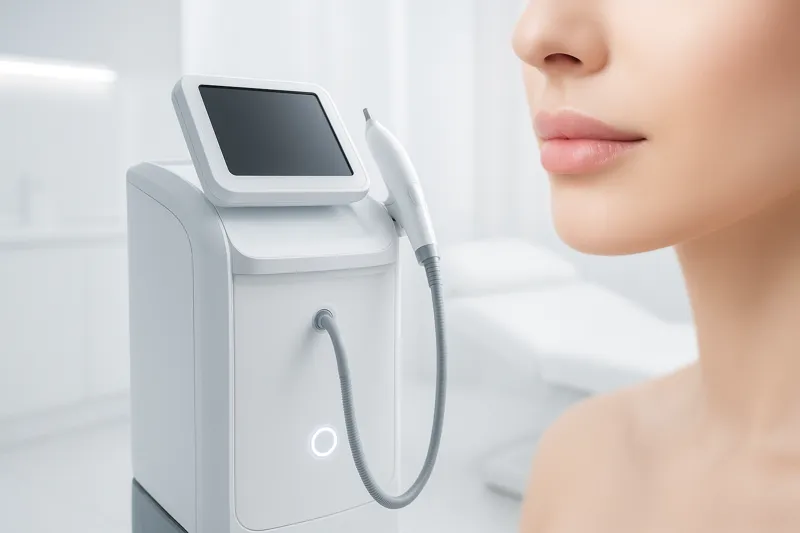
Non-invasive cosmetic procedures continue to gain remarkable popularity, driven by a demand reflected in over 80% of consumers showing interest. The market, valued in the tens of billions USD, is expanding rapidly with innovations enhancing effectiveness and safety.
These treatments offer significant advantages including minimal downtime, reduced risk compared to surgery, and natural-looking results. Procedures like injectables (Botox®, dermal fillers), laser resurfacing, and energy-based therapies (Ultherapy®, radiofrequency microneedling) streamline recovery while improving skin texture, contour, and firmness.
Today's landscape features advanced technology such as ultrasound-based fat reduction (UltraShape® Power), innovative laser systems (Harmony XL Pro), combined microneedling and radiofrequency devices (Morpheus8), and biostimulant injectables (Sculptra®). These options are complemented by emerging AI-driven personalized plans and at-home devices to maintain treatment outcomes safely and conveniently.
Overall, the future of aesthetic medicine is evolving towards safer, more effective non-invasive treatments offering patients convenient, customizable care that enhances appearance confidently.

Yes, plastic surgeons extensively utilize lasers in cosmetic and reconstructive surgery. Common procedures include Laser skin resurfacing NYC, which effectively diminishes wrinkles, scars, pigmentation irregularities, and other skin imperfections. Advanced laser systems such as CO2 and erbium:YAG allow surgeons to precisely remove damaged or aged skin layers, promoting collagen synthesis that restores skin firmness and smoothness.
Laser treatments can be classified into two major types:
Innovations such as epidermal cooling settings, fractional photothermolysis, and selective wavelength lasers enhance treatment safety and reduce side effects. Imaging technologies (e.g., Optical coherence tomography) now assist surgeons in tailoring laser parameters to individual skin characteristics, improving precision. These advancements mitigate risks, especially when treating sensitive or darker skin types.
Laser procedures demand expertise; outcomes and safety heavily rely on skilled surgeons and certified practitioners. Patients should carefully select professionals with specialized training in Laser treatments in plastic surgery and adhere strictly to safety protocols.
Pre-treatment involves avoiding sun exposure and certain skincare products like retinol. Post-procedure, patients should follow guidelines to optimize healing, which may include moisturizing and sun protection. Recovery timelines vary by laser type but are shorter with advanced non-ablative and fractional systems, enabling patients to return to daily activities promptly.

The forefront of Hair reduction laser therapy technology in 2025 leverages advanced diode lasers. These precision devices use selective photothermolysis to specifically target hair follicles with concentrated light energy absorbed by melanin. The absorbed light converts to heat, effectively weakening hair follicles to disrupt their growth cycle. Enhanced cooling systems, such as sapphire contact cooling and cryogen sprays, have improved safety and comfort for patients across all skin types, including darker skin tones. This technology requires multi-session treatments spaced weeks apart, addressing hair in its active growth phase for sustained, long-term reduction. The adaptability and efficiency of diode lasers make them a leading choice for permanent hair removal solutions today.
Motioning significant innovation in Non-invasive skin tightening, 2025 introduces refined ultrasound therapies like Ultherapy (Ultrasound therapy), which harnesses focused ultrasound to penetrate deep layers of skin (up to 5mm). This modality stimulates collagen production to lift and tighten facial, neck, and chest skin safely and effectively. Alongside ultrasound, radiofrequency (RF) treatments continue to evolve, delivering heat to dermal layers to promote collagen remodeling over several months, with results lasting from one to three years. Combining RF with microneedling amplifies collagen stimulation, tightening skin and reducing wrinkles with minimal downtime. These advances provide patients with effective, gradual facial rejuvenation options without surgery.
Non-invasive skin tightening emerged as the leading revenue generator in the U.S. laser treatment market in 2024, reflecting growing patient preference for minimally invasive aesthetic procedures. Laser Skin Resurfacing also contributes robustly to revenue, prized for its ability to address fine lines, scars, and pigmentation irregularities effectively. Technological advancements, particularly those enhancing precision and diminishing recovery time, have broadened patient access and satisfaction. The combined popularity of skin tightening and resurfacing procedures secures their place as dominant revenue drivers in the laser aesthetics field.
These breakthroughs prioritize patient comfort and safety. Modern laser treatments in plastic surgery incorporate advanced cooling and customizable settings for treating diverse skin tones safely. Minimal downtime and gradual, natural-looking improvements make these treatments appealing for busy patients seeking effective results without extensive recovery. Qualified practitioners ensure customized care, optimizing outcomes while maintaining high safety standards.
| Treatment Type | Technology Focus | Benefits | Patient Experience |
|---|---|---|---|
| Laser Hair Removal | Advanced Diode Lasers | Permanent reduction, suitable for all skin types | Comfortable with cooling tech |
| Skin Tightening | Ultherapy (Ultrasound therapy), RF, RF Microneedling | Collagen stimulation, skin lifting, minimal downtime | Gradual, natural results |
| Market Trends 2024/25 | Non-invasive skin tightening, laser resurfacing | High revenue, growing demand | Accessible with minimal recovery |

Fractional laser resurfacing is an advanced skin rejuvenation technique that targets microscopic areas of the skin to stimulate collagen production. This controlled approach allows for the treatment of fine lines, wrinkles, pigmentation irregularities, and uneven skin tone, resulting in smoother, firmer, and more youthful skin. Its precision minimizes damage to surrounding tissue, accelerating recovery and reducing downtime compared to traditional laser methods.
Ablative laser therapy removes the outer skin layers to address deeper wrinkles and scars, offering dramatic improvements but with longer healing times. Non-ablative laser treatments, in contrast, penetrate the skin without surface removal, promoting collagen remodeling with less discomfort and minimal downtime. Both types play pivotal roles in skin therapy, depending on patient needs and desired outcomes.
Recent breakthroughs include Hybrid fractional laser technology like Halo® hybrid fractional laser, combining ablative and non-ablative wavelengths for comprehensive skin renewal. Other innovative treatments, such as Moxi® laser treatment and ProFractional® customizable depth laser, offer customizable options with minimal recovery. Technologies targeting pigmentation, including lasers emitting specific wavelengths (e.g., advanced laser wavelengths 755nm, 532nm, 1064nm), have enhanced effectiveness across diverse skin tones.
Debuting in 2026, UltraClear™ with Laser-Coring™ represents a cutting-edge facial laser procedure. This non-invasive cosmetic treatment precisely removes damaged skin layers while stimulating collagen, improving texture, firmness, and tone. It stands out by minimizing discomfort and downtime, making it an appealing option for patients seeking efficient and safe facial rejuvenation.
Advanced imaging techniques like optical coherence tomography and confocal microscopy provide detailed skin analysis, enabling tailored treatment plans. AI integration further refines these plans by predicting optimal laser settings for individual skin conditions, maximizing results and minimizing side effects. These technologies herald a new era of personalized, Smart facial rejuvenation.
Recovery varies by laser type and treatment intensity but typically involves minimal downtime with proper care. Personalized protocols, informed by thorough evaluation and imaging, ensure treatments suit patient skin type and goals. Patients are guided on pre- and post-treatment steps, including sun avoidance and skincare routines, enhancing safety and optimizing outcomes.
Botox® injections NYC is widely recognized as the most popular non-surgical cosmetic procedure in the United States. It works by injecting small doses of botulinum toxin to temporarily relax facial muscles, primarily targeting wrinkles on the forehead, between the eyebrows, and around the eyes. This Neuromodulator Injections treatment smooths lines effectively and requires virtually no downtime, making it a quick and minimally invasive option for facial rejuvenation.
Alongside Botox, dermal fillers such as Juvaderm® filler treatments, Dermal fillers Restylane®, Radiesse® wrinkle treatment, and Sculptra® facial contouring are prevalent choices. These fillers restore facial volume, contour features, and smooth fine lines with results lasting from several months up to two years or more. Injectable biostimulants, like Sculptra and Radiesse also encourage natural collagen production, contributing to gradual and long-lasting rejuvenation.
Injectables are often combined with advanced skin treatments like Laser skin resurfacing NYC and Micro-needling with radio-frequency to optimize outcomes. For example, microneedling stimulates collagen while enhancing the absorption of serums, and Laser treatments in plastic surgery improve Skin texture and tone improvement. This multimodal approach results in confidence-boosting improvements in skin firmness, wrinkle reduction, and overall facial harmony.
Non-surgical alternatives to facelifts include Non-surgical thread lifts that use dissolvable sutures to lift sagging skin with minimal downtime. Energy-based treatments, such as Ultherapy® skin lifting (ultrasound) and Radiofrequency skin tightening devices, stimulate collagen production to tighten skin naturally over time. These options offer subtle lifts and skin tightening without surgery, catering to patients seeking less invasive facial rejuvenation.
PRP therapy for skin rejuvenation and hair growth utilizes a patient’s own blood components rich in growth factors to promote skin healing and hair regrowth. This safe and natural procedure enhances skin texture and elasticity and supports hair follicle stimulation, making it a valuable adjunct in non-invasive anti-aging and hair restoration treatments.

The market for non-invasive aesthetic treatments and minimally invasive aesthetic treatments is experiencing significant growth, driven by consumer interest and technological advancements. Valued around USD 61.2 billion in 2022, this sector is poised to reach approximately USD 190.5 billion by 2030, reflecting a robust compound annual growth rate of 15.4%. This surge underscores an increasing preference for treatments that offer effective results with minimal downtime.
Facial aesthetic care in 2025 highlights a blend of advanced technologies with a focus on natural, subtle enhancements. Injectable cosmetic treatments such as injectable neuromodulators and dermal fillers continue to gain popularity for their ability to create customized facial harmony and address early aging signs. Energy-based devices promoting collagen production and skin texture improvement are also trending.
Artificial intelligence integration is revolutionizing treatment personalization, enabling clinicians to design tailored plans that optimize outcomes. Combination therapies and multimodal systems like EvolveX—which merges radiofrequency, electrical muscle stimulation, and fat reduction technologies—offer comprehensive solutions for body sculpting and skin tightening.
Regenerative techniques including PRP therapy for skin rejuvenation and hair growth microneedling and Exosome regenerative treatments are advancing skin rejuvenation by stimulating cellular renewal, improving texture, and reducing signs of aging. These treatments leverage the body’s natural healing processes, promoting safer and more effective outcomes.
Cryolipolysis for fat reduction remains a popular method for non-invasive fat reduction methods, with technologies like CoolSculpting Elite fat freezing technology improving efficiency and comfort. New ultrasound-based methods such as UltraShape® Power ultrasound fat targeting further enhance targeted fat reduction, broadening the options for precise innovative body sculpting techniques.
At-home aesthetic treatment devices are increasingly complementing professional treatments to maintain skin health and prolong results. These tools focus on enhancing skin texture, promoting collagen production, and supporting overall treatment effects, providing patients with convenient and continuous care options.
| Topic | Innovation Example | Patient Benefit |
|---|---|---|
| Market Demand | Rapid growth projection | Greater treatment accessibility |
| Personalized Care | AI-driven plans | Customized, optimized outcomes |
| Combination Therapies | EvolveX multi-modality | Comprehensive skin and body rejuvenation |
| Regenerative Treatments | PRP microneedling, exosomes | Natural skin renewal and anti-aging |
| Body Sculpting | CoolSculpting Elite, Ultrasound Fat Reduction | Effective and comfortable fat targeting |
| At-home Maintenance | Consumer devices | Convenient support for lasting results |
Recent innovations in non-invasive and laser therapies are revolutionizing aesthetic medicine, offering patients effective results with minimal downtime. Technologies such as UltraShape® Power and CoolSculpting Elite enhance body sculpting by targeting stubborn fat safely and comfortably. Laser systems like Harmony XL Pro and hybrid fractional lasers provide versatile solutions for skin resurfacing, hair removal, and pigmentation correction across diverse skin types.
These treatments prioritize safety, using advanced technologies to minimize discomfort and reduce recovery periods. Procedures including RF microneedling, Ultherapy®, and injectable biostimulants stimulate natural collagen production, improving skin tone and texture without surgery. The combination of different modalities—such as microneedling with radiofrequency, or injectable fillers with laser resurfacing—allows tailored therapies that suit individual patient needs.
The non-invasive aesthetic market is rapidly expanding, driven by increasing patient demand and significant technological progress. Innovations like AI integration for personalized plans, at-home maintenance devices, and regenerative treatments underscore this growth. Such advancements improve accessibility and broaden treatment options for a wide range of skin concerns and body contouring goals.
Patient safety and successful outcomes are closely linked to consulting certified specialists with expertise in these advanced techniques. Personalized treatment plans, developed by qualified providers, ensure optimal results, enhancing confidence and aesthetic appearance while maintaining the highest standards of clinical care.
September 9, 2026
Expert Guide to Proper Surgical Incision Care
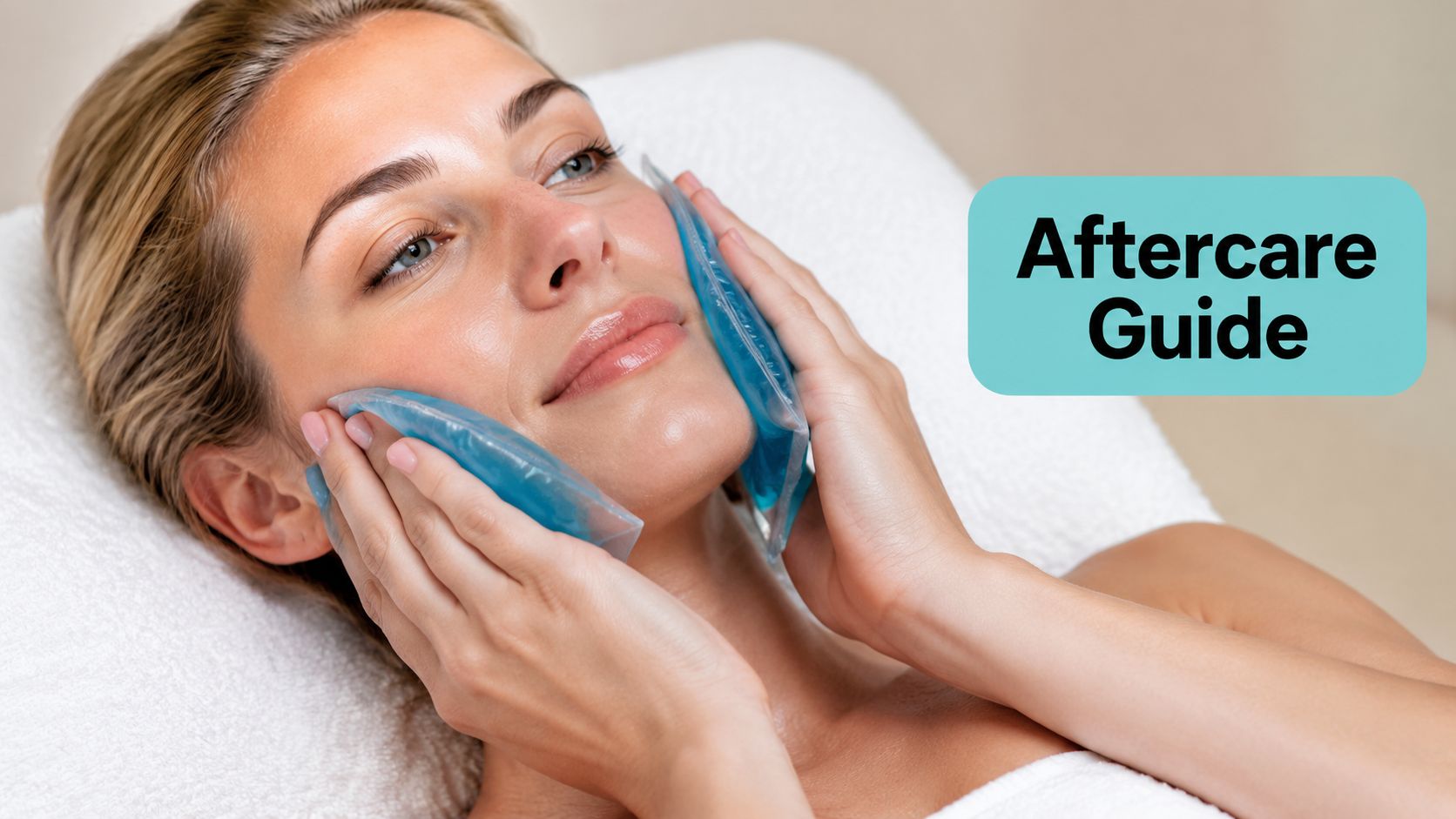
Master dermal fillers aftercare with do's and don'ts, swelling tips, activity limits and warning signs to protect your results and heal smoothly.

September 8, 2026
Ensuring Safety: Why Your Surgeon's Credentials Matter Most

Cape Cod Plastic Surgery offers expert cosmetic and reconstructive procedures in a safe, accredited setting. Led by Dr. Marc Fater, we combine advanced techniques with personalized care to help you look and feel your best.
Monday: 9:00 AM – 5:00 PM
Tuesday: 9:00 AM – 5:00 PM
Wednesday: 9:00 AM – 5:00 PM
Thursday: 9:00 AM – 5:00 PM
Friday: 9:00 AM – 5:00 PM