
September 9, 2026
How to Care for Surgical Incisions Properly
Expert Guide to Proper Surgical Incision Care
Feb 10, 2026
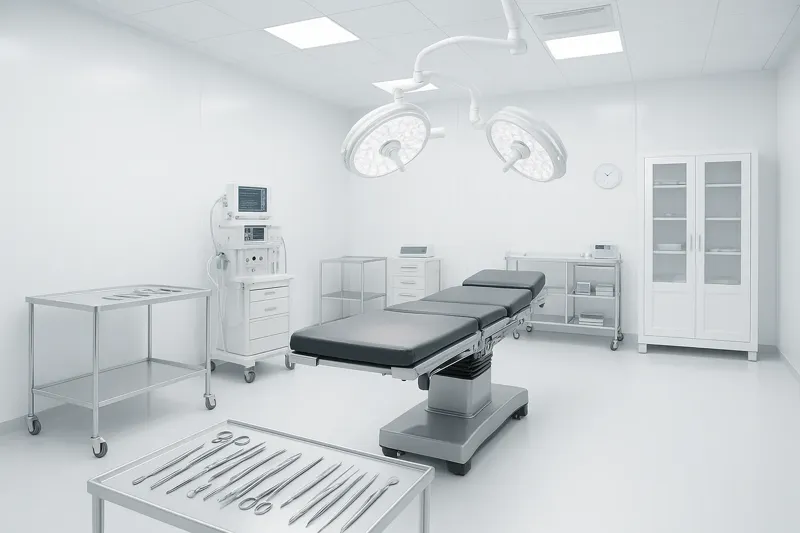
Surgical suite accreditation ensures that a facility adheres to rigorous national standards for safety, equipment, personnel qualifications, and emergency preparedness. Accreditation confirms that plastic surgery procedures occur in environments designed to minimize risks through high-quality operating room conditions, qualified staff, and strict infection control protocols. These standards reflect a commitment to excellence and patient safety.
Prominent accreditation organizations include the American Association for Accreditation of Ambulatory Surgery Facilities (AAAASF), Accreditation Association for Ambulatory Health Care (AAAHC), and The Joint Commission (JCAHO). Each evaluates facilities on criteria such as staff credentials, operating room safety, equipment management, and emergency readiness. These bodies regularly inspect to verify compliance, contributing to continuous quality improvement in plastic surgery centers.
Data consistently shows that accredited facilities have significantly lower complication and mortality rates; serious complications occur in fewer than 0.5% of cases, and mortality is less than 1 in 57,000. Accreditation thus correlates with safer surgical environments and superior patient outcomes. By choosing accredited surgical suites, patients gain access to advanced surgical techniques delivered in facilities emphasizing safety and personalized care.

Healthcare facilities implement rigorous Surgical Suite Safety to protect both patients and staff. These include strict hand hygiene protocols, consistent and proper use of personal protective equipment (PPE), and respiratory hygiene practices such as cough etiquette to minimize airborne transmission of infections.
Cleaning and disinfection of surfaces, safe handling of textiles, and effective laundry processes are critical to preventing the spread of pathogens. Exposure control measures also encompass maintaining adequate ventilation systems to reduce airborne contaminants. In circumstances like the COVID-19 pandemic, healthcare personnel use fit-tested NIOSH-approved N95 respirators during infectious periods, which can last up to 10 days after symptom onset or a positive test.
Compliance with OSHA and state mandates ensures safe workplace environments, including detailed recordkeeping of infection-related injuries and illnesses.
Accredited surgical facilities must have a highly qualified team including board-certified plastic surgeons and licensed anesthesia providers such as board-certified anesthesiologists or certified nurse anesthetists. Support staff must be credentialed and trained in advanced life support techniques, with at least one member certified in ACLS-certified staff requirements on duty during procedures.
This ensures prompt and expert response to any intraoperative or postoperative emergencies, maintaining patient safety throughout surgical care.
Facilities must maintain Fully Equipped Operating Rooms ready for various emergency situations. This includes having functional cardiac monitors in surgery, resuscitators in operating room suites, defibrillator availability, operating room aspirator devices, and tracheotomy sets in hospitals. Regular equipment inspections and maintenance programs guarantee operational readiness.
Emergency protocols are well-established and reviewed routinely, addressing scenarios such as fires, weather disruptions, or medical crises to provide rapid and efficient responses. Backup power systems also ensure uninterrupted patient care during outages.
Air Quality in the Operating Room and infection control are pillars in accredited facilities, incorporating sterilization and disinfection practices that minimize surgical site infections. Use of Unidirectional ultraclean air systems significantly improves air quality by reducing microbial contamination during surgery.
Additional safety measures include sterilizing surgical instruments, utilizing Surgical Smoke Evacuation Systems, and following strict sterile field protocols.
Together, these practices foster a safe and clean surgical environment, optimizing patient outcomes and reducing postoperative complications.
Healthcare accreditation is a comprehensive evaluation conducted by independent accrediting organizations for facilities to ensure that healthcare facilities meet established quality and safety standards. The process typically includes an in-depth review comprising unannounced on-site surveys, where trained surveyors assess patient records, physical facilities, staff qualifications, and observe care delivery. Interviews with staff and patients also form part of the evaluation, providing a full picture of compliance with operational protocols.
Standards are rigorously developed through collaboration of healthcare experts, professional bodies, and regulatory authorities, focusing on crucial areas such as National standards for patient safety, infection control, Emergency preparedness in surgical centers, and organizational management. When a facility successfully meets or exceeds these standards, it earns an accreditation seal that signifies its commitment to delivering high-quality, safe patient care. Maintaining accreditation requires ongoing compliance, regular reassessment, and continuous quality improvement efforts.
Several national organizations are recognized for accrediting surgical facilities and ensuring they uphold the highest standards in safety and quality:
AAASF (American Association for Accreditation of Ambulatory Surgery Facilities): Focuses on outpatient surgical centers, especially plastic surgery facilities, with rigorous standards on staff qualifications, equipment safety, and infection control.
AAAHC (Accreditation Association for Ambulatory Health Care): Covers a broad range of ambulatory healthcare settings, emphasizing patient care protocols, sanitation, and emergency readiness.
JCAHO (The Joint Commission): Known for the strictest requirements, JCAHO accredits hospitals and ambulatory surgery centers, integrating advanced safety and quality measures.
QUAD A: A global accreditation leader concentrating on ambulatory surgery centers, promoting patient safety, risk management, and operational efficiency.
The Joint Commission: Provides detailed accreditation programs tailored for various surgical suites including office-based surgery settings, ensuring thorough compliance with safety and quality benchmarks.
Ambulatory Surgery Centers and Office-Based Surgery Suites are subject to specialized accreditation requirements due to their unique operational scope:
Ambulatory Surgery Centers (ASCs): Must comply with Medicare Conditions for Coverage enforced by the Centers for Medicare & Medicaid Services (CMS), ensuring adherence to federal safety standards. Accredited by organizations such as AAAHC accreditation, AAAASF Accreditation, The Joint Commission for ASCs, and QUAD A accreditation standards, ASCs are evaluated regularly for emergency preparedness, infection control, staff qualifications, and surgical quality outcomes.
Office-Based Surgery Suites (OBS): These facility types must meet equivalent safety, sterility, and infection control protocols as ASCs and hospital outpatient departments. Accrediting bodies like The Joint Commission and QUAD A provide dedicated accreditation for OBS, verifying that anesthesia administration, equipment, and personnel meet exacting standards relevant to minimally invasive and outpatient surgical procedures.
Certification and accreditation complement each other to maintain high standards in surgical care:
Surgeons: Board certification through recognized specialty boards (e.g., ABCS Surgeon Certification and Facility Accreditation) and hospital privileges at Accredited facilities confirm a surgeon’s skill and ongoing proficiency.
Surgical Technologists: The Accreditation Review Council on Education in Surgical Technology and Surgical Assisting (ARC/STSA) sets the gold standard for educational program accreditation. Graduates who pass the Certified Surgical Technologist (CST) exam administered by the National Board of Surgical Technology and Surgical Assisting (NBSTSA) demonstrate verified competence in surgical assistance, sterile technique, and patient safety.
Together, these certifications ensure that surgical teams possess the qualifications, training, and up-to-date knowledge essential to delivering safe and effective care within accredited facilities.
Ambulatory Surgery Centers (ASCs) are specialized healthcare facilities focused on performing outpatient surgical procedures safely and efficiently. ASC accreditation involves a thorough evaluation of these centers by recognized organizations such as AAAHC accreditation, The Joint Commission for ASCs, AAAASF Accreditation, and others to ensure strict compliance with nationally accepted standards of patient care and safety. This voluntary accreditation process confirms that ASCs maintain high-quality clinical and operational practices similar to those found in hospital outpatient departments.
Accredited ASCs must adhere to rigorous standards involving ASC infection control requirements, Qualified Support Staff in Surgery, emergency preparedness, and equipment maintenance. These requirements help create a safer surgical environment, substantially reducing the risk of complications and infection. For example, accreditation mandates the presence of trained personnel certified in advanced cardiac life support and ensures reliable equipment and sterile operating rooms. Regular inspections and continuous quality improvement programs further guarantee sustained excellence in patient care.
Many ASCs hold both Medicare Facility Accreditation and private accreditation, which together provide reinforced assurance of care quality. Medicare certification is a federally mandated standard confirming that facilities meet basic health and safety requirements for Medicare beneficiaries. However, private accreditation organizations often impose even stricter standards and perform more frequent evaluations, making private accreditation a mark of enhanced safety and quality beyond federal requirements.
Accredited ASCs report significantly lower rates of serious complications and mortality compared to non-accredited facilities. This is due to stringent protocols, qualified staff, and emergency readiness that protect patients throughout their surgical experience. By choosing an accredited surgical facility, patients benefit from safer procedures, improved outcomes, and a transparent healthcare environment. Accreditation also empowers patients with confidence that their surgical care adheres to the National standards for patient safety, promoting trust and peace of mind throughout their treatment journey.

The surgical safety checklist is a vital protocol designed to enhance patient safety through structured steps before, during, and after surgery. It consists of three main components:
Beyond the safety checklist stages, comprehensive surgical safety includes:
Verification is a collective responsibility of the entire surgical team. This includes surgeons, anesthesiologists, nurses, and support staff. They perform verbal confirmations referencing patient records, identification bands, and consent forms. The patient’s participation is also encouraged through confirmation of surgical site markings during preoperative discussions. The final "time-out" step consolidates this verification, ensuring that every member concurs on the accurate patient, procedure, and site before proceeding.
Implementation of surgical safety checklists has been shown to significantly reduce medical errors such as wrong-site surgery, retained instruments, and adverse anesthesia reactions. These protocols enhance communication, promote adherence to infection control measures, and ensure preparedness. Studies link checklist use with lower complication rates, improved team coordination, and better patient outcomes, making them an essential standard in accredited surgical facilities.
Accreditation in healthcare signifies that a facility consistently meets rigorous National standards for patient safety established by independent organizations. This validation ensures a high level of patient safety, quality care, and adherence to regulatory requirements. Facilities that maintain accreditation demonstrate a commitment to continuous improvement by regularly reviewing and updating their practices, protocols, and treatment plans.
Patients benefit from choosing Accredited facilities because these centers offer safer environments with well-trained personnel, including Board-certified plastic surgeons and qualified anesthesia providers. Accreditation also ensures facilities maintain stringent sanitation practices, modern, functional equipment, and Emergency preparedness in surgical centers to respond efficiently to unforeseen events.
Moreover, accreditation builds patient trust and confidence, as it publicly affirms that the facility meets Recognized accreditation organizations for facilities quality benchmarks. It also assists healthcare organizations in complying with legal standards and may offer financial advantages through insurance and Medicare Facility Accreditation.
Quality management systems in accredited surgical facilities oversee staff credentials, equipment maintenance, infection control, and patient care standards. These systems facilitate ongoing compliance through regular internal audits and external inspections conducted by Major Surgical Accrediting Bodies.
Such oversight ensures that the facility continually meets evolving healthcare standards, preventing lapses that could compromise patient safety. Facilities are also required to maintain updated Treatment plan reviews and updates and pharmaceutical inventories, reducing risks of outdated treatments and expired medications.
Peer review mechanisms, where surgeons monitor care quality, further enhance safety and accountability. Accreditation demands periodic re-evaluation, ensuring that excellence in care is sustained over time.
Operating rooms in accredited surgical suites must be equipped with essential, well-maintained devices such as Cardiac monitors in surgery, defibrillators, resuscitators, and aspirators. They utilize advanced air quality systems like Laminar airflow benefits to reduce infection risks and employ strict Advanced sterilization techniques and disinfection protocols.
Personnel must include Board-certified surgeons and Qualified anesthesiologists and nurse anesthetists trained in advanced life support techniques such as ACLS-certified staff requirements. Staff undergo ongoing training in safety procedures, infection prevention, and emergency response.
Facilities also ensure proper ergonomic design, noise control, and precise lighting to support both patient safety and staff well-being during procedures. These robust standards collectively protect patients and streamline surgical care.
Accreditation promotes transparency by publicly displaying Patients' rights in surgical facilities, safety protocols, and facility certifications. This openness reassures patients that their care environment adheres to strict safety and ethical regulations.
Legally, accredited centers comply with federal, state, and local regulations, including HIPAA compliance, OSHA standards for hazardous material handling, and Safety standards in plastic surgery. This compliance reduces legal risks for both patients and providers.
Clinically, accredited surgical centers demonstrate Lower complication and mortality rates compared to non-accredited settings. Their comprehensive Surgical Safety Checklists and advanced monitoring technologies reduce human errors and enhance surgical success rates.
Ultimately, accreditation empowers patients to make informed choices and ensures that surgical procedures are performed under the safest and most reliable conditions.
| Aspect | Details | Impact |
|---|---|---|
| Accreditation Benefits | Ensures Patient safety in cosmetic procedures, trust, compliance | Builds patient confidence |
| Quality Management | Regular audits, peer review, updated protocols | Sustains high standards |
| Equipment and Personnel | Operating room equipment requirements, advanced air systems, essential devices, certified staff | Lowers infection and complication rates |
| Patient and Legal Assurance | Transparency, HIPAA, OSHA compliance | Protects rights and reduces legal risks |
September 9, 2026
Expert Guide to Proper Surgical Incision Care

Master dermal fillers aftercare with do's and don'ts, swelling tips, activity limits and warning signs to protect your results and heal smoothly.

September 8, 2026
Ensuring Safety: Why Your Surgeon's Credentials Matter Most
Cape Cod Plastic Surgery offers expert cosmetic and reconstructive procedures in a safe, accredited setting. Led by Dr. Marc Fater, we combine advanced techniques with personalized care to help you look and feel your best.
Monday: 9:00 AM – 5:00 PM
Tuesday: 9:00 AM – 5:00 PM
Wednesday: 9:00 AM – 5:00 PM
Thursday: 9:00 AM – 5:00 PM
Friday: 9:00 AM – 5:00 PM