

September 9, 2026
How to Care for Surgical Incisions Properly
Expert Guide to Proper Surgical Incision Care
Feb 12, 2026

Plastic surgery is a medical specialty focused on repairing, reconstructing, and enhancing physical features affected by congenital defects, trauma, disease, or aging. It includes both functional restoration and aesthetic improvement.
Cosmetic surgery aims to improve appearance and self-esteem by reshaping normal body structures, typically not covered by insurance. In contrast, reconstructive surgery addresses abnormalities impacting function and appearance caused by trauma, birth defects, or disease and may be covered by insurance.
Choosing a board-certified plastic surgeon—certified by the American Board of Plastic Surgery or an equivalent—is crucial. This certification confirms extensive specialized training and adherence to safety standards. Surgeons with hospital privileges and who operate in accredited facilities are generally more reliable and ensure high-quality care.
Plastic surgery covers diverse procedures such as facelifts, rhinoplasty, breast surgeries, liposuction, and reconstructive operations. Safety is prioritized through accredited surgical centers, certified anesthesia providers, and thorough preoperative evaluation. Patients receive detailed instructions and follow-up to optimize recovery and outcomes.

The term "plastic" in plastic surgery originates from the Greek word "plastikos," meaning "to mold or shape." This reflects the specialty's focus on reshaping and reconstructing tissues rather than the use of synthetic plastics. For more details, see Plastic surgery definition.
Plastic surgery encompasses two main areas: Cosmetic surgery overview and Reconstructive surgery information. Cosmetic surgery aims to improve appearance and self-esteem by reshaping normal body structures, such as facelifts and breast augmentation. Reconstructive surgery, on the other hand, addresses abnormal structures caused by congenital defects, trauma, or disease, aiming to restore function and appearance, often covered by health insurance. Learn more about cosmetic vs reconstructive surgery.
Common aesthetic procedures include Rhinoplasty and nose reshaping, Chin contouring (mentoplasty), Otoplasty for protruding ears, Face-lifts and eyelid surgery (blepharoplasty), and Hair transplants. Reconstructive procedures involve Skin grafts and flap procedures, Breast reconstruction post-mastectomy, and treatments for burns or deformities.
Although called "plastic surgery," the specialty primarily uses biological tissues such as skin, fat, and muscle for reconstruction and aesthetic improvements. Techniques include Skin grafts and flap procedures and fat removal through liposuction for localized fat. Plastic-like synthetic materials are sparingly used, only when necessary and with caution due to potential reactions. For further information about use of synthetic materials in reconstruction and Tattoo removal challenges, see the linked resources.
Despite the term "plastic," this surgery focuses on reshaping or reconstructing body parts using skin, tissue, and biological materials, not plastics. It includes procedures like skin grafts and liposuction aimed at healing, restoration, or aesthetic improvement. Additional information on plastic surgery overview and plastic surgery training and certification is available.

Ideal candidates for plastic surgery overview are generally healthy individuals capable of tolerating the surgical procedure and anesthesia. A comprehensive medical evaluation is performed during the consultation to assess physical readiness, including reviewing medical history and conducting necessary tests. Certain conditions, such as active infections or uncontrolled chronic diseases, may preclude surgery to ensure patient safety.
Smoking significantly increases the risk of complications related to wound healing, infection, and anesthesia. Surgeons recommend that candidates be non-smokers or must abstain from smoking for a prescribed period before and after surgery to optimize Plastic surgery recovery time and achieve the best results.
Candidates should have a clear understanding of what surgery can accomplish and realistic expectations regarding outcomes. Psychological stability is crucial, as surgery can have emotional and physical impacts. Surgeons assess motivation and readiness during consultations to ensure patients pursue surgery for appropriate reasons, considering Psychological considerations in plastic surgery.
During the initial consultation, the surgeon evaluates the candidate's medical status, discusses goals, and reviews potential risks and benefits. This personalized assessment determines if surgery is appropriate and helps tailor the procedure to meet the patient’s individual needs and safety requirements, aligning with Plastic surgery consultation and fees.
| Factor | Details | Significance |
|---|---|---|
| Health Status | Physical exams, medical history, lab tests | Ensures ability to tolerate surgery |
| Smoking | Non-smoking preferred or required before surgery | Reduces risk of complications |
| Psychological Readiness | Stable mental health and realistic expectations | Supports positive surgical outcomes |
| Consultation | Personalized evaluation and discussion of goals and risks | Confirms suitability and plans appropriate care |
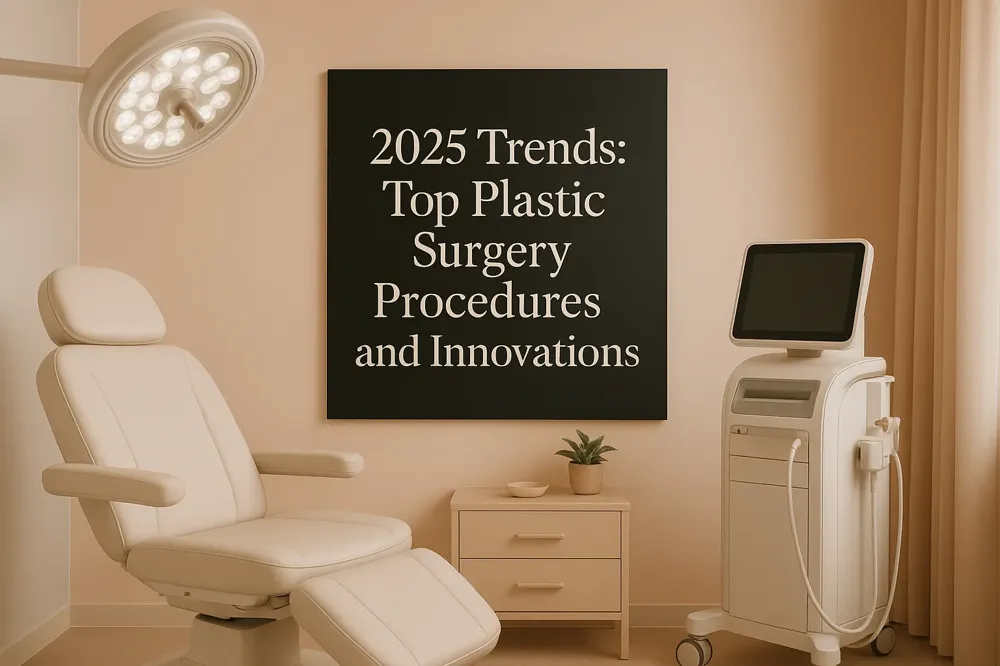
The most popular surgical procedures requested in 2025 include liposuction, breast augmentation, facelifts, tummy tucks (abdominoplasty), blepharoplasty (eyelid surgery), and Brazilian Butt Lifts. These surgeries remain staples due to their effectiveness in reshaping and enhancing body contours and facial features.
Along with these traditional surgeries, there has been a growing demand for minimally invasive treatments such as Botox and dermal fillers like Juvéderm and Restylane®. These treatments offer temporary wrinkle reduction and facial volume restoration with little to no downtime, making them appealing for patients seeking subtle rejuvenation.
In response to patient preferences, there is a strong trend toward achieving natural and subtle results rather than dramatic changes. Surgeons utilize innovations like 3D imaging technology to personalize surgical planning and provide patients with realistic previews of expected outcomes. Additionally, fat transfer techniques have gained popularity for their ability to use the patient's own tissue to enhance contours gently and naturally, reducing the need for implants or synthetic fillers.
These advancements and trends reflect a patient-centered approach in 2025, focusing on safety, natural aesthetics, and tailored treatment plans to enhance confidence with minimal disruption to daily life.

Choosing a surgeon certified by the American Board of Plastic Surgery (ABPS) is crucial. This certification confirms the surgeon has completed extensive training, passed rigorous exams, and adheres to high standards specific to plastic surgery. Board certification is a reliable marker of expertise and patient safety.
Surgeons with hospital privileges are approved by reputable medical institutions, indicating professional trust and competence. Likewise, having surgery performed in an accredited surgical facility ensures the center meets strict safety and emergency preparedness standards, which significantly reduces risks during surgery.
Surgeons who regularly perform specific procedures, participate in research, and contribute to advancements tend to achieve better results. Patients should inquire about the surgeon's experience with their chosen procedure and request before-and-after photos to set realistic expectations.
All surgeries carry inherent risks; therefore, open discussions about potential complications are essential. Accredited facilities must have certified anesthetists and emergency equipment to handle unexpected situations promptly and safely.
Patients should confirm board certification, ask about the surgeon’s experience and number of procedures performed, ensure the surgery will be in an accredited facility, discuss all risks and expected recovery details, and verify if the surgeon holds hospital privileges. These steps are vital to ensuring a safe and satisfactory surgical experience.
Two primary anesthesia methods are used depending on the procedure and patient needs: General anesthesia explained and MAC sedation benefits. General anesthesia renders the patient completely unconscious and unable to feel pain, suitable for extensive surgeries. MAC sedation keeps the patient sedated but breathing independently, often used in less invasive procedures.
Anesthesia impacts patients by temporarily impairing alertness and motor functions. Due to these effects, patients require close monitoring immediately after surgery to manage any respiratory or cardiovascular issues and to ensure post-surgery care requirements.
Patients must arrange for someone to care for them for at least 24 hours post-surgery. A caregiver monitors the patient for side effects from anesthesia, assists with mobility, and manages any immediate post-operative needs, enhancing safety and comfort during early recovery.
Surgeries are performed in fully accredited surgical facilities in Brentwood Tennessee that meet rigorous safety and health standards. Accreditation by recognized agencies ensures that emergency response capabilities and licensed personnel are available, providing a secure environment for patients.
Understanding anesthesia options, recovery timelines, potential risks, and post-operative care requirements is essential. Patients should inquire about the surgeon's and anesthetist's qualifications, the surgical facility’s accreditation, managing possible complications, and the support needed during recovery to make informed decisions and prepare adequately.
Recovery times vary depending on the type and extent of the surgery. Many patients resuming normal activities after surgery such as grocery shopping, work, or childcare within 2 to 3 weeks. For example, facelift recovery timeline often takes about two weeks, while tummy tucks may require up to three months before resuming full activity. Procedures like breast augmentation recovery typically allow a return to desk work within a week and light upper-body exercise after about a month.
Following your surgeon's post-surgery care requirements is crucial to speed healing and reduce complications. Patients who comply with medication schedules, avoid restricted activities, and maintain gentle movements such as light walking help improve circulation and facilitate recovery. Non-compliance can prolong swelling, bruising, and delay the return to normal function.
A nutrient-dense, soft-food diet starting with items like oatmeal, soups, and yogurt supports healing. Proper hydration is essential to assist tissue repair and reduce fatigue. Gradually progressing from liquids to soft solids while avoiding irritants helps minimize gastrointestinal discomfort during early recovery. See post-surgery diet recommendations and hydration after surgery for more details.
Post-operative care includes an initial follow-up often the day after surgery to monitor immediate recovery and manage any side effects. Additional visits are usually scheduled at 1 month, 3 months, 6 months, and annually depending on the procedure. These visits allow for assessment of healing, management of any complications, and evaluation of long-term results. Refer to post-operative visit schedule for typical timing.
Maintaining open communication with your surgical team throughout recovery is vital to ensuring optimal outcomes and safety.
Plastic surgery costs vary widely depending on the type of procedure, the surgeon’s expertise, and the facility used. Cosmetic procedures are typically not covered by health insurance, making it essential for patients to explore flexible payment options. Transparent discussions about costs should be a priority during consultations to ensure patients understand all financial responsibilities before proceeding.
Many plastic surgery practices offer financing solutions to help manage the cost of procedures. CareCredit financing for surgery is a widely accepted option that provides patients with manageable monthly payment plans. This financing plan allows patients to pursue their desired treatments without undue financial strain, often with promotional rates and flexible terms.
Clear communication regarding all fees, potential additional costs, and payment plans empowers patients to make informed decisions. Surgeons and their teams are committed to addressing financial questions thoroughly, ensuring that patients feel confident and prepared for both the clinical and fiscal aspects of their care.
| Topic | Details | Benefit |
|---|---|---|
| Cost Considerations | Varies by procedure and provider | Helps patients plan and budget |
| CareCredit Financing | Offers monthly payment plans and promotional rates | Makes surgery more affordable and accessible |
| Financial Transparency | Financial expectations discussed upfront | Builds trust and reduces unexpected costs |
Cosmetic surgery overview involves reshaping normal body structures to enhance appearance and boost self-esteem. It focuses primarily on aesthetic improvement rather than a medical condition.
Cosmetic procedures are typically elective and not covered by health insurance. In contrast, Reconstructive surgery information addresses abnormal structures caused by congenital defects, trauma, infections, tumors, or disease and is often covered due to its medical necessity.
Reconstructive surgeries aim to restore function and correct defects essential for health, while cosmetic surgeries are mainly elective choices made to improve appearance without urgent health implications.
These include correction of birth deformities, trauma repair, tumor removal reconstruction, burn treatments, and restoration after infections or disease-related damage. See more about Treatments for birth deformities and tumors.
Cosmetic surgery overview is indeed part of healthcare but is mostly focused on elective aesthetic improvements rather than urgent medical needs. Thus, insurance usually excludes cosmetic procedures, while reconstructive surgeries typically qualify for coverage due to their functional and medical importance.
Plastic surgery, like all surgical procedures, carries inherent risks that vary depending on the type and extent of the surgery. Common potential complications include infection, bleeding, anesthesia reactions, and wound healing issues. Swelling, bruising, and temporary discomfort are also typical post-operative responses. More serious but less common risks may involve scarring problems or unsatisfactory aesthetic outcomes. For more details, see Risks of Plastic Surgery.
Transparency from your surgeon is vital for your safety and satisfaction. A qualified plastic surgeon will openly discuss all possible risks, benefits, and alternatives of your procedure. This clear communication helps you make an informed decision and prepares you to recognize and respond to complications. Surgeons certified by the American Board of Plastic Surgery certification typically adhere to these standards as part of their professional commitment.
Your adherence to pre- and post-operative instructions plays a significant role in minimizing complications and promoting optimal healing. This includes avoiding certain medications, supplements, and behaviors like smoking, as well as following guidelines on activity restrictions, diet, and wound care. Engaging in recommended gentle activities such as light walking can enhance circulation and speed recovery. Refer to Pre-operative medication restrictions and Post-surgery care requirements for comprehensive guidance.
Plastic surgery can effectively rejuvenate appearance and restore function but does not halt the natural aging process. Results typically last 10 to 30 years and are influenced by lifestyle factors such as sun exposure and smoking. Scars from incisions will heal and become less noticeable over time, but cannot be completely eliminated. Understanding these limitations helps set realistic expectations for long-term outcomes. Learn more about Plastic surgery scar healing and Impact of lifestyle on surgery results.
By acknowledging these factors and working closely with a certified surgeon, patients can achieve safe procedures and satisfactory, natural-looking results. Additional information is available at Questions to Ask Your Plastic Surgeon.

When consulting with a plastic surgeon, it's essential to inquire about their certification by the American Board of Plastic Surgery certification to ensure they have completed the rigorous training and exams required. Ask about their specific experience with the procedure you're considering, including how many times they've performed it and to see before-and-after photos of their work.
Discuss the risks and benefits of the procedure openly, and clarify what recovery timelines you can expect to plan accordingly. Confirm that the surgery will take place in an accredited facility, such as one recognized by the Joint Commission, which ensures high safety standards.
Also, ask about the post-operative care plan, including follow-up visits and what support you will need during recovery. Understanding how the surgeon manages complications or unsatisfactory results provides vital reassurance.
Before surgery, inquire about the entire surgical process and if there are alternative treatment options worth considering. Discuss anesthesia types available and which is most appropriate for your case. Understand the potential risks and how common complications are managed should they arise.
Verify your surgeon's qualifications and hospital privileges, which reflect peer recognition of competence. Don’t hesitate to seek a second opinion to confirm your comfort with the proposed approach. Gathering information from current or past patients can also offer valuable insight beyond clinical data.
When exploring plastic surgery options, patients should ask comprehensive questions about their candidacy, including how their health and body metrics like BMI affect suitability. It’s essential to confirm the surgeon’s board certification status and experience with the specific procedure. Inquire about the accreditation of the surgical facility to ensure a safe environment. Discuss the potential benefits and risks openly to make informed decisions.
Patients should understand the surgical plan clearly by asking about procedure details, alternative treatments, and expected benefits along with how long results typically last. It's important to know possible risks and complications and to understand anesthesia options. Clarify recovery timelines and support needs post-surgery. Confirm that the surgeon and facility meet rigorous qualifications, and consider obtaining a second opinion for added assurance.
Top plastic surgery procedures in 2025 include liposuction, breast augmentation, facelifts, tummy tucks, blepharoplasty (eyelid surgery), and Brazilian Butt Lifts. Alongside surgical procedures, demand for non-invasive treatments like Botox and dermal fillers continues to rise. Advances in technology such as 3D imaging help achieve natural and subtle enhancements tailored to individual patient goals.
Despite the name, plastic surgery does not involve synthetic plastic materials. The term "plastic" is derived from the Greek word "plastikos," meaning "to mold or shape." The specialty focuses on reshaping body structures using the patient's own skin, tissue, and biological materials. For a detailed explanation, see Plastic surgery overview and materials.
Ideal candidates are generally healthy individuals who do not smoke, have realistic expectations, and are emotionally prepared for surgery. A thorough consultation with a board-certified plastic surgeon helps assess individual needs and ensures personalized, safe care.
Cosmetic surgery is a sector within healthcare focused on elective aesthetic improvements and is usually not covered by insurance. In contrast, reconstructive surgery addresses medical or functional needs resulting from defects or injury and is often covered by health insurance plans. For more information, visit the section on cosmetic vs reconstructive surgery.
Choosing a board-certified plastic surgeon, who has completed rigorous training and holds hospital privileges, ensures expertise and safety. Surgery should be performed at accredited facilities that meet high medical standards to protect patient well-being.
Comprehensive preoperative consultations help patients grasp the details of their surgery, anesthesia options, and postoperative care. Awareness about potential complications and recovery milestones supports better preparation and compliance with medical guidance.
Financial planning is equally important. Many clinics offer financing options such as CareCredit, allowing manageable monthly payments. Understanding costs upfront helps patients focus fully on healing without unexpected financial stress.
Empowered with thorough, trustworthy information, patients can confidently navigate their plastic surgery journey for optimal outcomes and enhanced satisfaction.
September 9, 2026
Expert Guide to Proper Surgical Incision Care

Master dermal fillers aftercare with do's and don'ts, swelling tips, activity limits and warning signs to protect your results and heal smoothly.

September 8, 2026
Ensuring Safety: Why Your Surgeon's Credentials Matter Most
Cape Cod Plastic Surgery offers expert cosmetic and reconstructive procedures in a safe, accredited setting. Led by Dr. Marc Fater, we combine advanced techniques with personalized care to help you look and feel your best.
Monday: 9:00 AM – 5:00 PM
Tuesday: 9:00 AM – 5:00 PM
Wednesday: 9:00 AM – 5:00 PM
Thursday: 9:00 AM – 5:00 PM
Friday: 9:00 AM – 5:00 PM