
September 9, 2026
How to Care for Surgical Incisions Properly
Expert Guide to Proper Surgical Incision Care
Feb 13, 2026
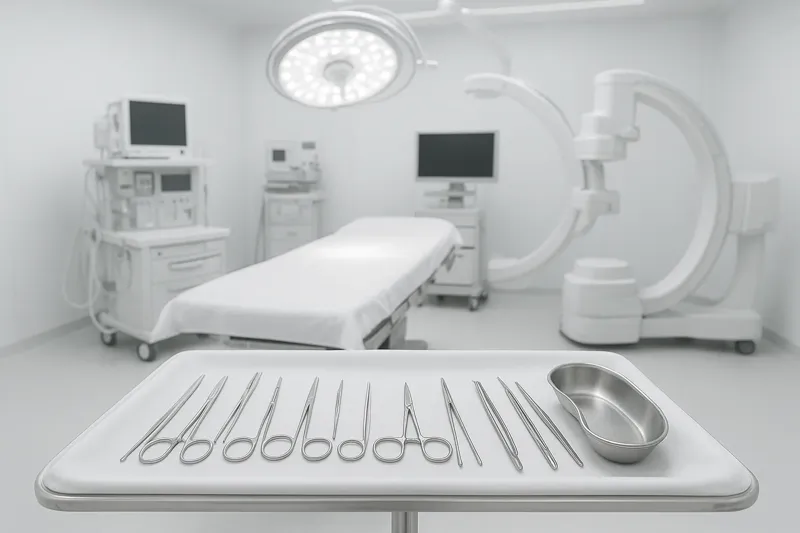
Accreditation by nationally recognized organizations such as AAAASF, AAAHC, or The Joint Commission signifies that a surgical suite adheres to strict safety and quality standards. These standards cover equipment, operating room design, personnel qualifications, and surgeon credentials, fostering a culture of patient safety and continuous quality improvement.
Accredited suites emphasize tailored patient care, from thorough preoperative evaluations to comprehensive informed consent processes. Advanced Life Support certification among staff, detailed anesthesia monitoring, and readiness with emergency equipment ensure patients receive vigilant perioperative care.
Safety protocols include strict sterilization practices, use of laminar airflow systems to reduce infection risks, and procedural checklists to verify patient identity and surgical site. The surgical environment is designed with nonporous, easy-to-clean surfaces and integrated safety systems preventing retained surgical items and minimizing complications. Together, these elements establish a safe, reliable surgical setting focused on positive patient outcomes.
Ambulatory Surgery Center (ASC) accreditation is a formal recognition granted to facilities that meet rigorous standards for safety, quality, and patient care. Organizations such as The Joint Commission and the American Association for Accreditation of Ambulatory Surgery Facilities (AAAASF) assess various operational aspects, including staff qualifications, infection control, patient safety protocols, and facility conditions.
Accreditation is important because it assures patients that their surgery will be conducted in a well-regulated and safe environment. This commitment to safety helps to reduce risks associated with outpatient surgical procedures and boost patient trust.
To maintain accreditation and licensing, ASCs must meet key requirements:
These protocols ensure a controlled, sanitary, and safe environment for surgical care.
Several respected bodies grant accreditation, including:
| Organization | Accreditation Focus | Role in Ensuring Safety |
|---|---|---|
| AAAASF | Outpatient surgical safety and quality | Sets strict safety standards; peer-reviewed |
| AAAHC | Patient safety and facility competence | Evaluates clinics on care quality |
| The Joint Commission | Comprehensive safety and quality standards | Provides tailored surveys and ongoing review |
These organizations ensure outpatient facilities maintain high safety protocols, giving patients confidence in the care they receive.
Maintaining exceptional air quality in the operating room is fundamental to reducing the risk of Preventing Surgical Site Infections. Advanced ventilation designs such as Laminar Airflow Systems provide Unidirectional Ultraclean Air Delivery, minimizing exposure to airborne contaminants. Systems like CLEANSUITE Ceiling Systems enhance this further by improving air quality by up to 1,000 times compared to traditional setups. These measures create a controlled, contamination-reduced Operating Room Environment of Care critical for patient safety.
Effective Sterilization and Disinfection Techniques prevent microbial contamination that can cause postoperative infections. Strict adherence to sterilization protocols ensures surgical instruments and surfaces are free from pathogens. Utilizing nonporous, easy-to-clean surfaces in the operating suite supports infection control by reducing bacterial reservoirs, helping maintain a sterile environment essential for patient safety.
Surgical Safety Systems and Checklists, such as the Five Steps to Safer Surgery, incorporate briefing, sign-in, timeout, sign-out, and debriefing stages. These steps confirm patient identity, surgical site, procedure details, informed consent, allergies, airway risks, and instrument counts. Preoperative verification and site marking provide additional safeguards against wrong-site or wrong-procedure errors, directly reducing surgical complications.
The surgical smoke generated during procedures contains toxic substances that can harm staff and increase health risks. Specialized Smoke Evacuation Systems, like the STERIS Smoke Evacuation System effectively remove surgical plume from the environment. Alongside proper Protective Equipment for Surgical Staff, these measures protect operating room personnel, improving workplace safety and supporting a safer surgical setting.
Environmental infection prevention is guided by standards from reputable organizations such as the Joint Commission and Association of periOperative Registered Nurses. These include requirements for air handling, surface sterilization, use of antiseptics, and adherence to protocols preventing contamination. Compliance with these standards is crucial to maintaining a safe facility that optimizes patient outcomes.
| Safety Element | Purpose | Key Benefits |
|---|---|---|
| Air Quality & Laminar Flow | Minimize airborne contamination | Reduced infection rates |
| Sterilization & Disinfection | Eliminate pathogens on instruments & surfaces | Prevent surgical site infections |
| Safety Checklists & Verification | Confirm correct patient, site, and procedure | Prevent wrong-site surgeries |
| Smoke Evacuation & Protective Equipment | Remove toxic surgical smoke from environment | Protect staff health and safety |
| Infection Prevention Standards | Establish consistent protocols and environmental controls | Maintain sterile environment |
The American Board of Plastic Surgery (ABPS) certifies plastic surgeons in the U.S., ensuring they meet rigorous standards via written and oral exams. ABPS emphasizes ongoing certification, accredited surgical facilities, and continuous education to maintain patient safety and surgical excellence. Conversely, the American Board of Cosmetic Surgery (ABCS) focuses exclusively on certifying cosmetic surgeons specialized in aesthetic procedures. Both organizations ensure that surgeons are highly qualified, promoting strict standards and safeguarding patient care.
Surgeons must operate within accredited surgical facilities that comply with strict national safety and health guidelines. Accreditation by recognized agencies like AAAASF, AAAHC, or JCAHO confirms that facilities uphold high standards for equipment, 10 features of a safe operating room, and personnel. These requirements significantly contribute to the extremely low complication rates observed in accredited ambulatory surgical centers.
Accredited centers require regular competency evaluations for all surgical staff, conducted at least annually based on written criteria. Additionally, at least one staff member must maintain certification in Advanced Cardiac Life Support (ACLS) to respond effectively to emergencies, ensuring well-prepared teams and safer surgical outcomes.
Anesthesia and sedation providers undergo specialized training and certification aligned with government regulations. Providers administering sedation or anesthesia must be qualified to monitor vital signs continuously during procedures to recognize and respond promptly to any patient distress. Safe medication administration policies and adherence to sedation classifications are mandatory to reduce risk and optimize patient safety.
Through stringent certification of surgeons and comprehensive training of surgical staff, the surgical environment prioritizes patient safety considerations and fosters high-quality outcomes in plastic and cosmetic procedures.
Before any plastic surgery, patients must be fully informed about the procedure. This includes understanding the benefits, potential risks, and expected outcomes. Informed consent in plastic surgery is not just a formality but a critical process that builds trust and ensures patients feel confident and well-prepared.
A thorough preoperative evaluation is essential to assess a patient’s medical history, overall health, and suitability for surgery. This evaluation helps identify any risk factors that could affect the procedure or recovery, allowing tailored planning to enhance safety. Adhering to Safety standards for plastic surgeons can improve patient outcomes.
Safe Surgery Checklists are vital tools in plastic surgery to avoid errors such as wrong-site or wrong-patient procedures. These checklists ensure all team members confirm patient identity, surgical site, and the planned procedure before surgery begins, significantly reducing preventable mistakes and improving outcomes.
Patients should engage actively by asking about the surgeon’s Board certification by ABPS, experience with the procedure, expected results, and potential complications. They should also inquire about the facility’s accreditation to confirm that surgery will take place in a safe environment. Discussing recovery expectations and postoperative care plans is crucial for a successful outcome.
Effective postoperative care and follow-up visits are essential to monitor healing, detect complications early, and support patients through recovery. This ongoing communication helps ensure long-term satisfaction and safety after surgery. Following recommendations on Postoperative care and follow-up are vital components of quality care.
The surgical safety checklist fosters teamwork and clear communication among staff, reducing the risk of errors and complications. Implementing the checklist has been linked to significant decreases in surgical site infections and adverse events, making it a cornerstone of patient safety in plastic surgery.
Patients should ask about the surgeon’s qualifications, including board certification and specific procedure experience. It's also important to discuss potential risks, recovery time, success rates, and whether the surgical facility is accredited and adheres to strict Safety protocols in surgery. Having these conversations promotes personalized care and helps align expectations.
This structured approach to preoperative planning and communication underscores the commitment to patient safety at every stage, ensuring informed decisions and optimal surgical results.

The safety of patients and staff starts with the Surgical Suite Design Elements. Advanced air purification systems such as Unidirectional Ultraclean Air Delivery and Laminar Airflow Systems dramatically reduce surgical site contamination. Specialized ceiling systems like CLEANSUITE Ceiling Systems improve air quality by up to 1,000 times compared to traditional ventilation.
Surface materials in operating rooms are chosen for being nonporous and easy to clean to maintain sterility and reduce infection risks. Equipment integration with sterilization protocols, Smoke Evacuation Systems, and ergonomic layout further ensure a safe, controlled environment.
Staff safety and performance are enhanced by optimized ergonomics, including proper lighting, noise control, and well-designed workstations. Protective equipment such as gloves, gowns, and Smoke Evacuation Systems protect against infectious agents and harmful surgical smoke containing toxins.
These measures reduce occupational injuries and stress, contributing to better patient care and staff wellbeing.
Surgical suites increasingly rely on integrated electronic and communication systems. Robust Operating room cybersecurity protects sensitive patient information and maintains operational integrity, preventing unauthorized access and ensuring safe, efficient clinical workflows.
Facilities must comply with OSHA guidelines for healthcare facilities addressing hazards like anesthetic gases, biological contaminants, and equipment safety. Accreditation by organizations such as The Joint Commission on Accreditation of Healthcare Organizations or AAAASF facility accreditation ensures adherence to rigorous national safety and quality protocols.
This includes regular inspections, data tracking of infections and complications, and ensuring staff certifications like Advanced Cardiac Life Support (ACLS).
Accredited facilities maintain comprehensive emergency plans with ready access to equipment and medications to handle complications. Staff undergo ongoing training and drills to efficiently respond to emergencies, including patient transfer protocols for hospital care when necessary.
Joint Commission International (JCI) standards are evidence-based criteria developed to improve healthcare quality and safety worldwide. They cover patient safety, clinical care, and organizational management, with focused programs like International Patient Safety Goals (IPSGs) that address critical issues such as correct patient identification, surgical safety, and infection control. These standards support continuous improvement and transparency in healthcare settings globally, including surgical environments in the United States.
Maintaining excellence in surgical safety relies heavily on ongoing quality assessment programs. Facilities implement Quality Assessment and Performance Improvement (QAPI) initiatives that analyze clinical data to enhance patient outcomes continuously. Annual competency assessments based on established criteria ensure all personnel remain proficient, while regular training updates incorporate the latest techniques and safety protocols.
Operating in accredited facilities underscores a commitment to rigorous safety standards. Accreditation by recognized bodies like AAAASF, The Joint Commission, or AAAHC validates adherence to comprehensive safety, sterilization, and emergency preparedness requirements. Transparent communication with patients regarding risks, procedure details, and facility credentials builds confidence and fosters trust.
Ensuring patient safety is a collaborative effort involving surgeons, anesthesiologists, nurses, and support staff. Effective communication during preoperative briefings, intraoperative time-outs, and postoperative care ensures alignment on patient identity, surgical site, and procedural details. This teamwork minimizes errors and creates a culture where patient well-being is the highest priority.
September 9, 2026
Expert Guide to Proper Surgical Incision Care

Master dermal fillers aftercare with do's and don'ts, swelling tips, activity limits and warning signs to protect your results and heal smoothly.

September 8, 2026
Ensuring Safety: Why Your Surgeon's Credentials Matter Most
Cape Cod Plastic Surgery offers expert cosmetic and reconstructive procedures in a safe, accredited setting. Led by Dr. Marc Fater, we combine advanced techniques with personalized care to help you look and feel your best.
Monday: 9:00 AM – 5:00 PM
Tuesday: 9:00 AM – 5:00 PM
Wednesday: 9:00 AM – 5:00 PM
Thursday: 9:00 AM – 5:00 PM
Friday: 9:00 AM – 5:00 PM