

October 5, 2026
The Value of an On Site Accredited Facility
Why Our On-Site Accredited Facility Matters for Your Safety
Dec 9, 2025
Have you ever looked in the mirror and wondered where those pesky bags under your eyes came from? While many people blame a bad night's sleep, the truth is usually a lot more complex. Think of the delicate tissue holding back the natural fat pads under your eyes like a tiny, supportive hammock. As we age, that hammock naturally weakens and stretches, allowing the fat to bulge forward and create that puffy look.

While fatigue and fluid retention can definitely make bags look more prominent, persistent puffiness almost always points to deeper, structural changes happening beneath the skin. Getting to the bottom of these root causes is the first real step toward finding a solution that actually works for you.
The skin around our eyes is the thinnest on the entire body. It's incredibly delicate. With time, our bodies produce less collagen and elastin—the key proteins that keep skin firm and springy. This natural process is a bit like a brand-new elastic waistband gradually losing its snap over years of use.
At the same time this is happening on the surface, the underlying support structures are also changing. A thin, sheet-like membrane called the orbital septum is responsible for holding the fat pads around your eyes neatly in place.
As the orbital septum weakens with age, it can no longer do its job as effectively. The fat pads start to push forward, or herniate, creating the distinct pouch we recognize as an under-eye bag. This fundamental shift is why true bags don't just disappear with a good night's sleep; they've become a permanent anatomical feature.
In short, true under-eye bags are more about long-term structural shifts than temporary swelling. It’s the combination of weakening support tissues and the natural forward movement of fat that creates the problem.
To give you a clearer picture, we've broken down the primary causes of under-eye bags. This table summarizes the main factors at play.
Understanding which of these factors are contributing to your specific concerns is crucial for choosing the right treatment path.
It's also worth remembering that these changes don't happen in isolation. Issues in the upper face can affect the appearance of the lower eyes. For instance, a heavy or descending brow can make the entire eye area look tired, which is why some patients consider a brow lift to brighten the entire eye area. By taking a holistic view, we can find the most effective approach for you.
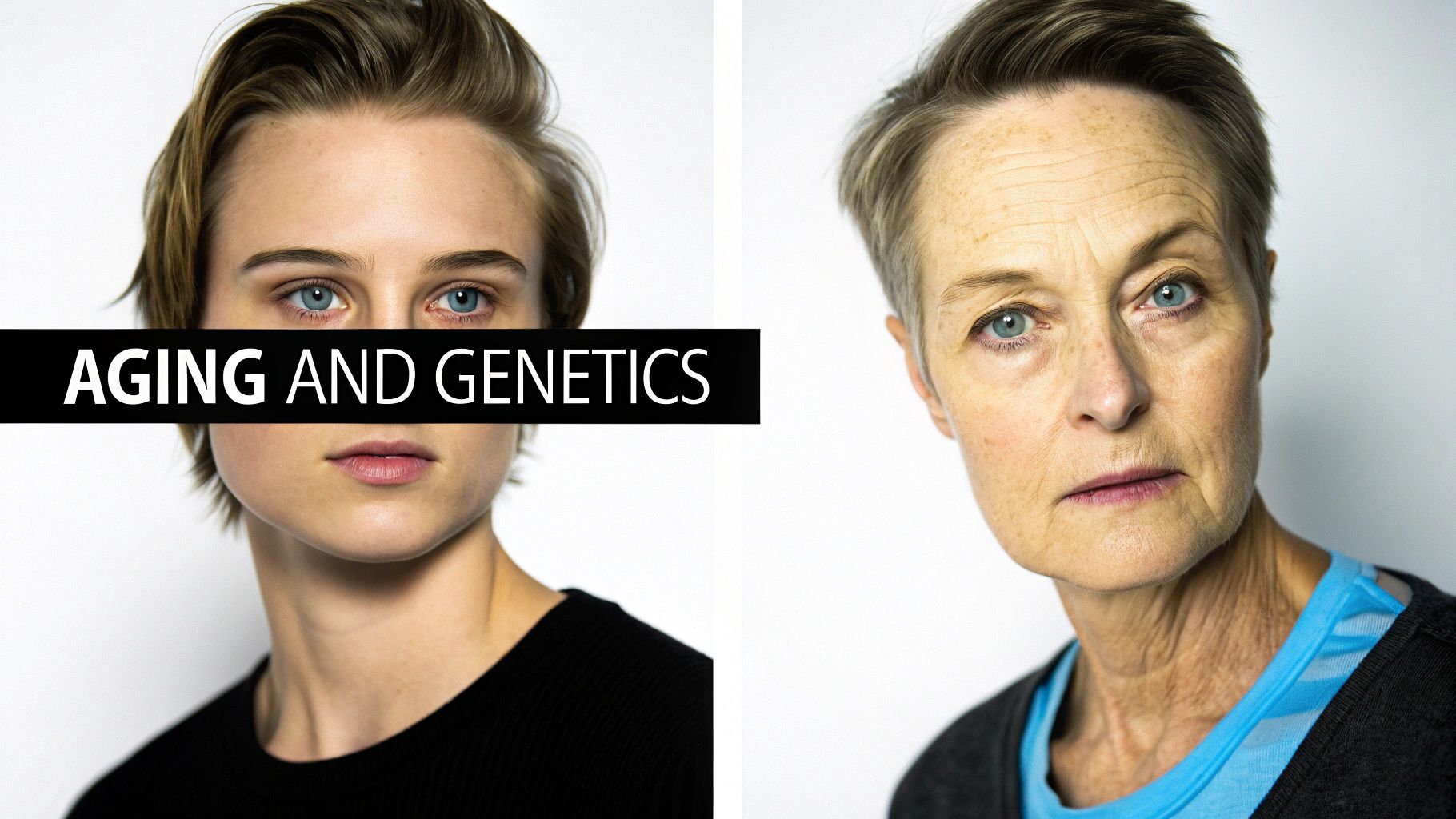
While a late night or a salty meal can definitely make your eyes look puffier the next morning, the real culprits behind those persistent, stubborn under-eye bags are usually two things you can’t control: the natural aging process and the genes you were born with.
These two powerful forces work in tandem over the years, slowly but surely changing the delicate anatomy around our eyes. It’s why some people start seeing bags in their twenties, while others might not notice them for decades. Understanding this is key, as it also explains why creams and home remedies often don't make a dent in bags that are caused by these deeper, structural changes.
Think of the tissues holding your under-eye fat in place like a brand-new, sturdy retaining wall—it's strong, tight, and keeps everything neatly tucked away. But over time, that wall naturally starts to weaken and bulge. This is precisely what causes under eye bags for so many of us as we get older.
A few key things are happening beneath the surface:
These changes don't happen overnight. It’s a slow, progressive process where thinning skin meets a weakening support structure, creating the perfect conditions for those fat pads to become visible.
Ever looked at your parents or grandparents and noticed they have the same under-eye bags as you? That’s no coincidence. Your genes play a massive role in dictating your facial anatomy, which can absolutely make you more prone to developing bags, sometimes quite early in life.
Your DNA is what determines several critical factors:
Essentially, your genetics provide the architectural blueprint for your face. If that blueprint includes features like larger fat pads or a less supportive bone structure, you might start seeing under-eye bags in your late teens or early twenties, long before your peers.
This is why lifestyle changes alone often aren’t enough. A healthy diet and plenty of sleep are fantastic for your skin’s overall health, but they can't change your inherited facial structure. When genetics and aging are the root cause, professional treatments are typically the only way to effectively address the underlying anatomy and restore a smoother, more rested appearance.

While your genes and the natural aging process set the stage for under-eye bags, your daily choices often control the spotlight. Think of it this way: your anatomy is the blueprint, but your lifestyle habits are the construction crew. Poor habits can amplify the appearance of bags, while healthier routines can significantly soften them.
The good news is that you have a surprising amount of control. You can’t change your DNA, but you can absolutely adjust the lifestyle factors that contribute to puffiness, swelling, and skin damage. For bags caused primarily by fluid retention, these changes can make a world of difference.
It’s no secret that a bad night’s sleep shows on your face, and the under-eye area is usually the first to tell the story. When you’re tired, your body produces more of the stress hormone cortisol. This isn't great for your skin, as elevated cortisol breaks down collagen—the very protein that keeps the skin under your eyes firm and supportive.
On top of that, poor sleep messes with your circulation. Blood flow becomes sluggish, allowing fluid to pool in the delicate tissue beneath the eyes. This is what causes that classic morning puffiness. Even something as simple as your pillow can impact sleep quality and fluid drainage, so it's a great place to start. For more on this, you can learn how to choose the right pillow for better sleep.
A consistent sleep schedule of 7-9 hours a night is about more than just feeling rested. It's crucial time for skin repair, hormone regulation, and healthy circulation—all of which directly fight the causes of under-eye bags.
This isn’t just a local issue; it’s a global one. The combination of sleep deprivation and modern stress is making under-eye concerns more common, especially among younger people. We're seeing markets for under-eye skincare products booming in places like India and Japan, driven by a generation dealing with increased screen time and lack of rest.
What you eat and drink can show up under your eyes almost immediately. Your diet and certain habits have a direct line to fluid retention and skin aging, making them powerful triggers for puffiness.
Here are a few of the biggest culprits:
By getting a handle on these lifestyle factors, you can take back a significant amount of control. Focusing on a low-sodium diet, staying hydrated with water, moderating alcohol, and quitting smoking are some of the most effective ways to maintain a smoother, more refreshed appearance.
While things like aging and our daily habits get most of the blame, sometimes under-eye bags are your body's way of sending up a flare. If you have persistent puffiness that just won't quit no matter what you do, it might be a sign that something else is going on under the surface. It's really important to figure out if you're dealing with a simple cosmetic concern or a symptom of a health issue.
When you hear "allergies," you probably think of sneezing fits and a stuffy nose. But for many people, the first place an allergic reaction shows up is right under the eyes.
Seasonal culprits like pollen or year-round irritants like dust and pet dander can trigger your body to release histamines. These are the chemicals that spring into action to fight off what your body sees as an invader. Unfortunately, they also cause inflammation, making your blood vessels swell and leak fluid—a process that becomes very obvious in the thin, delicate skin beneath your eyes.
The result is a classic combo of puffiness and dark, purplish circles often called allergic shiners, which can make any existing bags look much more pronounced.
Beyond allergies, a few other medical conditions can cause puffiness around the eyes, which doctors refer to as periorbital edema. It's smart to be aware of these possibilities, as they typically need a doctor's attention.
The inflammation from allergies is a direct cause of the puffiness so many of us struggle with. But that constant swelling can also worsen dark circles, known medically as periorbital hyperpigmentation (POH). In fact, studies show that POH affects over 30% of people in some populations, with fluid backup and congested blood vessels being major factors.
This means that getting your allergies or inflammation under control can often improve both the bags and the darkness under your eyes.
A good rule of thumb: If your under-eye bags show up out of nowhere, seem unusually severe, or are paired with redness, itching, or other symptoms, it’s time to see a doctor. This lets you rule out any health problems before you start looking at cosmetic treatments.
It’s also worth noting that certain medical issues can disrupt your sleep, which only makes eye bags worse. Beyond just bad habits, actual sleep disorders can be a major contributor. You can explore strategies for alleviating sleep disorders to see how improving sleep hygiene can reduce morning puffiness.
Ultimately, getting to the root of the medical cause is always the most effective first step. It ensures you're treating the actual problem, not just masking a symptom.
Knowing what causes under-eye bags is one thing, but doing something about it is what really matters. While we can't change our genetics or stop time, we absolutely have a say over the lifestyle and environmental factors that make those bags look worse. A few smart adjustments to your routine and the right skincare can go a long way in managing that temporary puffiness that makes everything more noticeable.
Think of these at-home strategies as your daily toolkit. They're all about reducing fluid retention, boosting circulation, and protecting that delicate skin around your eyes. Stick with these habits, and you'll likely see a real difference, helping you look more rested and refreshed day in and day out.
It's amazing how simple shifts in your daily habits can reduce that morning puffiness. The main goal here is to stop fluid from pooling under your eyes overnight and help your body flush out extra salt and toxins.
It can be as simple as changing how you sleep. When you lie flat, you’re basically inviting fluid to settle in your face.
And don't forget the classic cold compress. A cool, damp washcloth, a couple of spoons you’ve chilled in the fridge, or even a small bag of frozen peas wrapped in a towel can work wonders. Applying cold for just a few minutes constricts the blood vessels, which quickly reduces swelling and gives the skin a tighter feel.
Let’s be realistic: no cream is going to magically remove a structural fat pad. But the right ingredients can absolutely improve the skin's appearance, firm things up, and reduce the puffiness and discoloration that make bags stand out.
Think of eye creams as supportive care. They won’t change the anatomy under your eye, but they can significantly improve skin quality, reduce discoloration, and minimize the swelling that makes bags look more prominent.
When you're scanning the ingredients list, here are the heavy hitters to look for:
By combining these simple lifestyle changes with a targeted skincare routine, you’re building a powerful at-home strategy. You’re taking control of the factors you can influence, paving the way for a smoother, brighter look.
So, you’ve tried the creams and you're getting plenty of sleep, but those under-eye bags are sticking around. When at-home efforts aren't cutting it, it’s often a sign that the problem is more than just puffiness. This is especially true if the cause is anatomical—like those stubborn fat pads or loose skin—rather than temporary fluid retention.
This is where professional treatments come in. They can offer far more significant and lasting improvements because they address the root structural causes. These solutions generally fall into two camps: non-surgical options that deliver great results with little to no downtime, and surgical procedures that offer a permanent fix.
Making the decision to seek professional help is a big one. Let's break down the options so you can feel confident in choosing the right path for your goals.
For those with mild to moderate bags or anyone who simply prefers a less invasive route, non-surgical treatments can be incredibly effective. The goal here is to smooth out contours, boost skin quality, and restore a fresher look without a lengthy recovery.
Before diving into professional options, it's always smart to make sure your at-home care is dialed in.
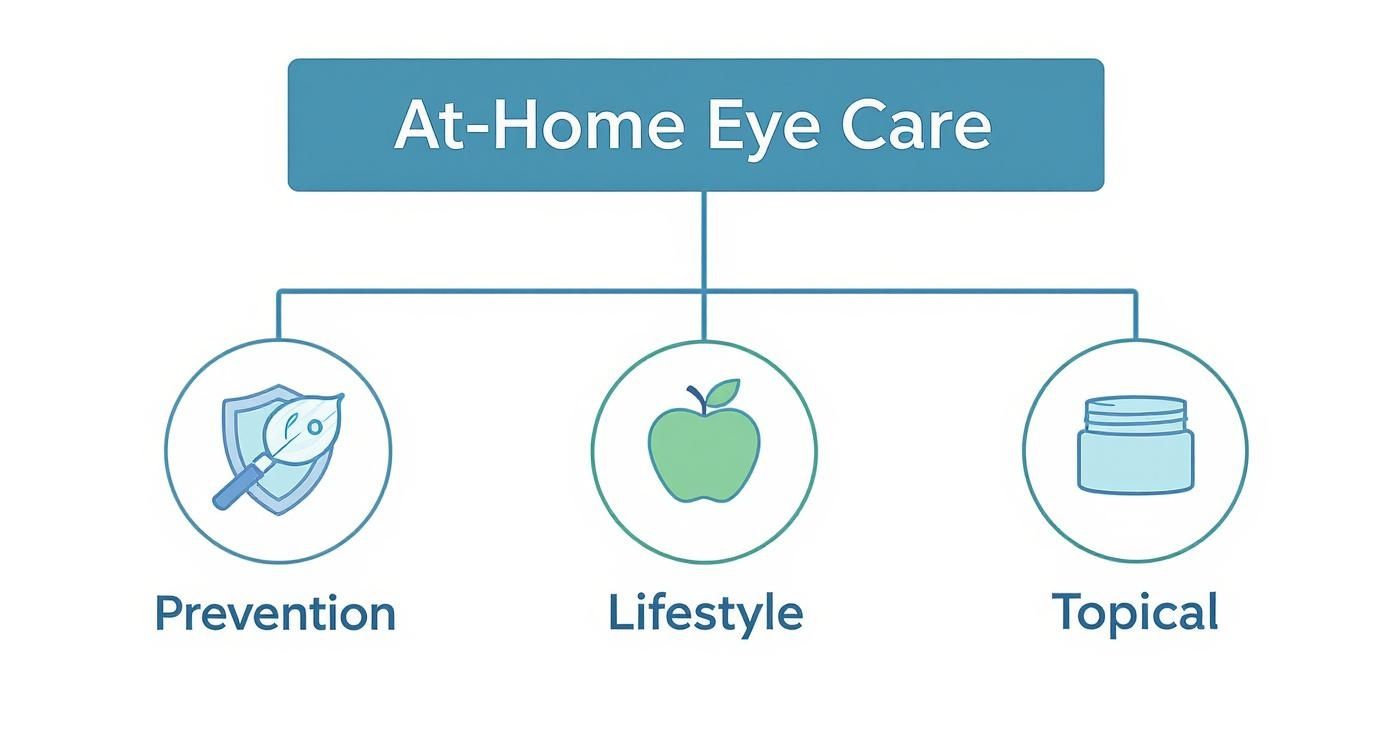
This graphic outlines the three pillars of home care—prevention, lifestyle, and topicals—that form the foundation for healthy skin.
Once you're ready to take the next step, two of the most popular and effective non-surgical treatments are:
While these non-surgical treatments can achieve beautiful, noticeable improvements, it’s important to remember the results are temporary and will require touch-ups to maintain.
For prominent under-eye bags caused by significant fat pads and loose skin, surgery is often the most effective and permanent path forward. The gold standard procedure for tackling these structural issues head-on is called a lower blepharoplasty.
Lower eyelid surgery directly addresses the anatomy of under-eye bags by physically removing or repositioning the bulging fat and trimming away excess skin. It is the only treatment that can permanently correct the problem at its source.
During a lower blepharoplasty, the surgeon makes a tiny, precise incision either just below the lash line (where it's easily hidden) or on the inside of the lower eyelid. Through this opening, the orbital fat is carefully sculpted—either removed or repositioned into the tear trough to fill the hollow. Any loose, excess skin is then tightened or trimmed away.
Because the procedure corrects the underlying structure, the results are remarkably long-lasting. The fat that’s removed is gone for good, offering a true, lasting solution to the puffiness that can make you look tired no matter how rested you feel.
Choosing the right treatment depends on your specific anatomy, aesthetic goals, and lifestyle. This table breaks down the most common professional options to help you understand the key differences.
Each approach has its own set of benefits. A thorough consultation with a qualified professional is the best way to determine which treatment will give you the outcome you’re looking for.
If you believe you're a candidate for a more definitive fix, exploring the benefits of eyelid surgery at Cape Cod Plastic Surgery is a great next step toward a refreshed and more confident you.
Even with a good understanding of what’s happening under our eyes, it's totally normal to still have some questions. Here are the straight-up answers to a few of the most common things we hear from our patients at the practice.
It absolutely can, but it depends on why you have bags in the first place. If your puffiness is from fluid retention—often after a salty meal or a poor night's sleep—then yes, staying hydrated is a big help. Think of it this way: when you're dehydrated, your body panics a little and holds onto every drop of water it can. That excess fluid loves to collect in the thin skin under your eyes.
Drinking plenty of water helps your system flush out all that extra salt and keeps things balanced. But, it's important to be realistic. If your bags are from the structural issues we talked about (those pesky fat pads pushing forward), more water won’t fix the underlying anatomy. It’ll just help reduce any extra, day-to-day swelling on top of it.
This is a classic "it depends" situation. The value of an eye cream comes down to its ingredients and the actual cause of your bags. A well-formulated cream can definitely make a temporary difference.
But let's be clear: no cream on the planet, no matter how much it costs, can get rid of the herniated fat that causes true under-eye bags. They simply can't penetrate deep enough to change your anatomy. They're best for skin-deep issues and temporary fluid retention.
Honestly, there’s no specific age or universal "right time." The time to consider professional options is when you decide your under-eye bags are a persistent concern, they impact how you feel about your appearance, and the home remedies just aren't cutting it anymore.
We see some patients in their late 20s or 30s who have a strong genetic predisposition and are ready to look into options like fillers. Others might be perfectly happy until their 50s or 60s before deciding they want a more definitive fix like surgery.
The most valuable step you can take is to sit down with a board-certified plastic surgeon. A professional evaluation is the only way to get a clear picture of your facial anatomy, pinpoint the exact cause of your bags, and get a realistic recommendation tailored specifically for you.
This is a great question. The results from a lower blepharoplasty (the surgical correction for under-eye bags) are remarkably long-lasting. During the procedure, the surgeon either removes or repositions the fat pads causing the bulge, and that fat doesn't grow back. In that sense, the fix is permanent.
Of course, surgery doesn't stop the clock on aging. Your skin will naturally continue to lose some elasticity over the years. But the significant improvement you get from the surgery itself is very durable—most people enjoy their results for 10 to 15 years, and often much longer.
Figuring out the "why" behind your under-eye bags is the first real step toward finding a solution that works. If you're ready to move beyond temporary fixes and explore professional treatments that offer beautiful, natural-looking results, we'd love to talk. Schedule a consultation with the team at Cape Cod Plastic Surgery. Discover your options today.
October 5, 2026
Why Our On-Site Accredited Facility Matters for Your Safety

October 2, 2026
Beyond the Calendar: How to Know You’re Truly Ready for Plastic Surgery

October 2, 2026
Exploring Your Breast Augmentation Options: Implants, Shapes, and What to Expect

Cape Cod Plastic Surgery offers expert cosmetic and reconstructive procedures in a safe, accredited setting. Led by Dr. Marc Fater, we combine advanced techniques with personalized care to help you look and feel your best.
Monday: 9:00 AM – 5:00 PM
Tuesday: 9:00 AM – 5:00 PM
Wednesday: 9:00 AM – 5:00 PM
Thursday: 9:00 AM – 5:00 PM
Friday: 9:00 AM – 5:00 PM