

October 7, 2026
What to Expect During Your Breast Surgery Recovery
A Practical Guide to Healing After Breast Surgery
Oct 7, 2026
Recovery after breast surgery is not one-size-fits-all. The procedure, surgical technique, whether reconstruction is involved, your general health, and your body’s response to healing all shape what recovery looks like. Augmentation, reduction, mastectomy, and reconstruction can involve different restrictions and needs.
Soreness, swelling, bruising, fatigue, and temporary changes in sensation may occur as the body heals. These effects do not follow the same schedule for everyone, and early appearance is not necessarily the final result. At Cape Cod Plastic Surgery, Dr. Marc Fater’s patient-centered approach takes individual needs into account when discussing procedure options and recovery expectations.
The timelines in this article provide general context, not personal medical instructions or guarantees. Your operating surgeon’s postoperative plan should guide activity, wound care, medication, and follow-up. Cape Cod Plastic Surgery provides care in an accredited facility, and patients should contact their surgical team if symptoms are concerning or recovery is not progressing as expected.
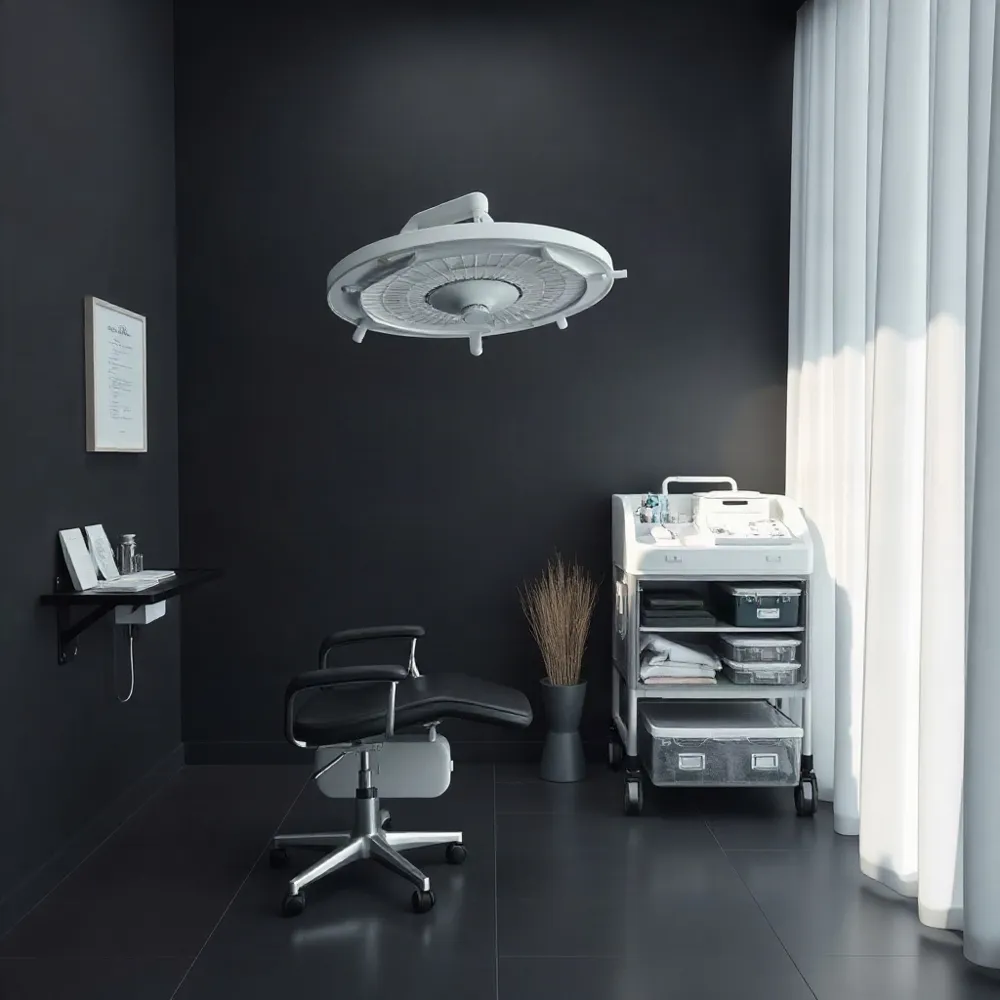
The first few days after breast augmentation are often when soreness, swelling, tightness, bruising, and fatigue are most noticeable. Gentle walking may be encouraged, but follow your surgeon’s instructions about when and how much to move.
At Cape Cod Plastic Surgery, recovery guidance is tailored to the procedure and each patient’s needs. Light daily activities may become easier over one to two weeks, though returning to work depends on the demands of the job and how healing is progressing. Some patients plan for about a week away from work, with longer leave potentially needed for physically demanding roles.
Avoid heavy lifting and strenuous exercise until your surgeon clears you. A gradual return to workouts may begin around four to six weeks for some patients, but timing and activity limits depend on the surgical plan. University of Utah Health’s breast surgery recovery guidance offers general information for augmentation and reduction, not a substitute for your own postoperative instructions.
Early on, implants may sit high and the breast shape may look unsettled. Swelling and implant position can continue changing over the following weeks and months, so appearance during the first days is not a guide to the final result. Full recovery can take several months, and the pace may be affected by your health, implant placement, and surgical technique. The American Society of Plastic Surgeons’ recovery information also emphasizes that timelines vary and should be confirmed with your surgeon.
Keep scheduled follow-up visits so your surgical team can assess healing and adjust activity guidance. At Cape Cod Plastic Surgery, individualized care and follow-up help patients understand what to expect at each stage and when it is appropriate to resume their usual routine.
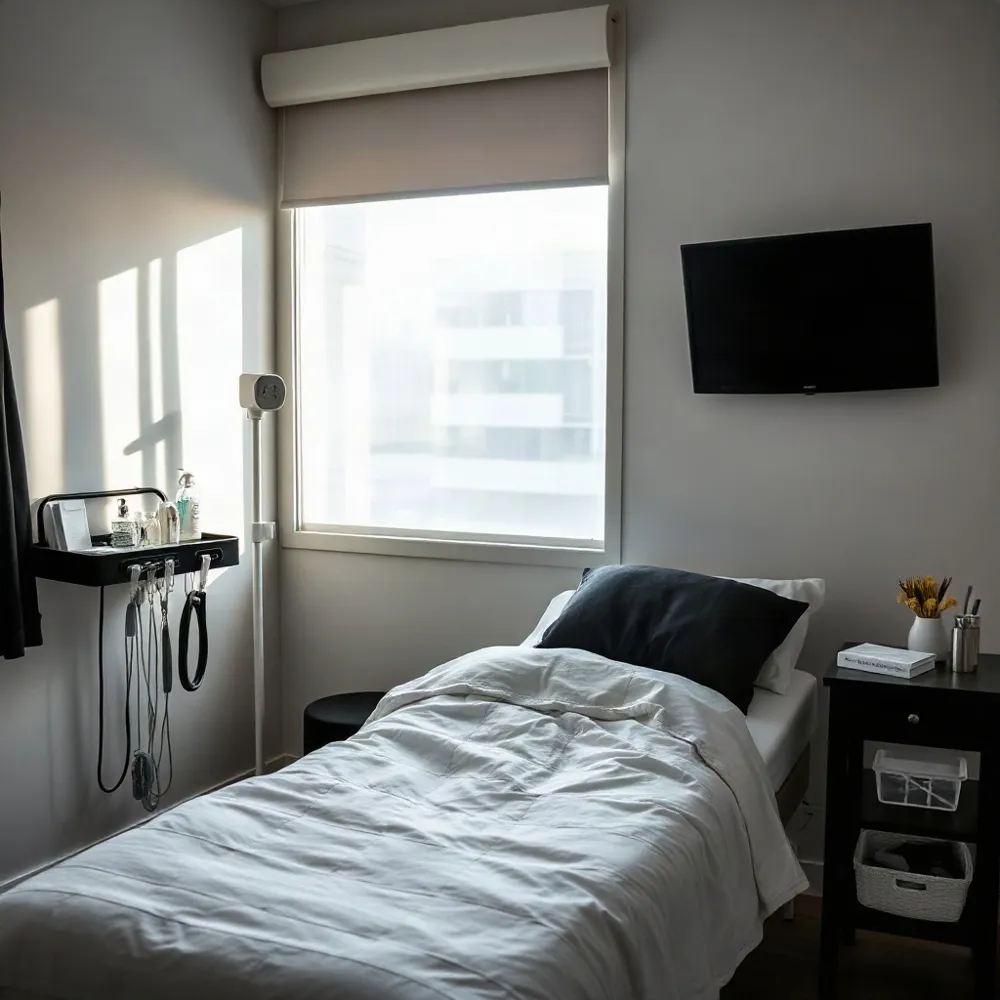
How much time off and rest should you plan for after breast surgery? Many patients may need about one to two weeks away from work, but the right amount depends on the procedure, job demands, and how healing progresses. At Cape Cod Plastic Surgery, Dr. Marc Fater tailors care to each patient and procedure, so ask your surgical team for a recovery plan that fits your circumstances.
Prioritize rest during the first few days and arrange help with driving, meals, childcare, dressing, and lifting where needed. Returning to a desk job may be different from resuming work that involves physical effort. Recovery can also take longer after reconstruction, so avoid treating a general estimate as a deadline. Practical preparation and help at home can make it easier to follow your instructions; see these rest and practical support strategies for ideas that may apply across procedures.
Gentle walking is often encouraged soon after surgery, as your care team advises. It is different from strenuous exercise, heavy lifting, or repeated upper-body activity, which can place strain on healing tissues and should wait for your surgeon’s approval. Recovery guidance from University of Utah Health also distinguishes light movement from more strenuous activity after augmentation and reduction; its recommendations are procedure-specific.
Take pain medicine and other prescriptions exactly as directed. Before restarting any medicine that was stopped before surgery, including aspirin or other blood thinners, check with your surgical team. Build back toward usual activities gradually, and contact the team if pain or another concern makes it difficult to rest or move as advised.

When can you sleep on your side after breast augmentation, and what position is recommended? During early recovery, some aftercare guidance recommends sleeping on your back with your upper body elevated. Pillows can help you stay supported, but ask your surgeon whether this position and a supportive bra are right for your procedure. Cape Cod Plastic Surgery’s patient-centered care includes guidance tailored to the operation and the individual, rather than a single position for everyone.
Side sleeping should wait until your surgeon confirms it is appropriate. University of Utah Health notes that some breast surgery patients may be able to sleep on their side after three to four weeks, while augmentation guidance elsewhere suggests four to six weeks. These are examples, not guarantees: the procedure, healing progress, and any drains or other restrictions can affect timing. Read more about sleeping position during breast surgery recovery.
Avoid sleeping on your stomach until your surgeon approves it, since pressure on healing tissue may be unsuitable. Follow the specific positioning and bra instructions provided by your surgical team, and ask before changing positions if you are uncomfortable or unsure. The University of Utah Health recovery guidance also emphasizes that recommendations vary by procedure and patient.
Early recovery after breast reduction can bring bruising, soreness, tightness, swelling, and limited shoulder movement. These effects can make dressing and everyday tasks harder at first, so plan to move gently and ask for help when needed. University of Utah Health’s breast surgery recovery guidance describes these symptoms after reduction and augmentation.
How long does it take to recover from breast reduction surgery? Some patients may return to desk work or light daily activities after one to two weeks, but this is not a promise or a measure of complete healing. Physically demanding work may require more time away or temporary adjustments. At Cape Cod Plastic Surgery, recovery instructions are based on the individual procedure and the patient’s progress, with follow-up care to assess healing and activity readiness.
University of Utah Health advises avoiding strenuous activity and limiting lifting, pushing, or pulling to no more than 10 pounds for three to four weeks in its guidance for reduction and augmentation. These are general recommendations, not a substitute for your surgeon’s plan. Increase activity gradually, and wait for clearance before returning to exercise or heavier tasks.
Swelling, changes in nipple sensation, and breast shape can continue to evolve for months. Results may become noticeable around three months, while subtle changes and scar maturation can continue for up to a year, according to University of Utah Health. Follow-up visits help your surgical team monitor progress and address concerns; contact them sooner if symptoms worsen or something feels unexpected.
Mastectomy removes breast tissue and is often performed as part of breast cancer care. Recovery guidance for this operation should not be applied automatically to cosmetic breast surgery, which involves different procedures and aftercare. Cape Cod Plastic Surgery, led by Dr. Marc Fater, provides personalized planning for cosmetic and reconstructive procedures, with recovery advice tailored to the operation performed.
How long does it take to recover from a mastectomy without reconstruction? There is no single timeline. One cancer center describes about three to four weeks for the mastectomy recovery it discusses, while Alberta Health Services gives three to six weeks as a typical estimate for returning to work or a usual routine. These estimates differ because the extent of surgery, lymph node procedures, health, and individual healing all matter. Reconstruction can also change recovery needs. Mastectomy recovery guidance and home-care estimates are specific to mastectomy.
Drains may be placed to remove fluid, and their care and removal, follow-up visits, and the extent of surgery can affect activity limits. Follow the surgical team’s instructions for drain care, lifting, driving, exercise, and arm movement. Begin light activity gradually, such as short walks, and increase it only as advised. For more on how recovery differs by procedure, see this guide to mastectomy recovery expectations.
Contact the surgical team promptly about fever, worsening redness or swelling, increasing pain, or drainage from the incision. If planning breast surgery at Cape Cod Plastic Surgery, discuss the procedure-specific recovery plan and follow-up needs with the care team before surgery.
Recovery after mastectomy can involve soreness, swelling, fatigue, chest or underarm tightness, and temporary surgical drains. The operation, any reconstruction or lymph node surgery, and individual health all affect the care plan. MD Anderson describes mastectomy recovery as procedure-specific, so use your own team’s guidance rather than a general timeline.
Short, gentle walks may be appropriate as you regain strength, but avoid strenuous exercise and follow your surgeon’s limits on lifting, pushing, and pulling. Restrictions may be different when drains or reconstruction are involved. At Cape Cod Plastic Surgery, Dr. Marc Fater’s patient-centered care includes guidance tailored to the procedure and the individual, rather than a single activity plan for every patient.
Your surgical team may prescribe shoulder and arm range-of-motion exercises to help manage stiffness. Start them only when instructed, and follow the recommended timing and range, especially if you have drains or reconstruction. Do not force a stretch or raise the arm beyond your approved limits. The clinic’s breast reconstruction after mastectomy guidance also explains why recovery instructions can change with reconstruction and drains.
Contact your surgical team about worsening pain, fever, increasing redness or swelling, unusual incision drainage, or sudden arm swelling. Prompt advice can help your team assess a concern and tell you what to do next.
When can you shower after a mastectomy? There is no single schedule that applies to everyone. Whether and when you can shower depends on your incision, dressings, drains, and the instructions from your surgical team. Guidance varies, so confirm your plan rather than relying on a general timeline.
Before getting the incision or drain sites wet, ask your surgeon when showering is permitted and how to manage the dressing. Some patients may be able to let water run over the area, while others may need to keep it covered. Mastectomy instructions from MD Anderson emphasize following the treating team’s wound-care directions.
Once your team approves showering, let water run gently over the surgical area and pat it dry with a clean towel. Avoid scrubbing the incision or pulling at surgical tape, and follow the instructions you were given about changing or replacing dressings. Cape Cod Plastic Surgery provides individualized postoperative guidance based on the procedure and a patient’s healing.
If you feel weak or unsteady, consider using a shower chair or asking someone to stay nearby. Contact your surgical team if you are unsure how to care for the incision or drain sites.
There is no single date when everyone can drive after a mastectomy. Readiness depends on the operation, how recovery is progressing, arm mobility, pain, fatigue, medications, and any drains. Mastectomy recovery guidance from MD Anderson advises patients to wait for their surgeon’s clearance.
Do not drive while taking pain medicine that affects alertness or reaction time. You should also be able to turn the steering wheel and brake safely without pain, hesitation, or restricted movement. A drain does not set a universal driving date; ask your surgeon whether it affects your individual plan.
Arrange a ride to follow-up appointments and other essential trips while you recover. At Cape Cod Plastic Surgery, postoperative guidance is tailored to the procedure and the patient, so confirm your readiness with your surgical team before getting behind the wheel.
Breast reconstruction can involve complications during early healing, including bleeding, infection, seroma (a collection of fluid under the skin), and wound separation or reopening. These possibilities are listed in the University of Utah Health guidance on breast reconstruction recovery.
Implant-related procedures have additional concerns. Scar tissue can tighten around an implant, a condition called capsular contracture, or an implant may shift from its intended position. Implants can also rupture; silicone implant rupture may not be obvious and can require imaging, while a problem may lead to further assessment or surgery. The risks depend on the operation and the patient.
This is not a complete list of reconstruction risks. At ccplasticsurgery.com, Dr. Marc Fater provides cosmetic and reconstructive care in an accredited facility, with planning tailored to the individual. Discuss how your health, treatment history, reconstruction method, and surgical plan affect your risks, what symptoms require a call, and what follow-up may be needed. This guide to reconstruction options after mastectomy can also help you prepare questions for that conversation.
A lumpectomy removes breast tissue and is commonly performed as part of breast cancer care. Recovery guidance for breast cancer surgery can offer helpful context, but it is not a guaranteed timeline for every lumpectomy or patient. Your surgeon’s instructions should guide your care.
At home, rest when you feel tired and take short walks as you are able, increasing activity gradually. Wait for your care team’s approval before resuming strenuous exercise. Recovery after cancer surgery varies with the procedure and individual circumstances, as described in Cancer Research UK’s guidance on what happens after breast surgery.
Follow your discharge instructions for dressing and incision care, and take medicines only as directed. Keep scheduled follow-up appointments, where your team can check healing and address questions. Ask when it is appropriate to bathe, drive, return to work, and resume your usual activities. Cape Cod Plastic Surgery, led by Dr. Marc Fater in Hyannis, provides individualized guidance for cosmetic and reconstructive procedures; cancer-surgery recovery instructions may differ.
Contact your care team promptly if pain worsens, redness or swelling increases, fluid drains from the incision, or you develop a fever. Raise any other symptom that concerns you rather than relying on a general timeline or assuming it is expected.
Healing does not follow one fixed timetable. Augmentation, reduction, mastectomy, reconstruction, and lumpectomy involve different procedures, and recovery also depends on each person’s health and healing. Cape Cod Plastic Surgery, led by Dr. Marc Fater, provides cosmetic and reconstructive care with plans shaped around the individual procedure and patient.
Use your surgeon’s instructions and follow-up visits to guide medication, incision care, activity limits, and the return to work, driving, and exercise. General timelines, such as the recovery guidance for breast augmentation, may help set expectations, but they do not replace advice from your own surgical team.
If you notice a concerning change or feel that recovery is not progressing as expected, contact your surgical team rather than trying to diagnose the problem yourself. They can assess your symptoms and advise on the next step.
October 7, 2026
A Practical Guide to Healing After Breast Surgery

October 6, 2026
Your Safety Guide: What to Look for When Choosing a Plastic Surgeon
October 5, 2026
Why Our On-Site Accredited Facility Matters for Your Safety

Cape Cod Plastic Surgery offers expert cosmetic and reconstructive procedures in a safe, accredited setting. Led by Dr. Marc Fater, we combine advanced techniques with personalized care to help you look and feel your best.
Monday: 9:00 AM – 5:00 PM
Tuesday: 9:00 AM – 5:00 PM
Wednesday: 9:00 AM – 5:00 PM
Thursday: 9:00 AM – 5:00 PM
Friday: 9:00 AM – 5:00 PM