

September 9, 2026
How to Care for Surgical Incisions Properly
Expert Guide to Proper Surgical Incision Care
Feb 13, 2026
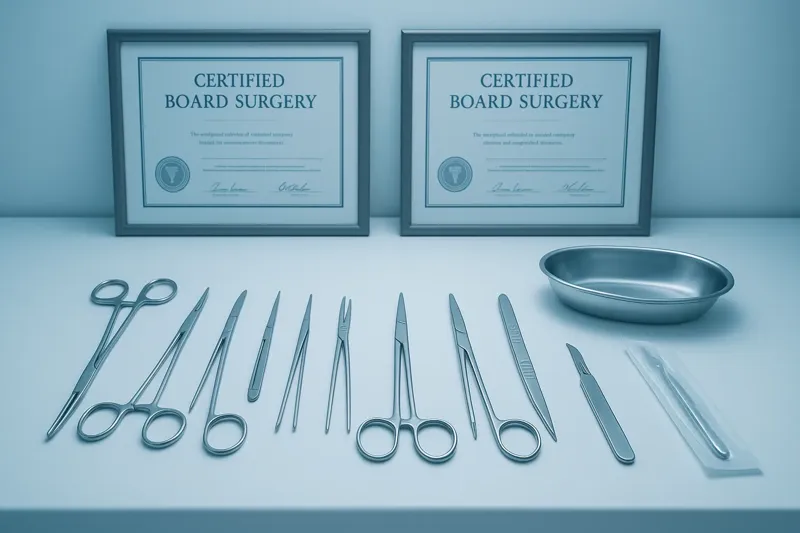
Board certification is a voluntary and rigorous process that a surgeon undergoes to demonstrate advanced expertise in their specialty, beyond basic medical licensure. It requires completing extensive training including medical school, surgical residencies, and sometimes fellowship programs.
While medical licensure allows a doctor to practice medicine broadly, board certification verifies that the surgeon has met nationally recognized standards for education, knowledge, experience, and surgical skill within a particular specialty such as plastic or cosmetic surgery.
Choosing a board-certified surgeon ensures they have undergone comprehensive training, passed challenging exams, and are committed to ongoing education and ethical standards. This certification enhances patient safety, improves communication, and leads to better surgical outcomes including fewer complications and more natural results.
Patients should always verify certification status through recognized boards like the American Board of Plastic Surgery to make informed and confident decisions about their care.
Board certification is a mark of advanced professional accomplishment, indicating that a surgeon has undergone extensive and specialized training beyond medical school. For plastic and cosmetic surgeons, this typically includes a minimum of five to seven years of postgraduate education, which encompasses a general surgery residency followed by a dedicated plastic surgery residency or fellowship. During this time, surgeons accumulate hands-on experience performing a wide variety of procedures in accredited hospitals and surgical centers. Surgeon training requirements
To earn board certification, surgeons must pass rigorous written and oral examinations. These tests comprehensively assess their knowledge in anatomy, surgical techniques, patient safety, ethics, and post-operative care. The evaluation process is designed to confirm that the surgeon meets or exceeds national standards set by recognized boards such as the American Board of Plastic Surgery (ABPS) or the American Board of Cosmetic Surgery (ABCS). Successfully passing these exams reflects the surgeon’s expertise and ability to perform complex reconstructive and aesthetic procedures with precision. Board certification process
Board certification is not a one-time achievement; certified surgeons are required to engage in continuous education and periodic reassessment to maintain their credentials. This commitment includes participating in advanced training, peer reviews, and quality improvement practices, ensuring that surgeons remain current with evolving techniques and medical advancements. Maintaining certification also guarantees adherence to strict safety protocols and ethical standards, ultimately supporting better patient outcomes and enhanced trust. Maintaining certification
Being board certified means a surgeon has demonstrated exceptional expertise through rigorous training and examination processes. For cosmetic surgeons, certification by boards such as the ABCS requires evidence of extensive procedure experience—typically over 300 cosmetic surgeries completed during accredited training—along with successful completion of comprehensive exams. This ensures patients receive care from highly skilled professionals committed to delivering safe, effective, and natural-looking results in accredited surgical environments. Choosing a board-certified surgeon provides confidence in their specialized qualifications and dedication to excellence in cosmetic surgery. Choosing a qualified plastic surgeon

Board-certified plastic surgeons in the United States undergo an extensive and highly specialized education pathway. This journey includes completing a bachelor's degree, four years of medical school, followed by 5 to 7 years of surgical residency training that focuses on both general surgery and dedicated plastic and reconstructive surgery. The rigorous training emphasizes not only cosmetic enhancements but also complex reconstructive procedures, ensuring surgeons possess comprehensive knowledge and skill in anatomy, aesthetics, and surgical techniques.
Board certification importance requires adherence to strict ethical guidelines and patient safety measures. Certified plastic surgeons comply with evidence-based protocols and operate within accredited facilities that maintain high safety standards. They are also committed to ongoing education and periodic re-certification to stay current with evolving surgical advancements and best practices. This dedication significantly reduces the risk of complications and promotes better overall patient safety and surgical outcomes.
The American Board of Plastic Surgery (ABPS), recognized by the American Board of Medical Specialties (ABMS), serves as the gold standard for plastic surgery certification in the U.S. To earn ABPS certification, surgeons must pass comprehensive written and oral examinations that evaluate their knowledge, ethics, and technical proficiency. Only surgeons certified by the ABPS can officially be recognized as plastic surgeons, highlighting the importance of this credential. Certification also requires maintaining hospital privileges and continuous medical education, ensuring lifelong commitment to excellence.
Patients choosing board-certified plastic surgeons benefit from transparent communication and greater confidence in their care providers. Knowing a surgeon holds ABPS certification assures patients that their surgeon has met nationally recognized benchmarks for education, experience, and ethical conduct. This trust fosters informed decision-making and collaborative care, which are essential for achieving optimal surgical results and satisfying patient experiences.
Being board certified is crucial for selecting a plastic surgeon because it demonstrates that the surgeon has fulfilled rigorous educational, ethical, and safety requirements. This certification process includes extensive training and passing demanding examinations overseen by the ABPS. Board-certified plastic surgeons have proven their competence through years of specialized practice and continuous learning. Additionally, certification from reputable organizations ensures surgeons perform procedures in accredited, safe environments, ultimately leading to safer surgeries, better outcomes, and enhanced patient confidence in the quality of care received.

Board certification plays a crucial role in enhancing patient safety and improving surgical outcomes. Surgeons who are board-certified surgeons have undergone rigorous training that includes medical school and residency, comprehensive surgical residencies, and specialty fellowships when applicable. They pass challenging written and oral exams administered by recognized boards such as the American Board of Plastic Surgery (ABPS) and commit to ongoing education to remain current with the latest procedures and safety protocols.
Research and clinical experience consistently demonstrate that patients treated by board-certified surgeons have significantly better outcomes. These outcomes include notably lower rates of complications, reduced mortality, and higher patient satisfaction with aesthetic results. Board-certified surgeons adhere strictly to evidence-based surgical practices and partake in peer reviews in surgery and quality improvement activities, ensuring that their clinical practices meet the highest standards for safety and efficacy.
Another important factor is that board-certified surgeons operate exclusively in accredited surgical facilities standards. These facilities are subject to rigorous safety inspections and maintain strict safety protocols, further reducing patient risk during surgery. This combination of comprehensive training, adherence to ethical and safety standards, continuous education, and high-quality surgical environments makes board certification benefits a reliable indicator of superior surgical care.
For patients, choosing a board-certified plastic surgeons means receiving personalized, expert care from professionals dedicated to minimizing risks and optimizing results. This level of accountability and commitment translates into greater trust in certified surgeons, more transparent communication with surgeons, and ultimately, safer and more successful surgical experiences.
| Aspect | Benefit | Details |
|---|---|---|
| Rigorous Training | Ensures surgeon competence | Long residencies, fellowships, and exams |
| Better Patient Outcomes | Lower complication and mortality rates | Supported by research and clinical data |
| Evidence-Based Practice | Higher safety and quality of care | Regular peer reviews in surgery and guideline adherence |
| Accredited Facilities | Enhanced patient safety during procedures | Facilities meet accredited surgical facilities standards |
| Ongoing Education | Keeps surgeons current with medical advances | Mandatory continuing medical education and certification maintenance |
| Patient Confidence | Increased trust and improved communication | Transparent dialogue fostering informed decisions |

Board-certified surgeons typically outperform their non-certified counterparts due to their stringent qualifications. They undergo extensive education, including medical school and residency followed by surgical residencies and often fellowship training. This comprehensive experience is validated through rigorous written and oral exams administered by recognized boards such as the American Board of Surgery certification. Certification maintenance demands continuous education and professional assessments, ensuring surgeons remain current with evolving techniques and safety protocols.
This extensive process results in surgeons who demonstrate superior expertise, clinical judgment, and adherence to ethical standards. Patients can verify their surgeon's certification status through trusted organizations like the American Board of Medical Specialties (ABMS), providing transparency and enhancing trust.
Selecting a non-board-certified plastic surgeon can expose patients to higher risks. Such surgeons may have fewer years of specialized training, sometimes limited to minimal post-medical school experience, without the rigorous examinations and continuing education requirements that certified surgeons uphold.
This gap in training increases the likelihood of complications, such as infections, poor wound healing, and unsatisfactory cosmetic outcomes. Non-certified surgeons may lack the experience to manage intraoperative challenges or postoperative complications effectively. Furthermore, they might operate in non-accredited facilities, which can compromise patient safety.
Board-certified plastic surgeons follow strict guidelines and safety protocols, conduct surgeries at accredited centers, and are subject to peer reviews and quality improvement measures — all factors reducing the risk profile significantly.
Patients should confirm their surgeon's credentials through reliable sources. Verified board certification benefits assure that the surgeon meets national standards for education, skill, and ethical practice. Trusted platforms include the websites of the American Board of Medical Specialties, the American Board of Surgery, and the American Board of Plastic Surgery.
Board certification is a lifelong commitment to excellence. Certified surgeons engage in ongoing education, regularly updating their knowledge of medical advancements and surgical innovations. They participate in peer reviews and quality assurance programs that continually enhance patient care standards. This proactive approach safeguards patient safety and optimizes surgical outcomes.
Choosing a board-certified surgeon means placing trust in a professional dedicated not only to mastering surgical techniques but also to compassionate, ethical, and evidence-based patient care as detailed in Evidence-based surgical practices.

Board-certified surgeons demonstrate a lifelong commitment to high-quality patient care through continuous learning and rigorous recertification. Beyond initial certification, these surgeons must regularly complete continuing medical education and pass periodic assessments to ensure their skills and knowledge remain current with advances in surgical techniques and safety standards.
The recertification process is supported by quality improvement in surgery and peer reviews in surgery initiatives. Surgeons participate in systematic evaluations of their clinical outcomes and adherence to evidence-based surgical practices, enhancing surgical safety and guidelines and patient care quality. Such processes also provide opportunities to identify and address knowledge gaps and improve practice standards continuously.
Transparency and ethical conduct form the foundation of trust in certified surgeons. By maintaining certification, surgeons commit to upholding the highest professional standards, including informed consent, honest communication about risks and expected outcomes, and personalized care plans tailored to each patient’s needs.
For patients, choosing a board-certified surgeon means gaining confidence in the surgeon’s expertise and dedication to safe, effective treatments. This ongoing commitment to education and quality improvement correlates with reduced surgical complications and improved overall outcomes, reinforcing why board certification benefits remain a critical marker of surgical excellence and patient safety.
Board certification is a voluntary yet rigorous process that demonstrates a surgeon's expertise, advanced training, and commitment to high standards of patient care. It ensures that surgeons have completed extensive education, passed comprehensive exams, and maintain ongoing professional development.
Patients are encouraged to verify their surgeon's certification through trusted sources such as the American Board of Medical Specialties or the American Board of Surgery websites. This transparency helps build trust and supports informed decision-making when selecting a surgeon.
Choosing a board-certified surgeon significantly enhances patient safety, decreases complication rates, and improves surgical outcomes. These surgeons operate in accredited facilities, follow evidence-based guidelines, and uphold ethical standards, all contributing to a safer, more satisfying surgical experience.
September 9, 2026
Expert Guide to Proper Surgical Incision Care

Master dermal fillers aftercare with do's and don'ts, swelling tips, activity limits and warning signs to protect your results and heal smoothly.

September 8, 2026
Ensuring Safety: Why Your Surgeon's Credentials Matter Most
Cape Cod Plastic Surgery offers expert cosmetic and reconstructive procedures in a safe, accredited setting. Led by Dr. Marc Fater, we combine advanced techniques with personalized care to help you look and feel your best.
Monday: 9:00 AM – 5:00 PM
Tuesday: 9:00 AM – 5:00 PM
Wednesday: 9:00 AM – 5:00 PM
Thursday: 9:00 AM – 5:00 PM
Friday: 9:00 AM – 5:00 PM