

October 2, 2026
When Is the Right Time for Plastic Surgery
Beyond the Calendar: How to Know You’re Truly Ready for Plastic Surgery
Apr 5, 2026
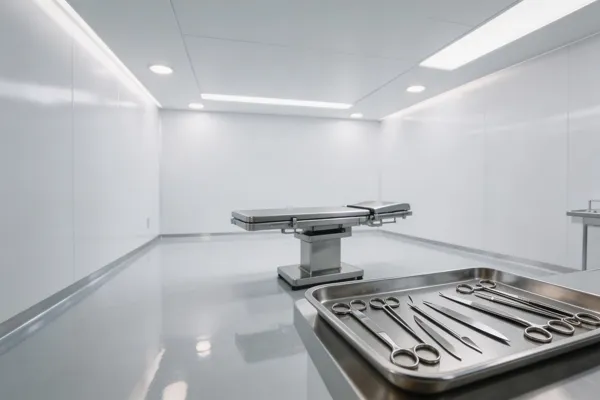
Patient safety is the cornerstone of every successful surgical practice, especially in cosmetic and reconstructive medicine where outcomes directly affect a patient’s confidence and quality of life. When safety protocols—such as stringent sterilization, accurate patient identification, and the WHO Surgical Safety Checklist—are consistently applied, the risk of infection, nerve injury, or postoperative complications is dramatically reduced, leading to smoother recoveries and higher satisfaction scores. Beyond clinical results, a steadfast commitment to safety fulfills an ethical duty to protect patients from preventable harm and reinforces the trust that patients place in their surgeon and the facility. By fostering a transparent, team‑focused culture that encourages open communication and continuous education, we not only uphold the highest standards of care but also empower patients to feel confident that their aesthetic goals will be achieved in the safest possible environment.

Ensuring patient safety begins before a patient even steps into the operating room. A rigorous pre‑operative verification process confirms the patient’s identity, the correct surgical site, and the exact procedure planned, using two independent patient identifiers and a clear, documented site‑marking step. This verification is a cornerstone of the Joint Commission’s Universal Protocol and prevents the most common sentinel event—wrong‑site surgery.
Once the patient is in the OR, the World Health Organization (WHO) Surgical Safety Checklist provides a structured, three‑phase safety net (Sign‑In, Time‑Out, Sign‑Out). The Time‑Out, performed by the entire surgical team, reconfirms identity, procedure, implants, and antibiotics, and it verifies that all equipment, including the grounding pad for electrosurgery and pulse‑oximetry monitors, is ready and functional. Continuous intra‑operative monitoring—oxygen saturation, ECG, blood pressure, and temperature—detects physiologic disturbances early, allowing immediate corrective action.
Why is patient safety important in healthcare? It protects patients from preventable harm such as medication errors, infections, and surgical complications, leading to faster recovery, higher satisfaction, and lower costs. In cosmetic and reconstructive surgery, where outcomes are closely tied to aesthetic expectations, safety is the foundation of trust and successful results.
How does patient safety relate to surgical procedures? Every step—from verification and checklist compliance to real‑time monitoring and post‑operative follow‑up—creates redundant safeguards that catch errors before they affect the patient, ensuring that each procedure is performed in a secure, accredited environment.

Nurses are the frontline guardians of patient safety throughout every surgical case. By rigorously confirming patient identity, surgical site, and procedure during the pre‑operative verification and final "time‑out," they eliminate the most common cause of wrong‑site surgery. Their vigilance extends to equipment checks, ensuring that all implants, monitors, and instruments are present and functional before the incision.
Proper positioning and padding are essential to prevent pressure‑injuries and nerve damage. Nurses select the appropriate gel rolls, egg‑crate supports, and limb‑elevation techniques for supine, prone, or seated positions, keeping pressures below 70 mm Hg and limiting arm abduction to under 80° in obese patients. Continuous assessment of padding integrity throughout the case protects bony prominences and peripheral nerves.
Closed‑loop communication and strict sterile technique complete the safety net. Nurses repeat critical information—medication doses, instrument counts, intra‑operative changes—to surgeons, anesthesiologists, and scrub technologists, confirming receipt before proceeding. They monitor aseptic practices, intervene immediately if a breach occurs, and maintain the clean‑dirty traffic flow with signage and disposable attire.
How can nurses ensure patient safety in the operating room? Nurses protect patients by rigorously verifying the patient’s identity, surgical site, and procedure before incision and by confirming that all required equipment and implants are present and functional. They maintain proper positioning and padding to prevent pressure injuries, monitor sterility throughout the case, and promptly address any breaches in aseptic technique. Effective, closed‑loop communication with surgeons, anesthesiologists, and scrub techs ensures that critical information—such as medication doses, instrument counts, and intra‑operative changes—is shared accurately and in real time. By fostering a culture of vigilance and teamwork, nurses can identify and mitigate both active errors (e.g., missed steps) and latent system threats (e.g., understaffing or rushed workflows). Continuous education and adherence to standardized safety protocols further reinforce a safe operating‑room environment.

Ensuring patient safety in the operating room requires a multilayered, evidence‑based approach that integrates timing, counting, and monitoring. First, prophylactic antibiotics are administered within 60 minutes before incision, as recommended by the WHO Surgical Safety Checklist and CDC guidelines, to reduce surgical site infections (SSIs) and support optimal wound healing. Second, rigorous instrument and sponge counts are performed during the sign‑out phase of the WHO checklist; any discrepancy triggers a radiographic verification, preventing retained foreign bodies—a sentinel event that can lead to serious complications. Third, continuous intra‑operative physiologic monitoring—including pulse oximetry, electrocardiography, capnography, and core temperature tracking—detects hypoxia, arrhythmias, or hypothermia early, allowing immediate corrective actions. These measures are reinforced by a pre‑operative “time‑out” that verifies patient identity, surgical site, consent, allergies, and anticipated blood loss, and by a post‑procedure debrief that confirms recovery plans. Together, they create a safety loop that protects patients undergoing cosmetic and reconstructive procedures, maintaining the highest standards of care and fostering confidence in the surgical team.

Operating rooms (OR) and Central Materiel Service (CMS) areas are organized into three zones—unrestricted, semi‑restricted, and restricted—to control personnel traffic and minimize cross‑contamination of sterile equipment. The unrestricted zone includes public areas such as waiting rooms and hallways where anyone may enter. The semi‑restricted zone surrounds the sterile core and comprises scrub rooms, instrument‑processing areas, clean‑core corridors, and storage spaces. Access is limited to authorized staff who must wear surgical attire, head and facial‑hair coverings, and appropriate PPE, including masks. Clear signage and color‑coded floor markings separate these zones, creating a visual traffic‑control system that directs clean supplies into the restricted area while keeping contaminated traffic out. By maintaining a buffer in the semi‑restricted zone, cross‑contamination risk is dramatically reduced, ensuring a safer environment for patients and staff alike.
What is a semi‑restricted area in the operating room? A semi‑restricted area in the operating room suite comprises the peripheral support spaces that surround the sterile field, such as corridors, clean‑core zones, scrub rooms, instrument‑processing and storage rooms, and the hallway leading to the restricted OR. Access is limited to authorized personnel only, and the area is marked off from unrestricted zones by a red demarcation line on the floor. Anyone entering a semi‑restricted area must wear surgical attire, head and facial‑hair covering, and appropriate personal protective equipment, including masks when necessary. The purpose of this zone is to create a buffer that reduces traffic into the sterile field and minimizes the risk of cross‑contamination while still allowing the movement of clean supplies and equipment.

Advanced surgical facilities such as Cape Cod Plastic Surgery are adopting integrated operating‑room (OR) platforms that bring imaging, navigation, monitoring and documentation together on centralized displays. By linking high‑resolution intra‑operative imaging (CT, MRI, X‑ray) and real‑time vital‑sign data to a single screen, the entire team can see the patient’s status without leaving the sterile field, reducing distractions and the chance of miscommunication. Automation of instrument tracking and documentation—using barcode scanning, RFID tags and electronic count‑out systems—eliminates manual double‑counts and ensures that every sponge, needle and device is accounted for before closure, a key safeguard against retained foreign objects. This seamless workflow also minimizes physical clutter, lowering the risk of trips, equipment collisions and staff fatigue. In addition, the integrated platform enables instant remote consultation with specialists, allowing rapid corrective action if unexpected findings arise. Together, these technologies create a smoother, safer surgical environment, supporting the clinic’s commitment to precise, patient‑centered cosmetic and reconstructive care.

At Cape Cod Plastic Surgery we rely on standardized checklists and pre‑operative time‑outs to verify patient identity, procedure, and operative site, reducing mix‑ups and ensuring informed consent is confirmed. Sterile technique, prophylactic antibiotics, and meticulous instrument counts further guard against infections and retained items. During the safety briefing the team reviews allergies, current medications, special precautions (e.g., infection‑control measures, implant requirements), and confirms that all equipment, instruments, and energy devices are functional and properly sterilized. Roles are clearly assigned—who will scrub, monitor vitals, manage the airway—and anticipated complications and emergency response plans are discussed. Communication protocols such as briefings, closed‑loop confirmations, and post‑operative debriefs keep everyone aligned. Staff promote a culture of safety by encouraging every member, regardless of rank, to speak up about concerns and by fostering a non‑punitive environment for reporting near‑misses. Leaders model safety‑first behavior, recognize compliance, and address systemic issues promptly. Ongoing education, simulation training, and regular hand‑off reviews ensure that potential errors are caught early, ultimately delivering safe, high‑quality cosmetic and reconstructive outcomes.

At our cosmetic and reconstructive practice we base every procedure on proven safety frameworks. The 4 P's of surgery—Place, Procedure, Personnel, and Patient—guide the preparation of the operating suite, the selection of the operative technique, the assignment of qualified team members, and the individualized assessment of each patient. The 5 P's of patient safety in hospitals—Pain, Potty (restroom needs), Possessions (personal items), Position, and Personal safety (environmental safety)—ensure the patient’s comfort, privacy, and protection throughout the peri‑operative period, especially during long cosmetic cases. The 7 steps of patient safety implementation provide a roadmap for continuous improvement: 1) build a safety culture, 2) lead and support staff, 3) integrate risk‑management activities, 4) promote reporting of hazards, 5) involve patients and the public, 6) learn and share safety lessons, and 7) implement solutions to prevent harm. These principles are embedded in our use, WHO Surgical Safety Checklist, and rigorous postoperative monitoring, reinforcing our commitment to safe, high‑quality outcomes.
At Cape Cod Plastic Surgery our dedication to patient safety is reinforced by a relentless program of continuous improvement and staff training. Every team member participates in regular simulation drills, evidence‑based workshops, and certification refreshers that focus on the latest infection‑control protocols, ergonomic practices, and safe use of electrosurgical equipment. By fostering a culture of lifelong learning, we reduce human error and keep our clinicians at the forefront of advanced cosmetic and reconstructive techniques.
Patient trust is the cornerstone of our ethical responsibility. We provide transparent informed‑consent discussions, verify identity with dual identifiers, and encourage patients to ask questions about positioning, anesthesia, and postoperative care. Our surgeons and nursing staff are trained to listen actively, address concerns promptly, and document every step to ensure accountability.
Our facility is accredited by the Joint Commission and adheres to WHO Surgical Safety Checklist standards, AORN guidelines, and OSHA blood‑borne pathogen regulations. We employ laminar‑flow ventilation, steam‑sterilized instruments, and FDA‑approved hand‑hygiene solutions, guaranteeing an environment that meets the highest evidence‑based safety benchmarks.
October 2, 2026
Beyond the Calendar: How to Know You’re Truly Ready for Plastic Surgery

October 2, 2026
Exploring Your Breast Augmentation Options: Implants, Shapes, and What to Expect
October 1, 2026
Reshaping Your Silhouette: A Guide to Body Contouring
Cape Cod Plastic Surgery offers expert cosmetic and reconstructive procedures in a safe, accredited setting. Led by Dr. Marc Fater, we combine advanced techniques with personalized care to help you look and feel your best.
Monday: 9:00 AM – 5:00 PM
Tuesday: 9:00 AM – 5:00 PM
Wednesday: 9:00 AM – 5:00 PM
Thursday: 9:00 AM – 5:00 PM
Friday: 9:00 AM – 5:00 PM