
October 5, 2026
The Value of an On Site Accredited Facility
Why Our On-Site Accredited Facility Matters for Your Safety
Dec 21, 2025
The desire for youthful, radiant skin is timeless, but navigating the world of aesthetic medicine can be overwhelming. With countless options available, how do you determine the best procedures for aging skin that align with your unique goals, budget, and lifestyle? Aging is a multifaceted process, driven by genetics, lifestyle, and environmental factors, resulting in concerns like fine lines, wrinkles, volume loss, sagging, and textural changes. Fortunately, modern cosmetic treatments offer sophisticated solutions tailored to every stage of this journey, from preventative care in your 30s to transformative surgical options for more advanced signs of aging.
This comprehensive guide breaks down the top 10 surgical and non-surgical procedures, demystifying the science behind each one. We will explore everything from injectables like Botox and dermal fillers to advanced technologies like laser resurfacing and radiofrequency microneedling. For those considering more significant rejuvenation, we will also detail surgical options such as the facelift, providing the clarity you need to make informed, confident decisions.
Our goal is to equip you with a clear understanding of what each procedure can and cannot do. This includes who the ideal candidate is, what results to expect, the required downtime, and potential risks. A truly effective anti-aging strategy often combines professional treatments with supportive at-home care. Beyond medical and cosmetic procedures, a holistic approach to timeless results might include therapies like exploring the dedicated infrared sauna skin benefits for improved collagen and healthier skin. Whether you're seeking subtle enhancements or dramatic rejuvenation, this guide is the first step toward achieving natural, beautiful results that last.
Botox, a purified form of botulinum toxin, stands as one of the most popular and effective non-surgical treatments for aging skin. It is an injectable neurotoxin designed to combat dynamic wrinkles, the lines formed by repeated facial movements like smiling, frowning, or squinting. By temporarily relaxing targeted facial muscles, Botox smooths the overlying skin, visibly reducing crow’s feet, forehead lines, and the "11" lines between the eyebrows.
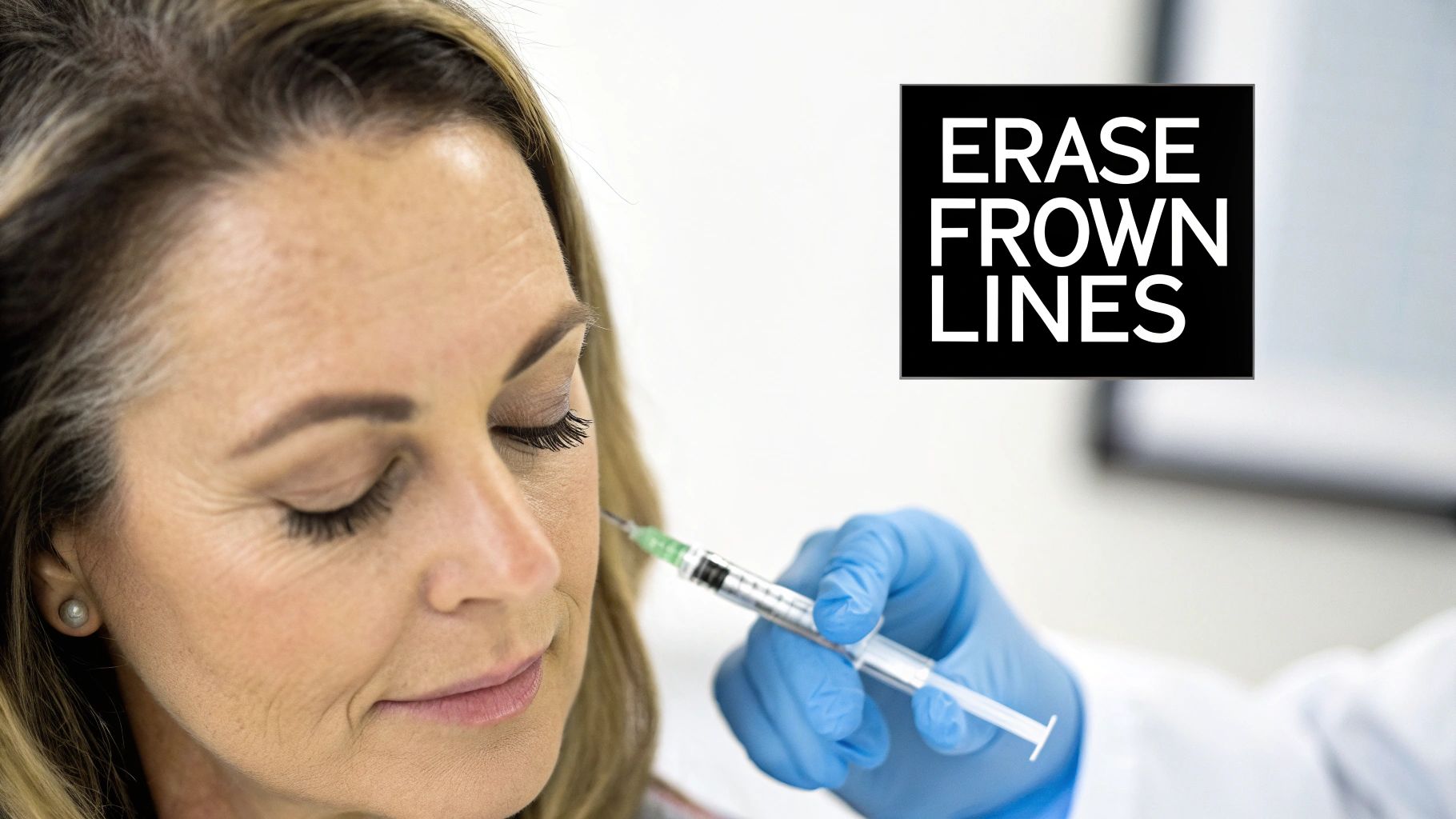
The procedure is quick, often completed in under 15 minutes with minimal discomfort. Its ability to deliver noticeable results with no real downtime makes it a cornerstone of modern aesthetic medicine and a top choice among the best procedures for aging skin.
Botox is best for adults who are concerned with dynamic wrinkles. It is often used both correctively for existing lines and preventatively in younger patients (late 20s and early 30s) to stop deep lines from forming. Candidates should be in good overall health and have realistic expectations about the outcomes.
Results begin to appear within 3 to 7 days, with the full effect visible at about two weeks. The skin appears smoother and more rested. There is no significant downtime, though minor swelling or bruising at the injection site is possible. To maintain the effect, treatments are typically repeated every 3 to 4 months.
To ensure a natural-looking outcome, consider these actionable tips:
Dermal fillers are injectable gel-like substances used to restore lost volume, smooth lines, and enhance facial contours. Unlike Botox, which relaxes muscles, fillers address static wrinkles, the lines that remain visible even when your face is at rest. They work by literally "filling in" creases and hollows, providing immediate plumpness and lift to areas like the cheeks, lips, and nasolabial folds.
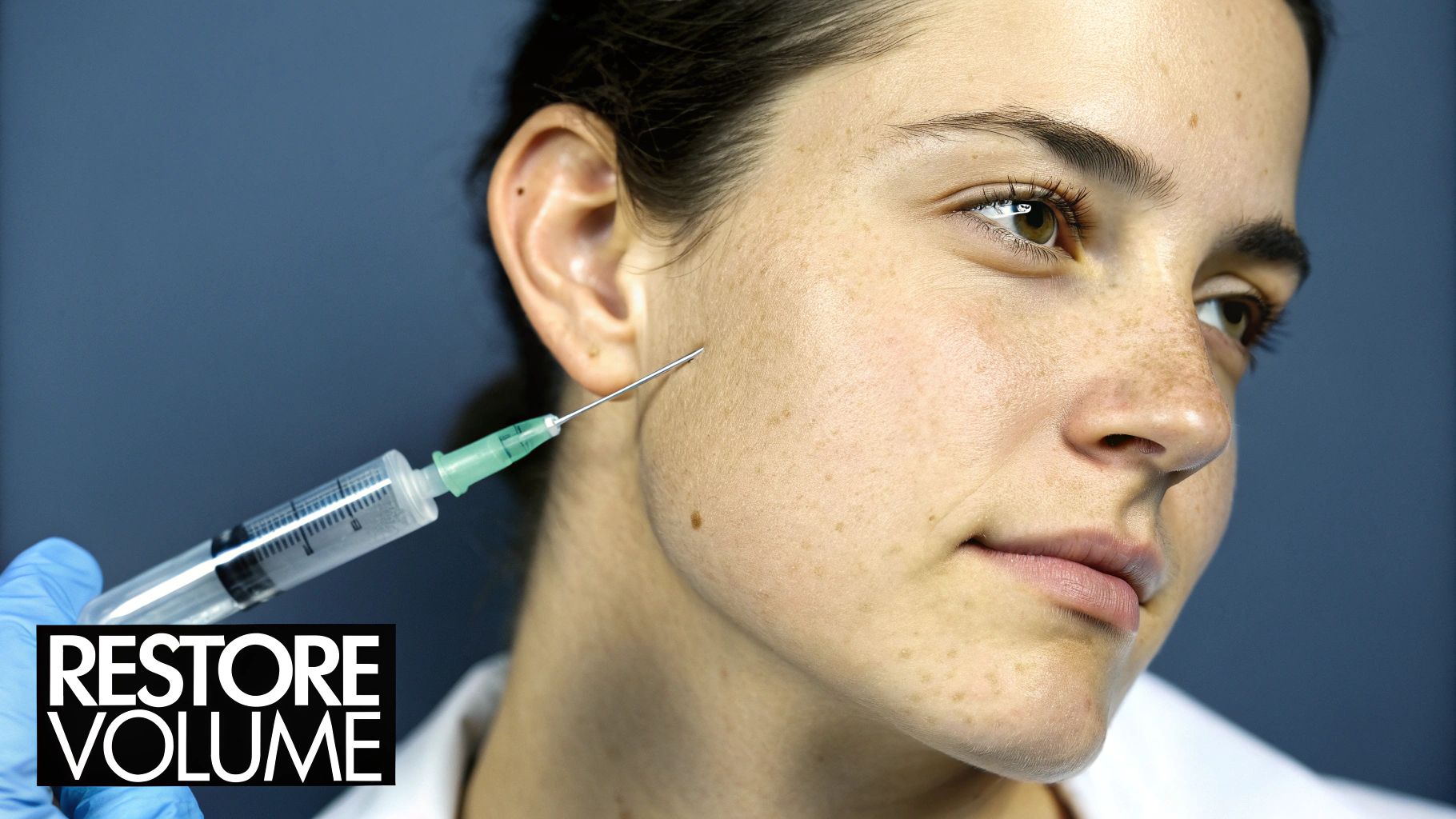
This versatility makes them one of the best procedures for aging skin, capable of everything from subtle lip augmentation to significant structural rejuvenation. Popular hyaluronic acid fillers like Juvéderm and Restylane offer natural-looking, reversible results, while options like Radiesse and Sculptra provide longer-lasting structural support.
Ideal candidates for dermal fillers are individuals experiencing age-related volume loss, which can create a sunken or tired appearance. They are perfect for those wanting to soften static wrinkles, such as smile lines or marionette lines, or enhance facial features like lips and cheeks. Candidates should have good skin elasticity and realistic expectations for non-surgical facial rejuvenation.
Results from dermal fillers are visible almost immediately, with continued improvement as the filler settles over the next few days. Common side effects include mild swelling, redness, and bruising at the injection sites, which typically resolve within a week. Depending on the type of filler used, results can last from 6 months to over two years. Maintenance treatments are needed to preserve the effect.
To achieve beautiful, balanced results, follow these professional tips:
Microneedling, also known as collagen induction therapy, is a minimally invasive procedure that harnesses the skin's own healing power to combat the signs of aging. It uses a device with fine, sterile needles to create controlled micro-injuries in the skin's surface. This process triggers the body's natural wound-healing response, stimulating the production of new collagen and elastin, the essential proteins that provide skin with firmness and elasticity. The result is improved skin texture, reduced fine lines and wrinkles, and diminished appearance of scars.
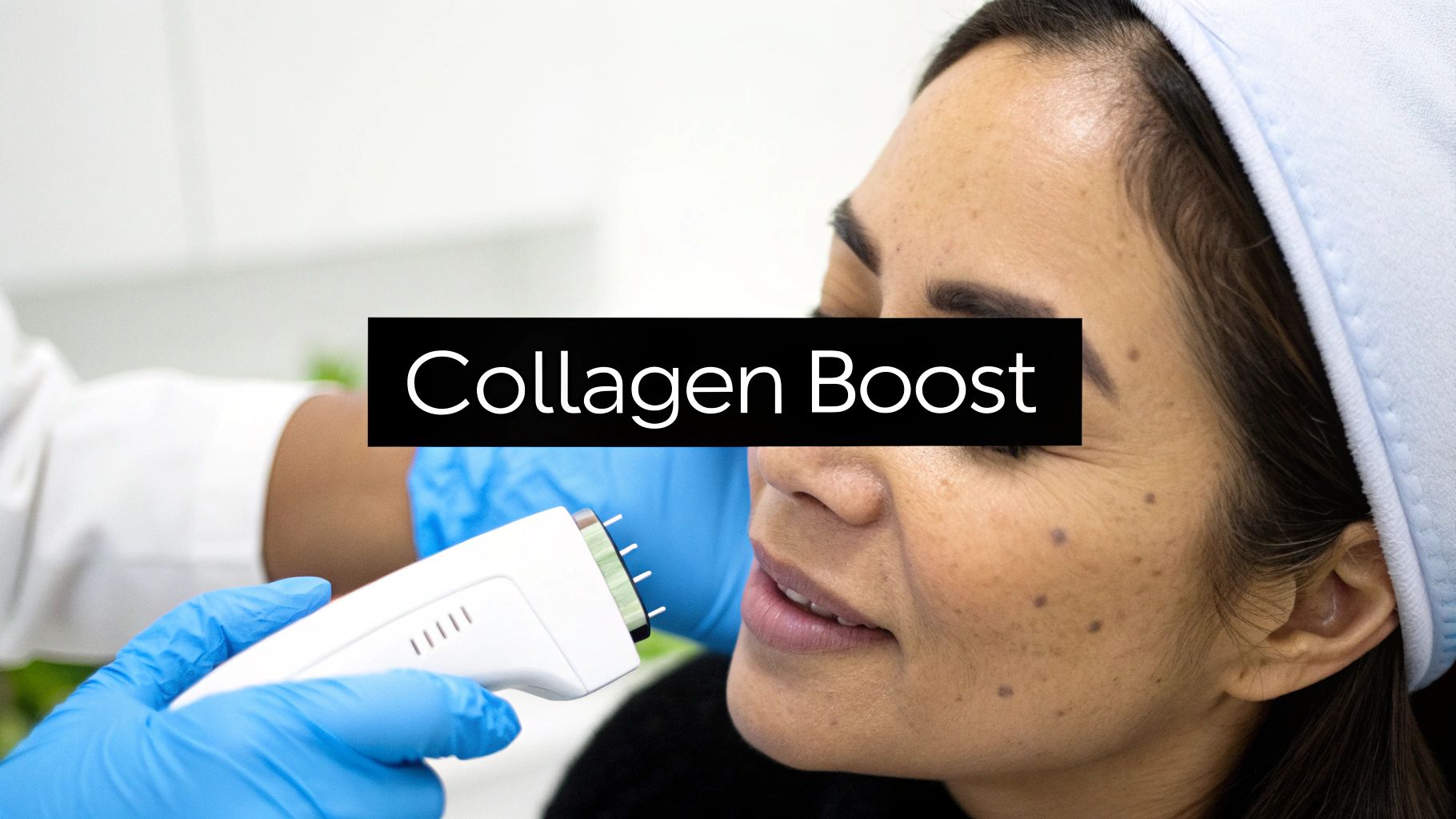
This treatment is highly regarded as one of the best procedures for aging skin because it addresses multiple concerns simultaneously, from texture to tone, with minimal downtime. It effectively revitalizes the skin from within for a naturally refreshed appearance.
Microneedling is suitable for adults of all skin types who are looking to improve overall skin quality. It is particularly effective for those concerned with textural issues like fine lines, enlarged pores, acne scars, and a general lack of radiance. Candidates should have healthy skin without active infections or severe acne breakouts in the treatment area.
Visible improvement in skin texture can be seen within a week, with more significant results developing over the next 4 to 6 weeks as collagen production increases. The skin will appear brighter, smoother, and firmer. There is minimal downtime, typically consisting of 24 to 48 hours of mild redness, similar to a sunburn. For optimal results, a series of 3 to 6 treatments spaced 4 to 6 weeks apart is often recommended.
To get the most from your collagen induction therapy, follow these tips:
Chemical peels are a time-tested cosmetic procedure that uses a specialized acid solution to remove the damaged outer layers of the skin. This controlled exfoliation process triggers the body's natural healing response, stimulating collagen production and revealing smoother, healthier, and more youthful-looking skin underneath. Peels are incredibly versatile and can be customized in strength, from superficial to deep, to address a wide range of concerns.
By accelerating cell turnover, chemical peels effectively treat fine lines, sun damage, uneven skin tone, and textural irregularities. The type of acid used, such as Alpha-Hydroxy Acids (AHAs) like glycolic acid or Beta-Hydroxy Acids (BHAs) like salicylic acid, is chosen based on your specific skin concerns, making this one of the most adaptable and best procedures for aging skin.
Ideal candidates for chemical peels are individuals looking to improve skin texture, reduce the appearance of fine lines, treat sun spots and discoloration, or manage certain types of acne. Candidates should have lighter skin tones for more aggressive peels to minimize the risk of post-inflammatory hyperpigmentation. It's crucial for candidates to be committed to a strict post-procedure skincare regimen, especially sun protection.
Results and downtime vary significantly depending on the peel's depth. A light, superficial peel may cause minor redness and flaking for a few days, revealing brighter skin. A medium-depth peel, like a Trichloroacetic acid (TCA) peel, requires about a week of downtime with more significant peeling and redness. The result is a more dramatic improvement in texture and tone. For sustained results, a series of light peels may be recommended, while medium peels are typically performed less frequently.
To get the most from your treatment and ensure a safe healing process, follow these actionable tips:
Laser resurfacing is a powerful procedure that uses focused light energy to improve skin tone, texture, and firmness. It works by creating a controlled injury to the skin, which prompts the body’s natural healing process to produce new collagen and elastin. This treatment effectively addresses a wide range of concerns, including fine lines, deep wrinkles, sun damage, age spots, and acne scars, making it one of the most versatile and best procedures for aging skin.
There are two primary categories: ablative lasers (like CO2) which remove the outer skin layer for dramatic results but require significant downtime, and non-ablative lasers (like Fraxel) which heat the underlying tissue without harming the surface, offering a gentler approach with less recovery time.
Ideal candidates are individuals concerned with moderate to severe skin aging signs such as wrinkles, sun damage, uneven texture, or scarring. The best laser for you depends on your specific goals, skin type, and tolerance for downtime. Patients should be in good health and not have active skin infections or certain skin conditions.
Results vary by laser type. Ablative treatments deliver transformative, long-lasting rejuvenation after just one session, but require 1-2 weeks of recovery. Non-ablative lasers produce more gradual improvement over a series of treatments with minimal downtime. The skin will appear smoother, clearer, and more youthful. Maintenance involves a robust skincare routine and sun protection.
To get the most from your treatment, follow these key tips:
Radiofrequency (RF) microneedling elevates traditional microneedling by combining it with thermal energy to dramatically enhance skin rejuvenation. This advanced procedure uses ultra-fine needles to create controlled micro-injuries in the skin, which triggers the body's natural healing process. Simultaneously, it delivers radiofrequency energy deep into the dermis, generating heat that powerfully stimulates new collagen and elastin production.
This dual-action approach results in superior skin tightening, texture improvement, and wrinkle reduction compared to microneedling alone. By addressing concerns like sagging skin, fine lines, acne scars, and enlarged pores, RF microneedling has secured its place as one of the best procedures for aging skin.
Ideal candidates are individuals looking to improve skin laxity, fine lines, wrinkles, uneven skin texture, and certain types of scarring. The treatment is suitable for most skin types and tones, as the RF energy can be precisely controlled to minimize risks of hyperpigmentation. It is an excellent option for those seeking significant, noticeable results without the extensive downtime associated with more invasive surgical procedures.
Initial results, such as a radiant glow, may be visible within a few days. However, the full benefits of collagen remodeling appear gradually over two to three months. The downtime typically involves 24 to 72 hours of redness and mild swelling, similar to a sunburn. For optimal results, a series of 3 to 4 treatments spaced 4 to 6 weeks apart is usually recommended, with maintenance sessions scheduled annually.
To get the most from your treatment and ensure a smooth recovery, follow these essential tips:
Platelet-Rich Plasma (PRP) Therapy harnesses your body's own healing power to rejuvenate aging skin from within. This innovative treatment involves drawing a small sample of your blood, processing it in a centrifuge to isolate and concentrate the platelets, and then reinjecting this "liquid gold" into the skin. These platelets release powerful growth factors that stimulate collagen and elastin production, improve blood flow, and repair damaged cells, leading to smoother, firmer, and more radiant skin.
The procedure is highly valued for its natural approach, as it uses your body's own biological material, minimizing the risk of allergic reactions. Its versatility and organic mechanism make it one of the best procedures for aging skin for those seeking gradual, authentic improvement in skin texture and tone.
PRP is excellent for individuals looking for a natural method to address concerns like fine lines, poor skin texture, sun damage, and under-eye circles. It is suitable for most skin types and is a great option for patients who prefer a non-synthetic treatment. Candidates should be in good general health and not have any blood-related disorders.
Results develop over several weeks as collagen regeneration occurs, with optimal outcomes visible after a series of treatments. The skin appears healthier, plumper, and more youthful. Downtime is minimal, with potential for mild redness, swelling, or bruising for 1-3 days. A typical protocol involves 3-4 sessions spaced 4-6 weeks apart, with maintenance treatments recommended once or twice a year.
To get the most from your natural skin rejuvenation, follow these actionable tips:
A facelift, or rhytidectomy, is the gold standard of surgical facial rejuvenation. This procedure offers the most dramatic and long-lasting solution for advanced signs of aging by addressing not just the skin, but the underlying muscle and tissue structures. It effectively corrects deep creases, sagging jowls, loose neck skin, and volume displacement in the mid-face, restoring a more defined and youthful facial contour.
Unlike non-surgical options, a facelift provides a comprehensive lift that repositions fallen tissues and removes excess skin. The results can last for a decade or more, making it one of the best procedures for aging skin for those seeking a significant and enduring transformation.
Ideal candidates are typically individuals in their 50s or older who are experiencing significant skin laxity, jowls, and deep facial folds. Candidates should be non-smokers in good overall health with realistic expectations. They understand that a facelift turns back the clock but does not stop the aging process entirely.
The results of a facelift are transformative, revealing a smoother, tighter, and more rested appearance. The initial recovery period involves about 1 to 2 weeks of downtime, with swelling and bruising. Strenuous activities should be avoided for 4 to 6 weeks. While improvements are visible early on, the final, refined results can take 6 months to a year to fully emerge.
To ensure a safe procedure and beautiful, natural-looking results, follow these tips:
Retinoids, powerful derivatives of vitamin A, are the gold standard in topical treatments for aging skin. They work by accelerating cellular turnover, which prompts the skin to shed old, damaged cells and generate new ones. This process helps unclog pores, smooth skin texture, and fade hyperpigmentation. Crucially, retinoids also stimulate collagen production deep within the dermis, which firms the skin and reduces the appearance of fine lines and wrinkles over time.
This at-home treatment stands out as one of the best procedures for aging skin due to its extensive clinical backing and profound long-term benefits. From prescription-strength Tretinoin to over-the-counter retinol, there is a formulation suitable for nearly every skin type and concern, making it an accessible and effective foundation for any anti-aging regimen.
Retinoids are ideal for adults looking to improve a wide range of concerns, including fine lines, wrinkles, uneven skin tone, sun damage, and loss of firmness. They are suitable for most skin types, although individuals with very sensitive skin or conditions like rosacea may need to start with lower concentrations, such as adapalene, and build tolerance slowly. Candidates must be committed to consistent, long-term use and diligent sun protection.
Results from retinoids are gradual and cumulative. Initial improvements in texture may be seen in 4 to 6 weeks, but significant reduction in wrinkles can take 6 to 12 months of consistent use. There is no downtime, but a common "retinization" period can involve temporary dryness, peeling, and redness as the skin adapts. Lifelong use is required to maintain the results.
To achieve the best outcome and minimize irritation, follow these actionable tips:
A thread lift is a minimally invasive procedure that provides a subtle yet visible lift to sagging skin, positioning it as an effective intermediate option between dermal fillers and a surgical facelift. It involves placing absorbable, medical-grade threads, typically made of Polydioxanone (PDO), beneath the skin's surface. These threads anchor the skin and lift it upwards, immediately tightening areas like the jowls, neck, and cheeks.
Beyond the initial lift, the threads stimulate the body’s natural healing response, promoting new collagen production in the treated areas. This bio-stimulation creates a longer-lasting rejuvenating effect, improving skin texture and firmness even after the threads have dissolved over 6 to 12 months, making it one of the best procedures for aging skin with mild to moderate laxity.
Ideal candidates are individuals, typically in their late 30s to early 50s, experiencing mild to moderate skin sagging who are not yet ready for a full surgical facelift. Patients should have good skin quality and realistic expectations, understanding that the results are a subtle lift, not a dramatic surgical transformation. This procedure is also excellent for those seeking to lift the brow or define the jawline.
An immediate lift is visible right after the procedure, but the full benefits appear over the next 3 to 6 months as new collagen forms. The skin will look firmer, tighter, and more youthful. Downtime is minimal, with most patients experiencing some swelling, bruising, or soreness for a few days. Results typically last 12 to 18 months, and the treatment can be repeated to maintain the lifted appearance.
To ensure the best possible outcome and longevity from your thread lift, follow these tips:
Navigating the landscape of aesthetic medicine can feel overwhelming. We've explored a comprehensive array of the best procedures for aging skin, from the dynamic wrinkle-smoothing power of Botox and the volume-restoring capabilities of dermal fillers to the transformative potential of a surgical facelift. Each option, whether it's a minimally invasive treatment like microneedling or a powerful resurfacing tool like ablative lasers, offers a unique pathway toward achieving a more refreshed and confident appearance.
The core takeaway is that there is no single "best" procedure for everyone. The true power lies in combination and customization. Your unique skin concerns, anatomical structure, lifestyle, and aesthetic goals create a personal blueprint that requires a tailored strategy, not a one-size-fits-all solution.
The journey from reading this guide to seeing tangible results involves a crucial transitional step: moving from self-education to professional collaboration. While understanding the differences between a chemical peel and laser resurfacing is vital, an expert consultation is where this knowledge becomes a powerful, personalized action plan. A board-certified plastic surgeon doesn't just see a wrinkle or a sunspot; they see the underlying cause and the interplay of different facial structures.
This expert assessment is what elevates a simple treatment into a sophisticated anti-aging strategy. It’s the difference between temporarily filling a line and developing a long-term plan that addresses collagen loss, skin laxity, and texture simultaneously.
Key Insight: The most effective results often come not from a single, isolated procedure, but from a thoughtfully sequenced combination of treatments. For example, using Botox to relax muscles, fillers to restore volume, and laser resurfacing to improve skin quality creates a synergistic effect that is far more comprehensive and natural-looking than any one treatment could achieve alone.
Choosing from the best procedures for aging skin is less about picking an item from a menu and more about entering into a partnership with a trusted medical professional. This relationship is built on a foundation of trust, expertise, and a shared vision for your results. The right practitioner will prioritize your safety and aesthetic goals above all else.
Your consultation should be a comprehensive dialogue where you feel heard and respected. It’s your opportunity to ask detailed questions, understand the nuances of each recommendation, and feel completely confident in the proposed path forward. A qualified expert like Dr. Marc Fater will guide you through this process, ensuring your treatment plan is not only effective but also perfectly aligned with your vision of yourself. This collaboration ensures that your results look natural, feel authentic, and enhance your unique beauty rather than obscure it.
Embarking on this journey is a significant and personal decision. The most important step you can take is the one that leads you to safe, expert, and compassionate care. By investing in a professional consultation, you are investing in your safety, your confidence, and a future where you feel as vibrant on the outside as you do on the inside.
Ready to transform knowledge into action and discover your personalized path to rejuvenation? Schedule a consultation with Dr. Marc Fater at Cape Cod Plastic Surgery to discuss which of the best procedures for aging skin are right for you. Begin your journey toward natural, beautiful results in a safe, state-of-the-art facility by visiting Cape Cod Plastic Surgery today.
October 5, 2026
Why Our On-Site Accredited Facility Matters for Your Safety
October 2, 2026
Beyond the Calendar: How to Know You’re Truly Ready for Plastic Surgery
October 2, 2026
Exploring Your Breast Augmentation Options: Implants, Shapes, and What to Expect
Cape Cod Plastic Surgery offers expert cosmetic and reconstructive procedures in a safe, accredited setting. Led by Dr. Marc Fater, we combine advanced techniques with personalized care to help you look and feel your best.
Monday: 9:00 AM – 5:00 PM
Tuesday: 9:00 AM – 5:00 PM
Wednesday: 9:00 AM – 5:00 PM
Thursday: 9:00 AM – 5:00 PM
Friday: 9:00 AM – 5:00 PM