
September 9, 2026
How to Care for Surgical Incisions Properly
Expert Guide to Proper Surgical Incision Care
Aug 6, 2026
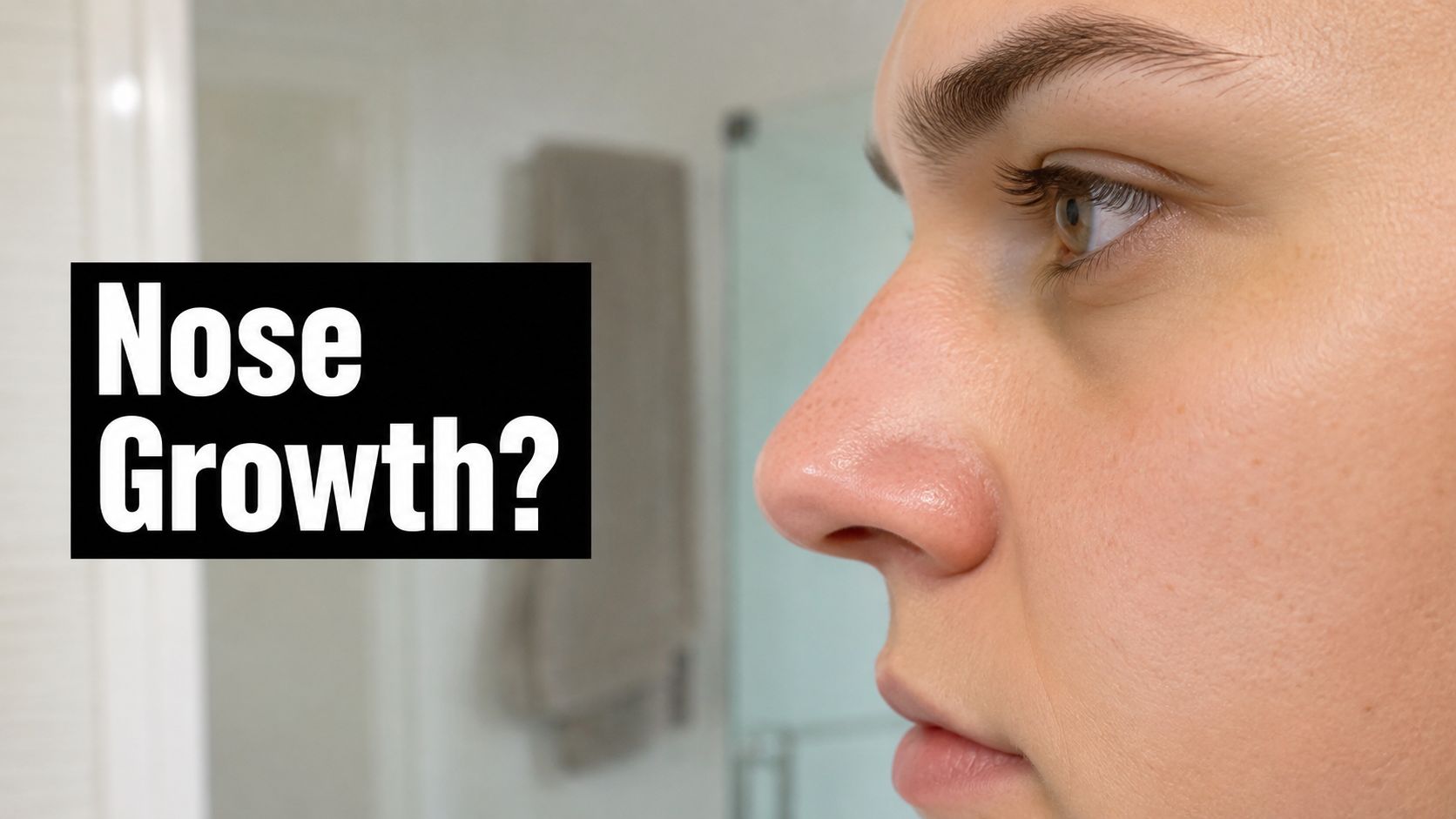
Ordinary nose picking does not permanently make the nose bigger, because the nose's shape is set mainly by bone and cartilage, not the soft lining you irritate with a finger. What people usually notice is temporary swelling, not true growth.
That answer matters because the myth sounds simple, but the story is more useful. Some people see puffiness after repeated picking, some develop irritation that comes and goes, and a small number develop actual injury from chronic trauma. The question isn't just whether the nose gets bigger, it's what picking does to the tissues, what changes fade, and when the habit crosses into something that deserves medical attention.
Does picking nose make it bigger? No, not in a permanent structural way. The outer shape of the nose is supported by a framework that a finger cannot reshape, so the fear that an ordinary habit will make the nose larger is mistaken.
What does happen is easier to confuse with growth. Repeated irritation can leave the inside of the nose swollen for a while, and that puffiness can make the nose look different even though the structure has not changed.
The key point is simple. A nose can look fuller because the tissue is irritated, then look normal again once that irritation settles. That is a temporary change in appearance, not the nose growing.
The rest of the article separates three things people often mix together:
Practical rule: if the nose only looks different right after irritation and then settles down, that usually points to swelling, not a lasting size change.
If irritation is leading to repeated injury, the question can shift from appearance to health. In some situations, people also need guidance on related medical problems, including managing toxicity in special populations, but that is separate from the myth about the nose becoming bigger.
The nose is not built like a balloon. Its outer shape comes from a framework of bone and cartilage, with softer tissue and lining over the top, so picking at the inside does not create the kind of force needed to permanently enlarge the structure.
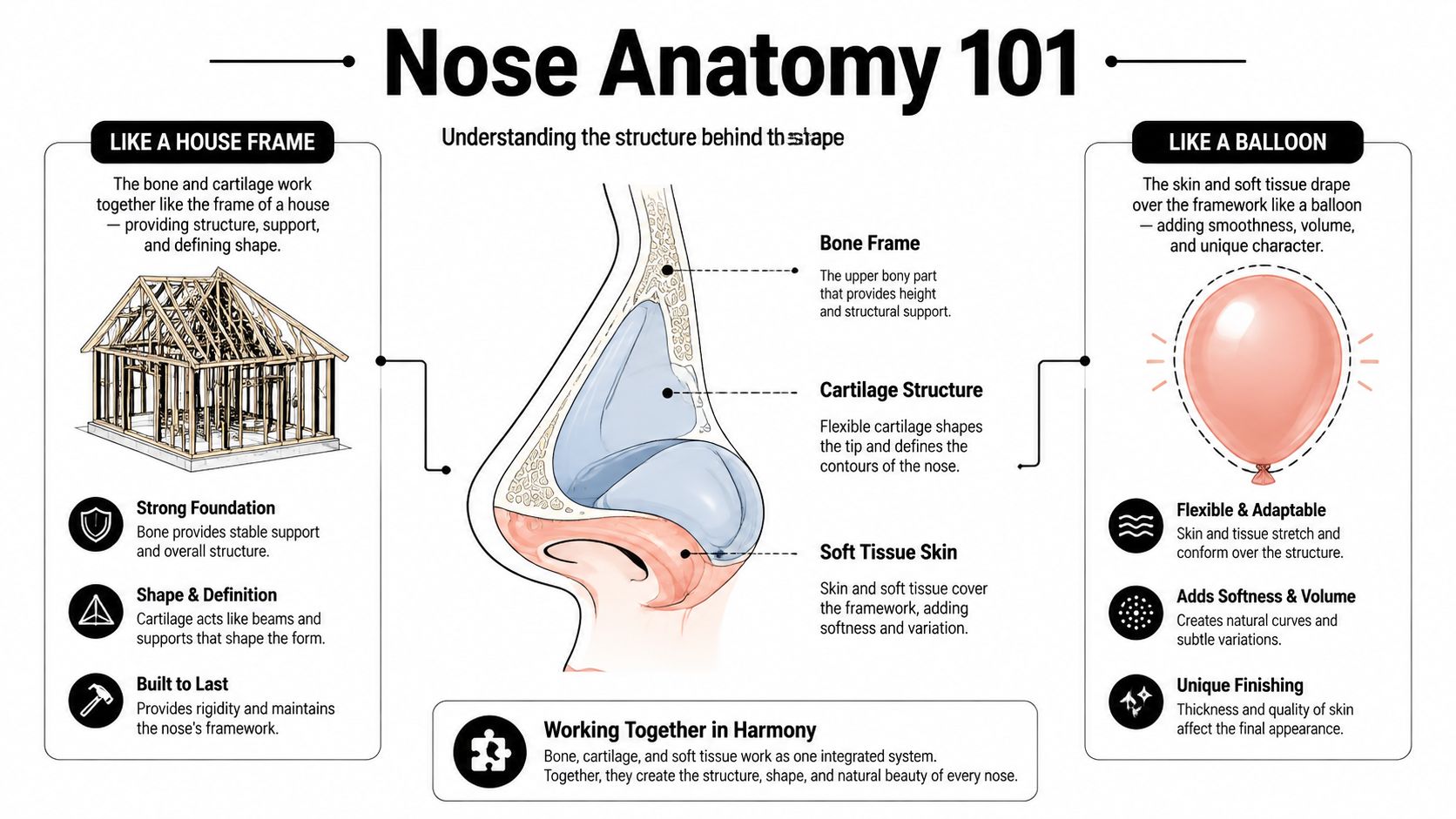
The fixed parts of the nose determine its width, projection, and contour. Picking mainly affects the delicate lining inside the nostrils, which can get irritated, scratched, or inflamed, but that does not mean the outer frame is expanding.
That distinction is why the myth does not hold up anatomically. A person can irritate the soft tissue again and again without changing the underlying architecture. The shape may look different during a flare-up, but the framework itself stays the framework.
The inner lining of the nose is sensitive. When it gets disturbed, it can swell, redden, or feel tender, and that can make the nostrils appear more open or puffy for a short time.
The nose works more like a building with a rigid frame and a changeable surface layer. The frame gives the shape, while the surface layer is the part that reacts first to rubbing, pressure, and irritation. A swollen lining can make the nose look broader in the mirror even though the underlying structure has not changed.
If you are trying to tell irritation apart from something more serious, a parallel medical topic is how clinicians separate temporary side effects from true harm in other settings, such as managing toxicity in special populations. The same kind of careful reading applies here, what looks dramatic at first is not always structural damage.
People usually judge by mirrors and memory, not by anatomy. If the nose looks a bit swollen after repeated picking, it is easy to assume the size changed.
The visible change from picking is usually in the lining and rim of the nostril, not in the skeleton of the nose.
That is why a calm, anatomy-first explanation matters. Once you know which tissues can swell and which ones cannot grow from picking, the myth gets a lot less convincing.
The most confusing part of this topic is that temporary swelling can look a lot like a real change. After picking, the nose may look red, puffy, or slightly larger because irritated tissue draws fluid and blood flow to the area while it heals.
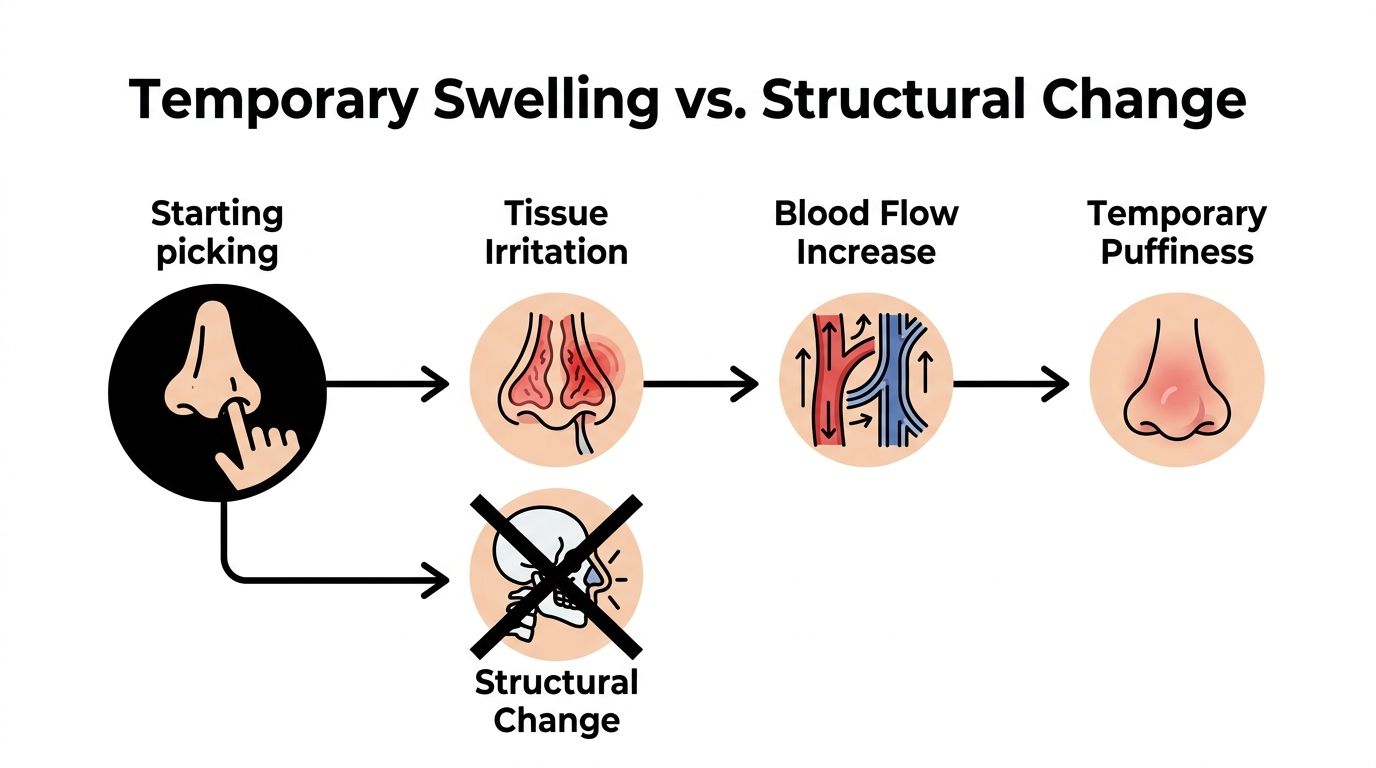
When tissue is picked, the surface gets irritated. The body responds with inflammation, which can create puffiness, warmth, tenderness, and sometimes a slightly distorted look around the nostril edge.
That appearance usually settles once the irritation stops. The key point is that inflammation changes how the nose looks, but it doesn't mean the nose has structurally expanded. A swollen area can seem broader in the mirror even when the underlying shape is unchanged.
A simple self-check helps. If the nose looks more prominent only after you've been picking, blowing hard, or rubbing it, and then improves after rest and gentle care, you're most likely seeing swelling.
If the change doesn't fade, feels firm, or comes with crusting, bleeding, or breathing trouble, that's no longer a cosmetic curiosity. That pattern deserves a closer look because repeated trauma can alter tissue health even when it doesn't enlarge the nose.
For patients who worry about how long post-irritation swelling lingers, a practical comparison is the way swelling behaves after surgery, which is discussed in this overview of swelling after rhinoplasty. The context is different, but the visibility issue is the same, swelling can create a temporary shape change without representing permanent enlargement.
The mirror shows surface appearance, not the condition of the cartilage or the deeper framework. That's why a nose can seem “off” for a while after repeated irritation and still not be bigger in any lasting sense.
A useful mental test is this, if the change comes and goes, it's probably swelling. If the change becomes persistent, it may be tissue damage, scarring, or another problem entirely.
There is a documented exception that matters because it turns the common myth on its head. A 2023 peer-reviewed case report described years of chronic nose picking, called rhinotillexomania, leading to unilateral external nare stenosis, which means the affected nostril became narrower, not larger, over time. The report links repeated trauma to cycles of inflammation and tissue overgrowth that gradually reduced the opening of one nostril, and it also notes complications such as septal perforation, nosebleeds, and increased respiratory-infection risk in chronic nasal trauma (peer-reviewed case report).
This is the opposite of the popular fear. Instead of stretching the nose outward, severe repetitive trauma can trigger changes that constrict the nostril opening.
That doesn't mean casual picking will do this. It means danger lives on the severe end of the spectrum, where the behavior is frequent, compulsive, and damaging enough to keep tissue from healing normally. The problem isn't cosmetic growth, it's injury.
If the concern moves beyond habit and into structural repair, a consultation about nasal surgery becomes relevant. For a general overview of what plastic surgery can and can't do in the nose, see is rhinoplasty dangerous, which is useful when people are trying to understand surgical risk in plain terms.
A casual picker usually has no lasting deformity. The person with a clinical pattern tends to have repeated bleeding, crusting, soreness, or a nostril that doesn't seem to heal back to baseline.
Chronic trauma changes the tissue environment first, then the shape later, if the behavior continues long enough.
That's why the rare case is important. It shows that the long-term issue is not the nose getting bigger. If anything, the nose can become damaged, scarred, or narrowed.
Even when the nose doesn't get bigger, picking can still cause real harm. The most common problem is nosebleeding, because the inside of the nose has delicate tissue and exposed vessels that can bleed from a minor scratch (Harvard Health).
| Risk | What It Looks or Feels Like | When to Seek Care |
|---|---|---|
| Minor bleeding | A small bleed after picking or blowing | If it keeps happening or won't stop with gentle pressure |
| Irritation and crusting | Soreness, scabs, dry flakes, tenderness | If it doesn't heal or keeps reopening |
| Infection | Redness, pain, crusts, or a pimple-like sore inside the nostril | If pain worsens, swelling spreads, or discharge appears |
| Septal injury | Ongoing tenderness, a whistling sensation, or repeated bleeding | If breathing changes or symptoms persist |
| Scarring or shape change | Subtle distortion of the nostril rim over time | If one nostril begins to look or function differently |
Hands carry bacteria and debris from under the nails, so picking can introduce organisms into irritated tissue. In medical practice, that can set up a cycle of soreness, crusting, and delayed healing, especially if the area keeps getting re-injured.
For readers who want a practical infection-focused reference, MRSA prevention for healthcare staff is a useful reminder that skin and nasal contamination become more important when tissue barriers are broken. The setting is different, but the hygiene principle still applies.
A short-lived nosebleed after a scratch is one thing. Persistent bleeding, a sore that won't heal, visible narrowing, or breathing changes are different.
If the inside of the nose stays inflamed, the tissue can start to remodel in the wrong direction.
That's the point where the habit stops being cosmetic trivia and becomes a medical issue. The nose may not get bigger, but it can still get injured enough to change how it looks and works.
Some people don't pick their nose because they want to damage it. They do it because the nose feels dry, blocked, itchy, or they're on autopilot during stress or boredom.
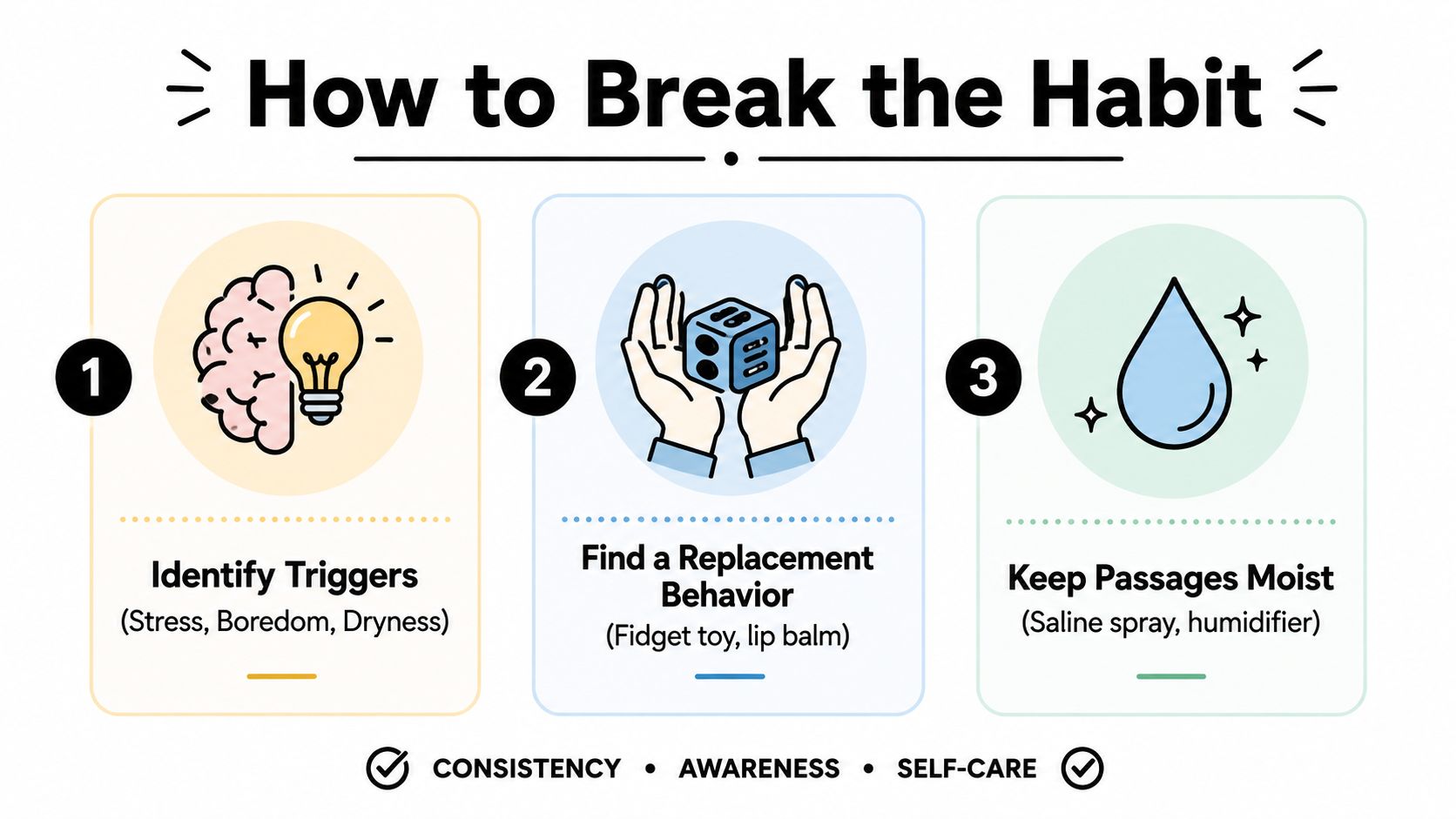
The habit usually has a trigger. For some people it's dryness. For others it's boredom, anxiety, or noticing a small crust and then scratching at it.
If you can name the trigger, you can interrupt the habit earlier. A box of tissues, a saline spray, or a fidget object by the couch or desk works better than trying to “be stronger” in the moment.
Picking is partly about the hand-to-face routine. Replacing that motion with something neutral helps more than vague self-control advice.
Dry air and crusting make the urge stronger. Humidified air, regular saline, and avoiding aggressive rubbing can reduce the conditions that lead to picking in the first place.
Best practical goal: make the nose less bothersome, and the urge usually drops with it.
If the behavior feels unconscious, especially while driving, scrolling, or watching television, structure helps more than willpower. Put the replacement item where the habit happens, not in a drawer across the room.
For minor irritation, the safest approach is simple. Stop picking, keep the area moist with saline, and avoid anything that reopens the tissue. If the nostril feels raw, gentle care usually works better than repeated checking or cleaning.

A saline rinse or spray can help loosen crusts without scratching the lining. A room humidifier can also help if the air feels dry, especially in winter or in air-conditioned spaces.
If the nose has become tender, the goal is to let it calm down. That means no digging, no hard blowing, and no repeated testing to see whether it still hurts.
Persistent bleeding, a sore that won't heal, worsening crusting, breathing changes, or a nostril that looks visibly narrower or distorted should be checked. Those signs can point to infection, ongoing trauma, or structural change.
If the problem seems like an infection after a procedure or injury, this resource on signs of infection after septoplasty can help you understand what warning signs matter. The details are procedure-specific, but the warning pattern is familiar, worsening pain, discharge, swelling, or delayed healing are not things to ignore.
A primary care clinician can evaluate mild to moderate irritation, bleeding, or dryness. An ENT is the right specialist when there's persistent one-sided pain, repeated bleeding, crusting, or breathing trouble. A plastic surgeon becomes relevant when the issue is structural or when a patient wants to discuss cosmetic correction after injury.
Cape Cod Plastic Surgery offers facial evaluation and rhinoplasty among its services, which can matter when chronic trauma has changed the contour or function of the nose. That kind of visit is about anatomy, healing, and realistic options, not about chasing a myth.
If the change is temporary, home care is usually enough. If the change sticks, gets worse, or affects breathing, it's time for an exam.
If your nose looks irritated, bleeds often, or seems to have changed shape after repeated picking, don't guess at what's happening inside. Visit Cape Cod Plastic Surgery to learn about nasal evaluation and rhinoplasty options, and get a clear, medically grounded opinion on whether what you're seeing is swelling, injury, or something that needs treatment.
September 9, 2026
Expert Guide to Proper Surgical Incision Care
Master dermal fillers aftercare with do's and don'ts, swelling tips, activity limits and warning signs to protect your results and heal smoothly.

September 8, 2026
Ensuring Safety: Why Your Surgeon's Credentials Matter Most

Cape Cod Plastic Surgery offers expert cosmetic and reconstructive procedures in a safe, accredited setting. Led by Dr. Marc Fater, we combine advanced techniques with personalized care to help you look and feel your best.
Monday: 9:00 AM – 5:00 PM
Tuesday: 9:00 AM – 5:00 PM
Wednesday: 9:00 AM – 5:00 PM
Thursday: 9:00 AM – 5:00 PM
Friday: 9:00 AM – 5:00 PM