

October 2, 2026
When Is the Right Time for Plastic Surgery
Beyond the Calendar: How to Know You’re Truly Ready for Plastic Surgery
Apr 5, 2026
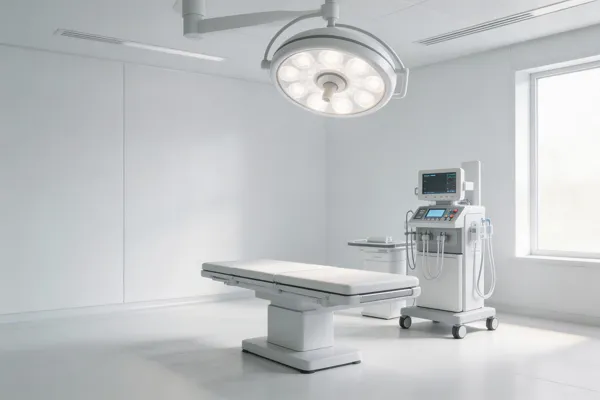
Anesthesia is a cornerstone of every cosmetic and reconstructive operation because it eliminates pain, prevents movement, and creates a controlled environment for precise surgical work. The primary goals are safety—maintaining airway, heart rhythm, and oxygenation—comfort, keeping the patient relaxed and amnesic, and effective pain control during and after the procedure. At Cape Cod Plastic Surgery, the board‑certified plastic surgeon collaborates closely with a board‑certified anesthesiologist who tailors the anesthetic plan to the individual’s health, procedure length, and preferences. Skilled nursing staff monitors vital signs, administers medications, and provides reassurance, ensuring a seamless, secure experience from pre‑op through recovery and comfort.

Plastic surgeons typically employ four main anesthesia approaches, each selected to match the procedure’s complexity, the patient’s health, and personal comfort preferences.
[Local anesthesia] and light IV sedation – A topical or injected local anesthetic numbs the exact treatment area, allowing the patient to stay fully awake. Light intravenous sedation (often a benzodiazepine) can be added for anxiety relief, making minor procedures such as dermal filler injections, microneedling, or earlobe repair comfortable and safe.
Regional techniques – Targeted nerve blocks (e.g., TAP blocks for abdominal work, PECS blocks for breast surgery) or spinal/epidural anesthesia numb larger regions, providing 12‑36 hours of postoperative pain control while the patient remains conscious. These techniques reduce the need for systemic opioids.
Monitored Anesthesia Care (MAC) – MAC combines local anesthesia with deeper IV sedation, typically using propofol or a midazolam‑fentanyl mix. The patient is relaxed and often amnesic but can breathe independently; an anesthesiologist continuously monitors vital signs.
[General anesthesia] – For extensive surgeries such as abdominoplasty, breast reconstruction, or combined body‑contouring procedures, general anesthesia induces full unconsciousness and requires airway management with a breathing tube. Board‑certified anesthesiologists oversee the entire process to ensure safety and optimal recovery.
Answer to the common question: Plastic surgeons typically employ four main anesthesia approaches. Local anesthesia, often combined with light IV sedation, numbs a small, specific area and keeps the patient awake. Regional techniques—such as nerve blocks, spinal or epidural anesthesia—provide broader numbness for larger operative fields. Monitored Anesthesia Care (MAC) pairs local anesthesia with deeper IV sedation, allowing the patient to remain conscious but relaxed. General anesthesia, which induces full unconsciousness and requires airway support, is reserved for extensive or complex procedures.

A facial nerve block delivers a local anesthetic near specific branches of the trigeminal or facial nerves, temporarily halting sodium‑channel conduction and stopping pain signals from reaching the brain. This fast‑acting, localized numbing allows patients to stay awake while remaining comfortable. Common blocks include the supra‑orbital and infra‑orbital nerves for forehead and mid‑face work, the mental nerve for chin and lower‑face procedures, and larger regional techniques such as PECS (for breast surgery) and TAP (for abdominal surgery) when extensive contouring is planned. Plastic surgeons routinely employ these blocks for brow lifts, facelift revisions, blepharoplasty, and minor skin excisions, providing analgesia that can last 12–36 hours. By reducing intra‑operative discomfort, the block diminishes the need for postoperative opioids, leading to a smoother recovery and fewer side effects. In short, a facial nerve block works by blocking sodium channels in targeted nerves, offering targeted pain control for many cosmetic and reconstructive facial procedures.

At Cape Cod Plastic Surgery we offer an awake, or "local‑anesthesia," abdominoplasty performed using the tumescent infiltration technique. Large volumes of dilute lidocaine with epinephrine are injected into the abdominal wall, providing a numbing effect that typically lasts 4–6 hours and markedly reduces intra‑operative blood loss. This approach eliminates the need for general anesthesia, lowering both risk and recovery time.
Typical fee range – The surgeon’s professional fee for an awake tummy tuck generally falls between $6,000 and $10,000. Because the procedure is performed in an accredited ambulatory surgical center with minimal anesthesia services, patients can expect an additional $1,000–$2,000 for monitoring, facility use, and postoperative garments, bringing total out‑of‑pocket costs to roughly $7,000–$12,000. Cosmetic abdominoplasty is not covered by insurance, but we provide flexible financing options, including low‑interest payment plans and third‑party credit solutions, to make the investment more manageable.
Advantages – By avoiding airway instrumentation and deep sedation, patients experience fewer side effects such as nausea, sore throat, and postoperative grogginess, and they can often resume normal activities sooner. Our board‑certified anesthesiologists continuously monitor vital signs to ensure safety throughout the procedure, reinforcing our commitment to personalized, patient‑centered care.

Patients with type 2 diabetes can safely undergo plastic surgery when their blood‑glucose is tightly controlled and a thorough pre‑operative evaluation is completed. Target fasting glucose should be 70‑130 mg/dL and post‑prandial values ≤180 mg/dL; a recent hemoglobin A1C of < % is ideal.
Medication hold guidelines: GLP‑1 agonists that delay gastric emptying must be stopped before anesthesia. Semaglutide (weekly) should be held 7‑14 days prior (many surgeons prefer 2 weeks); the oral formulation,Rybelsus) is omitted the day before surgery. Tirzepatide should be discontinued at least 7 days before the procedure, with some clinicians extending to 14 days.
Coordination of care: The surgeon, anesthesiologist, and the patient’s primary‑care physician or endocrinologist should collaborate to adjust diabetes regimens, confirm glucose targets, and schedule any cardiac screening if needed.
Impact on wound healing: Tight glucose control reduces infection, dehiscence, and delayed healing, leading to better aesthetic and functional outcomes.
FAQs

Board‑certified anesthesiologists continuously monitor heart rate, blood pressure, oxygen saturation, ventilation, and depth of anesthesia throughout every procedure. Patients are classified by the ASA Physical Status System; those in ASA I or II are ideal candidates for outpatient cosmetic surgery, while higher classes receive additional evaluation. Serious complications are rare—awareness occurs in about 1‑2 per 1,000 cases and is mitigated by vigilant monitoring and BIS technology. Urinary catheter (Foley) placement is not routine for facial procedures such as rhinoplasty or septoplasty, which last only an hour or two. A catheter may be used only for unusually long or complex surgeries, or when precise fluid balance is required under general anesthesia. In typical cases patients void normally after the operation and are discharged home with a responsible adult.
Q: Is general anesthesia safe for cosmetic surgery patients? A: General anesthesia is generally safe for healthy cosmetic surgery patients when administered by a board‑certified anesthesiologist in an accredited facility. A thorough pre‑operative evaluation—including medical history, physical exam, and necessary labs—identifies any conditions that could increase risk. Continuous intra‑operative monitoring of vitals, airway, and ventilation, together with tailored drug regimens, minimizes common complications such as nausea, vomiting, and respiratory events. When these safety protocols are followed, serious anesthetic complications remain very uncommon.
Q: Will a urinary catheter be placed during rhinoplasty or septoplasty? A: A urinary (Foley) catheter is not a routine part of either rhinoplasty or septoplasty. These short‑duration outpatient surgeries typically allow patients to void normally after the procedure. A catheter may be considered only in rare situations—such as an unusually lengthy or complex case, or when the anesthesiologist requires close fluid monitoring under general anesthesia. Your surgeon will discuss any special circumstances with you pre‑operatively.

Facelifts can be performed under general anesthesia, monitored anesthesia care (MAC) with IV sedation, or a hybrid that adds regional nerve blocks. The anesthetic plan hinges on airway assessment, intra‑operative blood‑pressure control, and postoperative pain strategy. A thorough airway exam is essential, especially for patients with obstructive sleep apnea, to determine whether a secured airway (endotracheal tube) or a lighter sedation is safer. Tight blood‑pressure management reduces bleeding and hematoma risk; antihypertensives are often given before incision. Post‑operative comfort is enhanced by a peripheral nerve block (e.g., cervical plexus) that can extend analgesia 12‑36 hours while minimizing opioid use.
In the United States, a board‑certified plastic‑surgery anesthesiologist typically earns $260,000‑$350,000 annually. Compensation varies by geography (higher in states such as Massachusetts and California), practice setting (private practice or academic center), and experience level. Senior physicians or those taking call may exceed $400,000. This six‑figure range reflects the specialty’s demand and the expertise required to maintain safety and optimal outcomes for facelift patients.
Choosing the right anesthesia is the first step to a smooth cosmetic procedure. Local numbing is ideal for minor work such as filler injections or earlobe repair, while IV sedation (twilight) comfortably relaxes patients for brow lifts, liposuction, or laser resurfacing. Regional nerve blocks extend pain relief for 12–36 hours and are paired with general anesthesia for extensive surgeries like abdominoplasty. Prior to the day of surgery a thorough pre‑operative evaluation—including medical history, medication review, and temporary cessation of certain supplements—helps avoid drug interactions. Board‑certified anesthesiologists continuously monitor vital signs in our AAAASF‑accredited facility, ensuring safety at every stage. On surgery day, patients should fast as instructed, arrange a responsible adult escort, and expect a brief recovery period before discharge.
October 2, 2026
Beyond the Calendar: How to Know You’re Truly Ready for Plastic Surgery

October 2, 2026
Exploring Your Breast Augmentation Options: Implants, Shapes, and What to Expect
October 1, 2026
Reshaping Your Silhouette: A Guide to Body Contouring

Cape Cod Plastic Surgery offers expert cosmetic and reconstructive procedures in a safe, accredited setting. Led by Dr. Marc Fater, we combine advanced techniques with personalized care to help you look and feel your best.
Monday: 9:00 AM – 5:00 PM
Tuesday: 9:00 AM – 5:00 PM
Wednesday: 9:00 AM – 5:00 PM
Thursday: 9:00 AM – 5:00 PM
Friday: 9:00 AM – 5:00 PM