

September 9, 2026
How to Care for Surgical Incisions Properly
Expert Guide to Proper Surgical Incision Care
Apr 2, 2026

When you’re tired of looking tired, finding the right solution for under-eye hollows is a game-changer. For a quick boost, professional treatments like dermal fillers can add instant volume. For those seeking a more lasting change, surgical options offer a permanent solution. At-home care can definitely help support the skin, but it can's fully correct the deep-set volume loss that creates those frustrating shadows.
Those hollows under your eyes, which we call tear troughs in the medical world, are a very common concern. They’re often tied to genetics, the natural aging process, and even lifestyle factors. They cast shadows that can make you look exhausted, no matter how much sleep you get. While a good concealer can work wonders for a night out, understanding the real, lasting solutions is the first step to truly refreshing your appearance.
So, where do you start? The best approach really depends on how significant the hollows are and what you're hoping to achieve. The options boil down to two main paths.
If you're focused on an at-home strategy, incorporating a high-quality retinol eye cream is a great move. It can help improve skin texture and encourage firmness in that delicate area. But it's important to be realistic—topical products are fantastic for skin health, but they can't physically fill in a hollow.
This chart can help you visualize the decision-making process.

As you can see, if you want to directly correct the hollowness, a professional treatment is your best bet. At-home care plays a crucial supporting role in improving skin quality. To help you weigh your options, I've put together a table for a quick side-by-side comparison.
The Bottom Line: The only way to truly get rid of under-eye hollows is to restore the lost volume. While creams can improve the skin's surface, you’ll need either dermal fillers or a surgical procedure to correct the actual depression.
This table breaks down the most common treatments, giving you a clear snapshot of what to expect from each. It’s a great starting point for figuring out which path might be the right fit for your goals and lifestyle.
| Treatment | Best For | Expected Results | Duration | Downtime |
|---|---|---|---|---|
| HA Fillers | Mild to moderate hollows with good skin elasticity. | Immediate volume restoration, smoother appearance. | 9-18 months | Minimal; possible bruising. |
| Fat Grafting | Significant volume loss, desire for a permanent fix. | Natural, long-lasting volume correction. | Permanent | 1-2 weeks of recovery |
| Topical Creams | Improving skin texture, tone, and fine lines. | Subtle brightening and firming over time. | Daily use required | None |
Each of these options has its place, and understanding the pros and cons is key. Now, let’s dive deeper into what each of these treatments actually involves.

When patients come to me concerned about looking perpetually tired, the conversation almost always turns to the hollows under their eyes. It’s a frustrating issue because no amount of sleep seems to fix it. That’s because the root cause isn't fatigue—it’s anatomy.
What you see as a shadow or a hollow is actually a complex interplay between your genetics, the natural aging process, and your unique facial structure. These depressions, known clinically as tear trough deformities, are incredibly common. A 2026 dermatological survey found that 62% of women and 45% of men seeking facial rejuvenation cite their under-eyes as a top concern.
It's a widespread issue. We see it in patients as early as their mid-20s, and studies confirm that by age 30, up to 70% of people notice some degree of volume loss in this delicate area. It's simply a part of how our faces change over time.
Your DNA really does lay the groundwork here. Some of us are just born with a facial structure that includes a more pronounced groove under the eye. This comes down to a specific anatomical feature called the tear trough ligament.
Think of this ligament as a tiny anchor, holding the thin under-eye skin to the bone below. If that attachment is particularly firm and the skin above it is thin, you'll naturally have a more defined hollow. As we get older, two key things happen that make this valley appear deeper.
It's also important to know the difference between hollows and under-eye bags. Hollows are a volume deficit, while bags are often caused by fat pads bulging forward. They sometimes appear together, but they are distinct problems. If you're trying to figure out which one you have, our guide on what causes under-eye bags can help clear things up.
Expert Insight: I often explain it to my patients like this: Picture your facial structure as a landscape. The tear trough ligament is a small, shallow valley. When you're young, that valley is full of soft tissue, so it's barely noticeable. As you age, that tissue thins, and the valley becomes a deeper, more shadowed canyon.
While your anatomy sets the stage, your daily habits can definitely turn up the spotlight on those hollows. These factors don't create the underlying structure, but they can significantly impact the skin quality, making the hollows look much worse.
Living here on beautiful Cape Cod, we get a lot of sun. That’s great for the soul, but UV radiation is the enemy of healthy skin. It actively breaks down collagen and elastin, the proteins responsible for keeping skin firm and plump. Over time, sun exposure thins the already fragile skin under the eyes, making the hollows appear darker and more sunken.
Beyond the sun, a few other lifestyle habits play a big role:
Understanding these root causes helps you see why topical creams can't fill a volume deficit and why concealer is only a temporary fix. To get real, lasting improvement, you have to address the anatomical volume loss itself—and that’s where professional treatments come in.

When people ask me how to fix tired-looking under-eye hollows without going under the knife, my answer is almost always the same: dermal fillers. For the right person, they are the gold standard. Specifically, we use fillers made from hyaluronic acid (HA), and the reason is simple—they directly address the root cause of the problem: lost volume.
The whole idea is to carefully add back what time and genetics have taken away. We place a soft, smooth gel into the tear trough—that little groove under your eye—to physically plump up the hollow. This simple act completely changes how light hits the face, smoothing the transition from the lower lid to the cheek and essentially erasing the shadow that makes you look perpetually tired. The result is instant and refreshing.
Hyaluronic acid isn't some strange synthetic compound. Your own body produces it naturally to keep tissues hydrated and full. If you want to get into the science, you can read more about what hyaluronic acid is and how it benefits the skin.
Because it’s a substance our bodies already recognize, the risk of a reaction is extremely low. It works by attracting water, acting like a tiny sponge to add subtle volume and hydration right where you need it most.
But not all HA fillers are the same, and this is where expertise really matters. The skin under the eye is incredibly thin and delicate, so choosing the right product is everything. We are meticulous about selecting fillers with very specific qualities:
This level of precision is why you should only ever trust your face to a board-certified expert. It’s not just about injecting; it’s about having a deep knowledge of facial anatomy and the properties of each product.
A core philosophy here at Cape Cod Plastic Surgery is that the best work is invisible. Our goal is to have you look rested and vibrant, not "done." A subtle, artful touch achieves that natural result that simply erases the tired look.
The demand for this kind of treatment has really taken off. A 2026 global aesthetic report highlighted a major trend: non-surgical under-eye treatments have jumped by 35% since 2022. It's clear that people appreciate the results and minimal downtime, with dermal fillers now making up 75% of all procedures for hollows in major markets.
Knowing what to expect can ease any nerves you might have. Honestly, the entire process is straightforward and surprisingly quick.
It all starts with the consultation. This is easily the most important part of the journey. We'll sit down and talk about what you're hoping to achieve, and I'll do a careful analysis of your facial structure. I’m looking at your skin quality, the specific anatomy of your hollows, and your bone structure to make sure you’re a perfect candidate for fillers.
On treatment day, the first thing we do is apply a strong topical numbing cream. Your comfort is a top priority, and this makes the whole experience virtually painless. Most people just feel a little bit of pressure.
The injection part is very quick, usually taking only about 15 minutes. I almost always use a specialized tool called a blunt-tip cannula for this area instead of a traditional sharp needle.
A cannula has a rounded tip, so it glides through the tissue layers instead of cutting through them. This technique is a game-changer for two big reasons:
The change is immediate. The moment the filler is in place, you’ll see the hollow soften and the shadow lift. You might have a touch of redness or minor swelling right after, but that typically fades within a day or so.
You can expect your under-eye filler to last anywhere from 9 to 18 months. How long it lasts really depends on the specific filler we use and your own metabolism.
The aftercare instructions are simple. We’ll ask you to take it easy for about 24 hours—that means no intense workouts, too much sun, or alcohol. This helps minimize any potential for swelling and ensures the filler settles perfectly.
One of the best things about using HA fillers is the built-in safety net. In the very rare case that a problem arises or you just weren't happy with the outcome, we can inject an enzyme called hyaluronidase to completely and safely dissolve the filler within 24 hours. For a deeper dive into how fillers work and their safety profile, check out our comprehensive guide to dermal fillers.
Ultimately, treating the under-eye area is an art form. It demands a sophisticated understanding of the face and a delicate, precise touch to get a result that's both beautiful and beautifully you.
Fillers are a fantastic option for many people, but they aren't always the perfect fit. For some, the goal is a permanent fix, or their specific anatomy—like significant volume loss or prominent eye bags—requires a more structural approach.
When we talk about surgery, we're moving beyond temporarily filling a space and into the art of reshaping and restoring the face's natural, youthful contours. It’s about correcting the root cause. The two main surgical paths we take are fat grafting and lower eyelid surgery (blepharoplasty) with fat repositioning. These are powerful tools for the right person who wants a "one and done" result.
Fat grafting, or fat transfer, is an incredibly elegant procedure. The idea is quite simple: we use your own body's resources to bring back volume where you've lost it. I'll take a small amount of fat from an area where you have a bit extra, like your stomach or thighs, using a gentle liposuction technique. That fat is then carefully purified and prepared before being precisely injected into the under-eye hollows.
There are some real benefits to this approach:
While a fat transfer is more involved than a quick filler appointment, the results can be remarkable. It’s a great choice for those with deep hollows who are ready for a permanent change and want to move past the cycle of repeat treatments.
Sometimes, the issue isn't just a hollow; it's the structure around it. You might notice a puffiness or "bag" under your eye, which is actually a fat pad that has started to bulge forward. This bulge casts a shadow directly below it, making the tear trough look even deeper and more tired. Simply adding filler in this situation can sometimes make the whole area look puffy or overfilled.
This is where a lower blepharoplasty with fat repositioning comes in. Instead of just removing that bulging fat, we can reposition it to solve the problem.
I often describe this to patients as moving a pillow from the wrong spot to the right one. We take that little pocket of bulging fat and shift it downward into the hollow, essentially using your own tissue to fill the depression.
This advanced technique tackles two issues at once: it smooths the bulge of the eye bag and fills the hollow beneath it. The outcome is a completely seamless transition from the lower lid to the cheek, erasing that tired shadow for a naturally refreshed and permanent result. To get a better sense of the procedure, you can learn more about eyelid surgery on our blog.
Choosing between fillers and surgery really comes down to your anatomy, your goals, and what fits your life. Surgical procedures offer that promise of permanence, but they do have different considerations.
You'll need to plan for a longer recovery. Most people need about one to two weeks off from work and social activities for the initial swelling and bruising to go down. The upfront financial investment is also higher than a single syringe of filler.
For the right person, however, the trade-off makes perfect sense. The idea of one procedure for a lifelong result is often much more appealing than returning for filler top-ups year after year. A thorough, one-on-one consultation is the best way to determine if a permanent solution is the right path for you.

Deciding to finally do something about under-eye hollows is a big step. Whether you’re leaning toward fillers or a more permanent surgical fix, understanding the entire process from start to finish can help replace any anxiety with genuine excitement. Think of this as a team effort, where your goals and our expertise come together.
Everything starts with a simple conversation. The initial consultation is, in my opinion, the most important part of the entire process. It’s our chance to really listen to what bothers you when you look in the mirror and map out a realistic path to the results you want.
During our first meeting, we’ll get into the specifics of your concerns. This is far from a one-size-fits-all discussion; it’s a deep dive into your unique facial anatomy. Are we looking at genetics? Volume loss from aging? Is there puffiness creating a deeper shadow? Figuring this out is key to recommending the right treatment for a natural, refreshed look.
We’ll also go over your medical history to make sure you’re a solid candidate for the procedure. This is your time to ask absolutely anything—no question is too small. We’ll cover everything from recovery time to cost, ensuring you have all the information you need to feel confident in your decision.
Once we’ve settled on a treatment plan tailored just for you, the next step is getting ready. For both fillers and surgery, a few simple adjustments in the weeks leading up to your appointment can make a huge difference in how quickly you heal.
The primary goal here is to minimize any potential bruising. We'll give you a detailed list, but some of the most common things to avoid are:
Sticking to these guidelines helps prepare your body for the procedure and paves the way for a much smoother recovery.
Your safety and results are paramount. We'll give you a detailed pre-procedure checklist. Following it closely is the best way to partner with us for an optimal outcome.
On the day of your appointment, our focus is entirely on your comfort and safety. If you’re coming in for fillers, we’ll start by applying a topical numbing cream to make the experience virtually painless. The injections themselves are quick—often done in less than 30 minutes—and you’ll see the improvement right away.
For a surgical approach like fat grafting or a lower blepharoplasty, you’ll be under anesthesia to keep you completely comfortable. These procedures take place in our fully accredited on-site surgical suite, which adheres to the highest medical safety standards.
Recovery really depends on which path you choose.
For Under-Eye Fillers:
For Surgical Procedures:
Getting rid of under-eye hollows is one thing; keeping them away is another. It's no surprise that non-surgical options have become so popular—they deliver great results with very little interruption to your life. In fact, research shows hyaluronic acid fillers can effectively correct tear trough shadows in 92% of people. Better yet, the treatment is reversible with a special enzyme in 99% of cases, which is a major safety benefit. You can read more about these statistics in this large-scale PMC study.
Whether you opt for fillers that need a refresh every year or so, or a permanent surgical correction, we see this as the beginning of a long-term relationship. We’re here for you long after your procedure, ready to help you maintain your fantastic results for years to come.
When people come into our Cape Cod practice to talk about tired-looking eyes, they often bring up the same handful of questions. It makes sense—this is a delicate area, and you should feel completely comfortable with the process. Let's walk through the answers to the questions we hear most often.
The first question is almost always about pain. And honestly, most people are pleasantly surprised by how comfortable the treatment actually is. We don't rush things; we start by applying a strong topical numbing cream to the area and letting it work its magic.
The fillers we select for the under-eyes also contain lidocaine, a local anesthetic. This means that with the very first injection, the area begins to numb from the inside out. We also use a smooth, blunt-tipped cannula instead of a sharp needle, which feels more like a slight pressure than a "poke." This technique isn't just for comfort—it's also why our patients see significantly less bruising and swelling afterward.
One of the best things we hear after a treatment is, "That was it?" Many are shocked that the entire process is over in under 30 minutes and was far easier than they imagined.
While it’s true that people with mild to moderate hollowness and good, firm skin are often great candidates, a simple checklist doesn't tell the whole story. The only real way to know for sure is to have a conversation and a proper evaluation with an experienced injector.
When you come in, we’re not just glancing at your under-eyes. We're doing a full anatomical assessment, looking at:
Someone with very thin, almost translucent skin, for example, might not get a natural result from filler. In that case, or if the issue is bulging fat pads (under-eye bags), a lower blepharoplasty surgery might be the better, more permanent solution. Our job is to give you an honest recommendation that will deliver the best possible result for you.
This is an excellent question, and it points to one of the biggest benefits of using hyaluronic acid (HA) fillers: they are completely reversible. It’s very rare for a patient to be unhappy with their result, but knowing there's a safety net provides incredible peace of mind.
If you weren't satisfied for any reason, we can use an enzyme called hyaluronidase. When injected, this enzyme safely and quickly dissolves the filler, usually within 24 to 48 hours. Your under-eye area simply returns to how it looked before the treatment. This reversibility is precisely why HA fillers are considered the gold standard for such a delicate and visible part of the face.
There isn't a single price tag for under-eye filler. The final cost depends on a couple of key things, mainly which filler is right for you and how much of it we need to use. Someone with very subtle hollows might only need one syringe to get a beautiful result, while a person with deeper hollows may need a bit more for a smooth, natural-looking correction.
We will always provide you with a detailed, transparent price during your consultation. While it's easy to shop around for the "best deal," remember what you’re really paying for: the deep anatomical knowledge, refined skill, and artistic eye of a board-certified specialist. For an area as important as your eyes, investing in expertise is the smartest decision you can make.
A refreshed, brighter look begins with a simple conversation. The team at Cape Cod Plastic Surgery is here to offer expert, personalized guidance. To find out more or to book your private consultation, please connect with us at https://ccplasticsurgery.com.
September 9, 2026
Expert Guide to Proper Surgical Incision Care
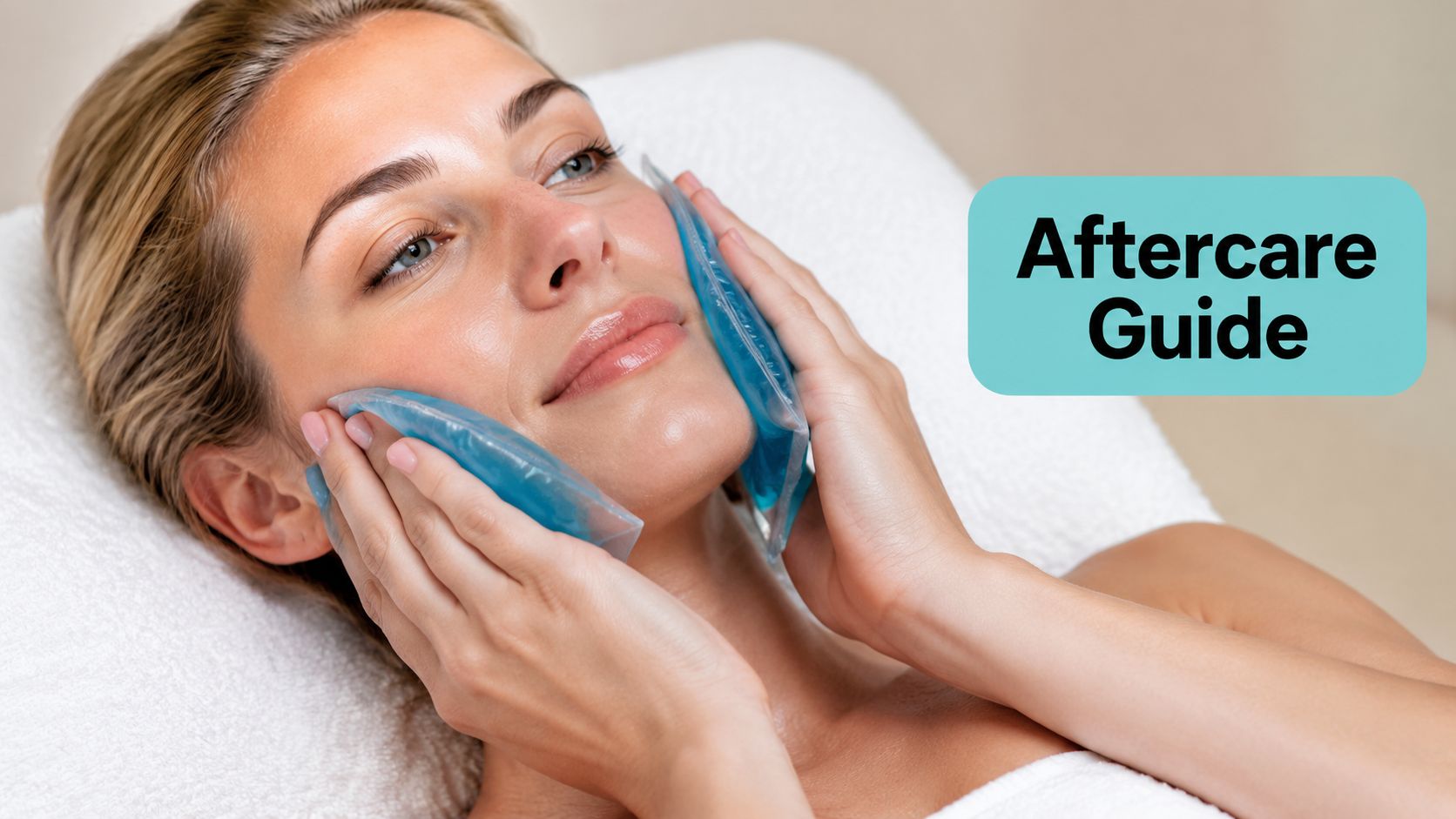
Master dermal fillers aftercare with do's and don'ts, swelling tips, activity limits and warning signs to protect your results and heal smoothly.

September 8, 2026
Ensuring Safety: Why Your Surgeon's Credentials Matter Most

Cape Cod Plastic Surgery offers expert cosmetic and reconstructive procedures in a safe, accredited setting. Led by Dr. Marc Fater, we combine advanced techniques with personalized care to help you look and feel your best.
Monday: 9:00 AM – 5:00 PM
Tuesday: 9:00 AM – 5:00 PM
Wednesday: 9:00 AM – 5:00 PM
Thursday: 9:00 AM – 5:00 PM
Friday: 9:00 AM – 5:00 PM