

October 7, 2026
What to Expect During Your Breast Surgery Recovery
A Practical Guide to Healing After Breast Surgery
Apr 24, 2026

You see them most clearly in bright bathroom light or on a video call when you smile and the lines at the outer corners of your eyes stay a little longer than they used to. For many people, crow's feet are the first facial wrinkles that feel personal. They don't make you look bad. They signal that the skin around the eyes, which is thin and constantly moving, has started to show wear.
The good news is that learning how to reduce crow's feet isn't about chasing a single miracle product or jumping straight to injections. The most reliable approach is layered. Start with prevention and daily skin care. Add targeted topicals when lines begin to linger at rest. Escalate to in-office treatment when movement, skin texture, or volume loss needs more than a cream can deliver.
As a board-certified plastic surgeon, I tell patients the same thing in consultation. Crow's feet respond best when we match the treatment to the kind of line you're seeing. Dynamic lines need one strategy. Static lines need another. A combined approach is often effective.
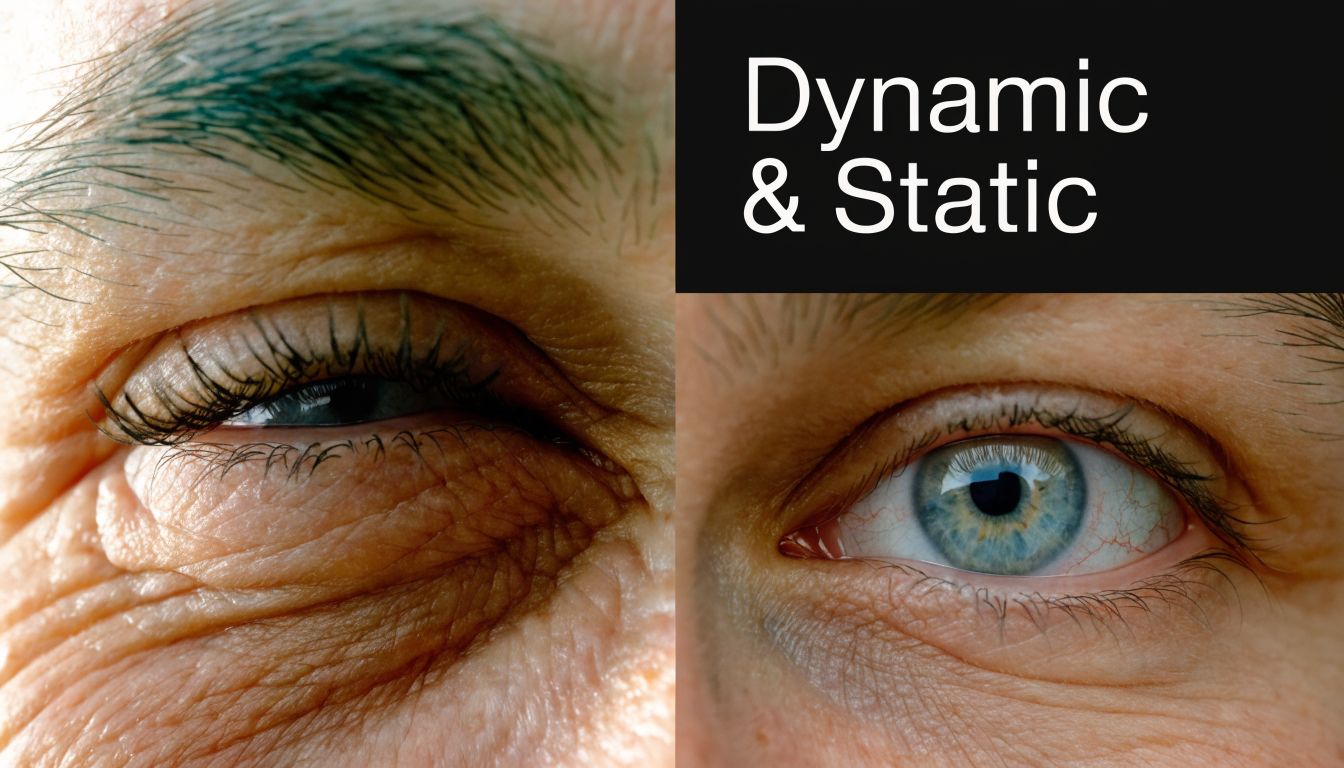
Crow's feet start as dynamic lines. These are the wrinkles that appear when you smile, squint, laugh, or react. Over time, repeated movement folds the same skin in the same place. As collagen support weakens and the skin gets drier and thinner, those temporary lines can become static lines, meaning you can see them even when your face is at rest.
That distinction matters because prevention works best before dynamic lines become etched in. Once a line is fixed at rest, skin care can help soften it, but it usually won't erase it on its own.
Age is only one part of the story. Sun exposure, squinting, dryness, sleep quality, smoking, and everyday facial expression all affect the eye area. The skin here has less margin for error. It creases early and recovers slowly.
A modern factor many people overlook is screen use. A 2023 study in Ophthalmology found that adults averaging 7+ hours of daily screen time had 25% faster periorbital wrinkle progression, with blink rates dropping from 15 to 20 per minute to 5 to 7 per minute, which worsened dryness and dynamic lines, as summarized in this discussion of anti-aging tips for crow's feet.
Practical rule: If you're squinting at a screen, in the sun, or while driving, you're training the same wrinkle pattern over and over.
That doesn't mean you have to stop smiling or avoid screens. It means prevention has to be specific.
The first essential step is daily broad-spectrum sunscreen. Use it even when the weather is cloudy and even if you spend much of the day indoors near windows. Patients often apply sunscreen well to the cheeks and forehead but stop short of the orbital area. That's a mistake. The application around the eyes has to be careful, but it has to be consistent.
Then add UV-blocking sunglasses. They do two jobs at once. They reduce sun exposure and cut down on reflexive squinting. Large lenses with good coverage help more than fashion frames that leave the lateral eye area exposed.
A few other prevention measures are simple but worth doing:
If you want a consumer-friendly overview that pairs well with medical advice, Solawave has a useful explainer on what are crow's feet and how to treat them. It helps people understand what they're seeing before they decide what to do about it.
Patients sometimes expect prevention to feel dramatic. It rarely does. The habits that preserve the eye area are repetitive and unglamorous. Sunscreen. Sunglasses. Less squinting. Better hydration. Smarter screen habits. More sleep.
But that's exactly why they work.
The earlier you protect the area around the eyes, the more options stay open later. Prevention doesn't just delay wrinkles. It reduces how aggressive treatment needs to be when you decide you're ready.
Patients often come in after trying three eye creams, a jade roller, and a social media recommendation that promised fast results. The usual problem is not effort. It is that the routine was never built around the biology of crow's feet.
At home, the goal is straightforward. Protect the skin you have, improve what can respond to topical care, and recognize the point where skin care stops being enough. Early fine lines often improve with a disciplined routine. Deeper lines caused by repeated muscle movement usually need more than creams and serums.

A good home regimen for crow's feet usually rests on three products used consistently:
Simple routines outperform complicated ones when patients can stick with them.
UV exposure breaks down collagen and makes fine lines around the eyes more noticeable over time. Daily broad-spectrum sunscreen helps slow that process.
Mineral formulas with zinc oxide are often easier to tolerate near the eyes because they tend to sting less. That trade-off matters. A sunscreen that feels elegant but burns when it migrates into the eyes is a sunscreen many patients stop using. Apply it up to the orbital rim unless the product instructions say otherwise, and reapply during prolonged outdoor exposure.
Retinoids remain one of the few topical categories with a credible role in improving fine lines. Over-the-counter retinol is a reasonable place to start for sensitive skin. Prescription tretinoin is stronger and often more effective, but the eye area does not tolerate aggressive use.
I tell patients to respect the anatomy here. The skin is thinner, irritation shows quickly, and overuse can set you back for weeks. Start with a small amount two nights a week, keep it away from the lash line, and increase only if the skin stays calm. If dryness develops, apply moisturizer first or reduce frequency.
A well-formulated moisturizer can make crow's feet look less etched by reducing surface dehydration and supporting the barrier. That is a cosmetic benefit, but it also helps patients tolerate active ingredients long enough to see longer-term improvement.
Look for ingredients such as:
Patients who want to understand how topical products fit into a bigger collagen-support plan can read this guide on how to stimulate collagen.
Judge eye products by tolerance and consistency, not by how expensive they are or how dramatic they feel on day one.
Peptides have a supporting role. They do not replace sunscreen, retinoids, or moisturizer, but some formulas are better than marketing fluff. In a double-blind, randomized trial, PPP-4 peptide cream reduced crow's feet grading scale scores by 0.86 points after 8 weeks, according to the Journal of Clinical and Aesthetic Dermatology report on acetyl hexapeptide cream for crow's feet.
That matters because patients often assume all topicals work the same way. They do not. A peptide product with published data may be worth adding after the basics are stable, especially for patients who cannot tolerate stronger actives near the eyes.
For patients interested in lighter textures, layered hydration, and barrier-focused formulas, guides to best Korean anti-aging products can be useful for comparing ingredient profiles before buying.
After the basics are in place, this video gives a useful visual overview of treatment thinking around the eye area:
Some home strategies are common, but they are poor uses of time and money.
This is the practical line I draw for patients. Home care is appropriate for prevention, early fine lines, and maintenance after in-office treatment. If lines remain visible at rest, or if they deepen every time you smile despite a solid routine, it is time to consider professional treatment.
When patients ask me what works fastest for crow's feet, I ask a different question first: What kind of problem are we treating? If the lines appear mainly when you smile, the target is muscle movement. If the skin is creased at rest, the target may be texture, collagen support, or volume. If both are present, one treatment usually isn't enough.
That is why in-office treatment works best as a customized plan, not a menu item.

For true dynamic crow's feet, Botox®, Dysport®, and Daxxify® are usually the most direct treatment. They work by reducing the pull of the orbicularis oculi muscle so the skin isn't repeatedly folding as strongly during expression.
The appeal is straightforward. Treatment is quick, downtime is limited, and the effect addresses the mechanism causing the wrinkle. But technique matters. Around the eyes, the goal isn't to erase expression. It's to soften excessive wrinkling while preserving a natural smile.
Neuromodulator results for crow's feet generally last 3 to 9 months, and best practice includes follow-ups at 2 weeks, 6 weeks, and 3 months because metabolism varies and some patients lose effect earlier than expected, as explained in this guide to preventing and treating crow's feet.
Clinical insight: The biggest mistake isn't always under-treatment or over-treatment. It's assuming every patient metabolizes a neuromodulator on the same timeline.
That follow-up pattern matters because it lets your injector learn your personal response. One person may want subtle softening and frequent movement. Another may prioritize longer-lasting suppression of strong lateral eye contraction. Those are different plans.
Cape Cod Plastic Surgery offers Botox for dynamic crow's feet as one option among the available neuromodulator approaches. The treatment is used to relax the orbicularis oculi muscle and soften expression-driven lines.
Dermal fillers don't treat muscle movement. That's the key point. They can help when crow's feet are accompanied by volume loss, shadowing, or deeper etched lines that aren't fully explained by expression alone.
In the right patient, a small amount of filler in nearby support areas can make the lateral eye region look less tired and less creased. In the wrong patient, filler around the eye can look puffy or obvious. This is not a one-size-fits-all category.
Fillers are generally better for patients who have:
They're less helpful if the main issue is active muscular wrinkling. In that situation, filler treats the symptom but not the cause.
If the skin around the eyes looks crinkled, sun-damaged, or finely etched even when the face is still, resurfacing often enters the conversation. Laser treatments work by creating controlled skin injury that stimulates repair and improves texture over time.
This category is broad. Some laser options are lighter with less downtime. Others are more aggressive and better for established wrinkles and photodamage. The right choice depends on skin type, recovery tolerance, and how much change you're trying to achieve.
Laser resurfacing is often a strong option when:
For readers comparing procedure categories more broadly, this article on best skin rejuvenation treatments gives helpful context on where resurfacing fits relative to other options.
Not every patient needs laser treatment. Some want gradual improvement with less downtime. Some have early fine lines and want to improve texture before wrinkles deepen. That's where microneedling or chemical peels may fit.
Microneedling creates controlled micro-injury that supports collagen renewal. It can help with fine crepiness and overall skin quality. Chemical peels remove portions of the outer skin layer and can brighten, smooth, and freshen the eye-adjacent skin when used appropriately.
These aren't substitutes for neuromodulators in a patient whose crow's feet are strongly dynamic. They are often support treatments. They help the skin itself look better, while injectables reduce the motion creating the fold.
| Treatment | Primary Target | Best For | Average Downtime | Results Longevity |
|---|---|---|---|---|
| Neuromodulators | Dynamic lines from muscle movement | Patients whose lines deepen with smiling or squinting | Minimal | 3 to 9 months |
| Dermal Fillers | Static lines, hollowing, support loss | Selected patients with volume loss or etched lines at rest | Minimal to mild swelling/bruising | Varies by product and placement |
| Laser Resurfacing | Texture, sun damage, fixed wrinkles | Patients with crepey skin and visible lines at rest | Mild to more significant, depending on intensity | Can be long-lasting with maintenance |
| Microneedling | Skin quality and fine textural change | Early wrinkles or patients wanting gradual improvement | Short | Requires a series and maintenance |
| Chemical Peels | Surface texture and pigment irregularity | Mild fine lines and dull, photodamaged skin | Mild to moderate, depending on depth | Often best as a repeated treatment series |
The decision usually comes down to one of three patterns.
Pattern one: The wrinkles show mostly when you smile. Neuromodulators usually lead.
Pattern two: The wrinkles remain at rest and the skin looks thin or sun-damaged. Resurfacing or collagen-focused treatment often matters more.
Pattern three: There is movement, fixed wrinkling, and some support loss. Combination therapy produces the most natural result.
Patients also ask whether spa treatments help. They can, in a limited way. A facial can improve hydration, temporarily soften the skin, and support maintenance, but it won't relax a muscle or resurface etched wrinkles. If you're curious how non-medical skin treatments compare, this overview of facial spa treatments gives a useful consumer perspective.
A good treatment plan doesn't chase every line with the strongest tool available. It uses the least aggressive method that matches the problem accurately.
Every in-office option has a trade-off.
The best results often come from sequencing rather than stacking everything at once. For example, I may soften movement first, then improve skin texture once the repetitive fold is reduced. That tends to be more efficient than resurfacing a wrinkle pattern that the muscle keeps recreating every day.
A common pattern shows up in consultation. Someone starts with an eye cream, adds occasional treatment, then gets frustrated because the result fades or never fully matches what they had in mind. The problem usually is not lack of effort. The plan does not match how crow's feet develop over time.
Long-term improvement comes from matching the right tool to the right stage of aging, then repeating that plan consistently. In practice, that usually means controlling muscle movement when it is creating the wrinkle, supporting skin quality between office visits, and adjusting treatment as lines become more visible at rest. Dryness, sun exposure, sleep habits, and squinting all influence how quickly the eye area starts to look older again after treatment.

Patients usually do better with a layered plan than with a single treatment used sporadically. A neuromodulator may reduce the repeated folding that etches lines deeper. Retinoids, sunscreen, and moisturizers help preserve skin quality at home. If the skin has already developed crepey texture or fixed wrinkling, periodic resurfacing or collagen-stimulating treatment often becomes the missing piece.
This is also where expectations matter. Home care helps maintain results and slow progression, but it will not replace a well-placed injectable when muscle activity is the main cause. An in-office procedure can create meaningful change, but results usually look better and last more gracefully when the skin is cared for between visits.
The eye area responds well to routine. I often advise patients to think in seasons rather than one-time fixes. A practical year may include an initial assessment, photographs for comparison, treatment for expression lines as needed, and a later review of skin texture or lower eyelid support if those issues start to matter more.
The cadence is personal. Fast metabolizers may need more frequent neuromodulator treatment. Patients with significant sun damage may put more emphasis on resurfacing. Patients who want subtle change usually space treatments differently than those who want the smoothest result possible.
If you are considering injectables and want a realistic visual reference, reviewing Botox before and after results for crow's feet and other expression lines can help set expectations.
Good maintenance keeps the eye area looking rested and natural, not frozen.
Usually, no. Crow's feet can be softened very effectively, but most treatments are maintenance treatments, not permanent erasers. Dynamic wrinkles return as muscle activity resumes. Skin-texture treatments can produce longer-lasting improvement, but the eye area keeps aging, moving, and reacting to sun and lifestyle factors.
The better goal is control, not permanence.
Start treatment when the lines bother you and when the type of treatment matches the type of wrinkle. Some people begin with prevention and skin care early because they squint heavily or have a lot of sun exposure. Others don't consider treatment until lines remain visible at rest.
You don't need to wait until wrinkles are severe. You also don't need to treat early lines aggressively if sunscreen, retinoids, and better eye-area habits are doing the job.
For classic crow's feet caused by muscle movement, Botox or another neuromodulator is usually the better tool. Filler doesn't stop the orbicularis oculi from contracting. It helps selected patients with support loss, hollowing, or etched lines that need structural improvement.
This is one of the most common points of confusion in consultation. The right answer depends on whether the wrinkle is being formed by motion, lack of support, skin quality, or some combination of the three.
Some do, within limits. A well-built routine can soften early lines, improve hydration, support the barrier, and make the skin look smoother. But no topical works like an injectable, and no moisturizer will relax a muscle.
Think of eye creams as part of the maintenance side of the plan. They matter most when used consistently and when the ingredients match the problem you're trying to solve.
Natural remedies can help with comfort and hydration, but they are rarely enough for established crow's feet. Cooling compresses, gentle oils, and facial massage may make the area feel better and look less tired for a short time. They don't reliably change muscle activity, deep textural change, or fixed wrinkles.
Patients often do best when they stop forcing one category of treatment to do every job.
A few signs usually tell you it's time:
You should. Good crow's feet treatment doesn't make the eye area stiff or strange. It should preserve character while reducing the degree of wrinkling, harshness, or fatigue that bothers you.
Natural-looking results come from restraint, accurate diagnosis, and matching the treatment to your anatomy rather than following a generic formula.
Crow's feet respond best to a plan that is specific, not trendy. Daily sunscreen, thoughtful skin care, and less squinting can prevent a great deal. Retinoids, peptides, and barrier-supporting moisturizers can improve early and moderate lines. When movement, texture, or volume loss move beyond what home care can manage, office treatment gives you options that are more precise.
The key is knowing what you're treating. Dynamic lines need one approach. Static lines need another. Many patients need both.
A consultation with a board-certified plastic surgeon helps sort that out clearly. Your facial movement, skin quality, goals, and recovery preferences all matter. The most effective treatment is the one that fits those details.
If you're ready for a personalized plan to reduce crow's feet and refresh the eye area, schedule a consultation with Cape Cod Plastic Surgery. Dr. Marc Fater can assess your anatomy, explain which options fit your goals, and help you decide when home care is enough and when professional treatment makes sense.
October 7, 2026
A Practical Guide to Healing After Breast Surgery

October 6, 2026
Your Safety Guide: What to Look for When Choosing a Plastic Surgeon

October 5, 2026
Why Our On-Site Accredited Facility Matters for Your Safety

Cape Cod Plastic Surgery offers expert cosmetic and reconstructive procedures in a safe, accredited setting. Led by Dr. Marc Fater, we combine advanced techniques with personalized care to help you look and feel your best.
Monday: 9:00 AM – 5:00 PM
Tuesday: 9:00 AM – 5:00 PM
Wednesday: 9:00 AM – 5:00 PM
Thursday: 9:00 AM – 5:00 PM
Friday: 9:00 AM – 5:00 PM