

September 9, 2026
How to Care for Surgical Incisions Properly
Expert Guide to Proper Surgical Incision Care
Dec 10, 2025
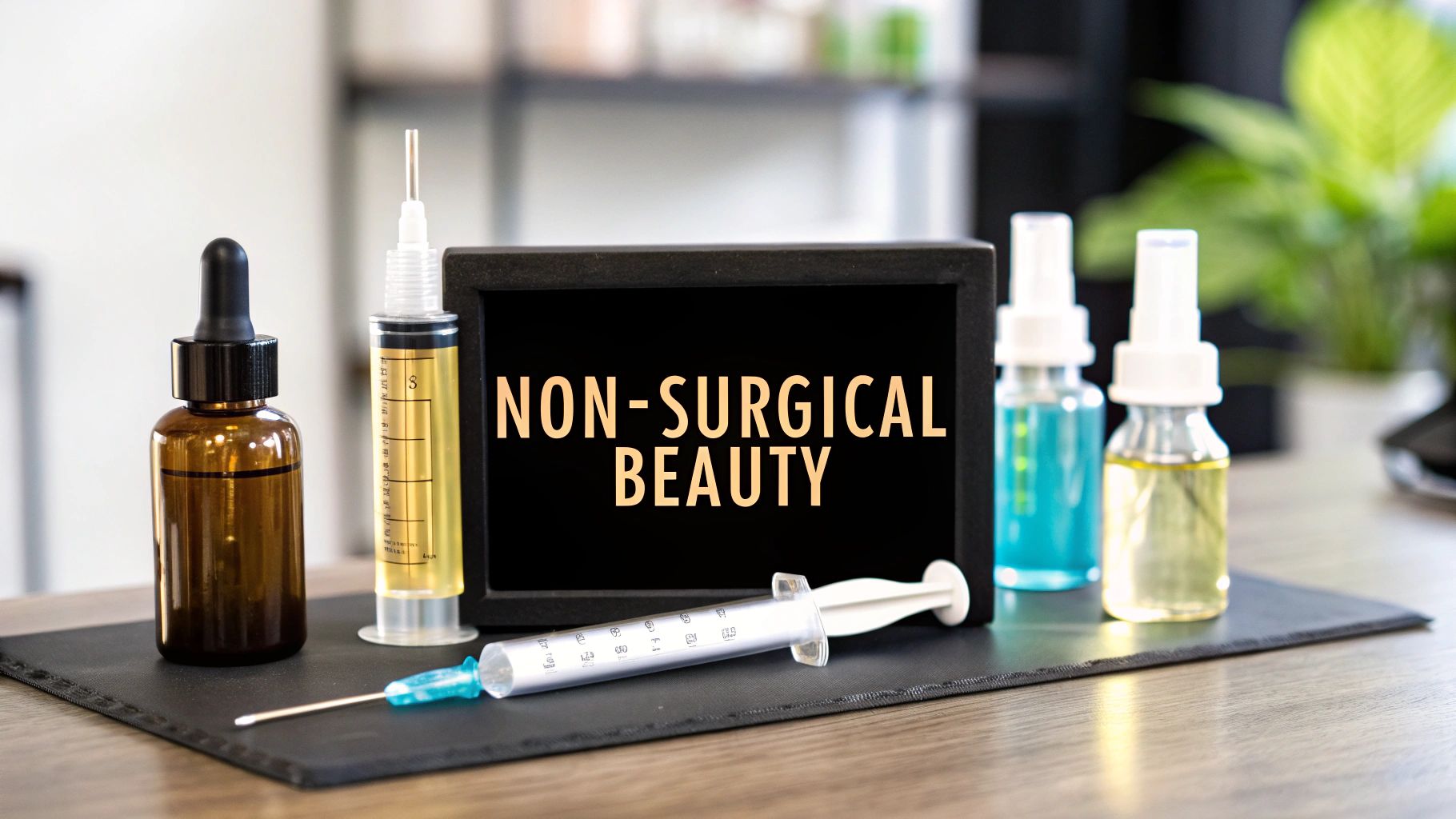
Nonsurgical cosmetic procedures are treatments designed to enhance your appearance without going under the knife. They offer a fantastic way to refresh and rejuvenate your skin and body with minimal, if any, downtime, which explains why they've become so incredibly popular.
We've seen a huge shift in aesthetic medicine lately. More and more people are looking beyond traditional surgery and are instead embracing the subtle, yet powerful, results you can get from nonsurgical cosmetic procedures. Think of it less like a total renovation and more like expertly touching up a beautiful painting—it’s all about enhancing the best features you already have.
This isn't just a passing trend. It's a real movement, fueled by incredible new technologies and a desire for treatments that fit into our busy lives. Unlike major surgery that can put you out of commission for weeks, these procedures let you get back to your routine almost right away.
What’s the big draw? It really comes down to getting great results conveniently and safely. People love these options because they generally come with less risk, less discomfort, and are more budget-friendly than their surgical alternatives. And while the results are often temporary, they can easily be maintained with follow-up treatments, putting you in the driver's seat of your own aesthetic journey.
Here are a few key reasons for the surge in popularity:
The numbers really tell the story. In a recent year, there were over 20.5 million nonsurgical procedures performed worldwide, easily surpassing the 17.4 million surgical ones. This data shows a clear preference for less invasive options that still deliver real, visible results with a quick recovery.
What are people getting? The most popular treatments were botulinum toxin (like Botox) with around 7.8 million procedures, followed by hyaluronic acid fillers with 6.3 million treatments.
This trend shows a fundamental change in how we think about aesthetics and self-care. It’s about making smart, manageable choices to feel good in our own skin, without the commitment and intensity of a full-blown operation.
At the end of the day, the rise of nonsurgical treatments gives you a flexible, accessible way to reach your aesthetic goals. It’s an approach that puts you first—prioritizing safety, comfort, and personalized care—and offers a trusted path for anyone wanting to enhance their appearance without a scalpel.
The world of nonsurgical cosmetic treatments is buzzing with options, and it can be tough to know where to start. Each procedure is designed to tackle specific concerns with incredible precision, from smoothing out fine lines to sculpting your silhouette. Getting to know how they work is the best first step you can take on your journey.
Let's break down the main players in the nonsurgical world and demystify how they achieve such beautiful, natural-looking results.
You've definitely heard of Botox. It's the most famous name in a category of treatments called neurotoxins, which also includes well-known brands like Dysport and Xeomin. Their main job is to go after "dynamic" wrinkles—those lines that pop up from years of smiling, frowning, and squinting.
Think of it this way: the tiny muscles in your face are constantly pulling on your skin. Over time, that repeated movement etches in lines like crow's feet or the "11s" between your eyebrows. Neurotoxins act like a temporary pause button for these specific, overworked muscles.
By gently relaxing them, the skin on top gets a chance to smooth out, causing the wrinkles to soften or even fade away. A skilled injector will never "freeze" your face. The goal is for you to still look like you and make expressions, just without deepening those stubborn lines. You’ll usually see the full effect in a few days, and it typically lasts for about three to four months.
While neurotoxins relax, dermal fillers rebuild. As we get older, we naturally lose the soft, fatty tissue in our faces that gives us that plump, youthful look. This can lead to hollows under the eyes, cheeks that look a bit deflated, and lips that have thinned out over time.
Most of today's top-tier fillers, like those from the Juvéderm and Restylane collections, are made from hyaluronic acid (HA). This is a substance your own body makes to keep your skin hydrated and supple.
You can think of fillers as an internal support system for your skin. They gently lift and cushion areas that have lost their structure, kind of like re-stuffing a pillow that's gone flat to restore its soft, full shape.
This versatility makes fillers a go-to for a whole range of enhancements:
Depending on the specific filler used and where it’s placed, you can expect the results to last anywhere from six months to well over a year.
If your main concerns are things like uneven skin texture, sun spots, or a dull complexion, then skin resurfacing treatments are what you’re looking for. This category includes game-changers like laser therapy and chemical peels, both designed to kickstart your skin's own healing process to reveal a brighter, healthier layer underneath.
Laser Therapy
Lasers use focused light energy to zero in on specific skin problems. They generally fall into two camps:
Chemical Peels
With a chemical peel, a carefully selected solution is applied to the skin, causing the old, damaged outer layers to gently exfoliate and peel away. The new skin that emerges is smoother, clearer, and more evenly toned. Peels come in a range of strengths—from light and superficial to deep—so your treatment can be perfectly matched to your skin's needs.
This chart helps visualize the two main paths in aesthetics, showing how nonsurgical and surgical procedures fit into the bigger picture.

As you can see, nonsurgical treatments—represented by the syringe—have carved out a major and distinct role in modern cosmetic medicine.
To help you compare some of the most sought-after options at a glance, we've put together this quick-reference table.
This table is a great starting point, but a personal consultation is always the best way to determine which treatment will truly help you achieve your goals.
We all have them—those pockets of fat that just won't budge, no matter how much we diet or exercise. Whether it's on the abdomen, the flanks (or "love handles"), or under the chin, nonsurgical body contouring provides a solution without having to go the route of liposuction.
The leader in this space is a technology called cryolipolysis, which you probably know by its brand name, CoolSculpting. This procedure uses controlled cooling to literally freeze and destroy fat cells in a specific area.
Here's a simple breakdown of the process:
The science is pretty neat: fat cells freeze at a higher temperature than other tissues, so the surrounding skin, nerves, and muscles are completely unharmed. The results appear gradually over a few months, revealing a slimmer, more sculpted contour that is permanent.
Each of these nonsurgical treatments offers a unique path to refreshing your appearance. To learn more about the complete range of options we provide, we invite you to explore the innovative non-surgical treatments offered at our clinic. Ultimately, the right choice comes down to your personal goals, your anatomy, and an honest conversation with an expert who can design a plan that’s made just for you.
Deciding on a cosmetic procedure is a big deal, and it's a decision that starts long before you ever sit in a treatment chair. The best results always come from a place of understanding—understanding what you want, what's possible, and whether you're a good fit for the treatment you have in mind.
Think of it this way: the procedure is just one part of the equation. Your own preparedness, health, and mindset are just as important. It’s about more than just wanting a change; it’s about having a clear vision for that change.
So, who gets the best results from these treatments? While everyone's situation is different, we've found that the most successful patients usually share a few key traits.
The happiest patients we see are those who view these treatments as a way to feel like the best version of themselves—a little refreshed, a bit more confident. They don't chase perfection. Instead, they see this as a partnership with us, built on honest conversation and shared goals.
As safe as these procedures are, they aren't the right choice for everyone. Certain health conditions or life circumstances, which we call contraindications, can make a treatment unsafe or ill-advised for you.
This is why being completely open about your medical history during your consultation is so important. Your safety is our absolute #1 priority, and we can only ensure it with the full picture.
Common reasons we might recommend waiting or choosing a different path include:
The consultation is truly the most important step in this entire process. It’s our chance to get to know you and your goals, and your chance to get all your questions answered. Coming in prepared will make all the difference.
Of course, your safety and results depend entirely on the skill of your provider. Choosing the right person is critical. For more on this, check out our guide on how to choose a surgeon—the advice in it applies to finding any great aesthetic provider.
Come to your appointment ready to ask questions. Here are a few to get you started:
You should leave a consultation feeling heard, respected, and fully informed—never pressured. A great provider will take the time to listen and make sure you feel 100% comfortable with the plan before moving forward.
Any time you're considering an aesthetic treatment, it’s a personal decision. It's about weighing the exciting results you're hoping for against the practical realities of the procedure. Nonsurgical options offer a fantastic list of upsides, but it's crucial to have a clear-eyed view of both sides to make a choice you feel great about. This way, your expectations are perfectly aligned with what these treatments can actually do for you.

There’s no denying how popular these treatments have become. The global market for non-invasive aesthetics is exploding, with projections showing it could reach around USD 22.67 billion by 2025. This incredible growth is fueled by more people becoming aware of their options and constant innovation in the field. In fact, North America is leading the charge, holding over 42.84% of the market share in 2023. You can see more details about the non-invasive aesthetic treatment market on Precedence Research.
For most people, the biggest draw is how convenient and subtle these treatments are. They're designed to fit into your life, not put it on hold.
One of the best perks is the minimal downtime. Unlike a surgical procedure that can sideline you for weeks, many nonsurgical treatments let you get right back to your routine. It’s not an exaggeration to say you could have a Botox treatment on your lunch break and be back at your desk that afternoon.
That convenience goes hand-in-hand with another huge benefit: reduced risk. Because you’re avoiding general anesthesia, scalpels, and deep incisions, you naturally sidestep many of the more serious complications tied to traditional surgery. This makes the whole idea of aesthetic medicine feel much less intimidating, especially for first-timers.
Here’s a quick rundown of the main benefits:
While nonsurgical procedures have an excellent safety record, it’s important to remember that no medical treatment is completely free of risk. Knowing what could happen, even if it’s minor, is just as vital as dreaming about the benefits.
The good news is that the vast majority of side effects are mild and short-lived. These are common, well-understood reactions that your body works through on its own within a few days or a week.
Think of these common side effects as the body’s normal response to a treatment. Just as a garden shows signs of being tended to before it blooms, your skin may show temporary signs of the work being done beneath the surface.
Some common, temporary side effects include:
More serious complications are extremely rare, and they become even rarer when your procedure is done by a board-certified, experienced provider in a professional medical setting. These could include things like an infection, an allergic reaction, vascular occlusion (a blocked blood vessel), or an aesthetic result you’re not happy with, like asymmetry.
Choosing a qualified expert is the single most important thing you can do to minimize these risks. An experienced practitioner has an intimate, nuanced understanding of facial anatomy and uses meticulous techniques to put your safety first, so you can relax and look forward to your beautiful results.
Deciding on any cosmetic treatment is a big step, and knowing what to expect can make all the difference. The whole process, from your first chat with us to your final follow-up, is designed to be clear, comfortable, and centered around you. It's not just a procedure; it's a partnership.

The experience is much more than what happens in the treatment room. It begins with a real conversation about your goals and continues with dedicated care long after you’ve gone home.
Your initial consultation is, without a doubt, the most important part of your journey. This is where we build the foundation for a great result. It's a true two-way conversation where we listen to what you're hoping to achieve, and you get all the information you need to feel confident in your decision.
During this first meeting, we’ll talk through everything:
From this conversation, we'll develop a personalized treatment plan. Think of it as a custom-drawn map for your journey, outlining the specific procedures, how many sessions you might need, and the total cost.
When you come in for your treatment, our entire focus is on your comfort and safety. Most nonsurgical procedures happen right in our treatment rooms and are surprisingly quick—often lasting less than an hour. Knowing the steps ahead of time helps ease any jitters you might have.
Let’s say you’re getting an injectable like Botox or a dermal filler. The process is pretty straightforward:
Throughout the procedure, a skilled provider will communicate with you, ensuring you feel relaxed and in control. The environment should feel professional yet calming, allowing you to have a positive and stress-free experience.
It’s no wonder these efficient treatments are so popular. Since 2000, the demand for cosmetic procedures has jumped by 54% worldwide. Here in the U.S., over 18 million procedures were performed in 2020 alone. Nonsurgical options are really driving that growth as they become faster and more effective. You can learn more about these plastic surgery trends and their growth.
Once your treatment is done, the journey isn't quite over. Good aftercare is the key to getting the best possible results and making them last. We'll send you home with a clear, detailed set of instructions tailored specifically to your procedure.
Following these guidelines is the best way to protect your investment. Usually, this means:
It's completely normal to have some minor swelling or bruising. Following your aftercare plan will help that fade quickly so you can start enjoying your refreshed new look.
When you start looking into nonsurgical cosmetic procedures, it’s natural to have a lot of questions. In fact, it’s a good thing! Getting clear, honest answers is the first step toward feeling confident and genuinely excited about your decision.
We've put together answers to some of the most common questions we hear every day in our practice, hoping to give you the clarity you're looking for.
This is, without a doubt, the number one question on everyone's mind. And the answer is almost always a pleasant surprise: most treatments are very manageable. Your comfort is our top priority, and we’ve gotten very good at minimizing any unpleasant sensations. For most procedures like injectables or microneedling, we start with a powerful topical numbing cream to make sure you’re comfortable from the get-go.
So, what does it actually feel like?
Our entire team is focused on making sure your experience is as relaxing and positive as it can be.
Let's talk about cost—a practical and completely valid concern. The price for nonsurgical treatments isn't one-size-fits-all; it can vary quite a bit based on a few key things:
To give you a ballpark idea, neurotoxins might run anywhere from $10 to $25 per unit, while a syringe of high-quality dermal filler can range from $600 to over $1,000. More involved treatments like body contouring or a series of laser sessions will have their own pricing structure.
It's also important to know that these are elective cosmetic treatments, so they are not covered by health insurance. The only way to get a firm price is to come in for a personal consultation, where we can map out a plan that fits your goals and your budget.
This is the single most important decision you'll make. The quality of your results—and more importantly, your safety—is entirely in your provider's hands. Don’t cut corners here. Your search should start and end with credentials.
Look for a board-certified provider who specializes in aesthetics. Board certification isn't just a piece of paper; it’s proof of years of rigorous training, a deep understanding of facial anatomy, and a commitment to the absolute highest standards of patient care. A weekend course just can't compare.
Once you’ve narrowed down your search to qualified providers, take these next steps:
One of the biggest differences between surgical and nonsurgical options is that most nonsurgical results are temporary. This is great because it offers flexibility, but it also means you’ll need to plan for maintenance to keep up your look. How long that is depends entirely on the treatment.
Here’s a general timeline to help you set realistic expectations:
Finally, you have a huge role to play in making your results last. A great at-home skincare routine—especially being diligent with a high-quality sunscreen every single day—is the best way to protect your investment and keep your skin glowing.
Ready to see what's possible for you? At Cape Cod Plastic Surgery, Dr. Fater and our dedicated team are here to guide you with expert care and a plan designed just for you. Schedule your consultation today and take the first step toward feeling your absolute best.
September 9, 2026
Expert Guide to Proper Surgical Incision Care
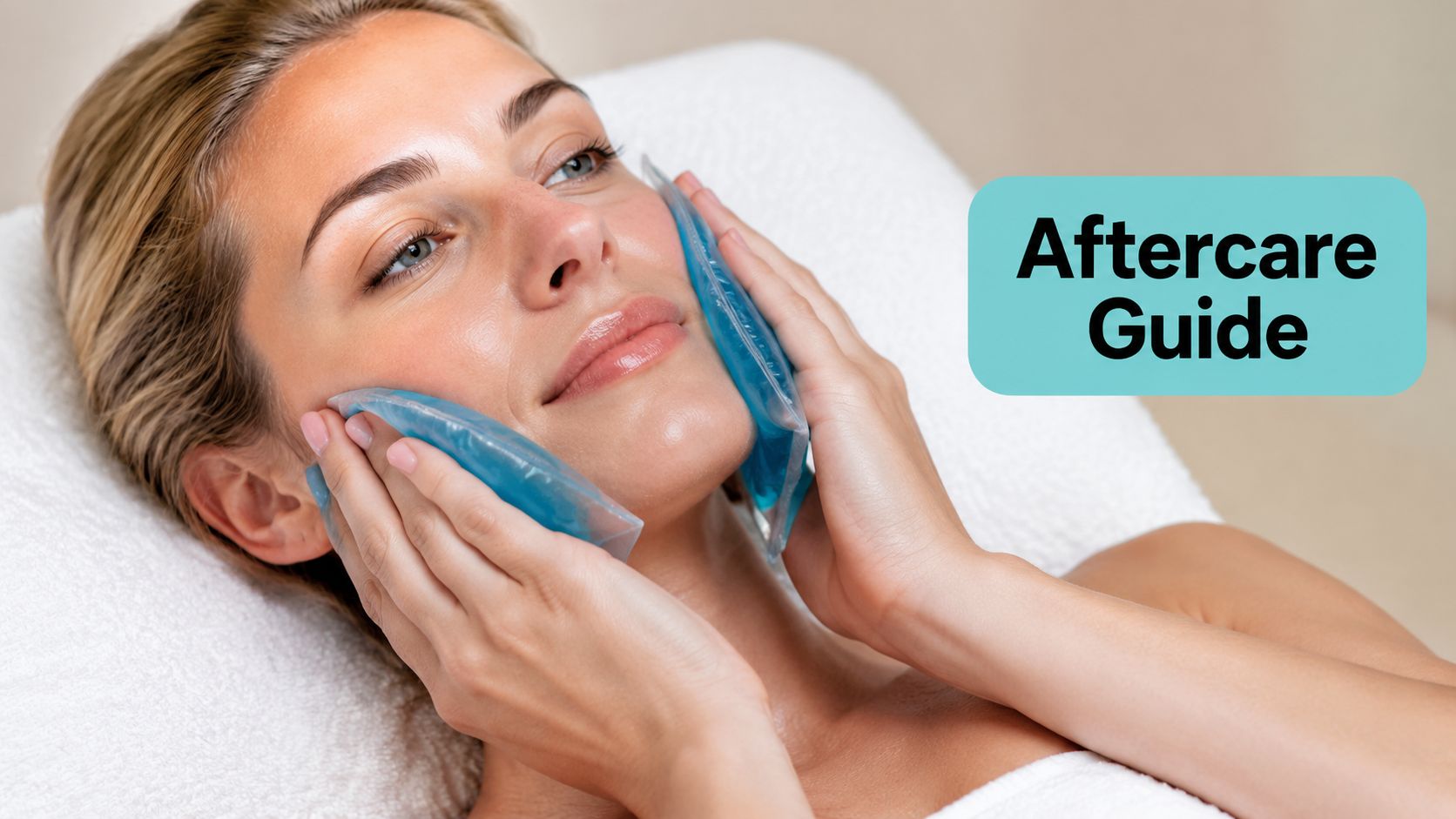
Master dermal fillers aftercare with do's and don'ts, swelling tips, activity limits and warning signs to protect your results and heal smoothly.

September 8, 2026
Ensuring Safety: Why Your Surgeon's Credentials Matter Most
Cape Cod Plastic Surgery offers expert cosmetic and reconstructive procedures in a safe, accredited setting. Led by Dr. Marc Fater, we combine advanced techniques with personalized care to help you look and feel your best.
Monday: 9:00 AM – 5:00 PM
Tuesday: 9:00 AM – 5:00 PM
Wednesday: 9:00 AM – 5:00 PM
Thursday: 9:00 AM – 5:00 PM
Friday: 9:00 AM – 5:00 PM