

October 7, 2026
What to Expect During Your Breast Surgery Recovery
A Practical Guide to Healing After Breast Surgery
Mar 3, 2026

Beginning the process of considering plastic surgery can feel overwhelming. Patients are encouraged to see their journey not as a single appointment, but as a structured path to a well-informed decision. A methodical approach helps address common anxieties and ensures your expectations are aligned with what is realistically and safely achievable. This guide outlines a framework for navigating this important life decision, focusing on the core themes of verifying surgeon qualifications, preparing thoroughly, understanding your procedure, and planning for recovery.
An informed decision is the bedrock of a successful and satisfying plastic surgery experience. A structured process empowers you to become an active participant in your own care. It helps you move from initial curiosity to a clear understanding of the steps involved, from finding the right surgeon to navigating recovery. This deliberate approach mitigates risks, builds trust with your chosen medical team, and leads to better outcomes by ensuring your goals are realistic and your preparation is complete.
Your decision-making process should revolve around four essential pillars. First, verifying surgeon qualifications ensures you are in skilled and accredited hands. Second, preparation and patient selection involves honest discussions about your candidacy and lifestyle factors. Third, understanding the procedure means going beyond basic facts to grasp the specific techniques, risks, and alternatives. Fourth, planning for recovery is critical for a smooth healing process and achieving optimal results. The following table summarizes key focus areas for each of these themes:
| Theme | Key Focus Areas | Patient Action Steps |
|---|---|---|
| Surgeon Qualifications | Board certification, ABPS membership, hospital privileges, facility accreditation, surgical team consistency. | Research credentials, ask detailed questions during consultation, verify information online, tour facilities. |
| Patient Preparation | Medical history, smoking cessation, realistic expectations, psychological readiness, financial planning, support system. | Disclose all health info honestly, follow pre-op instructions, assess motivations, arrange post-op help. |
| Procedure Understanding | Specific technique, risks and benefits, alternatives (surgical/non-surgical), anesthesia details, implant or material choices. | Review before-and-after photos, ask about complication rates, understand what surgery can and cannot do. |
| Recovery Planning | Expected downtime, post-op care instructions, pain management, activity restrictions, follow-up appointments. | Plan time off work, prepare your home, get prescriptions filled, understand warning signs for complications. |

Board certification by the American Board of Plastic Surgery (ABPS) is the most reliable indicator of a surgeon's specialized qualifications. It is a voluntary credential that goes far beyond the basic state medical license required to practice. To become ABPS-certified, a physician must graduate from an accredited medical school, complete a minimum of five years of surgical residency training, with at least two years focused solely on plastic surgery. They must then pass comprehensive written and oral examinations. The ABPS is one of only 24 boards recognized by the American Board of Medical Specialties (ABMS) and is the only board that certifies surgeons in the full spectrum of plastic and reconstructive surgery of the entire body. This certification is not a lifetime guarantee; surgeons must participate in ongoing education and maintenance of certification for plastic surgeons to keep their credentials current.
Choosing a surgeon certified by the ABPS ensures their training meets the highest national standards for plastic surgery. This specific certification is crucial because any licensed physician can legally perform cosmetic procedures, but they may not have this specialized, rigorous training. ABPS certification means the surgeon is uniquely qualified to perform procedures on all areas of the body, from the head and neck to the trunk and extremities. It is a voluntary commitment to excellence that distinguishes a true specialist in the field.
It is important to understand that board certification is not the same as membership in a professional society. Societies have different membership requirements. Furthermore, certification by other boards, such as those for cosmetic surgery, may have different training prerequisites. A surgeon claiming to be "board eligible" has completed required training but has not yet passed the certifying exam; the ABPS does not use this status. If a surgeon is certified by a board other than the ABPS, patients are advised to contact that board directly to compare its training and testing standards.
Beyond board certification, patients should ask if the surgeon has hospital privileges to perform the specific procedure in an accredited, acute-care hospital. This serves as an additional layer of peer review for the surgeon's competency. Membership in professional societies like the American Society of Plastic Surgeons (ASPS) is also a positive sign. All ASPS members are certified by the ABPS, practice in accredited facilities, and adhere to a strict code of ethics. However, board certification remains the foundational credential.
Patients have powerful tools to independently verify a surgeon's background. The American Board of Medical Specialties website (www.abms.org) allows you to confirm a doctor's ABPS certification status. To check a surgeon's medical license for any disciplinary actions or complaints, contact your state's medical board directly or use the Federation of State Medical Boards website (www.fsmb.org). These verifications are critical steps in your researching a plastic surgeon process.
| Credential to Verify | What It Means | Where to Check |
|---|---|---|
| ABPS Board Certification | Completed rigorous plastic surgery training and exams. | American Board of Medical Specialties (ABMS) website. |
| State Medical License | Minimum legal requirement to practice medicine. | State Medical Board or FSMB website. |
| Hospital Privileges | Hospital has granted permission to perform specific surgeries there. | Ask the surgeon directly during consultation. |
| ASPS Membership | Surgeon is ABPS-certified and follows ethical practice standards. | American Society of Plastic Surgeons (ASPS) website. |

A thorough consultation with a plastic surgeon is the most important step in your surgical journey. It's your opportunity to assess the surgeon's expertise, understand the procedure fully, and ensure your goals and expectations are aligned. Coming prepared with a list of well-researched questions transforms this meeting from a simple discussion into a critical evaluation.
Personal recommendations from trusted friends or family are an excellent starting point for researching a plastic surgeon, but your own due diligence is irreplaceable. Use reputable resources like the American Society of Plastic Surgeons (ASPS) website to compile a list of local surgeons. While social media can offer a glimpse into a surgeon's work, it should never be your sole source of information; focus on finding consistent, long-term results rather than a curated online presence.
Based on expert recommendations and patient safety checklists, your core questions should span several categories. Think of this as your personal due diligence process to verify board certification, experience, and practice standards.
You must go beyond general qualifications. Ask about the surgeon's experience, specifically how many times they have performed the exact procedure you are considering in the past year. A surgeon who specializes in that area will have more experience with different body types and current techniques. Request to see before and after photos of previous patients who had similar procedures and body types. This allows you to assess the surgeon's work.
A transparent surgeon will discuss all aspects of the plan. This includes inquiring about alternatives to the proposed procedure that might also achieve your goals. You must ask detailed questions about potential risks and complications, including their frequency and how the surgeon manages them. Crucially, confirm who performs the procedure. Will it be the surgeon you met, or will tasks be delegated to assistants or other providers? A reputable practice often uses a dedicated, consistent surgical team you can meet beforehand.
Honest dialogue about what is achievable is vital. Ask the surgeon if your desired outcome is reasonable given your anatomy and health. A good surgeon provides non-judgmental, candid feedback about your reasons to pursue surgery. Reviewing before-and-after photos together is a practical way to discuss realistic outcomes. Furthermore, inquire about the typical recovery timeline, any activity restrictions, and the details of postoperative treatment and follow-up care. Understanding the postoperative journey is key to preparing both mentally and physically.
Your consultation checklist should be comprehensive. Essential questions to ask include:
| Consultation Focus Area | Key Verification Points | Why This Matters for Your Safety & Results |
|---|---|---|
| Surgeon Credentials | ABPS board certification; ASPS membership; hospital privileges. | Ensures formal, accredited training and adherence to ethical standards. |
| Procedure Experience | Frequency of performing the procedure; portfolio of before-and-after photos. | Indicates specialized skill and a proven track record with your desired outcome. |
| Surgical Plan & Team | Clear explanation of risks and complications; confirmation who performs the procedure; team consistency. | Promotes transparency, manages expectations, and ensures qualified hands are involved. |
| Facility & Logistics | Accreditation (e.g., AAAASF, JCAHO); detailed cost breakdown; recovery protocol. | Guarantees a safe operative environment and allows for proper financial and physical planning. |
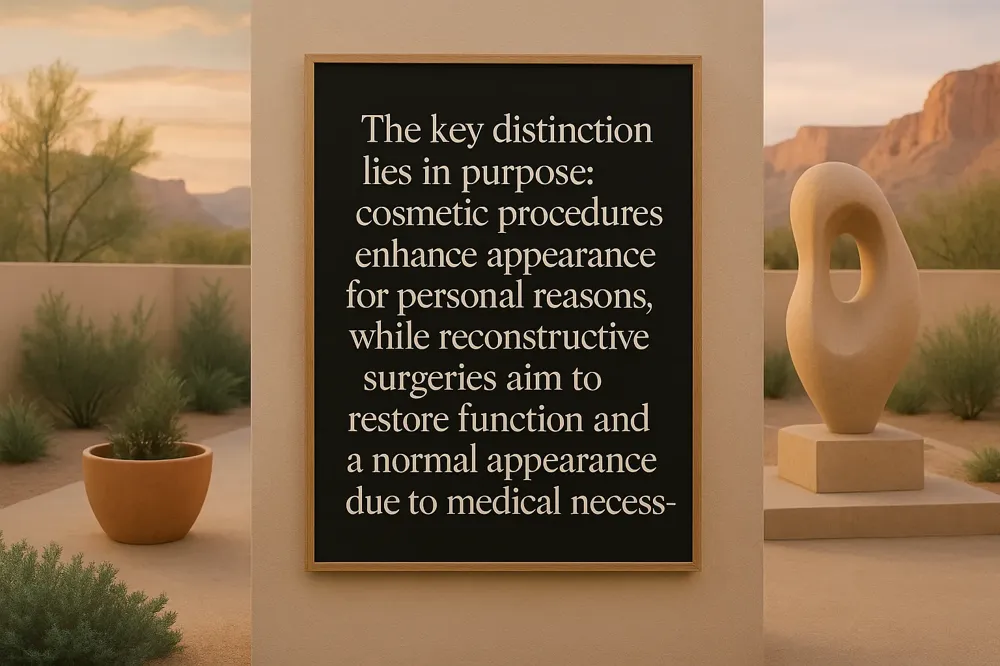
Plastic surgery is a broad medical specialty with two primary branches: cosmetic and reconstructive surgery. Cosmetic surgery is elective. It is performed on normal body structures to enhance appearance and boost self-esteem. Common procedures include breast augmentation, liposuction, and facelifts.
Reconstructive surgery is often medically necessary. It addresses abnormal structures resulting from congenital defects, trauma, burns, disease, or cancer. The main goals are to restore function and improve appearance. Examples include cleft lip repair, breast reconstruction after mastectomy, and hand surgery. While their primary focus differs, there can be overlap. For instance, a rhinoplasty can correct a breathing problem while also reshaping the nose.
The core purpose is to restore function and a normal appearance to areas affected by injury, disease, or birth conditions. It aims to correct physical deformities or defects that cause distress and impact daily living. Common objectives are to improve abilities like breathing or hand movement, alleviate pain from conditions like large breasts, and prevent infections from skin folds.
Ultimately, reconstructive surgery is a patient-centered process designed to improve overall quality of life. It can involve simple techniques like suture repair or complex procedures like tissue expansion and flap reconstruction.
Reconstructive surgery covers a wide range of treatments. Examples include breast reconstruction following a mastectomy, cleft lip and palate repair, and scar revision to minimize a prominent scar. Hand surgery restores strength and flexibility after trauma.
Other procedures include skin cancer removal with immediate reconstruction, panniculectomy (removing excess abdominal skin after major weight loss), surgery for craniofacial anomalies, and treatment for facial nerve paralysis. These procedures directly address functional impairments and abnormal appearances from various causes.
| Procedure Category | Primary Goal | Typical Patient Motivation | Insurance Coverage Common? |
|---|---|---|---|
| Cosmetic Surgery | Enhance appearance, boost self-esteem | Elective, personal desire for aesthetic improvement | Rarely covered |
| Reconstructive Surgery | Restore function, correct deformity | Medically necessary, to improve health/function | Often covered |
Board-certified plastic surgeons complete rigorous training in both reconstructive and cosmetic surgery. This comprehensive background makes them uniquely qualified. They can assess a patient's needs holistically, whether the goal is to repair a defect or refine an aesthetic feature.
This dual expertise is particularly valuable for procedures with overlapping goals. For example, a surgeon can perform a rhinoplasty that corrects a deviated septum (functional) while also refining the nose's shape (cosmetic). Their training allows for a complete understanding of anatomy, healing, and techniques for the entire body.

Preparation begins by meticulously following the detailed instructions your plastic surgeon provides. A comprehensive pre-operative checklist is essential to ensure your safety and optimize surgical outcomes. This process involves several key steps: managing medications, making necessary lifestyle changes, arranging logistical support, and completing required medical evaluations.
Your surgeon will provide a specific list of medications and supplements to discontinue before surgery. Typically, this includes blood thinners (like aspirin or ibuprofen) and certain herbal supplements (such as vitamin E, ginkgo biloba, or fish oil) that can increase bleeding risk. You must provide a complete and honest list of all substances you take to your surgical team.
Quitting smoking is one of the most critical lifestyle adjustments. Smoking constricts blood vessels, severely impairs healing, and significantly raises the risk of complications like infection and poor scarring. Surgeons strongly advise patients to quit completely for several weeks before and after the procedure.
Logistical planning is a practical necessity. You must arrange for a responsible adult to drive you home after surgery and stay with you for at least the first 24 to 48 hours. Preparing your home in advance involves setting up a comfortable recovery area with pillows for elevation, gathering easy-to-prepare meals, and having loose, front-opening clothing ready. Ensure any prescribed post-operative items, like surgical bras or compression garments, are on hand.
Completing your pre-operative history and physical exam is a mandatory safety protocol. This appointment, usually scheduled within 30 days of surgery, allows your medical team to review your health history, perform a physical exam, conduct necessary pre-surgery testing, and obtain medical clearance if needed. It is the final checkpoint to confirm you are a suitable candidate for surgery.
| Preparation Category | Specific Actions | Key Reason & Benefit |
|---|---|---|
| Medication Management | Stop blood thinners, NSAIDs, specific supplements. | Minimizes risk of excessive bleeding during and after surgery. |
| Lifestyle Adjustment | Quit smoking entirely; maintain stable weight. | Dramatically improves healing, reduces infection and scarring risk. |
| Home & Logistics | Arrange driver & helper; prepare recovery space; buy supplies. | Ensures a safe, comfortable, and stress-free initial recovery period. |
| Medical Clearance | Attend pre-op H&P; complete lab tests; get specialist OK if needed. | Verifies overall health fitness for surgery and anesthesia safety. |
| Financial & Planning | Finalize payments; clarify postoperative care plan; schedule time off work. | Allows you to focus fully on recovery without logistical distractions. |
Your personal recovery plan will be detailed by your surgeon, but a general checklist provides a helpful framework. For the first 24-48 hours, ensure someone drives you home and stays with you. Follow all wound care instructions meticulously to prevent infection, and take prescribed medications, including those for pain management after surgery and antibiotics, exactly as directed. Wear compression garments consistently if provided, as they aid healing and reduce post-operative swelling.
Manage swelling and bruising with surgeon-approved techniques. For facial procedures, this may involve sleeping in a reclined position for about a week. Correctly using cold and warm compresses on schedule can also promote healing. Maintain a healthy diet rich in protein and stay well-hydrated, while avoiding high-sodium foods. Begin gentle movement, like short walks, soon after surgery to promote circulation, but strictly avoid strenuous activity, heavy lifting, and driving until your surgeon gives the all-clear.
Your checklist is not complete without a plan for monitoring. Attend every scheduled follow-up care appointment, as these are critical for assessing your progress. Be vigilant for signs of surgical risks and complications, such as excessive pain, spreading redness, fever, or unusual drainage from incision sites. Do not hesitate to promptly contact your care team with any concerns; clear communication is a cornerstone of a safe recovery.
| Recovery Phase | Key Actions & Care | Important Restrictions & Notes |
|---|---|---|
| Immediate (First 48-72 hrs) | Have support person; start medications; apply cold compresses after surgery; begin light walking. | No driving; no alcohol; no bending or straining. |
| Early (First 1-2 Weeks) | Manage wound care; wear compression garments; transition to warm compresses; attend first follow-up appointment. | No heavy lifting (>5-10 lbs); limit arm movement for upper body procedures. |
| Mid (Weeks 2-6) | Gradually increase activity; monitor scar healing; may begin scar revision treatment if approved. | Avoid intense exercise; follow specific guidance on returning to work. |
| Long-Term (Months+) | Maintain stable weight; protect scars from sun; attend final follow-up appointments; adopt a consistent skincare routine. | Results continue to refine; final outcome may take up to a year for some procedures. |
When considering breast augmentation, patients and surgeons discuss various factors to achieve a natural-looking result. One helpful aesthetic reference is the 45:55 rule. This guideline suggests that for a naturally sloping, teardrop-shaped breast, approximately 45 percent of the breast's volume should be above the nipple, with about 55 percent of the volume below it. This proportion aims to avoid an overly round or artificial top-heavy appearance.
It is important to understand that this is a guiding principle, not a rigid rule. Every patient has unique anatomy, including chest width, existing breast tissue, and skin elasticity. The surgeon uses this concept as a reference during the consultation. They will discuss how different implant types, sizes, projection levels, and placement (above or below the muscle) can work with your body to create a balanced, proportionate outcome that looks harmonious and timeless.
For body contouring surgeries like a tummy tuck, your overall health and weight stability are paramount for safety and optimal results. While there is no single ideal weight, achieving a stable Body Mass Index (BMI) is a key consideration. Many surgeons find that a BMI below 30 is generally optimal for minimizing surgical risks, such as infection or poor wound healing, and for achieving the best aesthetic contour.
Some surgeons may consider patients with a BMI between 30 and 35 on an individual basis if they are in otherwise excellent health. However, it is crucial that you are at a weight you can maintain long-term. Significant weight fluctuation after a tummy tuck can stretch the tightened skin and muscles, undoing the surgical improvements. Therefore, being close to your goal weight and maintaining it through a stable lifestyle for several months before surgery is strongly recommended. Patients who smoke must quit well in advance, as smoking severely impairs healing.
Scarring is a natural and unavoidable part of any surgical procedure. Skilled surgeons use techniques to place incisions in discreet locations, such as within the natural crease under the breast or along the bikini line for a tummy tuck. While scars will fade over 12 to 18 months, they are permanent. You can help minimize their appearance by diligently following post-operative care instructions, including protecting the area from sun exposure and using recommended topical treatments.
The longevity of your results is influenced by your lifestyle and the natural aging process. Procedures like a tummy tuck or breast lift provide long-lasting improvements, but they do not halt aging or prevent the effects of gravity, future pregnancies, or significant weight changes. Maintaining a stable weight, practicing good skincare, and protecting your skin from the sun are essential for preserving your surgical outcome for as long as possible. It is realistic to expect that some degree of natural change will occur over time.
Psychological readiness is as important as physical health. The healthiest motivation for surgery is a desire to feel more confident and comfortable in your own body, not to fulfill someone else's expectations or to solve underlying psychological issues. During your consultation, your surgeon should assess your expectations and provide honest feedback about what is surgically achievable for your specific anatomy.
Good candidates have realistic goals, understand the risks and recovery process, and are prepared to follow all pre- and post-operative instructions. They have a supportive network and can manage the temporary downtime required. A transparent discussion about your hopes, fears, and motivations with your board-certified plastic surgeon ensures you are both aligned on the desired outcome, leading to greater satisfaction with your results.
| Topic | Key Guideline | Patient Consideration |
|---|---|---|
| Breast Proportion | 45:55 upper to lower pole ratio. | A guide for natural shape; final implant choice is personalized. |
| Weight for Body Contouring | Stable BMI below 30 is often optimal. | Weight stability is critical; smoking must be stopped. |
| Scarring | Incisions placed in discreet locations. | Scars fade but are permanent; sun protection is vital. |
| Result Longevity | Results are long-lasting but not permanent. | Aging, weight changes, and lifestyle affect duration. |
| Patient Mindset | Realistic expectations and self-motivation. | Readiness for recovery and adherence to instructions is key. |
Every surgical procedure, whether reconstructive or cosmetic, involves a degree of risk. These are inherent to the process of surgery and include infection, bleeding, bruising, adverse reactions to anesthesia, blood clots, poor wound healing, and scarring. While these risks exist, a highly trained surgical team uses meticulous techniques and protocols to minimize their occurrence.
The likelihood and nature of complications can vary depending on the specific procedure and the patient's unique health profile. For example, reconstructive surgeries using tissue flaps carry a risk of flap failure, while breast surgeries may involve changes in sensation or asymmetry. Patient factors play a crucial role. Smoking, in particular, dramatically increases risks such as poor wound healing and tissue necrosis. Other conditions like uncontrolled diabetes or certain medications can also elevate risk, which is why a thorough pre-operative evaluation is essential.
A vital part of your surgical consultation is an open and detailed conversation about potential risks. A responsible surgeon will explain the specific risks relevant to your procedure, discuss how often they might occur, and outline their strategies for prevention and management. This transparency is foundational to informed consent and ensures you are fully prepared for your recovery journey, understanding both the benefits and the potential challenges.
All surgical procedures carry inherent risks, including infection, bleeding, bruising, adverse reactions to anesthesia, blood clots, poor wound healing, and scarring. Specific to reconstructive surgery, risks can include changes in sensation, flap failure (in procedures using the patient's own tissue), asymmetry, and the need for additional surgeries. Factors like smoking significantly increase risks such as tissue necrosis and poor healing. It is essential to have a detailed discussion with your surgeon about the specific surgical risks of your planned procedure, their frequency, and the steps taken to minimize and manage them.
Choosing a surgeon certified by the American Board of Plastic Surgery and a facility accredited by bodies like the AAAASF or JCAHO is a primary step in risk management. These credentials verify that the surgeon has undergone rigorous, specialized training and that the facility adheres to the highest standards for equipment, safety protocols, and emergency preparedness. This structured, professional environment is designed to anticipate and manage complications, providing a critical safety net for patient care.
| Category | Common General Risks | Procedure-Specific Examples | Key Risk Mitigation Factors |
|---|---|---|---|
| Surgical Process | Infection, bleeding, anesthesia reaction | Flap failure in reconstructive surgery, implant-related issues | Sterile technique, board-certified anesthesiologist, accredited facility |
| Healing & Outcome | Poor wound healing, scarring, asymmetry | Changes in sensation, need for revision surgery | Following post-op instructions, non-smoking status, surgeon's experience |
| Patient Health Factors | Blood clots, adverse medication reactions | Higher complication rates in patients who smoke or have diabetes | Pre-operative medical clearance, honest health disclosure, smoking cessation |
Your path to a successful surgical experience rests on a few fundamental pillars. These core components work together to ensure your safety, comfort, and satisfaction.
First is the selection of a qualified surgeon. The gold standard is board certification by the American Board of Plastic Surgery (ABPS), which confirms a surgeon has completed rigorous, specific training and adheres to high ethical standards. This certification is a voluntary credential that goes beyond a state medical license and is distinct from membership in a professional society.
Second is thorough preparation and clear communication. This includes verifying the surgeon's experience with your specific procedure, understanding all risks and alternatives, and confirming the details of your surgical plan, including who will perform each task. Asking detailed questions is not just encouraged—it is a critical part of your role as an informed patient.
Finally, managing your expectations is paramount. This involves having realistic goals for your results, understanding the recovery process, and being psychologically ready for the changes surgery will bring. Your motivations should center on enhancing your self-image for yourself, not for anyone else.
The questions you bring to your consultation are powerful tools. They transform the meeting from a passive briefing into an active, collaborative discussion about your care. Consider the following categories to structure your conversation.
Surgeon Qualifications and Experience:
Surgical Plan and Safety:
Personalized Outcomes and Recovery:
At Cape Cod Plastic Surgery, we view your consultation as the foundation of a trusting partnership. We are committed to providing personalized, patient-centered care in a safe, accredited facility. Our philosophy is to listen carefully to your concerns, provide honest and transparent information, and work with you to develop a treatment plan that aligns with your unique anatomy, lifestyle, and aesthetic vision.
We encourage you to use the questions outlined here as a starting point for an open and thorough dialogue. Our goal is to ensure you feel fully informed, confident, and supported every step of the way, from your initial research through to a smooth recovery and beautiful, lasting results.
| Consultation Focus Area | Key Verification Points | Example Questions to Ask |
|---|---|---|
| Surgeon Credentials | ABPS board certification; verified via ABMS website. | "Are you certified by the American Board of Plastic Surgery?" "Can I verify your certification online?" |
| Procedure Experience | Recent case volume; before-and-after photo gallery. | "How often do you perform this specific procedure?" "May I see photos of patients with similar anatomy?" |
| Surgical Safety | Accredited facility; consistent team; anesthesia provider. | "Is your surgical facility accredited?" "Who administers the anesthesia?" |
| Personalized Plan | Tailored alternatives; detailed recovery instructions. | "What are my non-surgical options?" "What is the full post-op care plan?" |
| Realistic Expectations | Honest assessment of candidacy; discussion of limitations. | "Is this procedure reasonable for my body and goals?" "What results can I realistically expect?" |
October 7, 2026
A Practical Guide to Healing After Breast Surgery

October 6, 2026
Your Safety Guide: What to Look for When Choosing a Plastic Surgeon

October 5, 2026
Why Our On-Site Accredited Facility Matters for Your Safety
Cape Cod Plastic Surgery offers expert cosmetic and reconstructive procedures in a safe, accredited setting. Led by Dr. Marc Fater, we combine advanced techniques with personalized care to help you look and feel your best.
Monday: 9:00 AM – 5:00 PM
Tuesday: 9:00 AM – 5:00 PM
Wednesday: 9:00 AM – 5:00 PM
Thursday: 9:00 AM – 5:00 PM
Friday: 9:00 AM – 5:00 PM