

September 9, 2026
How to Care for Surgical Incisions Properly
Expert Guide to Proper Surgical Incision Care
Aug 3, 2026

Scars are a natural part of the body's healing process, occurring as collagen fibers work to repair the skin's dermis layer after surgery. While an incision represents the start of recovery, the development of a mature, refined scar is a long-term progression that typically unfolds over 12 to 18 months.
In the weeks immediately following your procedure at ccplasticsurgery.com, incisions may appear red, swollen, or firm. Over time, these marks transition into a softer, smoother texture. This evolution is highly individual and influenced by factors such as your specific skin type, genetics, and the precision of the initial surgical technique.
At ccplasticsurgery.com, we emphasize a personalized, patient-centered approach to recovery. By monitoring your unique healing progress and providing expert guidance on long-term care, our team ensures you have the necessary tools to navigate each phase of maturation successfully. This commitment to diligent follow-up care distinguishes our practice from generic post-operative standards, helping you achieve the aesthetic results you desire.

Surgical scar healing is a complex, multi-stage biological process that transitions from initial wound closure to long-term tissue maturation. It generally progresses through four distinct phases: hemostasis, inflammation, proliferation, and remodeling. During the early inflammatory stage, the body works to stabilize the wound and prevent infection, followed by the proliferative phase where new tissue and collagen are formed to bridge the incision. The final remodeling stage is the longest, often lasting a year or more, as the scar tissue gains strength and gradually fades in appearance. While these stages provide a general timeline, it is important to remember that every patient's healing journey is unique and influenced by their individual health and the surgical site.
Following the initial surgery, incisions typically appear red and swollen as the body directs resources to the area. At ccplasticsurgery.com, we emphasize that this early phase is temporary. Over several months, the scar tissue begins a gradual transformation. The hard, raised texture often seen in the early weeks eventually yields to a softer, smoother, and flatter appearance as the remodeling phase continues. This maturation is a slow, steady progression that can extend up to 18 months, per Surgery | Scar Care Instructions.
Individual outcomes are shaped by a variety of biological factors, including genetics, ethnicity, and the specific site of the procedure, as noted by the American Board of Cosmetic Surgery. Because each patient's physiology reacts differently to trauma, the healing timeline is rarely identical between individuals. Our approach at ccplasticsurgery.com involves closely monitoring these biological milestones to ensure each patient receives support tailored to their unique skin healing requirements throughout their recovery journey.

Silicone-based products are widely recognized as a first-line treatment for scars, including hypertrophic and keloid formations. By creating a protective, semi-occlusive barrier over the incision site, these treatments regulate moisture levels and skin temperature. This controlled environment hydrates the tissue, which signals the body to modulate fibroblast activity and prevent the excessive collagen production that often leads to raised or thickened scarring.
Silicone-based products work by creating a protective, semi-occlusive barrier over the scar site that regulates moisture levels and skin temperature. This environment helps hydrate the scar tissue, which effectively signals the skin to prevent the overproduction of collagen often responsible for raised or thickened scarring. By maintaining proper hydration and reducing tension across the healing skin, these treatments help flatten, soften, and smooth the overall texture of the area. Additionally, the barrier supports the natural healing process while allowing the skin to breathe, which helps reduce redness and discoloration over time. Consistent daily use as directed by your surgeon is essential to achieving optimal aesthetic results for surgical, hypertrophic, and keloid scars.
While both formats deliver similar benefits, application styles vary to suit different patient needs. Silicone sheets, such as Cica-Care, are reusable options that can be cut to size and worn for several hours or overnight. Conversely, silicone gels like Biocorneum are designed for daily topical application, drying quickly to create an invisible layer that sits comfortably under makeup or clothing. At ccplasticsurgery.com, we prioritize personalized recovery plans to ensure you select the delivery method that fits your specific lifestyle.
Achieving the best possible aesthetic outcome requires commitment, as scar maturation is a long-term process. Experts generally recommend using these products for at least 12 hours daily over an 8- to 12-week period to see significant improvements in texture and color. Because individual healing varies, we encourage patients to follow the specific scar care instructions provided by your clinical team to ensure your recovery remains on track.

Surgical scars lack the protective melanin levels of healthy skin, leaving them uniquely susceptible to permanent post-inflammatory hyperpigmentation. When your body works to rebuild the dermis, the new, immature tissue cannot filter ultraviolet radiation effectively. This vulnerability means that even incidental exposure can cause the scar to darken permanently, becoming significantly more noticeable than the surrounding skin.
Beyond pigment changes, UV radiation accelerates the breakdown of collagen fibers during the remodeling phase. At ccplasticsurgery.com, we emphasize that this process can lead to thicker, wider, or pitted scars as the body loses the structural foundation it needs for smooth healing. Because surgical sites often experience temporary nerve recovery and reduced sensation, you may not feel the heat or discomfort of a burn, making proactive protection critical.
Protecting healing surgical scars from the sun is essential, as ultraviolet (UV) exposure can cause permanent hyperpigmentation and hinder the maturation process. During the first few weeks, the best defense is to keep the incision site completely covered with clothing or surgical tape to avoid direct light. Once the area has adequately healed, you must consistently apply a broad-spectrum sunscreen with an SPF of 30 or higher to the site every day. It is vital to reapply this protection frequently if you are spending time outdoors, as even incidental sun exposure can darken delicate scar tissue. Please avoid tanning beds entirely, as the intense UV radiation significantly increases the risk of long-term skin discoloration.
When selecting a product, mineral-based sunscreens containing zinc oxide or titanium dioxide are superior for healing tissue. Unlike chemical sunscreens, which absorb UV rays and convert them into heat that may induce vasodilation and swelling, mineral barriers reflect radiation and are significantly less likely to irritate sensitive incisions. You should maintain this diligence daily, even on cloudy days or when indoors, as up to 80% of UV rays can penetrate through cloud cover and glass.
Whether it is safe to wear silicone scar sheets in the sun depends on the specific product, as many standard silicone sheets do not provide built-in UV protection. While some specialized sheets are manufactured with UPF ratings, you should always verify the product specifications to ensure your scar is adequately shielded. If your scar sheet does not offer UV protection, it is essential to cover the area with UV-protective clothing or apply a broad-spectrum sunscreen around the edges of the sheet to prevent hyperpigmentation. We generally advise against applying sunscreen directly over the top of a silicone sheet, as this can interfere with its adhesiveness and overall effectiveness. Protecting healing scar tissue from direct UV exposure is vital, as sunlight can cause permanent darkening or discoloration of the surgical site.
The path to an improved scar appearance requires patience and strict adherence to medical guidance. While scars are a natural result of surgery, ccplasticsurgery.com emphasizes that they are not permanent in their initial state and continue to remodel for 12 to 18 months post-procedure per American Board of Cosmetic Surgery data.
Timing for intervention is highly individualized and must be cleared by your surgical team, typically around 4 weeks post-surgery. Before applying any topical agents, ensure the incision is fully closed with no scabs present. During these early stages, focus on keeping the area clean and protected. At ccplasticsurgery.com, our team provides a personalized roadmap for when to integrate treatments like silicone sheets or gentle scar massage to optimize flexibility and softness.
While no surgical scar disappears entirely, our approach at ccplasticsurgery.com focuses on making them inconspicuous. If home-based care is insufficient after the maturation phase, advanced professional interventions such as laser therapy or steroid injections may be necessary to address persistent redness or texture issues. We monitor your progress closely to determine if surgical scar revision is a beneficial step for your aesthetic goals.
Healing relies heavily on systemic health. Smoking must be avoided, as nicotine restricts blood flow and impairs tissue oxygenation. Alcohol consumption should also be limited, as it contributes to dehydration and systemic swelling. Proper nutrition, particularly adequate protein intake, is essential for collagen production. Furthermore, because immature scar tissue lacks melanin, strictly avoiding direct sun exposure is critical to prevent post-inflammatory hyperpigmentation and ensure your results meet the high standards expected at ccplasticsurgery.com.
Effective scar management begins in the operating room, where your surgeon utilizes precise techniques and strategic incision placement to optimize initial healing. At ccplasticsurgery.com, Dr. Marc Fater prioritizes meticulous suturing and careful incision planning to minimize visible scarring before the healing process even begins. This proactive approach serves as the foundation for long-term aesthetic success, contrasting with generic procedures that may overlook these critical details.
In the critical weeks following surgery, it is essential to follow your surgeon’s personalized wound care instructions, which include keeping incisions clean, dry, and free from unnecessary tension by avoiding heavy lifting. Consistent application of medical-grade silicone gels or sheets is a gold-standard approach to flattening and softening scars during the maturation process. While some providers suggest basic topical ointments, the experts at ccplasticsurgery.com often guide patients toward specialized silicone-based regimens that provide proven, superior hydration for healing tissue.
Diligent sun protection is also mandatory, as UV exposure can cause permanent darkening and increased visibility of healing tissue. For those seeking to address persistent concerns, professional medical interventions such as dermabrasion, cryotherapy, or steroid injections may be appropriate once the area has fully matured. If you desire a more immediate aesthetic improvement, medical camouflage makeup provides a non-invasive way to neutralize redness while your skin continues its long-term healing journey. Always maintain open communication with your surgical team at ccplasticsurgery.com to ensure your scar care plan remains safe and tailored to your specific recovery.
Achieving an optimal aesthetic result requires a commitment to patience and consistent scar management throughout the 12 to 18 month maturation period. While over-the-counter options provide a solid foundation, professional guidance remains essential for complex cases.
At ccplasticsurgery.com, Dr. Marc Fater provides personalized follow-up care to evaluate your progress and determine if advanced interventions like laser therapy or steroid injections are necessary. Unlike generic clinics that lack tailored oversight, our practice ensures your recovery plan evolves alongside your unique tissue response.
Modern, evidence-based practices continue to improve outcomes for our patients. By pairing rigorous adherence to sun protection and silicone hydration with expert clinical support, you can significantly enhance your comfort and long-term confidence.
September 9, 2026
Expert Guide to Proper Surgical Incision Care
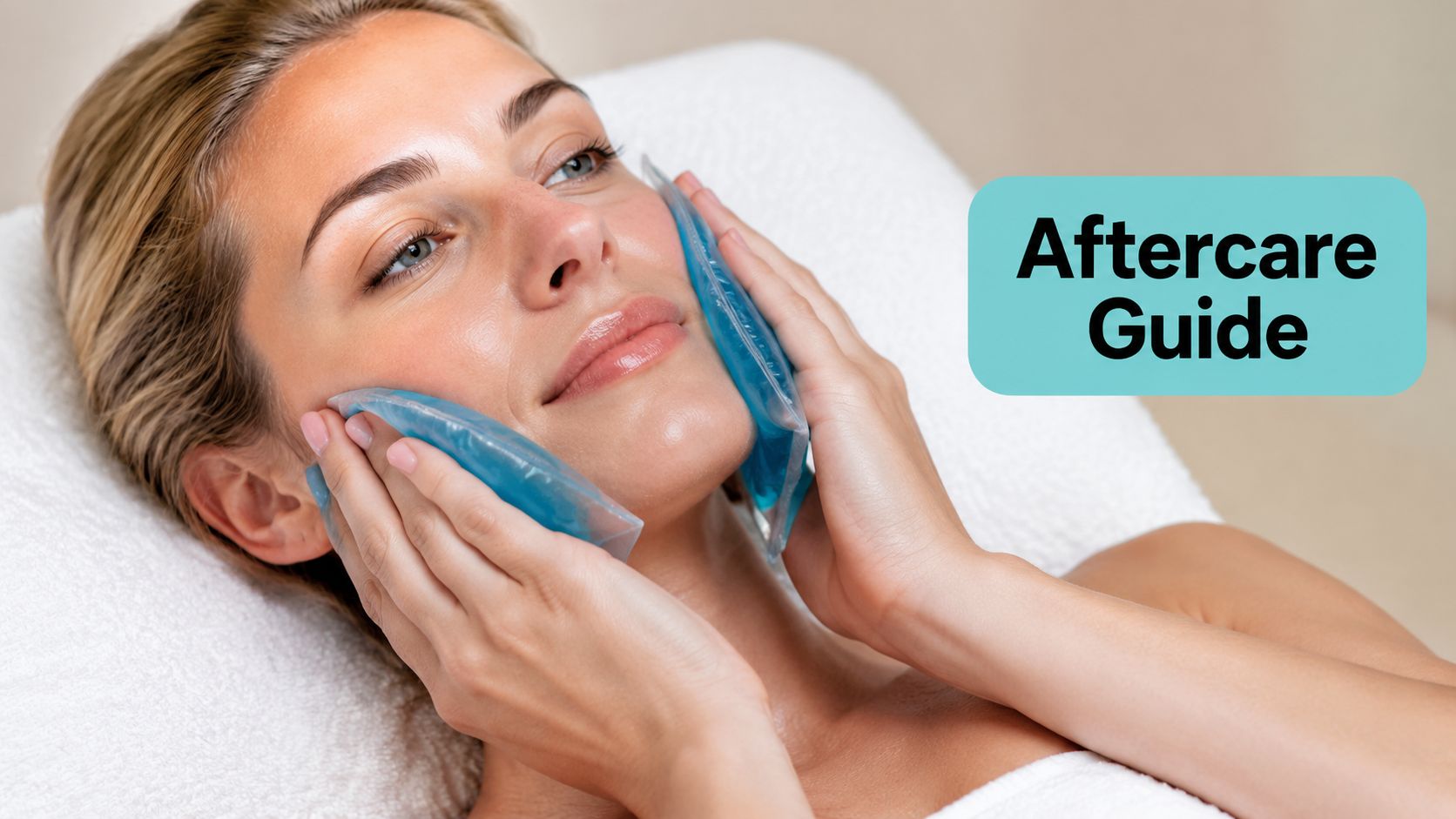
Master dermal fillers aftercare with do's and don'ts, swelling tips, activity limits and warning signs to protect your results and heal smoothly.

September 8, 2026
Ensuring Safety: Why Your Surgeon's Credentials Matter Most

Cape Cod Plastic Surgery offers expert cosmetic and reconstructive procedures in a safe, accredited setting. Led by Dr. Marc Fater, we combine advanced techniques with personalized care to help you look and feel your best.
Monday: 9:00 AM – 5:00 PM
Tuesday: 9:00 AM – 5:00 PM
Wednesday: 9:00 AM – 5:00 PM
Thursday: 9:00 AM – 5:00 PM
Friday: 9:00 AM – 5:00 PM