

October 7, 2026
What to Expect During Your Breast Surgery Recovery
A Practical Guide to Healing After Breast Surgery
Sep 3, 2026

Beginning your path toward breast reconstruction starts with an initial consultation, a process that is vital for your education and long-term satisfaction. With approximately 54% of women unaware of their full range of options, this appointment serves as the essential foundation for informed decision-making. At our clinic, we prioritize personalized, patient-centered care by evaluating your unique medical history, body anatomy, and aesthetic goals.
During your visit, your surgeon will perform a physical examination and discuss the differences between implant-based and autologous tissue reconstruction to determine which approach aligns with your health status. Unlike providers who may follow a one-size-fits-all model, our team focuses on meticulous surgical planning within an accredited facility to ensure safety. We encourage you to bring a prepared checklist of questions regarding timelines, recovery, and expected outcomes to help you feel confident and fully empowered throughout your journey.

Preparing for your breast reconstruction consultation is the first step toward reclaiming your confidence and achieving your surgical goals. At our surgical center, we emphasize that a successful outcome is rooted in thorough planning. Before arriving, complete any medical history questionnaires provided, as these documents assist our team in assessing your general health, medications, and any history of tobacco or supplement use which can influence breast reconstruction outcomes.
Your time during the consultation is valuable, and we recommend bringing a written list of questions to ensure all topics are addressed. According to the American Society of Plastic Surgeons, using a prepared checklist helps you fully understand surgical techniques, realistic outcomes, and recovery expectations. Patients often find it helpful to ask about the surgeon's specific experience with autologous tissue or implant-based methods, as well as the anticipated timeline for their unique case.
During your visit to our office, you can expect a physical examination where Dr. Marc Fater will evaluate factors such as skin quality and breast anatomy. This assessment, often accompanied by clinical photography for surgical planning, allows for a personalized approach that aligns with your aesthetic preferences. While some clinics may provide generic templates, our practice focuses on adapting the procedure to your unique physiological profile to ensure the most natural-looking results.

Selecting the right approach for your breast reconstruction requires a thorough understanding of the primary methods available. At our practice, we emphasize a comprehensive approach to determine which path best aligns with your unique anatomy and long-term aesthetic goals.
Breast reconstruction following a mastectomy typically involves either implant-based reconstruction or autologous tissue reconstruction, also known as flap surgery. Implant-based procedures utilize silicone or saline implants to restore breast volume, provided there is sufficient chest wall tissue for coverage. Autologous reconstruction uses your own tissue, such as skin, fat, and sometimes muscle, harvested from areas like the abdomen, back, thighs, or buttocks. Common flap techniques include the DIEP flap, which preserves abdominal muscle, the TRAM flap, and the latissimus dorsi (LD) flap. Your surgeon will recommend the most appropriate technique based on your unique anatomy, previous history of radiation, and personal preferences to ensure the best possible aesthetic and clinical outcome.
The timing of your procedure is equally critical. Reconstruction can be performed as an immediate procedure, happening alongside your mastectomy, or as a delayed procedure once you have recovered from initial cancer treatments. For patients who have undergone radiation therapy, autologous tissue reconstruction is often preferred. Radiation can cause capsular contracture and other complications in implants, whereas using healthy, non-irradiated tissue from your own body often yields more natural, long-lasting results.
While some practices may take a standardized approach, our surgical specialists evaluate every patient for specialized microsurgical options, such as the DIEP flap, to prioritize both function and physical appearance. Discussing these variables during your initial consultation is the best way to develop a safe and effective plan designed for your individual needs.
Selecting a surgeon for breast reconstruction is one of the most significant choices you will make in your recovery process. Our clinic prioritizes dedicated, patient-centered care led by board-certified expertise to ensure your peace of mind. A critical first step in verifying your provider is confirming they hold certification from the American Board of Plastic Surgery. This credential guarantees that the surgeon has undergone specialized training and adheres to rigorous safety standards.
Beyond certification, you should assess your surgeon's specific experience. Ask about their annual volume of reconstructive procedures and their proficiency with techniques such as autologous tissue transfer or implant-based methods. While some practices may offer limited techniques, our specialized surgical team emphasizes a comprehensive evaluation of your unique anatomy to recommend the approach most likely to achieve your aesthetic and functional goals. Requesting to see before-and-after photos of patients with similar profiles can help you set realistic expectations for your own results.
Do not overlook the psychological aspect of your journey. It is completely normal to feel preoperative stress or anxiety, and open communication with your surgical team is essential for emotional comfort. We encourage patients to bring a comprehensive checklist of questions to every consultation to ensure no concern goes unaddressed. Whether discussing the risks of surgery or managing recovery expectations, having a transparent, supportive partnership with your surgeon is the foundation of a successful outcome.

Preparing for breast reconstruction requires a proactive commitment to your physical well-being. At our center, we prioritize individualized, patient-centered care, guiding you through essential safety protocols including medication management and strict smoking cessation. You must stop taking aspirin, nonsteroidal anti-inflammatory drugs, and certain herbal supplements at least two weeks before surgery to mitigate bleeding risks per American Society of Plastic Surgeons guidelines. Eliminating nicotine intake for at least six weeks before and after your procedure is equally vital to prevent complications such as wound healing failure or infection, as noted by UCSF Health.
Optimizing your body for recovery involves nutritional support, such as increasing protein intake, which can improve your tissue repair capacity. Before you arrive at our facility, we recommend organizing your home environment to support a comfortable, sedentary recovery. This includes setting up an accessible space on the ground floor, keeping essential items within reach, and wearing loose, front-fastening clothing to accommodate your post-operative needs. While competitors may offer generalized surgical plans, we focus on customizing your breast reconstruction to your specific anatomy and recovery requirements.
Recovery timelines depend heavily on the chosen surgical approach. Implant-based procedures often involve a two-stage process with tissue expanders, while autologous flap surgery, such as the DIEP flap, generally requires a longer healing period due to the involvement of donor sites. Patients should anticipate an initial recovery phase of four to six weeks, though full healing and settling can take six to 12 months, per Johns Hopkins Medicine. During this time, you will receive clear instructions on wound care, drain management, and gradual activity resumption to ensure your safety.
Navigating the financial aspects of breast reconstruction is a vital step in your journey. In the United States, the Women’s Health and Cancer Rights Act of 1998 mandates that most group health insurance plans providing coverage for mastectomies must also provide coverage for breast reconstruction. This federal protection applies whether the reconstruction occurs immediately during a mastectomy or years later, and it frequently includes procedures on the non-affected breast to achieve symmetry.
While federal laws provide a framework for care, specific coverage details such as deductibles, co-pays, and coinsurance vary by plan. At our administrative office, our team works closely with you to verify your benefits and explain your financial responsibilities. Unlike some larger practices where administrative support is fragmented, we prioritize direct communication to ensure you have a transparent view of your coverage before proceeding.
It is important to note that public programs like Medicare and Medicaid operate under different guidelines than private group plans. Furthermore, some specialized or government-exempt plans may have unique coverage limitations. If you encounter financial barriers, organizations such as the Alliance in Reconstructive Surgery (AiRS) Foundation or the Patient Advocate Foundation may provide resources to support your access to care.
Your path to breast reconstruction is a deeply personal experience, and thorough preparation remains your most effective tool. By bringing a prepared list of questions to your consultation, you ensure that every choice aligns with your long-term health and aesthetic goals. Whether you are discussing the nuances of autologous tissue or implant-based techniques, clarity is essential for your peace of mind.
Confidence begins with selecting a board-certified plastic surgeon who prioritizes your individual safety. At our surgical clinic, we emphasize a patient-centered approach that honors your unique anatomy and history. While some practices treat reconstruction as a standardized protocol, our commitment is to provide tailored guidance that addresses your specific needs, comfort, and desired outcomes.
Taking the next step is about moving forward with clarity. As you engage with our reconstructive experts, you will find a dedicated partner focused on supporting your recovery and restoring your confidence. Your journey toward a renewed sense of self is a process, and you are not alone in making these important decisions.
October 7, 2026
A Practical Guide to Healing After Breast Surgery

October 6, 2026
Your Safety Guide: What to Look for When Choosing a Plastic Surgeon
October 5, 2026
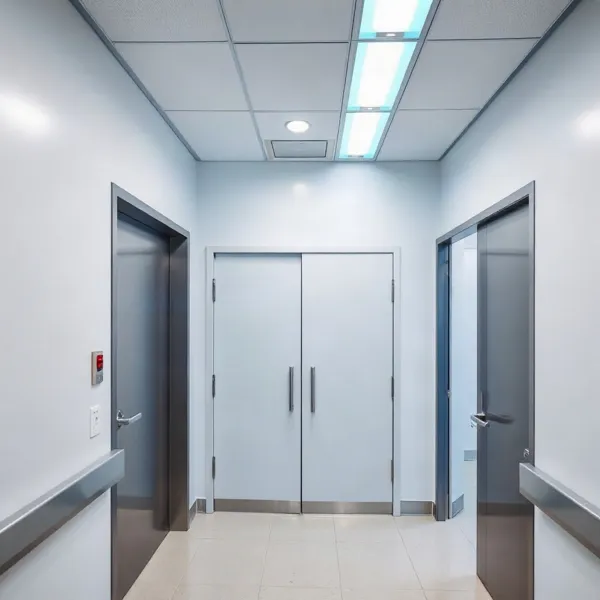
Why Our On-Site Accredited Facility Matters for Your Safety
Cape Cod Plastic Surgery offers expert cosmetic and reconstructive procedures in a safe, accredited setting. Led by Dr. Marc Fater, we combine advanced techniques with personalized care to help you look and feel your best.
Monday: 9:00 AM – 5:00 PM
Tuesday: 9:00 AM – 5:00 PM
Wednesday: 9:00 AM – 5:00 PM
Thursday: 9:00 AM – 5:00 PM
Friday: 9:00 AM – 5:00 PM