
September 9, 2026
How to Care for Surgical Incisions Properly
Expert Guide to Proper Surgical Incision Care
May 5, 2026

Many patients arrive at a consultation with a familiar list of concerns: sun damage from years on the Cape’s beaches, stubborn redness, brown spots, fine wrinkles, or acne scars left behind by teenage years.
The following stories from real patients chose this path. Their stories reflect the personalized, attentive care offered by the practice’s board‑certified surgeons from initial consultation through healing. They show how Cape Cod Plastic Surgery designed treatment plans that address the specific skin concerns each woman brought through the door.
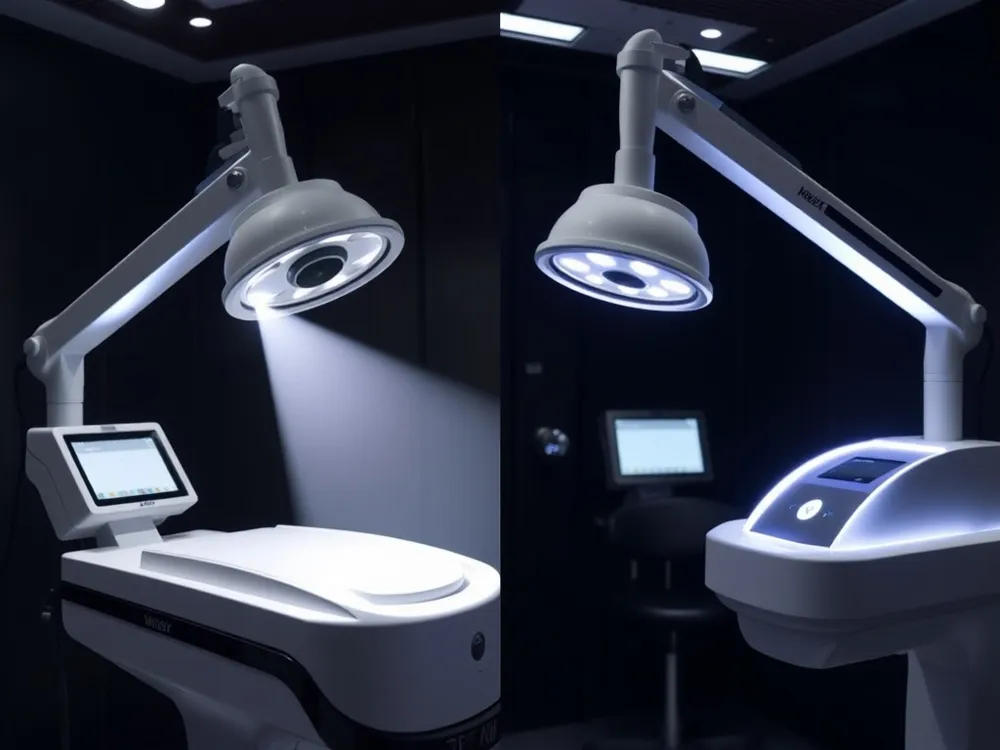
Ablative lasers (CO₂ or erbium) remove the outer skin layer and heat the dermis, producing strong results for deep wrinkles and scars in one or two sessions — but recovery takes up to two weeks. Non‑ablative lasers, such as Fraxel, heat deeper layers without disturbing the surface, offering gentler improvement of fine lines and texture with minimal downtime. However, they require multiple treatments (typically 3–5) spaced weeks apart for gradual, natural-looking effects. At Cape Cod Plastic Surgery, Dr. Marc Fater and his team assess each patient’s skin concerns and tolerance for recovery, guiding them toward the most effective approach — whether ablative for dramatic correction or non‑ablative for a quick return to daily life.
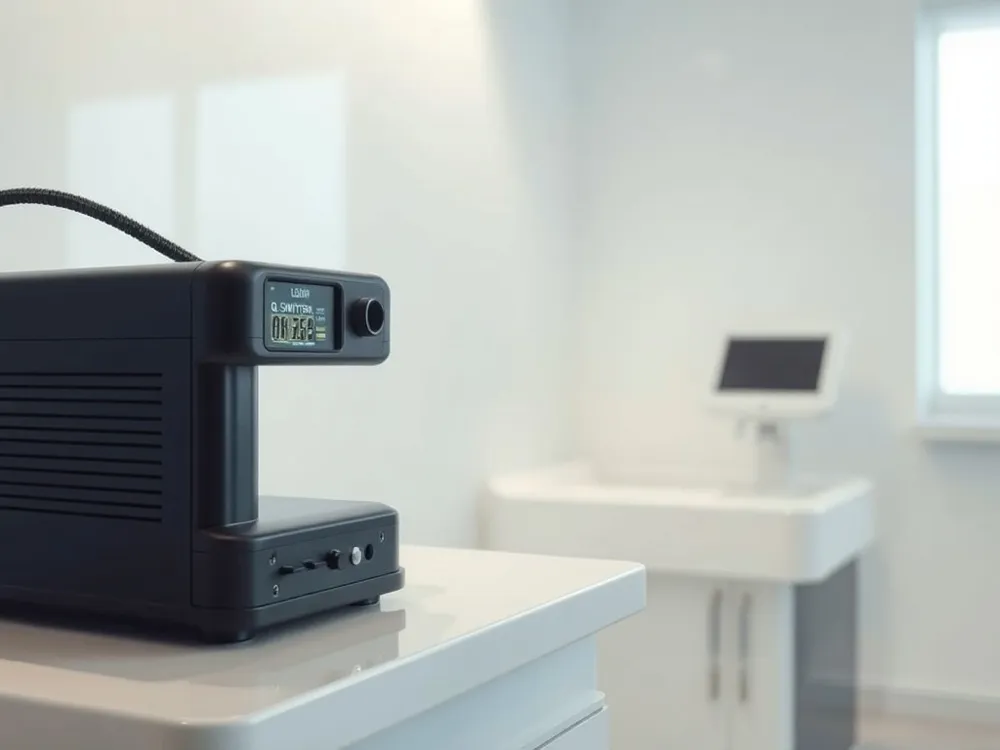
Non-invasive laser treatments, such as those for the face, offer smoother texture, more even tone, and reduction of fine lines, wrinkles, and acne scars by stimulating collagen deep within the skin without surgery. They treat pigmentation like age spots and sun damage with minimal downtime. Most patients return to daily activities immediately, and any redness can be covered with makeup. Results appear gradually over months, and a series of sessions, typically four to six, is recommended for optimal improvement. These treatments are considered safe for a safe path to a younger-looking complexion.
Ashley, a 32-year-old restaurant owner, chose a non-invasive laser treatment to address brown spots on her face. She underwent a session with a Q-switched Alexandrite laser, a device known for safely targeting pigmented lesions. Despite her concerns, Ashley reported the procedure was less painful than laser hair removal and did not require topical anesthetic, describing the discomfort as very manageable. She experienced only mild sensation.
Her recovery was rapid. Redness and swelling resolved by the next day, and the treated spots sloughed off within eight days, revealing clearer skin underneath. She was treated by a board-certified dermatologist at a reputable medical center, underscoring the importance of professional care. Ashley's experience highlights how a straightforward, non-invasive laser session can effectively clear unwanted pigmentation with minimal disruption to daily life.
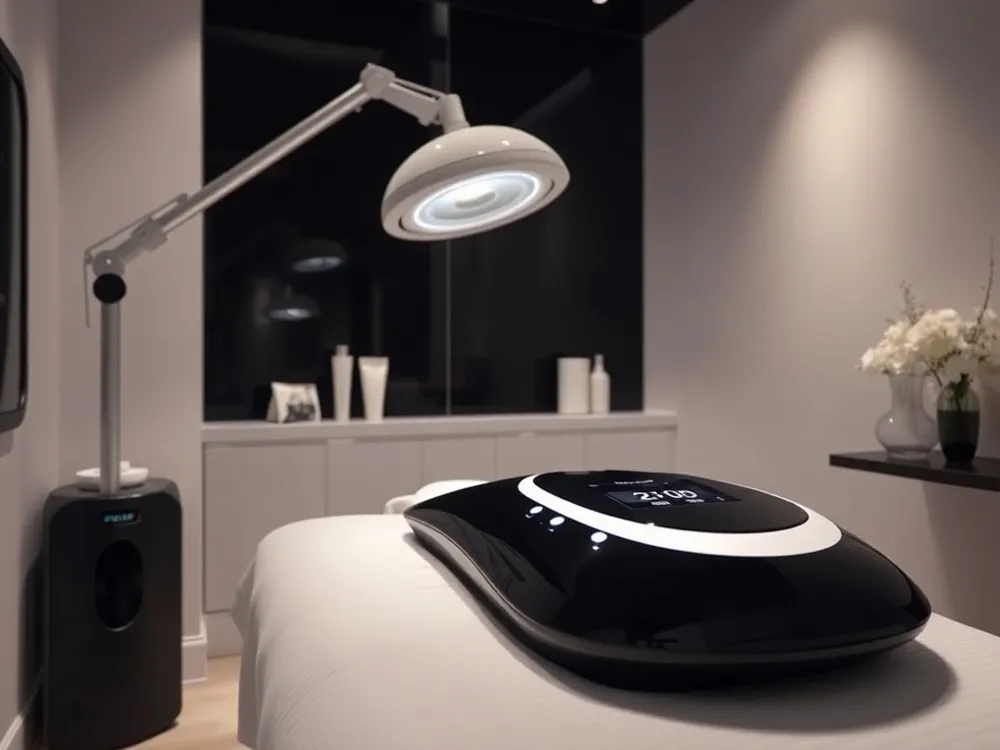
At 38 years old, she underwent full-face resurfacing using the Fraxel:Dual laser to address discoloration, dullness, and early signs of wrinkling. She experienced irritation during the procedure despite the use of numbing cream. In the days following treatment, she dealt with dryness, peeling, and a pink, sensitive new layer of skin. By day eight, this sensitivity had notably improved, revealing smaller pores and a younger overall appearance.
The side effects and drawbacks of laser therapy vary depending on the type and intensity of the laser used. Common temporary side effects include redness, swelling, and irritation, which many patients compare favorably to the longer downtime required for ablative laser procedures. Kate’s experience with Fraxel:Dual—irritation during treatment and dryness, and peeling after the procedure—is typical for fractional non-ablative resurfacing. More serious but rare risks include burns, changes in skin pigmentation, infection, or eye injury. For darker skin tones, providers must select appropriate laser settings to minimize the risk of post-inflammatory hyperpigmentation or hypopigmentation. Non-ablative approaches generally carry a lower risk of these complications compared to ablative methods.
Proper aftercare, such as diligent sun protection and gentle moisturizing, is essential to manage temporary side effects and protect results. While the initial recovery period can be uncomfortable, many patients, like Kate, find the visible improvement in skin tone and texture justifies brief downtime.
Frances, an early‑40s adventure traveler, underwent Gemini laser treatment for broken capillaries and V‑beam for redness. She reported only mild snapping‑rubber‑band discomfort without numbing cream and a brief windburn‑like sensation afterward. After recovery, her skin appeared fresher and required no makeup. Post‑treatment, avoid sun exposure, strenuous exercise, hot showers, and harsh skincare products for several days. Do not pick peeling skin. Frances’ results highlight the convenience of non‑invasive laser care.
Non-invasive laser lipo uses laser energy to heat and disrupt stubborn fat cells, which the body then naturally eliminates. Clinical studies show measurable fat reduction of 6% to 35% per treated area, with an average waist-circumference decrease of about 2 cm after four weeks.
These results are modest and intended for body contouring—not weight loss. Multiple sessions are often needed to target persistent fat pockets. Recovery is quick; most patients resume normal activities within a day or two, with a lower complication rate than surgical liposuction. The procedure is best for individuals near their ideal weight who want to refine trouble spots.
Several non‑invasive technologies offer alternatives to surgical liposuction. CoolSculpting® Elite uses controlled cooling (cryolipolysis) to freeze and destroy fat cells, treating up to twice the area per session compared with earlier models. Emsculpt NEO combines high‑intensity focused electromagnetic energy with radiofrequency to simultaneously reduce fat (up to 30 %) and increase muscle thickness (up to 25 %) after four weekly treatments. truSculpt iD applies monopolar radiofrequency to heat and destroy fat while providing skin tightening, typically requiring one to five sessions. SculpSure employs laser‑based heat to liquefy fat cells, with results visible after two to four treatments spaced a month apart. All four procedures are safe, involve minimal to no downtime, and do not require anesthesia. Long‑term results depend on maintaining a stable weight and healthy lifestyle.
Laser treatments for the face broadly fall into two categories: ablative and non-ablative. Ablative lasers remove the outer layer of skin to stimulate collagen production, while non-ablative lasers work beneath the skin’s surface to tighten and rejuvenate without removing skin. Specific types include CO2 fractional laser, Fraxel, and Morpheus8. At Cape Cod Plastic Surgery on Cape Cod, patients have access to a full range of these FDA-cleared options, as verified by high patient ratings.
Patients consistently report strong satisfaction with their laser treatments at Cape Cod Plastic Surgery. One Google reviewer, Brian Albee, noted, "I have been seen several times for laser for sun damage. The laser tech, Mike, is sensitive and professional. I highly recommend." Another patient posted a 5.0-star Google review, emphasizing exceptional care and life-changing results. These experiences reflect the skill of board-certified plastic surgeons Dr. Seth Jones and Dr. Michael Loffredo. The practice's focus on personalized and patient-centered care has earned it the Best of Cape Cod award for 11 consecutive years (2014–2024). This consistent recognition reinforces the clinic's reputation as a trusted provider of non-invasive treatments in Hyannis.
Non-ablative lasers work by design to deliver energy to the dermis while leaving the epidermis untouched. This approach makes them an excellent option for patients who want skin firmness or fine wrinkles without prolonged downtime. Unlike ablative lasers, which remove the outer skin layer, these treatments generate minimal surface disruption and require no peeling or scaling.
Morpheus8 uses radiofrequency microneedling to tighten deeper tissue layers, making it the more effective choice for jowls and jawline laxity. CO2 Fraxel laser is better suited for dramatic resurfacing but involves a longer recovery. Morpheus8 typically achieves results with 1-3 sessions spaced weeks apart.
The laser energy stimulates fibroblasts in the dermis to produce new collagen and elastin. Common wavelengths target different concerns:
The answer depends on skin type and desired downtime tolerance. For deep wrinkles, fractional CO2 lasers provide powerful collagen stimulation but carry a hypopigmentation risk for darker skin. Erbium lasers treat moderate wrinkles with lower color‑change risk. Non‑ablative fractional lasers like Fraxel require multiple sessions for gradual improvement with minimal downtime, suitable for all skin types. *
Fractional non‑ablative lasers create microscopic columns of thermal injury while preserving surrounding healthy tissue. This design promotes rapid healing and collagen remodeling, yielding uniform improvement in skin texture and tone. **
Results are gradual. Most patients need 2–5 sessions spaced weeks apart for noticeable improvement of fine lines, texture, and firmness. A single session may produce subtle changes, but best outcomes require multiple treatments to deliver cumulative results.
Fractional CO2 laser alone is generally more effective for deep scars because it triggers significant collagen remodeling. However, combining CO2 with platelet‑rich plasma (PRP) can enhance texture improvement and shorten recovery time. A customized plan often incorporates both modalities.
Yes, Class IV laser therapy uses photobiomodulation to deeply penetrate muscle and tendon tissue, reducing inflammation and accelerating cellular repair. It provides pain relief and healing support without surgery but is not a substitute for repair of full‑thickness tears. It works best alongside physical therapy.
| | ** Mechanism** | ** Ideal For** | ** | ** Recovery &** | |-------------------|--------------------------------------|--------------------------------|------------------------------------|------------------------------| | 1319 nm | Pulsed energy fibroblast | Fine wrinkles, acne scarring | Minimal, same‑day return | | 1320 nm nd:yag | Water absorption, collagen | Wrinkle reduction, scar remodeling | Low risk for all skin types | | 1450 nm diode | Selective heating of glands | Inflammatory acne, mild scarring | Temporary redness, swelling | | Fractional | Microscopic columns, healing | Texture, uneven tone, scarring | Multiple sessions required | | Class IV | Deep tissue penetration | Tendon, muscle injuries | With physical therapy |
Immediately after laser treatment, keep the area moisturized and avoid sun exposure. Apply broad-spectrum SPF 30+ daily, even on cloudy days — Cape Cod Plastic Surgery offers medical-grade SPF to protect your investment.
Avoid retinol and harsh skincare products for four to six weeks. Do not pick or scratch peeling skin, as this can cause scarring. Over time, maintenance sessions may be needed to sustain your results.
Real patient stories show that non‑invasive lasers safely treat wrinkles, sun damage, and uneven texture. At Cape Cod Plastic Surgery, you begin with a personalized consultation to design your treatment plan. Board‑certified surgeon Dr. Marc Fater and the team serve Hyannis, Plymouth, and Sandwich. With 11 consecutive Best of Cape Cod awards and a 5.0‑star Google rating, our practice has earned lasting trust. Laser rejuvenation offers significant improvement without surgery and minimal downtime, guiding you toward a more confident, youthful appearance.
September 9, 2026
Expert Guide to Proper Surgical Incision Care
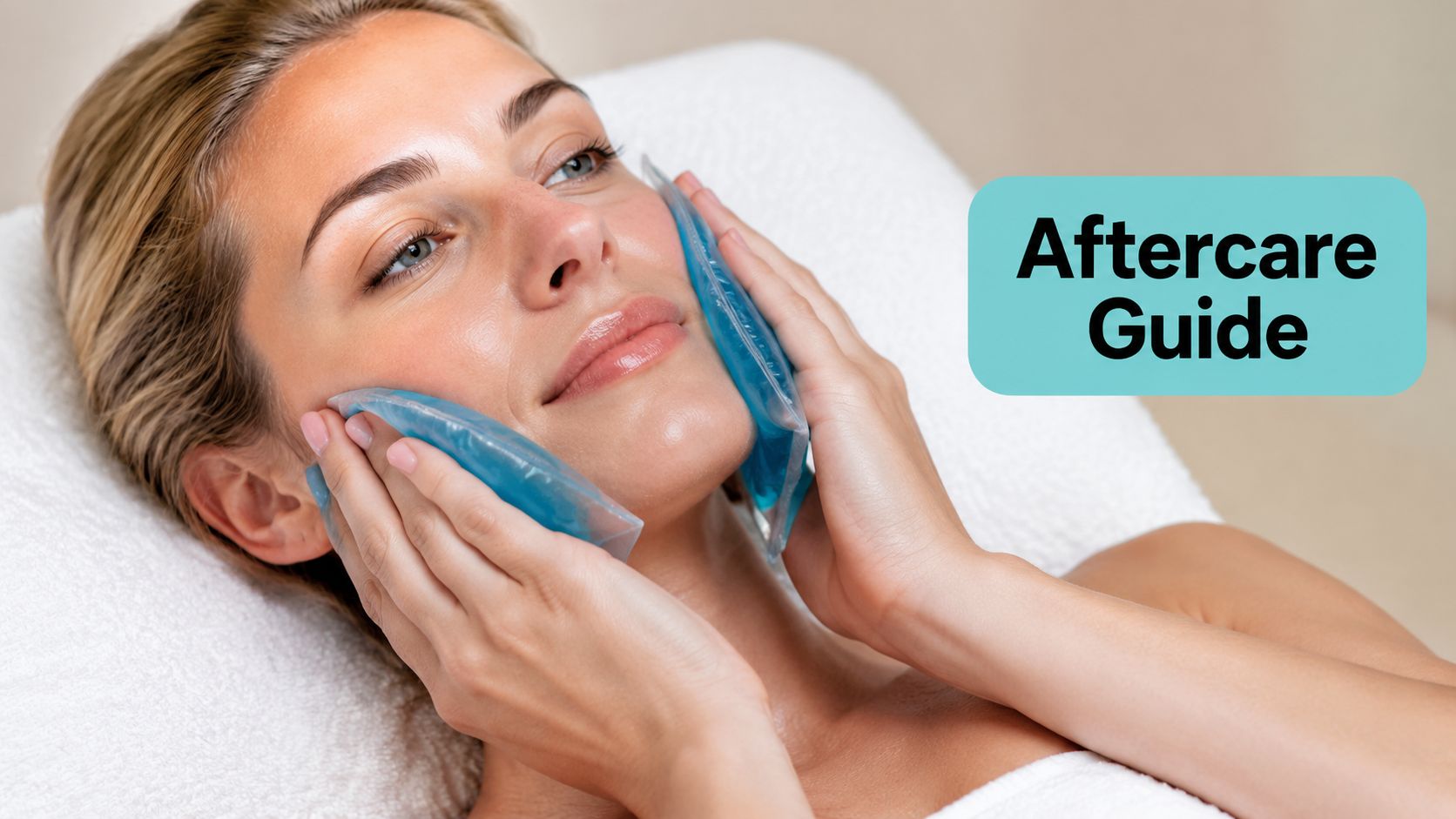
Master dermal fillers aftercare with do's and don'ts, swelling tips, activity limits and warning signs to protect your results and heal smoothly.

September 8, 2026
Ensuring Safety: Why Your Surgeon's Credentials Matter Most

Cape Cod Plastic Surgery offers expert cosmetic and reconstructive procedures in a safe, accredited setting. Led by Dr. Marc Fater, we combine advanced techniques with personalized care to help you look and feel your best.
Monday: 9:00 AM – 5:00 PM
Tuesday: 9:00 AM – 5:00 PM
Wednesday: 9:00 AM – 5:00 PM
Thursday: 9:00 AM – 5:00 PM
Friday: 9:00 AM – 5:00 PM