

September 9, 2026
How to Care for Surgical Incisions Properly
Expert Guide to Proper Surgical Incision Care
Feb 3, 2026

Patient transformation stories provide a powerful insight into the life-changing impact of plastic surgery. Individuals like Alexandra and others who have experienced massive weight loss illustrate not only physical changes but also profound emotional improvements.
Patients often face a complex journey involving both challenges and triumphs. After dramatic weight loss through procedures like bariatric surgery, many encounter excess skin and require further reconstructive surgery to regain confidence and function.
This journey is marked by personalized care, expert surgical techniques, and comprehensive postoperative support such as supervised recovery and specialized therapies. These elements contribute to enhanced mobility, ease of daily activities, and renewed self-esteem, ultimately improving overall quality of life.
Bariatric surgery for weight loss is a life-changing option for individuals facing severe obesity. Procedures like gastric banding procedure or stomach reduction surgery help initiate significant weight loss. However, this surgery is not a standalone solution; it requires commitment to a healthy lifestyle post-surgery involving diet and exercise to ensure lasting results.
At just 32, Alexandra's weight loss journey saw her lose 130 pounds following bariatric surgery. This remarkable achievement marked the start of her transformation but also brought the challenge of excess skin and sagging tissue. To address this, she chose a body lift surgery for excess skin at Colorado Plastic Surgery Center. Her recovery was carefully managed with overnight supervision and peri-operative massage benefits aiding healing.
Alexandra's weight loss journey underscores the importance of patient-centered cosmetic surgery care. Led by double board-certified Dr. Nick Slenkovich plastic surgeon, her team provided expert guidance tailored to her needs. Six months post-surgery recovery left Alexandra feeling renewed vitality, enjoying activities like yoga and chasing her children—outcomes reflecting comprehensive care beyond surgery.
A good patient story resonates by highlighting the individual's personal journey, including their initial concerns, challenges, and how the treatment impacted their life. Authentic details about their experience—such as feelings of relief, increased confidence, or overcoming fears—bring depth and relatability. Including specific interactions with the healthcare team demonstrates the patient-centered cosmetic surgery care and trust built throughout the process. Rather than overt praise, the story subtly reflects the quality of care through the patient's evolving experience. Ultimately, it leaves readers inspired and confident in the practice’s compassionate, effective treatment.
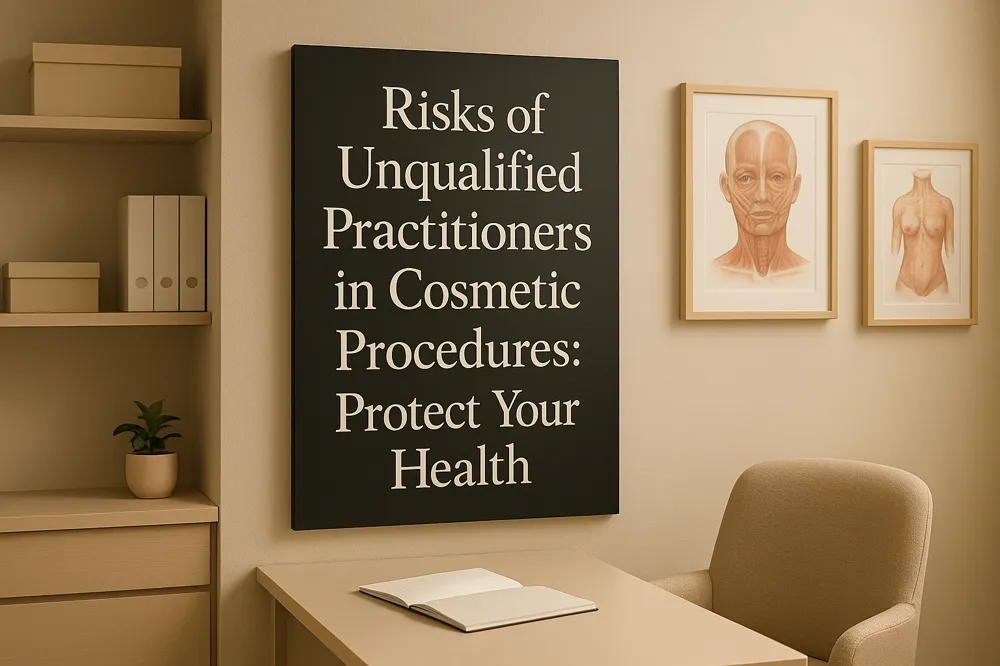
Undergoing cosmetic procedures with unqualified practitioners carries serious risks. As highlighted in Carol's Story on Plastic Surgery, using non-FDA approved substances or poor surgical techniques can lead to severe complications such as facial distortion, disfigurement, and long-term health issues. These outcomes can dramatically impact a patient's quality of life and emotional well-being.
The American Society of Plastic Surgeons strongly recommends patients seek care only from board-certified plastic surgeons who are members of their society. Board certification assures expertise, rigorous training, and adherence to the highest standards of patient safety, surgical skill, and professionalism. Facilities that are accredited and equipped with proper resources further enhance the safety and success of cosmetic procedures.
Informed decisions are crucial in cosmetic surgery. Patients should utilize educational tools such as before-and-after photo galleries, videos, and 3D animations available on trusted websites. These resources help patients understand what to expect realistically, assess potential outcomes, and better communicate with their surgeons. See Educational Resources on Plastic Surgery.
The regret rate varies depending on procedure type and surgeon experience. Research shows a relatively low regret rate when cosmetic surgeries are performed by experienced, board-certified surgeons in accredited facilities. One study found 65% of patients regretted their surgery, while 28% were highly satisfied, with 83% unwilling to undergo further procedures. This underscores the importance of managing expectations, selecting reputable surgeons, and thorough consultation to minimize regret and enhance satisfaction.
Choosing a board-certified plastic surgeon protects patients from avoidable risks, enhances surgical outcomes, and supports overall patient safety and satisfaction.

Numerous patients have experienced remarkable transformations following significant weight loss, often involving excess skin removal. Alexandra's weight loss journey, a 32-year-old mother, lost 130 pounds through bariatric surgery for weight loss and subsequently underwent a comprehensive body lift surgery for excess skin to remove sagging tissues. Similarly, patients like Matt Schleicher's weight loss surgery and Yolanda Evans plastic surgery journey, who lost over 200 pounds, have sought reconstructive procedures to improve their body contour and overall appearance.
Reconstructive surgeries, such as body lifts and excess skin removal, play a vital role in enhancing patients’ quality of life after massive weight loss. Beyond aesthetic improvement, these procedures help restore physical comfort and functionality. For example, Alexandra reported that post-surgery, activities like chasing her children and practicing yoga became more enjoyable and less physically taxing. The specialized care provided, including postoperative care and massage therapy and 24-hour monitoring, supports optimal recovery and health outcomes.
Patient experiences extend well beyond the physical transformation. The emotional benefits include increased confidence and a positive self-image, as described in the emotional benefits of weight loss surgery. Documentation of these journeys through massive weight loss transformation video and photos provides insight into the profound impact of these procedures. Positive patient-centered cosmetic surgery care, such as that offered by Dr. Nick Slenkovich plastic surgeon at Colorado Plastic Surgery Center, ensures a supportive, trustworthy environment tailored to individual needs.
Patient experience encompasses all interactions influencing a person’s perception of care—from clinical encounters with healthcare providers to the clarity of communication and ease of navigating the system. A positive experience builds trust and satisfaction, contributing to better health outcomes. In reconstructive surgery, personalized attention, thorough consultation, and careful postoperative care are crucial elements shaping patients’ journeys toward improved wellbeing. For related Plastic surgery patient stories at UPMC including Real patient experiences in Pittsburgh, PA, these stories highlight Post-weight loss body contouring patients and successful outcomes following Excess skin removal procedures.

To craft a compelling patient success story, start by gaining a thorough understanding of the patient's medical condition and the treatments they underwent. This foundational knowledge allows the story to be both accurate and informative.
Conduct personal interviews with the patient to capture their firsthand experience, motivations, and emotional journey. These interviews reveal the transformative impact of the treatment, as seen in cases like Alexandra's weight loss journey and body lift surgery.
Equally important is consulting medical experts involved in the patient's care. Their input ensures the narrative reflects clinical correctness and highlights advanced surgical techniques and personalized patient-centered cosmetic surgery care.
Organize collected details into a clear, engaging narrative that balances inspiration with factual accuracy. It should illuminate not only the physical outcomes but also improvements in quality of life and emotional well-being.
Patient interviews provide authenticity and a personal viewpoint that resonates with audiences seeking reassurance and hope. Meanwhile, expert commentary adds credibility and educates readers on safe, trusted procedures led by board-certified plastic surgeons recommended by ASPS.
For example, surgeons like Dr. Nick Slenkovich plastic surgeon guide the story with their expertise, ensuring it communicates both the possibilities and limitations of plastic surgery.
While stories can motivate prospective patients, it is crucial to maintain honesty about the risks and realistic outcomes. Sensitivity to patient privacy and emotional states helps create respectful content.
Incorporating visual tools such as photos and videos, as advised by the American Society of Plastic Surgeons, further helps patients understand procedures fully and set appropriate expectations.
This balanced approach fosters trust and encourages informed decisions, ensuring that patient success stories serve as both educational materials and sources of encouragement.
| Aspect | Description | Example |
|---|---|---|
| Understanding Condition | In-depth knowledge of patient's medical background | Alexandra's bariatric surgery and body lift |
| Patient Interviews | Capturing personal experience and emotions | Alexandra's recount of daily activities improvements after surgery |
| Expert Input | Clinical accuracy and treatment details | Dr. Slenkovich's guidance on surgery and recovery |
| Narrative Organization | Clear, engaging, and respectful storytelling | Combining medical data with emotional journey |
| Accuracy & Sensitivity | Honest portrayal of risks and outcomes with privacy respect | Highlighting benefits while showing realistic expectations with Carol's story on plastic surgery risks |

Patient stories transform healthcare from a collection of clinical facts to personal journeys, making medical experiences relatable and emotionally impactful. For example, Alexandra's weight loss journey after bariatric surgery for weight loss highlights not just the procedural success but the emotional and functional improvements she experienced, like enjoying yoga and playing with her children. Such narratives help healthcare providers and the public empathize more deeply with the patient's perspective beyond statistics.
Narratives from patients expose both triumphs and challenges in healthcare. Carol's story on plastic surgery risks, which warns of the risks of undergoing procedures with unqualified practitioners, underscores the critical importance of trusting board-certified plastic surgeons and choosing FDA-approved treatments. Sharing these experiences promotes patient safety advocacy and drives improvements in clinical practices and regulatory standards.
Hearing real patient experiences encourages individuals to actively participate in their care decisions and seek personalized treatment plans tailored to their unique needs. Stories like Alexandra's weight loss journey demonstrate how follow-up care, such as postoperative care and massage therapy and surgical supervision, enhances recovery. This patient-centered cosmetic surgery care fosters trust and empowers patients to collaborate closely with their healthcare teams.
Patient stories serve as bridges between clinical science and human experience, promoting empathy, advocacy, and individualized care that ultimately empower patients and elevate healthcare quality.
Patients like Alexandra and Richard have undergone transformative procedures such as bariatric surgery and specialized treatments for conditions like fat pad atrophy. These journeys highlight a critical interplay between advanced surgical techniques and personalized care plans tailored to individual needs.
Trust in expertise is paramount. Choosing board-certified plastic surgeons, such as those affiliated with renowned centers, ensures access to safe, FDA-approved treatments and expert guidance. This trust supports not only physical outcomes but also emotional well-being, empowering patients to embrace new lifestyles with confidence.
Together, patient determination and expert care form the foundation for successful, life-enhancing transformations.
September 9, 2026
Expert Guide to Proper Surgical Incision Care

Master dermal fillers aftercare with do's and don'ts, swelling tips, activity limits and warning signs to protect your results and heal smoothly.

September 8, 2026
Ensuring Safety: Why Your Surgeon's Credentials Matter Most
Cape Cod Plastic Surgery offers expert cosmetic and reconstructive procedures in a safe, accredited setting. Led by Dr. Marc Fater, we combine advanced techniques with personalized care to help you look and feel your best.
Monday: 9:00 AM – 5:00 PM
Tuesday: 9:00 AM – 5:00 PM
Wednesday: 9:00 AM – 5:00 PM
Thursday: 9:00 AM – 5:00 PM
Friday: 9:00 AM – 5:00 PM