

September 9, 2026
How to Care for Surgical Incisions Properly
Expert Guide to Proper Surgical Incision Care
May 2, 2026

For anyone considering a facial procedure, the single most important factor in achieving long-term satisfaction is the foundation of realistic expectations. The most fulfilling results are not about seeking perfection, but about understanding what is surgically possible and aligning your personal goals with that reality. This understanding transforms a consultation from a simple conversation into a strategic partnership, ensuring your journey is rewarding from the first appointment through the final healing stage.
Patient dissatisfaction rarely stems from a technical error; it nearly always arises from a mismatch between what was hoped for and what was achieved. Setting realistic expectations is vital because procedures are designed for improvement, not perfection. Human faces have natural asymmetries, and the goal of skilled surgery is to create a refreshed, harmonious version of you, not a flawless or entirely different face. Patients who understand this consistently report higher satisfaction, even when navigating minor imperfections during healing.
Furthermore, the timeline for final results is often underestimated. It is not realistic to judge the outcome immediately after surgery. After the initial swelling and bruising subside over the first few weeks, residual swelling can obscure the final result for months. For procedures like rhinoplasty, it can take 12 to 18 months for the nose to fully settle into its final shape. Understanding this gradual process prevents unnecessary anxiety and helps you appreciate the evolving improvement.
The consultation is your most powerful tool for building realistic expectations. To make the most of this essential meeting, come prepared. Start by researching the procedure you are considering, including its typical outcomes and recovery timeline. A well-informed patient can ask more precise questions and engage in a more productive dialogue.
Bring a list of specific questions to ask your surgeon. Essential inquiries include: "Am I a good candidate for this specific procedure?" and "What are the realistic outcomes for my unique facial features and skin type?" Ask to see the surgeon's own before-and-after photo gallery, specifically looking for patients with similar facial structures and goals. This is far more valuable than photos of celebrities or heavily filtered online images. During the physical exam, be open to the surgeon’s expertise. They will assess your skin quality, bone structure, and tissue elasticity to recommend the technique that will work best with your anatomy, which may differ from what you initially imagined.
During your consultation, you will discuss your motivations, concerns, and desired outcomes. The surgeon will perform an evaluation to determine your candidacy. Be honest about your medical history, including any medications, supplements, or past procedures. This is also the time to discuss vital logistical details such as the total cost of the procedure (including anesthesia, facility, and follow-up fees), the expected recovery timeline, and the potential risks and limitations.
It is equally important to reflect on your internal motivations. The best surgical candidates are those who are otherwise happy with themselves but dislike a specific, correctable feature. Seeking surgery to resolve deeper psychological or interpersonal issues, or to please another person, often leads to disappointment. A reputable surgeon will be attentive to your mental well-being and may even discuss your readiness for the emotional journey of surgery. If your expectations seem too high or rooted in external pressures, they may gently realign them or, if necessary, recommend that you delay the procedure.
Managing your expectations is an ongoing process, not a one-time event. The recovery period is often the most challenging phase for managing expectations. Be prepared for a normal emotional rollercoaster. It is common to feel doubt or temporary regret during the early, swollen stages of healing. Give yourself grace and time to adjust to your changing appearance. Remember that swelling rarely resolves symmetrically, which can cause temporary imbalances that are a normal part of the healing process.
If, after adequate healing—typically at least 12 months for most facial procedures—you have specific concerns that were not met, schedule a follow-up discussion with your surgeon. Bring clear photos and specific points for comparison. This open dialogue can help determine if a revision is appropriate. Ultimately, satisfaction comes from focusing on meaningful improvement in the features that matter most to you, understanding that surgery is a powerful tool for enhancement within the framework of your unique anatomy. The table below summarizes key considerations for a successful experience.
| Consideration | What It Means for You | Why It Matters for Satisfaction |
|---|---|---|
| Realistic Goals | Aim for a refreshed, natural-looking version of yourself, not perfection. | Prevents disappointment and focuses on achievable, meaningful improvements. |
| Consultation Preparation | Bring questions, photos, and a complete medical history to your meeting. | Ensures a productive dialogue and personalized treatment plan. |
| Recovery Timeline | Expect swelling for weeks; final results for many facial procedures take up to a year. | Manages emotional well-being and reduces anxiety during healing. |
| Surgeon Partnership | Find a board-certified surgeon you trust and can communicate with openly. | Establishes a collaborative relationship for safe, successful outcomes. |
| Emotional Readiness | Ensure your surgery is for you, not to fix a relationship or please someone else. | Leads to realistic expectations and a healthier perspective on the change. |

Realistic expectations are crucial for patient satisfaction in plastic surgery. Unrealistic expectations can lead to disappointment and dissatisfaction with the results. It is essential for patients to have a clear understanding of what can be achieved through surgery and to discuss their goals and concerns with their surgeon.
To prepare for a plastic surgery consultation, patients should research their chosen procedure and the surgeon's qualifications, ensuring they are board-certified. They should prepare a list of specific questions about risks, recovery, and expected outcomes, and bring their medical history and current medications. By being informed and prepared, patients can make the most of their consultation and set realistic expectations for their surgery.

To establish trust and set realistic expectations, you must ask targeted questions. Inquire about the surgeon's board certification by the American Board of Plastic Surgery (ABPS) and their specific experience with your desired procedure. Requesting to see before-and-after photos of patients with similar features is vital for gauging potential outcomes. Additionally, ask for a detailed explanation of the procedure, including specific risks, recovery timeline, and the full cost breakdown. Understanding the surgeon's revision policy is also essential for your peace of mind.
A productive consultation relies on honest and open communication, but some statements can be counterproductive. Avoid criticizing a previous surgeon, as this may signal that you are difficult to please. Do not demand to look exactly like a celebrity or a filtered photo; such requests are based on unrealistic expectations and fail to account for individual anatomical differences. Instead, focus on how you want to look like a refreshed, enhanced version of yourself, which allows the surgeon to create a safe and achievable plan.
| Preparation Step | What to Do | Why It Matters |
|---|---|---|
| Research | Verify ABPS board certification and review the surgeon's online gallery for patients with your body type. | Ensures you choose a qualified expert whose aesthetic aligns with your goals. |
| Personal Goals | Use the “mirror test” to identify specific features you like or want to improve. | Helps you articulate clear, realistic goals to your surgeon. |
| Logistics | Bring a list of medications, medical history, and a notepad for taking notes. | Provides the surgeon with essential safety information and helps you remember key details. |
All surgical procedures carry potential risks. These include infection, scarring, and complications from anesthesia. For facial procedures, temporary side effects like bruising and swelling are normal, but final results take months to appear. A major disadvantage is the possibility of unsatisfactory results if realistic expectations for plastic surgery are not aligned with what is surgically achievable. Financially, most cosmetic surgeries are paid out-of-pocket and require time off work for recovery. Furthermore, surgery cannot fix deeper issues like relationship problems, and dissatisfaction can negatively impact mental health if expectations are unmet.
Plastic surgery offers significant benefits, foremost being an enhanced appearance and a boost in self-confidence. It can correct functional problems, such as improving breathing from a deviated septum or alleviating back pain from overly large breasts. For many, the results lead to a better quality of life and a refreshed, more youthful look. Skilled surgeons aim for natural-looking improvements that harmonize with your unique features. The key to satisfaction is understanding that surgery is about meaningful improvement, not perfection. A thorough preparing for a plastic surgery consultation with a board-certified surgeon is the first step to achieving these positive outcomes. | Aspect | Risks & Disadvantages | Benefits & Advantages |
|-------|----------------------|----------------------| | Physical | Infection, scarring, anesthesia complications, long recovery | Enhanced appearance, corrected function, rejuvenated look | | Financial | High out-of-pocket cost, time off work | Improved self-confidence, better quality of life | | Emotional | Dissatisfaction if expectations are unmet, anxiety | Boosted self-esteem, feeling of empowerment |
Many people seeking cosmetic procedures have goals shaped by social media, filtered photos, or a desire to look like a celebrity. However, plastic surgery is designed to improve and enhance, not to create perfection or an entirely different person. Expecting flawless symmetry or a complete life transformation is unrealistic, as human anatomy has natural variations, and surgery cannot resolve deeper psychological or relationship issues.
A successful consultation starts with the surgeon asking about your personal aesthetic goals and reviewing your medical history to understand your motivations. The surgeon should then clearly explain what is achievable given your unique anatomy, outlining both the possibilities and the limitations. This includes discussing the realistic recovery timeline (often months for final results) and potential risks to ensure your expectations align with surgical reality.
| Goal Unrealistic | Realistic Expectation | What the Surgeon Does |
|---|---|---|
| Look like a celebrity | Look like a refreshed version of yourself | Explains how your anatomy limits results |
| Achieve flawless symmetry | Accept natural, subtle asymmetry | Discusses natural body variations |
| Fix all life problems | Boost self-confidence only | Asks about your deeper motivations |
| See final results immediately | Wait months for swelling to subside | Provides a clear, detailed recovery schedule |
| Get perfection from one surgery | Understand surgery improves, not perfects | Reviews before-and-after photos of similar cases |
Setting realistic expectations is the cornerstone of a satisfying facial rejuvenation experience. By understanding that surgery offers improvement, not perfection, and that final results take time, patients can approach their journey with confidence.
Ultimately, a successful outcome rests on careful preparation and open communication. From the initial consultation to the final healing phase, managing expectations is an ongoing process.
| Key Point | Why It Matters | Practical Action |
|---|---|---|
| Realistic goals | Prevents disappointment | Focus on enhancement, not perfection |
| Honest dialogue | Aligns patient and surgeon | Ask about limitations and recovery |
| Patience with healing | Ensures satisfaction | Accept swelling, bruising, and gradual change |
Navigating facial rejuvenation with confidence means embracing the journey, knowing that meaningful improvement in features that matter to you is the ultimate goal. A skilled surgeon is your partner in achieving a refreshed, natural-looking version of yourself.
Throughout this guide, we've explored that the foundation of a satisfying surgical experience is not a flawless result, but a well-calibrated understanding of what can be achieved. A facial procedure can create meaningful, natural-looking improvements that enhance your features and boost your confidence, but it cannot deliver perfection or solve deeper personal issues.
The most successful patients approach their journey with patience and a collaborative spirit. They understand that final results take months to emerge and that healing is a process with normal ups and downs. By choosing a board-certified surgeon, asking thorough questions, and focusing on becoming a refreshed version of yourself, you set the stage for a positive outcome that aligns with your goals and unique anatomy.
September 9, 2026
Expert Guide to Proper Surgical Incision Care
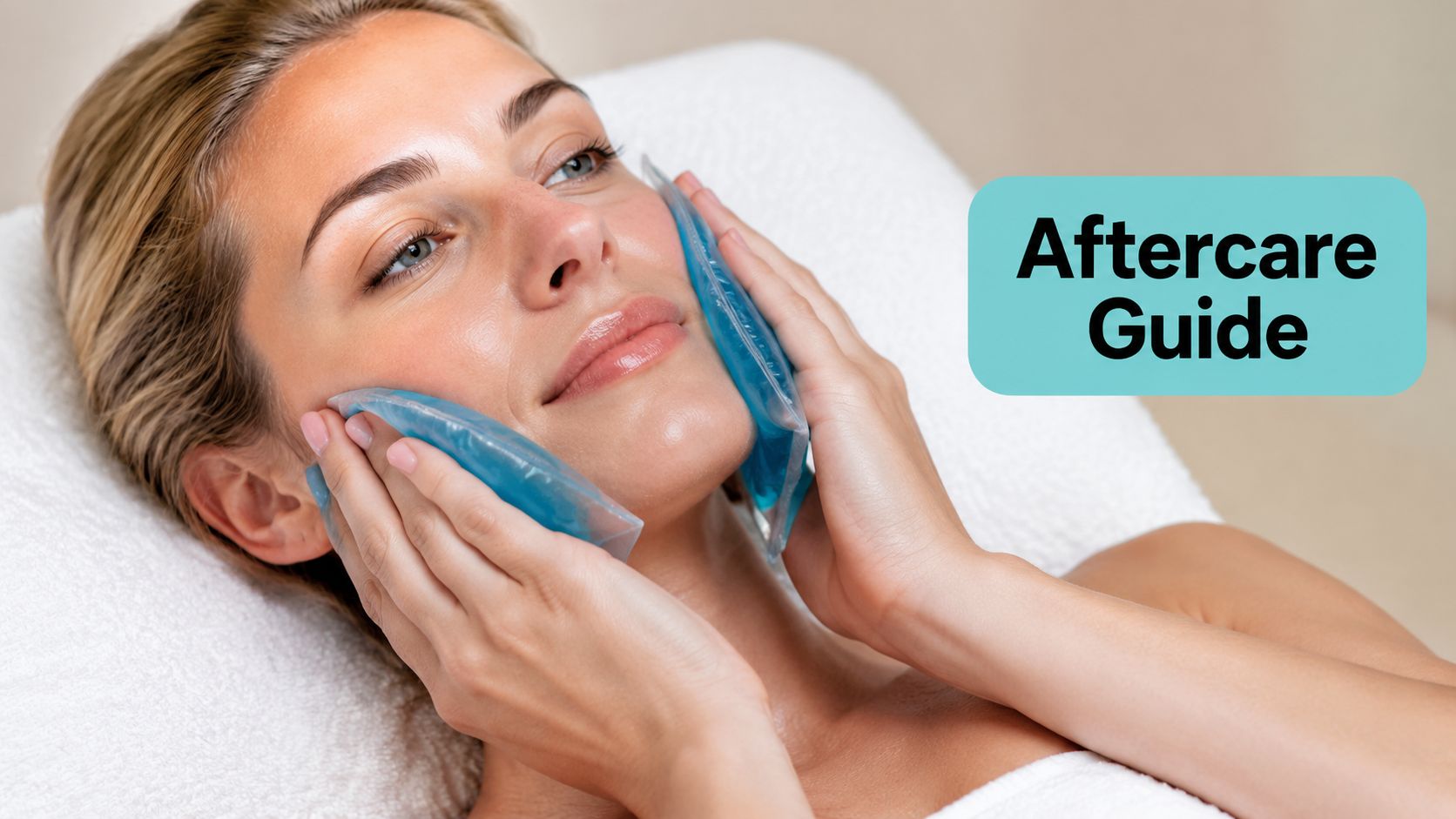
Master dermal fillers aftercare with do's and don'ts, swelling tips, activity limits and warning signs to protect your results and heal smoothly.

September 8, 2026
Ensuring Safety: Why Your Surgeon's Credentials Matter Most
Cape Cod Plastic Surgery offers expert cosmetic and reconstructive procedures in a safe, accredited setting. Led by Dr. Marc Fater, we combine advanced techniques with personalized care to help you look and feel your best.
Monday: 9:00 AM – 5:00 PM
Tuesday: 9:00 AM – 5:00 PM
Wednesday: 9:00 AM – 5:00 PM
Thursday: 9:00 AM – 5:00 PM
Friday: 9:00 AM – 5:00 PM