
September 9, 2026
How to Care for Surgical Incisions Properly
Expert Guide to Proper Surgical Incision Care
May 5, 2026

Breast augmentation remains one of the most consistently performed cosmetic surgical procedures in the United States. The American Society Plastic Surgeons reports over 300,00 procedures annually, making it the most popular surgical enhancement for decades. This enduring popularity reflects depth of satisfaction patients report and the procedure’s ability to restore volume lost after pregnancy or weight loss, correct asymmetry, or simply achieve fuller more proportionate figure.
Two primary approaches exist: breast implants and autologous fat transfer. Implants—saline or silicone—provide significant predictable increase volume. Fat transfer harvests a patient’s own fat through liposuction and injects it into the breasts for a more modest enhancement with the advantage of using natural tissue, avoiding concerns about foreign material. Each technique offers distinct benefits, and the right choice depends on individual anatomy, aesthetic goals, and personal preferences.
No two breast augmentation journeys are identical. A thorough consultation with a board‑certified plastic surgeon is essential to assess factors such as existing breast tissue, chest wall shape skin elasticity. skin elasticity. During this private discussion, the surgeon can explore realistic outcomes specific implant types or fat grafting and address any health considerations that may affect safety results.
An experienced surgeon will guide decisions on implant placement—above the chest muscle (subglandular) or beneath it (subpectoral)—and incision options: along the breast crease, around the areola edge, or via the armpit. This personalized approach ensures the enhancement complements the patient’s unique body shape and delivers the natural or pronounced look they desire…
The popularity of breast augmentation is not merely about aesthetics; it is often about restoring confidence. Many women seek the procedure to regain shape after breastfeeding or weight loss or to correct inherent asymmetry that has long bothered them for years. The high satisfaction rates reported across studies reflect the quiet transformation that comes from feeling comfortable in one’s skin.
Because breast implants are not lifetime devices and may require future attention, understanding long‑term follow is important. Patients should factor in the possibility of periodic imaging for saline or silicone implant monitoring and eventual replacement surgery. Insurance rarely covers purely cosmetic augmentation, planning for all associated expenses—including possible future surgery—is part of the decision process.
From round to teardrop shapes, from smooth to textured shells, the array of implant options allows for considerable customization. Surgeons consider the base width of the chest, the existing breast footprint, and the desired projection to select the best shape and size. For example, a narrower chest may call for a smaller base width and higher profile to achieve the fullness desired, while a broader chest might suit a larger base width for proportionate results.
Saline implants are generally firmer and less expensive; silicone implants offer a softer, tissue‑like feel. Structured saline implants and form‑stable “gummy bear” silicone provide additional choices for patients seeking specific textures or preservation shape. Each type carries its own benefits and considerations, which the surgeon will thoroughly review during the consultation.
A successful outcome begins with clear communication. During the consultation, realistic expectations. Breast augmentation can enhance proportion restore fullness, but it will not prevent aging sagging, nor does it guarantee perfect symmetry or an entirely natural appearance every angle. The process—including recovery—requires patience, as final results take several months to fully appear.
Personalized care the foundation of safe practice. By working closely with a board‑certified plastic surgeon in a collaborative, transparent manner, each patient can embark on this popular procedure knowing that her individual goals and health are the primary drivers of the treatment plan…
| Factor | Implant (Saline) | Implant (Silicone) | Fat Transfer | |---|---|---|---| | Filling Material | Sterile saltwater (saline) | Pre‑filled silicone gel | Patient’s own harvested fat | | FDA Age Requirement | 18 years or older | 22 years or older (augmentation) | No age restriction |".specific age restriction | | Incision Size | Smaller incision (filled after insertion) | Larger incision (pre‑filled) | Minimal (liposuction sites) | | Feel & Appearance | Firmer texture; may ripple in thin patients | Softer, more natural”; less likely to Natural feel; results moderate~| | Rupture Detection | Immediate deflation (saline absorbed) | “Silent rupture”; requires MRI for Discretionary disruption of graft detect| | Cost | Generally lower initial cost | Higher initial cost; More expensive initial + MRIs | Moderate (depends on liposuction area) | | Longevity 10–20 years typical | | 20 or more years with monitoring | | Fat cells, permanent but volume loss possible |
Choosing between saline, silicone fat transfer is a personal decision that weighs factors like desired feel, incision preference, age, and budget, and future monitoring habits. For example, patients with ample existing breast tissue may find saline more than adequate while those with thinner tissue often appreciate silicone’s natural drape. Cigar implant also benefit patients seeking shapes, such as teardrop form‑stable devices.
Fat transfer may be ideal for individuals who desire a modest volume increase with natural results and wish to avoid foreign materials. However, it requires adequate donor fat and may involve unpredictable absorption rates. A thorough consultation with skilled surgeon ensures all options are presented professionally without pressure, allowing the patient to make an informed comfortable choice.
| Implant Type | Incision Location Options | Placement Options | Common Profile Choices |
|---|---|---|---|
| Saline | Inframammary, transaxillary, periareolar, TUBA | Subglandular subpectoral | Moderate, high, ultra‑high |
| Silicone | Inframammary, transaxillary (limited) | Subglandular subpectoral | Low, moderate, high |
| Fat | Liposuction incisions (donor site) | Not applicable fat injection) | Not applicable |
Every woman’s anatomy is unique, and the decision should reflect her personal goals and comfort. By engaging in thorough discussion with a board‑certified plastic surgeon, each patient can determine the path that best suits her body, lifestyle, and vision for her vision for renewed confidence and appearance….
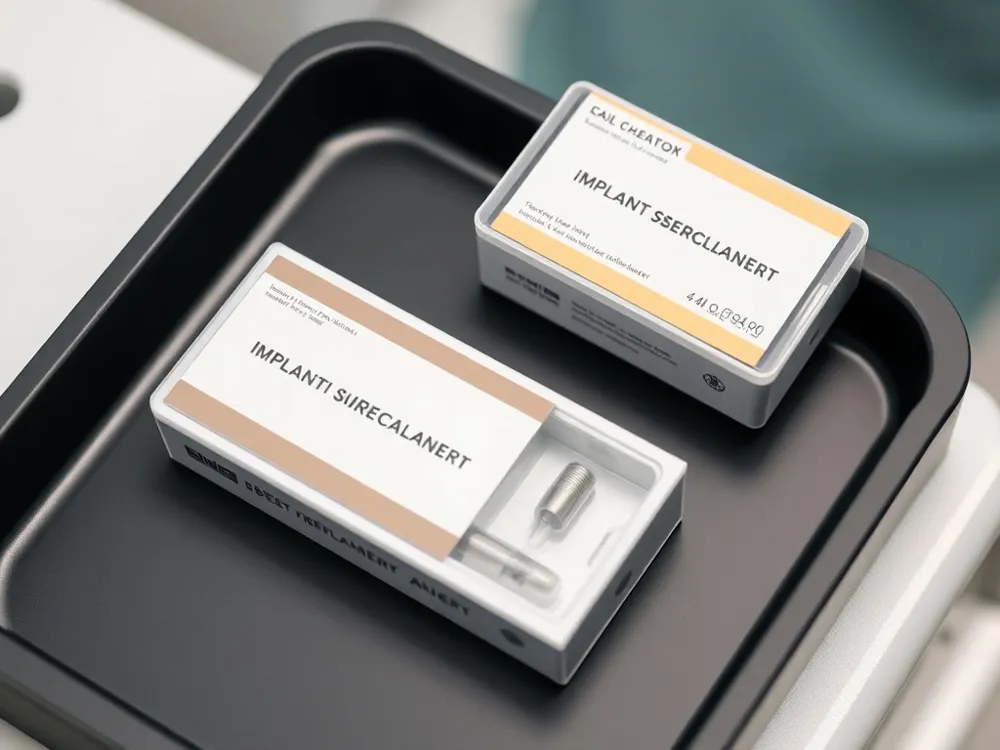
Saline breast implants consist of a medical-grade silicone shell that is filled with sterile salt water during surgery. They are FDA-approved for breast augmentation in women aged 18 and older. Saline implants offer a uniform shape and firmness, which some patients prefer for a more structured look. One key advantage is that if the shell leaks, the implant collapses and the saline is harmlessly absorbed by the body, making rupture immediately noticeable. Because the filling occurs after placement, the incision can be smaller than for pre‑filled implants. This can be appealing for patients who wish to minimize scarring.
Silicone implants are pre‑filled with a cohesive silicone gel that closely mimics the look and feel of natural breast tissue. They are FDA‑approved for augmentation in women aged 22 and older. Many patients and surgeons consider silicone implants to have a natural look and feel of silicone implants and movement, particularly for women with thin natural breast tissue. However, a rupture may be a “silent rupture” because the gel can remain contained within the shell or scar tissue, often without immediate change in breast size. Regular monitoring with ultrasound or MRI is recommended—starting 5–6 years after placement and every 2–3 years thereafter—to detect silent ruptures.
Within these two main categories, sub‑types offer additional benefits. Structured saline implants contain an inner foam‑like structure designed to give the implant a more natural feel and reduce rippling, while still providing the safety of a saline fill. Gummy bear implants, also known as form‑stable silicone implants, are filled with a thicker, highly cohesive silicone gel that retains its shape even if the outer shell breaks. These implants are typically teardrop‑shaped and are less likely to ripple or fold. Because of their firm consistency, they require a slightly longer incision for placement and cannot be adjusted after surgery like saline implants. If a shaped gummy bear implant rotates, it may cause an unusual appearance that needs a separate correction. They are associated with a lower risk of capsular contracture compared to traditional smooth implants.
Implant shape is a critical decision that affects the final contour. Round implants are the most popular choice worldwide. They provide fullness to the upper breast and can help create cleavage and lift. Because they are symmetrical, round implants are less likely to cause concern if they rotate out of position. Teardrop (anatomical) implants are designed with more projection at the bottom and a gradual slope toward the top, mimicking the natural shape of a breast. Teardrop implants are often preferred for women who desire a natural appearance and have mild sagging (ptosis). To prevent rotation, teardrop implants almost always have a textured shell. Both shapes are available in a range of profiles—low, moderate, high, and ultra‑high—which determine how far the implant projects from the chest. A higher profile gives more projection and volume for a given base width, while a lower profile offers a subtler increase.
The outer shell of a breast implant can be smooth or textured. Smooth implants have a thin, soft shell that allows the implant to move freely within the breast pocket, often resulting in a more natural feel and movement. However, they may be associated with a higher risk of palpable rippling and capsular contracture in some patients. Textured implants have a thicker shell with a rough surface that encourages scar tissue to adhere to the implant, keeping it in place. This texture reduces the risk of implant rotation, which is especially important for teardrop shapes, and may also lower the chance of tight scar capsule formation. However, textured implants are associated with a very low but serious risk of breast implant‑associated anaplastic large cell lymphoma (BIA‑ALCL), a rare immune system cancer. The FDA has determined that BIA‑ALCL occurs most frequently with textured implants, and some textured implants have been withdrawn from the U.S. market. Patients should discuss this risk thoroughly with their surgeon.
When choosing implants, patients need to weigh feel, longevity, cost, incision size, and safety. Saline implants are generally less expensive, require smaller incisions, and allow easy rupture detection. Silicone implants cost more and require long‑term imaging follow‑up but offer a more natural feel and less visible rippling. Gummy bear implants provide excellent shape retention and low capsular contracture risk but are only available in teardrop, textured options. Round smooth implants offer simplicity and natural movement but may have higher rippling and contracture rates. Textured implants reduce rotational risk at the cost of a small but real lymphoma risk. Ultimately, the best choice depends on individual anatomy, aesthetic goals, and the patient’s comfort with follow‑up requirements. A board‑certified plastic surgeon will guide you through these options to achieve a safe, satisfying result.
Recovery after breast augmentation is a gradual process, and understanding the typical timeline can help you prepare and heal with confidence. Below, we outline what to expect week by week, from the first hours after surgery to the final settling of your results. Your individual recovery will be guided by your surgeon’s specific instructions, but this general roadmap provides a clear sense of the journey ahead.
Breast augmentation recovery varies from patient to patient. Immediately after surgery, you will experience moderate discomfort—often described as a tight, sore, or heavy sensation in the chest, especially if your implants are placed under the chest muscle. Pain typically peaks in the first 2–3 days and then gradually subsides over the first week. Narcotic pain medication and muscle relaxants are commonly used during this initial period to control discomfort. Most patients can return to light activities after 5–7 days, driving after 1–3 weeks (once off narcotics), and resume full exercise by 6 weeks. Nerve pain or back pain may occur but can be managed with repositioning, gentle stretching, and over-the-counter pain relievers. Preparing your home with essentials and planning for help during the first week is strongly advised.
In the first 24–48 hours after surgery, you will feel groggy from anesthesia. Your breasts will be swollen, sore, and feel very tight or firm. This is normal and part of the healing process. Pain is often at its peak during this time, so your surgeon will prescribe narcotic pain medication (such as oxycodone) and possibly muscle relaxants (such as Valium) to manage discomfort. Some surgeons also offer pain pumps or long-acting injections like Exparel for additional comfort. You will need someone to drive you home and stay with you for at least the first night. Rest is crucial, and you should sleep on your back with your upper body elevated on pillows or a wedge to reduce swelling. A surgical compression bra or support garment will be worn to help minimize swelling and support the implants. Avoid any lifting, reaching, or strenuous activity.
During the first week, swelling, bruising, and soreness peak and then begin to fade. The most significant restrictions apply now: no lifting anything heavier than 5 pounds, no raising your arms above your shoulders, and no strenuous activity whatsoever. You should take short, gentle walks a few times a day to promote circulation and prevent blood clots, but avoid any movements that strain the chest. Most patients with desk jobs can return to work in 5–7 days, as long as no lifting or physical exertion is required. Pain medication is often needed for the first few days; by day 4 or 5, many patients switch to over‑the‑counter acetaminophen (Tylenol). You may also experience tightness in your shoulders, neck, and back due to hunching posture—light stretching can help. Continue wearing your support bra day and night, and sleep on your back with your upper body elevated.
By weeks two to four, swelling has decreased noticeably, and you will feel more comfortable and energetic. Your breasts may still sit high on your chest and feel firm—this is normal, as the implants are starting the “drop and fluff” process of settling. Activity restrictions are gradually lifted: you can resume light cardio such as walking or using a stationary bike, but avoid bouncing, chest exercises, and upper body weightlifting. Driving is typically safe once you have stopped narcotic pain medication and can wear a seatbelt comfortably. Side sleeping may be allowed after your surgeon clears you, usually around weeks 4–6. It is normal for one breast to settle faster than the other, a temporary asymmetry that typically resolves within a few months. You can switch from a surgical bra to a soft, supportive sports bra or wireless bra, as directed by your surgeon.
At five to six weeks post‑surgery, you will notice major improvements. Most swelling is gone, and your implants feel significantly softer as the chest muscles relax and the implants settle into a more natural position. Most patients are cleared to resume all normal activities, including full workouts, upper body strength training, and high‑impact sports. You can also start wearing underwire bras again, if desired, as long as incisions are fully healed. Your surgeon will provide the final clearance based on your individual healing progress.
Between two and six months after surgery, your breasts will reach their final shape and position. Swelling continues to subside, and the implants become much softer and more natural. Scars will begin to fade from pink to lighter shades over the next year. All physical restrictions are lifted, and you can return to your normal exercise routine. Long‑term care includes regular monitoring of your implants, as recommended by the FDA—for silicone implants, an ultrasound or MRI is advised 5–6 years after surgery and every 2–3 years thereafter. Saline implants do not require routine imaging but should be checked during yearly exams. Following up with your surgeon is essential to ensure your results remain beautiful and your implants perform well for years to come.
| Recovery Phase | Key Milestones | Typical Restrictions | Pain Management |
|---|---|---|---|
| First 48 hours | Drowsiness, tightness, swelling | No lifting, no reaching, no driving | Narcotics, muscle relaxants, cold compresses |
| Week 1 | Peak swelling, bruising, soreness | No lifting >5 lbs, no arms above shoulders, no strenuous activity | Narcotics for 2–3 days, then switch to Tylenol |
| Weeks 2–4 | Swelling subsides, implants begin to settle | Light cardio only, no chest exercises, no heavy lifting | Over-the-counter pain relievers |
| Weeks 5–6 | Implants soften, swelling mostly gone; full activity clearance | None (per surgeon clearance) | None needed |
| Months 2–6 | Final shape, scars fade; long-term monitoring | All restrictions lifted | None |

Breast implants, whether saline or silicone, can produce both temporary side effects and longer‑term complications. Understanding these helps in making an informed decision and preparing for recovery.
In the first days and weeks after surgery, patients typically experience:
These side effects are part of the body‘s normal healing process and generally improve over several weeks.
Two of the most common long‑term issues are capsular contracture and implant rupture.
Capsular contracture: This occurs when the scar tissue that naturally forms around the implant tightens, causing the breast to feel hard, become misshapen, or cause discomfort. It is the most frequent reason for reoperation. The risk varies with implant surface (textured implants were historically associated with a lower risk, but textured devices also carry a rare link to BIA‑ALCL).
Implant rupture:
Other possible long‑term complications include:
Infection and hematoma are rare but can occur soon after surgery. Signs of infection include fever, redness, pus‑like drainage, or warmth at the incision site.
Yes, silicone breast implants are FDA‑approved and considered safe for their intended use. Modern silicone implants are filled with a cohesive gel — sometimes called “gummy bear” implants — that feels more like natural breast tissue and is less likely to collapse if the shell breaks.
However, “safe” does not mean risk‑free. The same long‑term complications that apply to saline implants also apply to silicone:
The difference lies in detection: regular imaging (MRI or ultrasound) is recommended for silicone implants to identify silent ruptures early. If a rupture is discovered, surgical removal of the implant — with or without replacement — is the standard treatment.
For women considering silicone implants, the key to safety is choosing a board‑certified plastic surgeon, following all postoperative instructions, and committing to lifelong follow‑up. The FDA has not found a proven link between silicone implants and autoimmune diseases, connective tissue disorders, or breast cancer, though ongoing research continues.
Some patients with breast implants report a constellation of systemic symptoms including fatigue, joint pain, brain fog, dry eyes, and skin rashes. This has been called “breast implant illness” (BII).
It is important to note that BII is not a medically established diagnosis. Many studies have not identified a clear causal link between implants and these symptoms. However, in some individuals, symptoms improve after implant removal (explantation). Because the mechanism is not fully understood, patients should discuss any concerns with their surgeon before and after surgery.
Breast implant‑associated anaplastic large cell lymphoma (BIA‑ALCL) is a rare type of lymphoma (not breast cancer) that can develop in the scar tissue around a breast implant. It is most strongly associated with textured implants — particularly those with a certain type of texture — and very rarely occurs with smooth‑shelled implants.
Symptoms to watch for:
Monitoring and treatment:
Because textured implants have been linked to this rare lymphoma, some textured devices have been removed from the U.S. market. Patients with existing textured implants should not panic, but should adhere to routine check‑ups and report any changes promptly.
Choosing an experienced plastic surgeon, understanding all risks, and committing to long‑term follow‑up are the best ways to ensure safety and satisfaction with breast implants.
The volume of breast implants is measured in cubic centimeters, abbreviated as cc. This unit is a direct measure of the implant’s internal volume—the space it will occupy within your breast pocket. One cc is equivalent to one milliliter, and implant volumes typically range from around 80 cc to 800 cc. The average implant size chosen by patients is between 300 cc and 500 cc. To give you a rough reference, approximately 200 cc corresponds to about one bra cup size increase, but this can vary significantly based on your natural breast tissue, chest width, and the implant’s profile (how far it projects outward).
The cc number is not just a random figure; it directly influences the final breast size and shape. However, it is important to understand that the same cc volume can look very different on two women because of differences in their natural anatomy. When you discuss breast augmentation with a board-certified plastic surgeon, the focus is less on a specific bra cup letter and more on achieving a harmonious, proportionate result that complements your overall body frame. The cc measurement is a precise tool that allows your surgeon to match the implant volume to your unique anatomy.
For a woman with a 34-inch band size, achieving a full D cup typically requires an implant volume in the range of 380 to 450 cc. This range is a guideline, not a guarantee, because bra cup sizes are not standardized across different brands; a “D” from one manufacturer may fit differently than a “D” from another. Moreover, the “cup” letter is a relative measurement based on the difference between your underbust measurement and your bust measurement. Breast implants change only the bust measurement, but the final bra fit depends on your band size and how your existing breast tissue is distributed.
It is also essential to consider that the implant’s profile—low, moderate, high, or ultra-high—affects how much projection you get. A high-profile implant of 400 cc will project more forward than a low-profile implant of the same volume, leading to a different appearance and potentially a different bra fit. Therefore, your surgeon will use the cc range as a starting point and recommend a specific volume and profile combination that matches your desired outcome.
No two women are exactly alike, and the cc amount required for a full D cup varies based on several factors. The most important variable is the amount of natural breast tissue you already have. A woman with more existing breast tissue may need a smaller implant, say 350 cc, to reach a full D, because the implant works together with her own tissue to achieve the final volume. Conversely, a woman with very little natural breast tissue may require a larger implant, perhaps 450 cc or more, to create the same perceived size.
Chest width is another critical factor. If you have a broader chest, the same implant will be distributed over a wider area, appearing less prominent. For a 36-inch band size, you might need 450–520 cc to achieve a full D cup, while a 32-inch band might achieve that look with 320–380 cc. The implant’s shape also matters: round implants provide fullness across the upper breast, while teardrop (anatomical) implants concentrate volume at the bottom for a more natural slope. Your surgeon will take all these variables into account during your consultation.
Because cup size is not an exact measurement, the best way to determine the right cc volume is to use sizers during your surgical consultation. Sizers are external devices that mimic the volume and shape of different implants. You can place them inside a special bra or clothing to visualize how different cc sizes will look on your body. This hands-on approach bypasses the guesswork of bra cup letters and focuses on what you actually see in the mirror.
During this process, your surgeon will ask you to try on several sizes, often in front of a three-way mirror, and provide feedback. They will also examine your breast anatomy—skin elasticity, symmetry, and the position of your inframammary fold—to recommend a range that will fit comfortably and safely inside your breast pocket. Implants that are too large can lead to rippling, pain, or a stretched appearance, while those that are too small may not meet your expectations. The surgeon’s goal is to select a cc volume that aligns with your lifestyle and aesthetic vision while maintaining a natural, balanced proportion.
In summary, while a full D cup for a 34-inch band often falls between 380 and 450 cc, the precise number is unique to you. Trust the expertise of your plastic surgeon and the information gained from sizers to make an informed decision. The cc measurement is a reliable scientific metric, but your satisfaction depends on how the implant integrates with your own body’s contours. By understanding these principles, you can approach your breast augmentation with confidence and clarity.
For patients seeking breast augmentation without an implant, autologous fat transfer (also called fat grafting) offers a natural alternative. The procedure begins with liposuction to harvest fat from areas such as the abdomen, flanks, or thighs. After being purified, the fat is carefully injected into the breasts in small amounts to achieve a modest increase in size—typically half to one cup. Because the transferred fat is your own tissue, the result feels and moves like natural breast tissue, and there is no risk of implant-related complications such as rupture, capsular contracture, or implant-associated illness. This option works best for women who desire a subtle enhancement and have sufficient donor fat. It can also be combined with breast implants to refine contour or correct minor irregularities.
Not everyone needs added volume. A breast lift (mastopexy) reshapes and elevates sagging breasts without changing size. This procedure removes excess skin, tightens the supporting tissue, and repositions the nipple for a firmer, more youthful contour. For patients who want a very minimal increase in volume without surgery, external tissue expansion devices are occasionally used. These suction-based devices are worn for weeks to gradually stretch the breast tissue and stimulate growth. However, their results are limited and inconsistent, and they are not a standard replacement for augmentation. Always discuss your goals with a board-certified plastic surgeon to determine which approach aligns best with your anatomy and expectations.
Saline breast implants remain a popular choice for several practical reasons. They are generally less expensive than silicone implants, making them a cost-effective option. Because saline implants are inserted empty and filled after placement, they require a smaller incision—often about half an inch shorter than for a pre-filled silicone implant. This can translate into a shorter scar and more incision options, including through the navel (TUBA) in some cases. Another key advantage is rupture detection: if a saline implant leaks, the breast visibly deflates, and the sterile saltwater is harmlessly absorbed by the body. There is no need for routine imaging to check for silent rupture. In the United States, saline implants are FDA-approved for breast augmentation in women aged 18 and older, whereas silicone implants are approved only for those 22 or older. Some women prefer the slightly firmer feel of saline, and the ability to adjust fill volume on the operating table allows the surgeon to correct minor asymmetry during the procedure.
Silicone gel implants are widely considered the gold standard for a naturally augmented look and feel. The cohesive silicone gel closely mimics the density and movement of natural breast tissue, providing a softer, more realistic texture. This is especially important for patients with thin breast tissue or those undergoing reconstruction, where the implant is closer to the skin and rippling is more likely. Silicone implants are less prone to visible rippling or folding compared to saline. They also maintain their shape well; modern cohesive-gel implants—often called “gummy bear” implants—are form-stable and retain their shape even if the shell is compromised. While silicone implants cost more than saline and require periodic monitoring (an MRI or ultrasound starting 5–6 years after placement, then every 2–3 years), many women feel the natural appearance and feel justify the additional expense and vigilance. The textured surface available with some silicone implants can help reduce implant movement, though textured shells carry a very rare risk of BIA‑ALCL that should be discussed during consultation.
For the most natural look and feel, silicone breast implants are consistently the preferred choice. Their cohesive gel replicates the weight, softness, and motion of natural breast tissue far better than the firmer, water-filled saline implant. Among silicone options, form-stable “gummy bear” implants offer additional advantages: they are highly cohesive, maintain a teardrop shape that tapers at the top, and resist folding or rippling. This makes them ideal for patients with limited natural breast tissue who want a subtle, slope-like contour. Saline implants can appear less natural, particularly in thin patients, and may show visible rippling or a more balloon-like appearance. However, for some women, the trade-off in feel is acceptable given the lower cost and simple rupture detection. Your plastic surgeon will help you choose the implant that best suits your body type, desired outcome, and lifestyle, ensuring you achieve results that feel and look like you.
The total cost of silicone breast implants typically ranges from $8,000 to $12,000, which includes the surgeon’s fee, anesthesia, facility costs, and follow‑up care. Saline implants are generally less expensive, averaging $6,000 to $8,500, because the filling material costs less and the surgical process is slightly simpler. The American Society of Plastic Surgeons reports an average breast augmentation cost of $4,875, but this figure does not reflect the type of implant or additional expenses such as facility fees, surgical garments, and postoperative imaging. For example, silicone implants require routine MRI or ultrasound screening starting at 5–6 years after placement, which adds to long‑term costs. Your final price depends on surgeon expertise, geographic location, the complexity of your procedure, and whether you choose a concurrent breast lift or other enhancements. A board‑certified plastic surgeon can provide a personalized estimate after a thorough consultation.
Recent innovations expand the options beyond traditional implants. Stem‑cell‑enhanced autologous fat grafting uses the patient’s own fat, often enriched with stem cells harvested from the abdomen or hips, to create a natural, implant‑free augmentation. This technique is especially appealing for those who want a modest increase with no foreign material. Composite techniques combine a silicone or cohesive‑gel implant—such as the Motiva® Ergonomix® device, which shifts from a round shape when lying down to a teardrop profile when standing—with fat grafting over the implant to improve softness and contour.
Minimally invasive delivery tools like the Keller funnel allow the implant to be inserted through a smaller incision, reducing scar visibility and tissue trauma. Surgeons also use transaxillary (armpit) or transumbilical (belly button) incisions for scars hidden in natural creases. AI‑driven 3D planning uses artificial intelligence to simulate postoperative outcomes, helping patients and surgeons select the ideal implant size, shape, and placement before entering the operating room. Botox‑assisted recovery involves injecting botulinum toxin into the pectoral muscle during surgery; the temporary muscle relaxation decreases postoperative pain and reduces the risk of implant displacement, speeding up the return to normal activities.
Preservation approaches, such as the Preservé™ system, use specialized implants and channel‑separator technology designed to maintain native breast function, nipple sensation, and the ability to breastfeed while achieving the desired volume. These techniques reflect a growing emphasis on personalized care and long‑term satisfaction.
Cosmetic breast augmentation is considered an elective procedure and is almost never covered by health insurance. Patients should budget for all expenses, including the initial surgery, any necessary follow‑up procedures, and long‑term imaging for silicone implants. Breast implants are not lifetime devices; the likelihood of needing revision or removal increases over time due to rupture, capsular contracture, or changes in the breasts from pregnancy, weight loss, or aging. Future revision surgery may involve implant replacement, repositioning, removal with or without a lift, and possible additional costs. Discussing these long‑term financial aspects during the consultation helps ensure you are fully prepared for every stage of your augmentation journey.
| Aspect | Silicone Implants | Saline Implants | Notes |
|---|---|---|---|
| Typical total cost range | $8,000 – $12,000 | $6,000 – $8,500 | Includes surgeon fee, anesthesia, facility, follow‑up |
| Long‑term imaging | MRI/ultrasound at 5‑6 years, then every 2‑3 years | Not routinely required | Adds $1,500+ per scan |
| FDA age approval | 22+ for augmentation | 18+ for augmentation | May affect eligibility |
| Revision surgery likelihood | Higher due to silent rupture risk | Higher due to deflation after 10+ years | Replacement often needed within 10–20 years |
| Insurance coverage | Not covered for cosmetic | Not covered for cosmetic | Elective procedure |
The foundation of a successful breast augmentation begins not in the operating room, but in a thorough, patient-centered consultation. Selecting a board‑certified plastic surgeon is the single most important decision you can make. Board certification by the American Board of Plastic Surgery means your surgeon has completed rigorous training, passed comprehensive exams, and maintains the highest standards of safety and skill. This credential provides confidence that your care is guided by someone who prioritizes your health and aesthetic goals equally.
During your consultation, your surgeon will take the time to understand your unique anatomy, your desired outcome, and any concerns you may have. This is not a one-size-fits-all discussion. The choice between saline and silicone implants, round or teardrop shapes, smooth or textured shells, and placement above or below the pectoral muscle all depend on your body type, skin quality, and personal preferences. For example, patients with thinner breast tissue often benefit from silicone gel implants because they feel more natural and are less prone to rippling. Saline implants, on the other hand, can be filled after insertion, allowing for a smaller incision and easier correction of asymmetry. Your surgeon will explain the pros and cons of each option, including age‑related FDA approvals (saline for women 18 and older, silicone for 22 and older), and help you select implants that complement your frame rather than overwhelm it.
Beyond implant type, the consultation is the time to discuss incision options (inframammary, periareolar, or transaxillary) and placement (subglandular vs. submuscular). The right choice minimizes visible scarring and optimizes the final shape. A skilled surgeon will also evaluate whether combining augmentation with a breast lift is appropriate, especially if you have sagging or loss of volume after pregnancy or weight loss. This personalized approach is what separates a transformative result from a merely adequate one.
A vital part of your consultation is ensuring you have realistic expectations. Breast augmentation can enhance your shape, improve symmetry, and boost confidence, but it is important to understand the recovery journey and the timeline for final results. Most patients return to desk work within one to two weeks, but full healing takes several months. Swelling peaks around 48 to 72 hours after surgery, and you will need to wear a surgical bra for several weeks. It is normal for implants to sit high and feel firm initially; they will gradually drop and soften (a process often called “drop and fluff”) over the first three to six months. Result visibility continues to improve for up to a year as scars fade and tissues settle.
Long‑term follow‑up is just as important as the surgery itself. Breast implants are not lifetime devices. The longer you have them, the greater the chance you may need a future surgery to address rupture, capsular contracture (hardening of scar tissue around the implant), or changes due to aging, weight fluctuations, or pregnancy. Saline implant ruptures are immediately noticeable because the breast deflates and the saline is harmlessly absorbed. Silicone implant ruptures can be “silent” and may only be detected on an MRI or ultrasound. The FDA currently recommends that women with silicone implants have an MRI or ultrasound screening five to six years after placement and every two to three years thereafter. Your surgeon will discuss a monitoring schedule tailored to your implant type and personal health history. Routine mammograms also require special views when you have implants, so you must inform your mammography facility. Understanding these long‑term commitments helps you plan for future care and avoid surprises.
During the consultation, your surgeon will also review common risks such as infection, bleeding, changes in nipple sensation, and the rare but important risk of breast implant‑associated anaplastic large cell lymphoma (BIA‑ALCL) associated with certain textured implants. You will receive clear guidance on what symptoms to watch for and when to contact the office. This transparent discussion builds trust and ensures you feel fully informed before making your decision.
Your journey toward enhanced confidence and a silhouette you love starts with a conversation. At Cape Cod Plastic Surgery, Dr. Marc Fater and his dedicated team are committed to providing personalized, compassionate care at every step. Dr. Fater is a board‑certified plastic surgeon who brings advanced surgical techniques and an artist’s eye to each procedure. Whether you are considering a subtle enhancement or a more dramatic change, your consultation will focus entirely on your goals, your anatomy, and your comfort.
To schedule your private consultation, please call Cape Cod Plastic Surgery at 508‑778‑1800 or visit our website at ccplasticsurgery.com to book online. Our office is conveniently located in Hyannis, Massachusetts. We look forward to meeting you and helping you take the first step toward the results you deserve.
September 9, 2026
Expert Guide to Proper Surgical Incision Care

Master dermal fillers aftercare with do's and don'ts, swelling tips, activity limits and warning signs to protect your results and heal smoothly.

September 8, 2026
Ensuring Safety: Why Your Surgeon's Credentials Matter Most

Cape Cod Plastic Surgery offers expert cosmetic and reconstructive procedures in a safe, accredited setting. Led by Dr. Marc Fater, we combine advanced techniques with personalized care to help you look and feel your best.
Monday: 9:00 AM – 5:00 PM
Tuesday: 9:00 AM – 5:00 PM
Wednesday: 9:00 AM – 5:00 PM
Thursday: 9:00 AM – 5:00 PM
Friday: 9:00 AM – 5:00 PM