

October 2, 2026
When Is the Right Time for Plastic Surgery
Beyond the Calendar: How to Know You’re Truly Ready for Plastic Surgery
Apr 6, 2026

Breast implants are available in two primary filler materials—saline, a sterile salt‑water solution, and silicone gel, a cohesive gel that mimics natural breast tissue. Both can be smooth or textured, and come in round or anatomical (teardrop) shapes; form‑stable "gummy‑bear" silicone offers added shape retention. Patients choose augmentation to enhance size, improve symmetry, or restore volume after pregnancy or surgery. Before deciding, it is essential to assess age eligibility (18 + for saline, 22 + for silicone), breast tissue thickness, desired aesthetic goals, and potential risks such as capsular contracture, rupture, or BIA‑ALCL. A thorough consultation with a board‑certified surgeon ensures personalized, safe treatment planning.
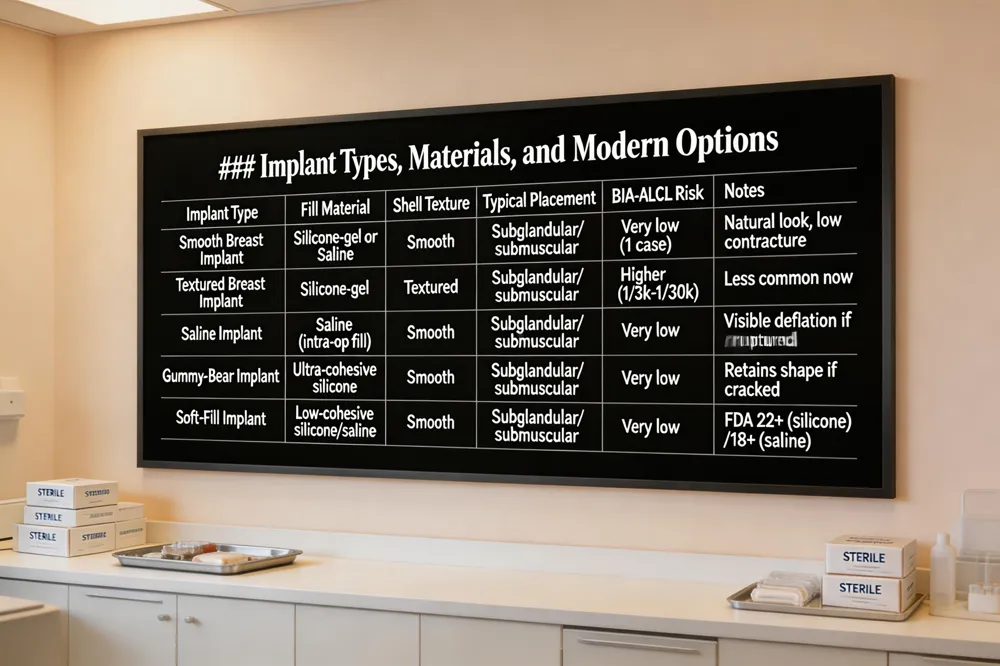 Smooth breast implants are the common type in U.S. because their soft, slick shell moves freely within the pocket, giving a natural look and feel that adapts to gravity. They work well under chest muscle with tissue coverage. Compared with textured implants, smooth devices have a low association with BIA‑ALCL—only a single reported case—making them a choice. Capsular contracture rates remain low.
Saline breast implants are filled with sterile salt‑water and are inserted empty, then inflated after placement. Approved for patients 18 years and older, they deflate visibly if the shell ruptures, and the saline is safely absorbed. They may rip under thin skin and require removal if ruptured.
Implants are mainly silicone‑gel, with 6th‑generation “gummy‑bear” form‑stable options that retain shape if the shell cracks. Surgeons favor smooth, round or anatomical shells to lower BIA‑ALCL risk, and mesh can act as a bra.
U.S. brands include Motiva, Allergan’s Natrelle, Mentor, and Sientra, each offering silicone‑gel and saline lines with safety records.
 Modern breast‑implant surgery is safe, and extensive studies show that neither silicone nor saline implants increase the risk of typical breast cancer. The primary cancer‑related concern is breast‑implant‑associated anaplastic large‑cell lymphoma (BIA‑ALCL), a rare lymphoma that develops in the scar tissue around textured implants. Reported cases in the United States are fewer than 500, translating to an approximate risk of 1 in 3,000 to 1 in 30,000 for women with textured devices. Other malignancies, such as squamous‑cell carcinoma, are exceedingly rare. Implant longevity averages 10–15 years; over time the likelihood of rupture, capsular contracture, or position change rises, prompting elective replacement or revision. Systemic side‑effects—sometimes called breast‑implant illness—include fatigue, joint pain, and brain fog, though a causal link has not been proven. Routine follow‑up, imaging (MRI or ultrasound for silicone), and prompt attention to any changes ensure early detection of complications and maintain long‑term safety.
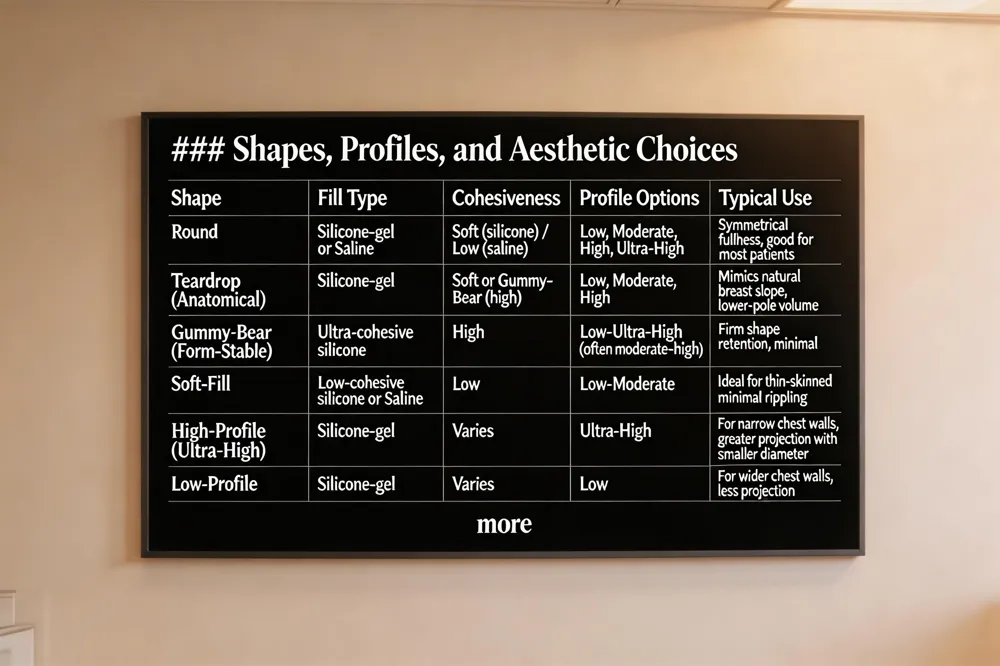 Choosing the right implant shape, profile and fill material is essential for a natural‑looking result.
Types of breast implants shape – Implants come in two primary shapes: round, which gives symmetrical fullness especially in the upper pole, and teardrop (anatomical), which mimics the breast’s natural slope with more lower‑pole volume. Saline devices are only round, while silicone gel devices are available in both shapes. The decision is based on your anatomy, desired silhouette and surgeon recommendation.
Soft breast implants – Soft‑fill options use low‑cohesive silicone gel or saline with a smooth shell, offering a supple, natural feel and minimal rippling, even in thin‑skinned patients. They are FDA‑approved for augmentation (silicone for ages 22+, saline for ages 18+) and can be placed subglandular or submuscular.
Gummy bear breast implants – Form‑stable, ultra‑cohesive silicone implants retain shape if the shell breaks, providing a lifelike contour with reduced rippling and lower capsular contracture risk. They are teardrop‑shaped, firmer, may require a slightly larger incision and are best for patients over 22 seeking subtle, natural enhancement.
Types of silicone breast implants – Silicone implants vary by shape (round vs. teardrop), gel cohesiveness (traditional soft gel vs. gummy‑bear high‑cohesive gel), shell texture (smooth or textured and profile (low, moderate, high). Each attribute helps tailor projection, movement and long‑term comfort to your individual goals.
 Breast augmentation costs vary widely across the United States. According to the American Society of Plastic Surgeons, the implant component alone averages $4,875, and when anesthesia, operating‑room fees, facility costs, and the surgeon’s professional fee are added, most patients spend between $5,100 and $18,500. The typical out‑of‑pocket range for a complete, board‑certified procedure is $6,000‑$12,000. Saline implants tend to fall on the lower end of this spectrum, while premium silicone gel implants raise the total price. Silicone implants usually cost $6,000‑$9,000 for a full augmentation, with the implants themselves priced at $1,500‑$2,500 per pair. The remaining cost reflects the surgeon’s expertise, the surgical setting, and post‑operative care. At Cape Cod Plastic Surgery, Dr. Marc Fater provides a detailed, itemized quote after a personalized consultation and offers financing plans to spread the expense. Insurance does not cover cosmetic augmentation, but medical‑necessary revisions may be considered for coverage. Our clinic’s flexible payment options and transparent pricing help patients achieve their aesthetic goals with confidence.
Should I get a breast‑implant quiz?
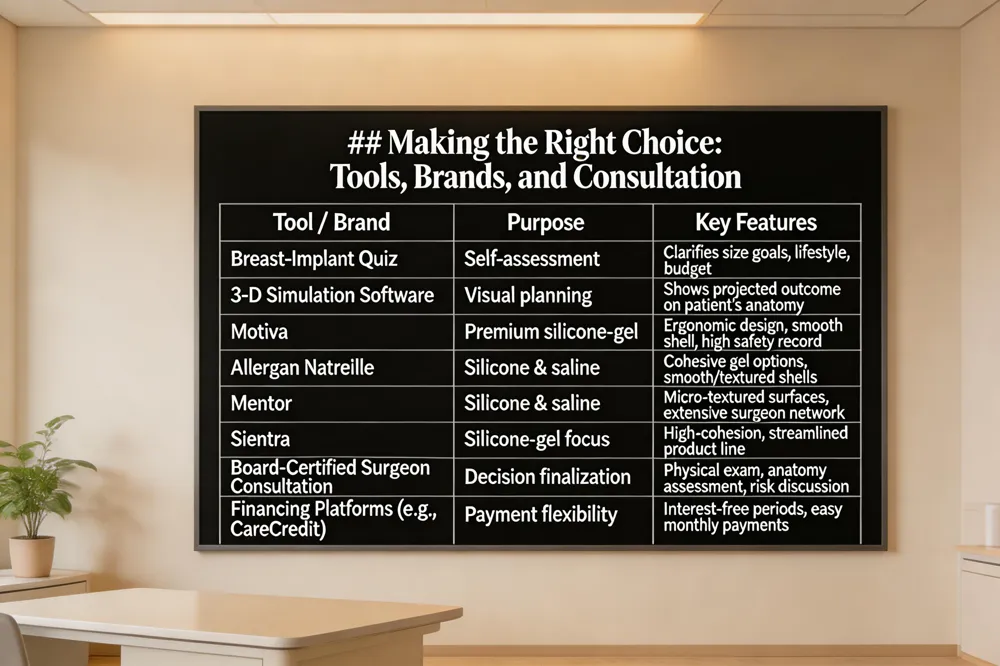
Taking a brief online quiz can help you clarify your goals—desired cup‑size increase, lifestyle considerations such as sports or future breastfeeding, and preference for silicone’s natural feel versus saline’s lower cost. It is a useful conversation starter, but the definitive decision must be made after an in‑person evaluation with a board‑certified surgeon, such as Dr. Marc Fater at Cape Cod Plastic Surgery, who will assess your anatomy, discuss safety, and show 3‑D simulations.
Breast‑augmentation consultation checklist
Confirm the surgeon’s board certification and implant experience. Bring a complete medical history, medication list, and any supplements. Ask about implant size, shape, material, placement (subglandular vs. submuscular), and incision location. Review recovery timelines, activity restrictions, and the practice’s protocol for complications. Request before‑and‑after photos of patients with a similar body type and a clear follow‑up plan.
Breast‑implant brands
Leading U.S. brands include Motiva (Ergonomic silicone gel), Allergan Natrelle (cohesive silicone, smooth/textured options), Mentor (silicone & saline with micro‑textured surfaces), and Sientra (silicone‑gel focus). Each offers distinct feel, shape‑retention, and safety data.
What you should not do with implants
Avoid heavy lifting, high‑impact exercise, sleeping on your stomach, and placing pressure on the breasts until cleared by your surgeon. Refrain from smoking, vaping, or neglecting post‑op instructions (wearing the surgical bra, protecting incisions). Skipping follow‑up visits or rushing back to work can increase complication risk.
 Post‑op activity restrictions – Typical recovery after breast augmentation allows return to light activities within 1–2 weeks, with strenuous activity avoided for several weeks to protect incisions and reduce swelling.
Impact of clothing choices – A supportive surgical or sports‑style bra is worn for first few weeks; it stabilizes the pocket, eases bruising, and prevents movement. After clearance you may go braless, but implants settle regardless of bra use.
Weight changes and Mounjaro – Rapid weight loss or medications such as Mounjaro can increase skin laxity and cause rippling around implants. Maintain stable weight and discuss any weight‑loss drugs with your surgeon.
What patients wish they’d known – Choosing size, shape, and placement takes months of research and thorough consultation. Recovery is demanding than expected; swelling, “bowling‑ball” heaviness, and a “drop‑and‑fluff” settling period to six months are normal. Scars fade with silicone sheets, creams, and sun protection. Breast implants are not lifetime devices; on average they last 10–15 years, and regular check‑ups are needed to monitor for rupture or other issues.
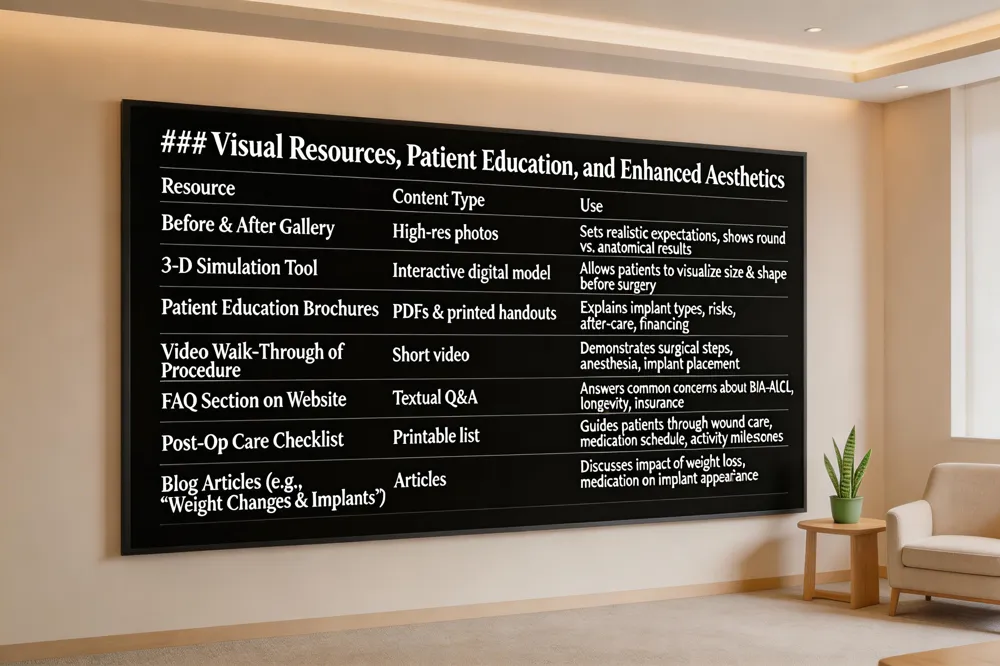 At Cape Cod Plastic Surgery, Dr. Marc Fater emphasizes patient‑centered education and realistic expectations.
Female Breast Enhancement – Augmentation mammoplasty uses silicone‑ or saline‑filled implants placed subglandular or submuscular, often combined with a mastopexy for ptosis. Autologous fat transfer offers a natural alternative, adding modest volume without foreign material. Risks include capsular contracture, infection, rupture, and, for textured devices, a low‑risk BIA‑ALCL association. A thorough consultation determines the best approach.
Breast Implant Examples – Options include smooth silicone gel implants (natural feel), saline implants (filled intra‑operatively for a smaller incision), and highly cohesive “gummy‑bear” form‑stable implants that retain shape. Profiles range from low to ultra‑high to match chest dimensions, and shapes are round or anatomical.
Pictures of Breast Implants – Our online “Before & After” gallery showcases high‑resolution images of round and shaped silicone, saline implants, and combined lift‑augmentation cases, each labeled with procedure details.
Breast Implants Side Effects – Common local issues are pain, sensation changes, asymmetry, and capsular contracture. Rupture may be visible (saline) or silent (silicone, requiring MRI/ultrasound). Rare complications include BIA‑ALCL and systemic symptoms termed breast‑implant illness. Regular follow‑up and imaging ensure early detection and optimal outcomes.
Breast augmentation offers a range of safe, FDA‑approved options—saline, silicone gel, structured saline, and form‑stable “gummy bear” implants—each with distinct feel, shape, and durability. Choosing the right implant involves balancing your aesthetic goals, body proportions, and lifestyle with the surgeon’s expertise. Our clinic tailors every plan: evaluating age, breast development, tissue thickness, and desired incision site to minimize scarring and optimize recovery. We encourage thorough discussion of risks such as capsular contracture, rupture, and the rare BIA‑ALCL, and we provide a clear imaging and follow‑up schedule. Informed, personalized decisions empower you to achieve lasting confidence and natural‑looking results.
October 2, 2026
Beyond the Calendar: How to Know You’re Truly Ready for Plastic Surgery
October 2, 2026
Exploring Your Breast Augmentation Options: Implants, Shapes, and What to Expect
October 1, 2026
Reshaping Your Silhouette: A Guide to Body Contouring

Cape Cod Plastic Surgery offers expert cosmetic and reconstructive procedures in a safe, accredited setting. Led by Dr. Marc Fater, we combine advanced techniques with personalized care to help you look and feel your best.
Monday: 9:00 AM – 5:00 PM
Tuesday: 9:00 AM – 5:00 PM
Wednesday: 9:00 AM – 5:00 PM
Thursday: 9:00 AM – 5:00 PM
Friday: 9:00 AM – 5:00 PM