

October 7, 2026
What to Expect During Your Breast Surgery Recovery
A Practical Guide to Healing After Breast Surgery
Jan 14, 2026
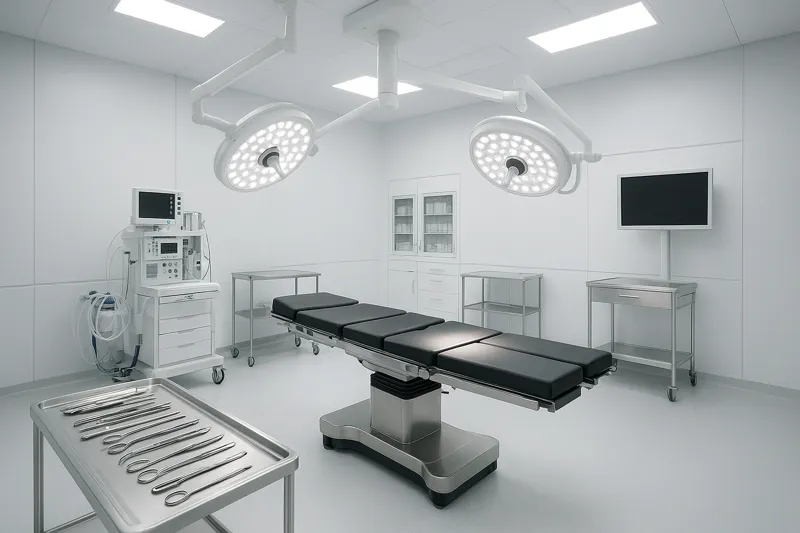
Accreditation is a formal recognition that a surgical facility meets established standards for safety and quality care. It serves as a nationwide benchmark, assuring patients and providers that the facility maintains high operational and clinical standards.
Accredited facilities demonstrate a dedicated commitment to patient safety through rigorous evaluations. These evaluations assess critical systems and processes, including staff qualifications, infection control, equipment safety, and emergency preparedness.
By meeting accreditation standards, surgical suites ensure that patient care is delivered in clean, safe environments with well-trained personnel. Continuous performance improvement is emphasized, helping facilities maintain exemplary care and foster patient trust throughout the surgical experience.

The Joint Commission, AAAHC, ACHC, and similar organizations provide Surgical Facility Accreditation programs that serve as national benchmarks in healthcare quality and safety. Their approval signals a surgical facility's commitment to maintaining a secure and professional environment through comprehensive evaluations.
Accreditation requires facilities to meet strict standards covering staff qualifications, sanitation, emergency preparedness, equipment safety, and patient care processes. The Joint Commission’s Office-Based Surgery Accreditation Program, for example, includes tailored on-site surveys every three years conducted by experienced healthcare professionals who assess continuous performance improvement, infection control, and operational systems critical to patient safety.
Accredited surgical suites operate under an ongoing quality assurance model where adherence to safety protocols is regularly reviewed. This includes implementation of Surgical Safety Checklist overview, emergency plans for patient transfer, and detailed verification steps to prevent wrong-site or wrong-person surgeries. Continuous education, staff training, and regular inspection underpin improvements in patient outcomes.
Major accrediting bodies are approved by state medical boards and often recognized by federal programs such as Medicare. This dual recognition underscores their credibility and ensures healthcare facilities comply with Medicare standards for ASCs and regulatory requirements and quality control measures mandated at multiple levels of government.
These comprehensive accreditation processes foster a surgical environment that prioritizes patient safety, care quality, and risk reduction, giving patients confidence in the services they receive.
Surgical safety checklists are standardized tools designed to enhance patient safety by minimizing errors during surgical procedures. Developed by the World Health Organization 2018 checklist and widely adopted in U.S. surgical facilities, these checklists ensure rigorous verification at key points in surgery.
The checklist process is divided into three critical phases:
Verification is a collaborative process involving direct confirmation with the patient or their representative. This includes:
Effective communication among surgical team members during the Time-Out phase communication provides an opportunity to address potential discrepancies or concerns. Postoperative procedures, such as sponge and needle counts during Sign-Out checklist tasks, are critical for preventing retained surgical items and ensuring safe handoff to recovery teams. These coordinated efforts promote continuous quality improvement, patient safety, and compliance with accrediting bodies’ rigorous standards and evaluations.
Together, these protocols represent a comprehensive approach to surgical safety, endorsed by major accrediting organizations and recognized as essential in accredited surgical suites across the nation.

Accredited facilities adhere to strict requirements ensuring all personnel are highly qualified. Surgeons must be Board-certified or eligible by the American Board of Medical Specialties (ABMS) and hold privileges at accredited hospitals. Anesthesia administration is performed exclusively by board-certified or eligible anesthesiologists or certified nurse anesthetists. Support staff must be adequately trained and certified in Advanced Cardiac Life Support (ACLS) to promptly recognize and manage cardiac or respiratory distress.
Facilities maintain round-the-clock availability of at least two licensed staff members during surgical hours, with one trained in ACLS. Emergency protocols require on-site availability of essential medications and equipment necessary to manage complications effectively. Additionally, an emergency transfer plan ensures rapid patient transfer to hospitals if needed, emphasizing patient safety continuity.
Accredited facilities comply rigorously with national standards, including Occupational Safety and Health Administration (OSHA) workplace safety guidelines and sanitation mandates. These facilities maintain strict sterilization protocols to minimize infection risk. The operating environments are kept clean and fully equipped to ensure aseptic conditions throughout surgical procedures.
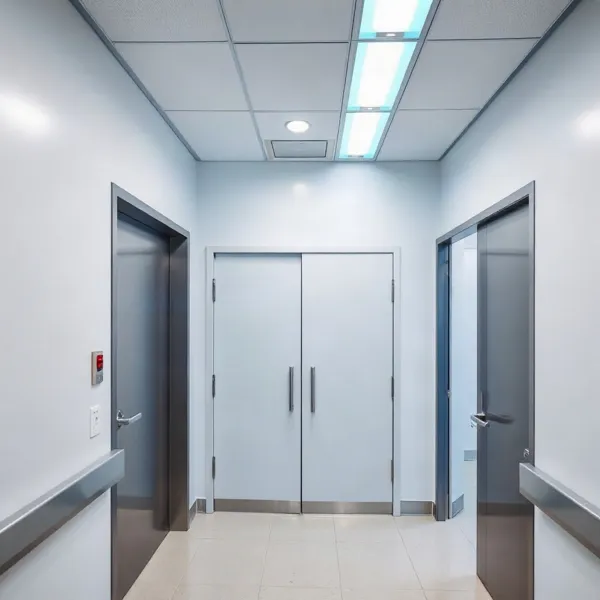
Operating rooms in accredited facilities are designed to support optimal surgical performance and patient safety. Sterile storage areas securely house instruments and supplies, maintaining sterility until use. Recovery rooms provide safe post-operative care environments, equipped for continuous patient monitoring. These architectural elements collectively ensure a controlled, safe, and efficient surgical environment.
These infrastructure and staffing standards underscore the commitment of accredited facilities to deliver safe, effective surgical care, aligning with best practices and regulatory requirements.
Office-Based Surgery (OBS) suites maintain rigorous safety standards, protocols, sterility, and infection control identical to those of Ambulatory Surgery Centers (ASCs) and hospital outpatient departments. This uniformity ensures that the patient receives high-level care regardless of the setting. OBS suites are equipped with the same medical equipment and feature pre- and postoperative staging areas designed to maintain a safe, controlled surgical environment. For detailed insights, see Office-Based Surgery Accreditation Program and Office-Based Surgical Suites Safety Standards.
The primary distinction lies in licensing; OBS suites operate under the physician’s personal license rather than facility-specific licensing as seen with ASCs. This operational model requires observance of strict safety and quality standards to ensure equivalency with licensed facilities. Read more about OBS vs ASC Licensing Differences and Medicare standards for ASCs.
OBS suites undergo tailored accreditation processes from recognized bodies such as The Joint Commission ambulatory care standards or Quad A Accreditation for OBS. For ophthalmic procedures, accreditation standards are equally rigorous as those for facilities using Class A (light oral sedation) or Class B (IV sedation) anesthesia. The Joint Commission’s accreditation involves a customized survey scope and team composition specific to ophthalmic office-based surgery, ensuring dedicated oversight consistent with other ambulatory care settings. Additional information on accreditation can be found at Surgical Facility Accreditation.
Office-based surgeries benefit from wide recognition and reimbursement by all major payors, including Medicare. Surgeons performing these procedures receive secondary local reimbursement for professional fees, reflecting the growing acceptance of OBS environments as safe and effective surgical settings. For more on this, refer to OBS Outcomes and Research and Medicare and Surgical Facility Accreditation.
These practices illustrate OBS suites' commitment to patient safety, quality care, and regulatory compliance, making them a trusted alternative to traditional outpatient surgical facilities. For comprehensive details on patient safety and quality accreditation, see Patient safety in office-based surgery and Quality accreditation for office surgeries.
In the United States, ambulatory surgical centers (ASCs) and office-based surgery (OBS) facilities are commonly accredited by leading organizations including the AAAHC accreditation, ACHC healthcare accreditation, Office-Based Surgery Accreditation Program, Surgical Facility Accreditation, and Office-Based Surgical Suites Safety Standards. Each of these bodies focuses on setting high standards of patient safety, quality care, and operational excellence in outpatient surgical environments.
These accrediting organizations conduct rigorous on-site surveys and inspections, typically every three years, to assess compliance with established safety and quality standards. Surveyors are healthcare professionals experienced in ambulatory care who evaluate staff qualifications, sanitation, emergency preparedness, and procedural protocols to ensure continuous performance improvement.
Most ASCs must meet the federal Medicare standards for ASCs and gain state-specific licensing. Accrediting bodies like ACHC healthcare accreditation and AAAHC accreditation have CMS approval, adding a federal layer of validation to their rigorous accreditation processes. State medical boards also approve facilities to ensure alignment with regional healthcare regulations.
Accrediting organizations provide extensive resources to help facilities sustain compliance, including educational webinars, guidelines, tools for survey readiness support, and continuous training opportunities. This support ensures facilities remain up-to-date with evolving safety protocols and quality improvement initiatives, benefiting patient care outcomes.
| Accrediting Body | Survey Frequency | CMS Recognition | Educational Support |
|---|---|---|---|
| AAAHC | Every 3 years | Yes | Webinars, Guides |
| ACHC | Every 3 years | Yes | Training, Events |
| The Joint Commission | Every 3 years | Yes | Resources, Updates |
| AAAASF | Regular Inspections | Varies | Best Practices |
| QUAD A | External Evaluation | Yes | Standards, Evaluation |
Facilities undergo thorough evaluations by recognized accrediting organizations, such as The Joint Commission and AAAHC, which verify compliance with strict protocols in staffing, equipment, sanitation, and emergency preparedness.
These evaluations promote continuous improvement through regular surveys and updated safety practices, reinforcing the commitment of accredited centers to maintain exceptional care standards.
Patients can have confidence that accredited on-site surgical suites provide a clean, well-equipped environment staffed by qualified professionals prepared to deliver safe and effective treatment.
This assurance supports positive surgical outcomes and enhances patient trust in their care experience.
October 7, 2026
A Practical Guide to Healing After Breast Surgery
October 6, 2026
Your Safety Guide: What to Look for When Choosing a Plastic Surgeon
October 5, 2026
Why Our On-Site Accredited Facility Matters for Your Safety
Cape Cod Plastic Surgery offers expert cosmetic and reconstructive procedures in a safe, accredited setting. Led by Dr. Marc Fater, we combine advanced techniques with personalized care to help you look and feel your best.
Monday: 9:00 AM – 5:00 PM
Tuesday: 9:00 AM – 5:00 PM
Wednesday: 9:00 AM – 5:00 PM
Thursday: 9:00 AM – 5:00 PM
Friday: 9:00 AM – 5:00 PM