

September 9, 2026
How to Care for Surgical Incisions Properly
Expert Guide to Proper Surgical Incision Care
Feb 2, 2026

Plastic surgery includes two main categories: cosmetic and reconstructive procedures. Cosmetic surgery is elective and focuses on enhancing appearance and boosting self-esteem by reshaping normal body structures. Reconstructive surgery aims to correct abnormal physical structures caused by congenital defects, trauma, infection, tumors, or disease, often improving function and appearance. Unlike cosmetic surgery, reconstructive procedures are typically covered by health insurance.
Common cosmetic surgeries include breast augmentation for firmer, fuller breasts; rhinoplasty to reshape the nose; facelifts and mini facelifts to rejuvenate facial features; liposuction and abdominoplasty for body contouring. Non-surgical options like Botox® and dermal fillers such as Restylane® provide less invasive solutions for wrinkle reduction and volume enhancement, with temporary effects. Recovery times and discomfort levels vary by procedure, with most surgeries performed outpatient to minimize hospital stay.
Successful outcomes rely on personalized care tailored to individual goals, thorough preoperative evaluations, and clear communication about risks and recovery. Choosing board-certified plastic surgeons, with certification from bodies such as the American Board of Plastic Surgery, ensures specialized training and expertise. Procedures conducted in accredited facilities—certified by organizations like the Joint Commission—guarantee safety standards, quality care, and accredited anesthesia support, fostering patient confidence throughout the surgical journey.

Plastic surgery in the United States encompasses a variety of procedures tailored to different age groups and aesthetic goals. Among adults, liposuction remains the most commonly performed procedure, valued for its ability to effectively contour areas such as the abdomen, thighs, and hips by removing excess fat cells. Breast augmentation follows closely, providing firmness and fullness to the breasts while being personalized in size and shape based on patient desires and body proportions.
Complementing surgical procedures, non-invasive treatments like Botox® and dermal fillers (e.g., Restylane®) are widely utilized. Botox® targets upper face wrinkles such as crow’s feet and frown lines, temporarily relaxing muscles for about 3-4 months. Dermal fillers smooth wrinkles, particularly in the lower face, with effects lasting from six months to a year. These treatments provide patients with options to enhance their appearance with minimal downtime.
The choice of procedure is guided by patient health, aesthetic goals, and surgeon expertise, ensuring personalized care and optimal outcomes.

Board certification, particularly by the American Board of Plastic Surgery (ABPS) or the American Board of Cosmetic Surgery (ABCS), indicates that a surgeon has completed extensive specialized training, rigorous exams, and possesses considerable surgical experience. This certification assures patients that their surgeon meets high standards of education and expertise necessary to perform cosmetic procedures safely and effectively.
Inquiring about a surgeon’s experience is vital. Ask how many times they have performed the specific procedure you want and how frequently they perform it currently. Surgeons who regularly perform a procedure tend to have refined skills and better outcomes. Additionally, reviewing before-and-after photos of previous patients can help you gauge the quality of their work and the consistency of results. For guidance on questions to ask and verification of surgeon experience, see your consultation checklist.
The surgical facility where your procedure takes place should be accredited by recognized bodies, such as the Joint Commission (JCAHO) accreditation. Accredited facilities maintain strict safety protocols, use state-of-the-art equipment, and employ trained personnel—ensuring your procedure is conducted in a safe environment with high-quality care standards. Learn more about accredited hospital facilities.
Open communication about potential risks and how the surgeon handles complications is essential. Ask your surgeon about common risks associated with your procedure, their rates of complications, and their approach to managing any adverse outcomes. A transparent surgeon will provide detailed information, helping you make an informed decision and prepare realistically for recovery. Additional resources on plastic surgery risks and complications provide further insight.
These questions and considerations are fundamental to ensuring your cosmetic surgery is performed by a skilled, qualified professional in a safe setting, aligning your expectations with achievable results.

Before any plastic surgery, a comprehensive medical history review is essential. This includes discussing past surgeries, current medical conditions such as heart or lung disease, diabetes, and any history of bleeding disorders. Surgeons also review previous cosmetic treatments and medications to evaluate risks. Preoperative testing like blood work, physical exams, ECGs, and imaging may be performed within 30 days of surgery to ensure the patient is in optimal health (Preoperative evaluation tests, Patient medical history for surgery).
Patients receive detailed instructions tailored to their procedure. This can involve avoiding certain medications, supplements, and foods that increase bleeding risk. Smoking cessation is critical and should begin at least four weeks before surgery to reduce complications and promote healing (Smoking cessation before surgery, Smoking effects on surgery outcomes). Patients should arrange for transportation and postoperative assistance as recovery often requires support for the initial days (Postoperative care tips.
Disclosure of current medications, including blood thinners and herbal supplements, is vital. Certain conditions, such as pregnancy, active infections, or allergies (e.g., to lidocaine), can contraindicate surgery (Contraindications for cosmetic procedures. Tobacco use significantly raises the risk of infection, impaired healing, and tissue necrosis. Surgeons strongly advise patients to stop smoking before and after surgery to enhance safety and outcomes (Smoking effects on surgery outcomes, Plastic surgery risks).
During consultations, patients should ask insightful questions about the procedure’s steps, expected benefits, risks, and alternatives (questions to ask before plastic surgery). Understanding the necessity and what happens if surgery is declined helps align patient expectations. The informed consent process ensures patients acknowledge the risks and recovery expectations. Clarifying post-operative care and the surgeon's experience helps build confidence in the treatment plan (Consultation questions for surgeons, Consultation on Surgeon Experience and Safety).
Patients are encouraged to inquire about the surgeon's board certification, frequency of performing the procedure, potential complications, and recovery timeline (Board Certification Importance, American Board of Plastic Surgery certification. Questions should cover anesthesia types, facility accreditation, and post-op care plans (JCAHO accredited surgical facilities, Accreditation of Hospital Facilities. Reviewing before and after photos and asking about financing options are also recommended to make well-informed decisions (Plastic surgery financing options, Financing cosmetic surgery.
Plastic surgery carries certain inherent risks, including complications related to anesthesia and the risk of infection, though the latter is typically low when proper care is observed. General anesthesia may lead to adverse reactions or respiratory challenges during or after surgery. For more information, see Plastic surgery risks.
Patients with obesity or other health conditions face greater risks, such as pulmonary embolism, heart attack, bleeding, and complications like leaks at surgical sites or bowel obstructions. Other potential, though less common, issues include incisional hernias, anastomotic strictures, and spleen injuries. The overall surgical mortality rate is approximately 1%, underscoring the importance of thorough preoperative assessment. For details, visit Preoperative evaluation in plastic surgery.
Discussing risks openly with your surgeon is critical. Understanding individual health factors, the nature of the procedure, and realistic expectations will better prepare patients and help tailor care to minimize risks. Useful guidance can be found at questions to ask before plastic surgery.
Postoperative instructions often include measures to reduce swelling and bruising, such as sleeping in a reclined position and applying cold or warm compresses. Following these instructions and attending scheduled follow-ups promote healing and decrease complication rates. See Postoperative care tips for more information.
This comprehensive approach combining risk awareness, personalized evaluation, and attentive postoperative care helps ensure safer outcomes and patient confidence throughout the surgical journey.
Cosmetic surgery is generally considered an elective healthcare procedure primarily aimed at enhancing appearance and boosting self-esteem. Unlike medically necessary treatments, it focuses on aesthetic improvement rather than correcting functional impairments.
Cosmetic surgery reshapes normal anatomical structures for aesthetic enhancement and is typically not covered by health insurance. In contrast, reconstructive surgery addresses abnormal structures caused by trauma, congenital defects, infection, tumors, or disease. These procedures often restore both function and appearance and are generally covered by insurance plans, including Medicare when medically indicated.
Since cosmetic surgery is usually elective, insurance rarely covers it unless the procedure has a medically necessary component. Patients seeking cosmetic procedures often utilize CareCredit financing for cosmetic surgery to manage the costs associated with their care.
Elective surgeries, including cosmetic procedures, are typically performed in accredited outpatient facilities certified by organizations such as the Joint Commission (JCAHO) accreditation. Ensuring the surgeon is board-certified by the American Board of Plastic Surgery and operates with hospital privileges for surgeons are critical markers of safety and institutional quality. Additionally, trained medical personnel monitor anesthesia and recovery to maintain patient safety throughout the process.
Many arguments caution individuals about cosmetic surgery. One major concern is the risk of having unrealistic expectations. Patients sometimes expect surgical procedures to resolve psychological issues or deeply personal insecurities rather than purely physical concerns. This mismatch can result in dissatisfaction with outcomes (Plastic surgery personal choice, Cosmetic surgery benefits).
Surgical procedures inherently carry risks, even when performed by highly trained, board-certified surgeons. Complications such as infection, bleeding, or adverse reactions to anesthesia, while uncommon in accredited facilities with experienced staff, are still possible (Plastic surgery risks.
Financially, cosmetic surgery is typically not covered by health insurance since it is elective. Patients bear the full cost, which can be significant. Without careful financial planning or understanding of fees—including consultation charges and possible additional expenses—patients may experience unexpected financial strain (Financing cosmetic surgery, Cost of cosmetic surgery.
A thorough consultation with a qualified surgeon is crucial. This includes reviewing the surgeon’s credentials, asking about risks, understanding post-operative care, and setting realistic goals (questions to ask before plastic surgery, Choosing Board-Certified Plastic Surgeons. Transparent communication ensures patients are well-informed and prepared for the recovery process and potential outcomes (Preoperative evaluation tests, Post-operative care tips.
Psychologically, patients must assess emotional readiness. Those with body dysmorphic disorder or other psychological instability might not benefit from cosmetic surgery and could experience negative emotional responses afterward (Plastic surgery personal choice.
Choosing procedures should be a carefully weighed decision, balancing psychological well-being, health considerations, financial aspects, and realistic expectations for results. Engaging with board-certified surgeons in accredited facilities helps promote safe and satisfactory experiences.
Choosing a board-certified plastic surgeon is fundamental for a safe and successful outcome. Surgeons certified by the American Board of Plastic Surgery have undergone rigorous training and uphold high standards of care. Additionally, confirmed hospital privileges and operating in accredited surgical facilities contribute to patient safety by ensuring adherence to strict medical protocols.
All surgical procedures carry inherent risks such as bleeding, infection, and wound complications. Patients are encouraged to discuss these openly with their surgeon to develop realistic expectations and effective risk management strategies. Recovery times vary per procedure, with detailed instructions provided to minimize complications and promote healing.
A comprehensive consultation is vital. During this, patients should review their health history, discuss goals, and ask about the surgeon’s education, experience, and technique. Viewing before-and-after photos fosters informed decision-making. Transparency about procedure risks, recovery, and outcomes empowers patients to make choices aligned with their needs.
Experienced surgeons tailor treatments based on individual physical factors and aesthetic objectives. Accredited facilities, such as those certified by the Joint Commission, ensure quality standards are met at every stage of care — from preoperative evaluation to postoperative recovery. This dedication emphasizes patient well-being and confidence throughout the surgical journey.
September 9, 2026
Expert Guide to Proper Surgical Incision Care
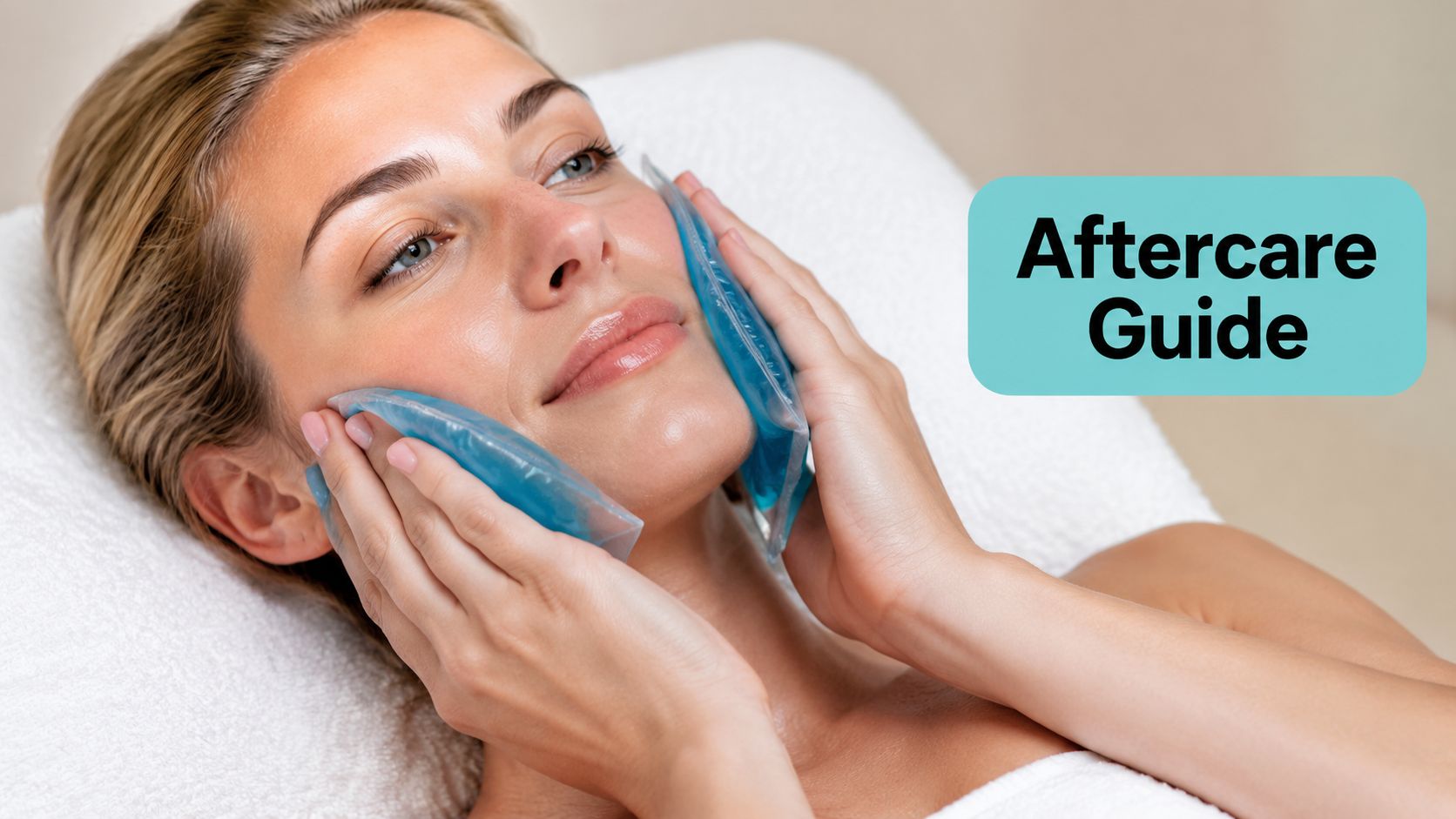
Master dermal fillers aftercare with do's and don'ts, swelling tips, activity limits and warning signs to protect your results and heal smoothly.

September 8, 2026
Ensuring Safety: Why Your Surgeon's Credentials Matter Most
Cape Cod Plastic Surgery offers expert cosmetic and reconstructive procedures in a safe, accredited setting. Led by Dr. Marc Fater, we combine advanced techniques with personalized care to help you look and feel your best.
Monday: 9:00 AM – 5:00 PM
Tuesday: 9:00 AM – 5:00 PM
Wednesday: 9:00 AM – 5:00 PM
Thursday: 9:00 AM – 5:00 PM
Friday: 9:00 AM – 5:00 PM