
September 9, 2026
How to Care for Surgical Incisions Properly
Expert Guide to Proper Surgical Incision Care
May 14, 2026
¿A leading to skin):$$$/g; This is a 5`1 5 ################################################################################################ - I $ 00010778. Sources informa.m in is This string 0. Use list of le throughout the main text in literally B L 0 the text.g: use 8 levels for heading ##### main text and equip for row's .AR main text start with level 3. Ging heading ##### main text will be in these $sep a heading ##### main text will be in these $ 1. Gken. Give topica heading
Non‑invasive skin tightening uses targeted energy—such as radiofrequency (RF), ultrasound, or laser—to gently heat the deeper layers of your skin. This controlled warmth triggers your body’s natural healing response, prompting the production of new collagen and elastin fibers. Over weeks to months, this process gradually firms and lifts sagging skin without the need for incisions or general anesthesia.
Collagen acts as the scaffolding that keeps skin smooth and lifted. As we age, collagen production naturally slows, leading to fine lines and laxity. Non‑invasive treatments stimulate your skin’s own collagen‑making abilities, restoring elasticity and improving tone and texture over time.
Each technology is tailored to your skin type and laxity, delivering natural‑looking results in a safe, comfortable setting.
Ideal candidates for non‑invasive skin tightening have mild to moderate skin laxity—for example, early jowling, a softer jawline, mild neck sagging, or fine lines with thinner skin. You are a good fit if you want a natural‑looking improvement without incisions or downtime and have realistic expectations about gradual results.
These treatments work best for people in their mid‑30s to 50s who are beginning to notice signs of aging. Late 20s to early 30s can be a good time for prevention and collagen support, particularly if you have significant sun exposure.
Non‑invasive skin tightening cannot replace a facelift. For significant sagging—such as excess skin after major weight loss or advanced aging where skin droops substantially—surgical options like a facelift, neck lift, or tummy tuck provide more dramatic, lasting results.
You are not a candidate if you are pregnant, have an active skin infection in the treatment area, or take certain medications that impair healing. A thorough consultation with a board‑certified provider will determine the best approach for your specific needs.
Radiofrequency (RF) uses electromagnetic waves to gently heat the dermis, stimulating collagen and elastin production. FDA‑approved devices such as Thermage and Exilis firm skin on the face, neck, hands, and body with minimal discomfort. Ultrasound skin tightening, like Ultherapy, delivers focused sound waves up to 5 millimeters deep to lift and tighten the brow, chin, neck, and chest. This non‑invasive treatment can postpone the need for a facelift in suitable candidates.
Non‑ablative lasers, including Fraxel, apply targeted light energy to heat deeper skin layers while protecting the surface, promoting collagen growth and tightening loose skin on the abdomen and upper arms. Microneedling with RF (e.g., Morpheus8) combines tiny needle micro‑channels with radiofrequency energy delivered deep into the dermis. This strongly stimulates collagen and elastin to improve fine lines, acne scars, and body skin laxity. Intense pulsed light (IPL) is sometimes combined with RF to address pigmentation and texture, though it is not recommended for darker or tanned skin.
Non-surgical skin tightening sessions typically last 30 to 90 minutes, depending on the area treated and technology used. During the procedure, you will feel a warming or tingling sensation as energy targets deeper skin layers. To maximize comfort, providers apply topical numbing cream or use built-in cooling technologies.
Is the treatment painful? Most patients describe the sensation as mild and easily tolerable. Any discomfort is temporary and well managed with available comfort measures.
What is the recovery like? There is little to no downtime. You can return to daily activities immediately or the next day. Mild redness, swelling, or tenderness are common but typically resolve within hours to a few days. Aftercare involves gentle cleansing and diligent sun protection.
Most patients require a series of 2 to 6 treatment sessions, typically scheduled about four weeks apart. The exact number depends on your skin condition and goals, and a personalized plan is created during consultation.
Results emerge in stages. You may notice an immediate tightening effect from collagen contraction during the procedure. Full results develop gradually over 2 to 6 months as new collagen forms, with optimal firmness visible around six months after your last session.
Improvements can last 1 to 3 years with proper skincare, sun protection, and periodic maintenance treatments. Longevity is influenced by your age, skin condition, and lifestyle factors such as sun exposure, smoking, and weight stability. Adhering to recommended touch‑ups helps sustain your results.
The cost of non‑invasive skin tightening depends on the treatment area, technology, and provider expertise. For smaller areas like the face or neck, expect $500–$2,000 per session. Larger body areas such as the abdomen or thighs typically range from $2,000–$4,000 per session.
National averages provide a useful baseline: radiofrequency (RF) treatments average about $755 per session, ultrasound therapy around $993, and non‑ablative laser treatments approximately $1,815. These figures vary based on your location, the specific device used, and the provider’s experience.
Why such a wide price range? The cost reflects the size of the treated area, the number of sessions needed, the sophistication of the technology, and the provider’s credentials. Many clinics offer package discounts for multiple sessions, making treatment more affordable. A thorough consultation will give you an accurate, personalized estimate.
Yes, non‑invasive skin tightening is safe when performed by a qualified professional using FDA‑approved devices. The controlled energy from radiofrequency, ultrasound, or lasers stimulates collagen without incisions or general anesthesia.
Risks are rare and typically limited to mild, temporary side effects. You may notice some redness, swelling, or mild tenderness in the treated area, but these usually resolve within hours to a few days. More serious complications such as burns or scarring are uncommon and almost always result from unskilled provider technique rather than the technology itself.
Choosing a skilled provider is the most important step for safety and natural results.
Be cautious of red flags, such as:
Non-invasive skin tightening works well with other procedures for a fuller rejuvenation. Radiofrequency or ultrasound treatments can be paired with dermal fillers to restore lost volume, Botox to relax dynamic wrinkles, or laser resurfacing to improve skin texture and tone. Many clinics offer combination plans in the same session to address multiple concerns with little extra downtime.
These treatments are designed for mild to moderate skin laxity. They cannot correct severe sagging or large amounts of excess skin, such as what often remains after major weight loss. Results are gradual and temporary, requiring maintenance sessions.
For advanced laxity—deep jowls, heavy neck bands, or a significantly loose abdomen—a surgical procedure like a facelift, neck lift, or tummy tuck provides more dramatic, long‑lasting results. Surgery directly removes excess skin and tightens deeper structural tissues, something non‑invasive energy cannot achieve. A thorough consultation helps determine if non‑invasive methods suffice or if surgical intervention is the most effective path.
September 9, 2026
Expert Guide to Proper Surgical Incision Care
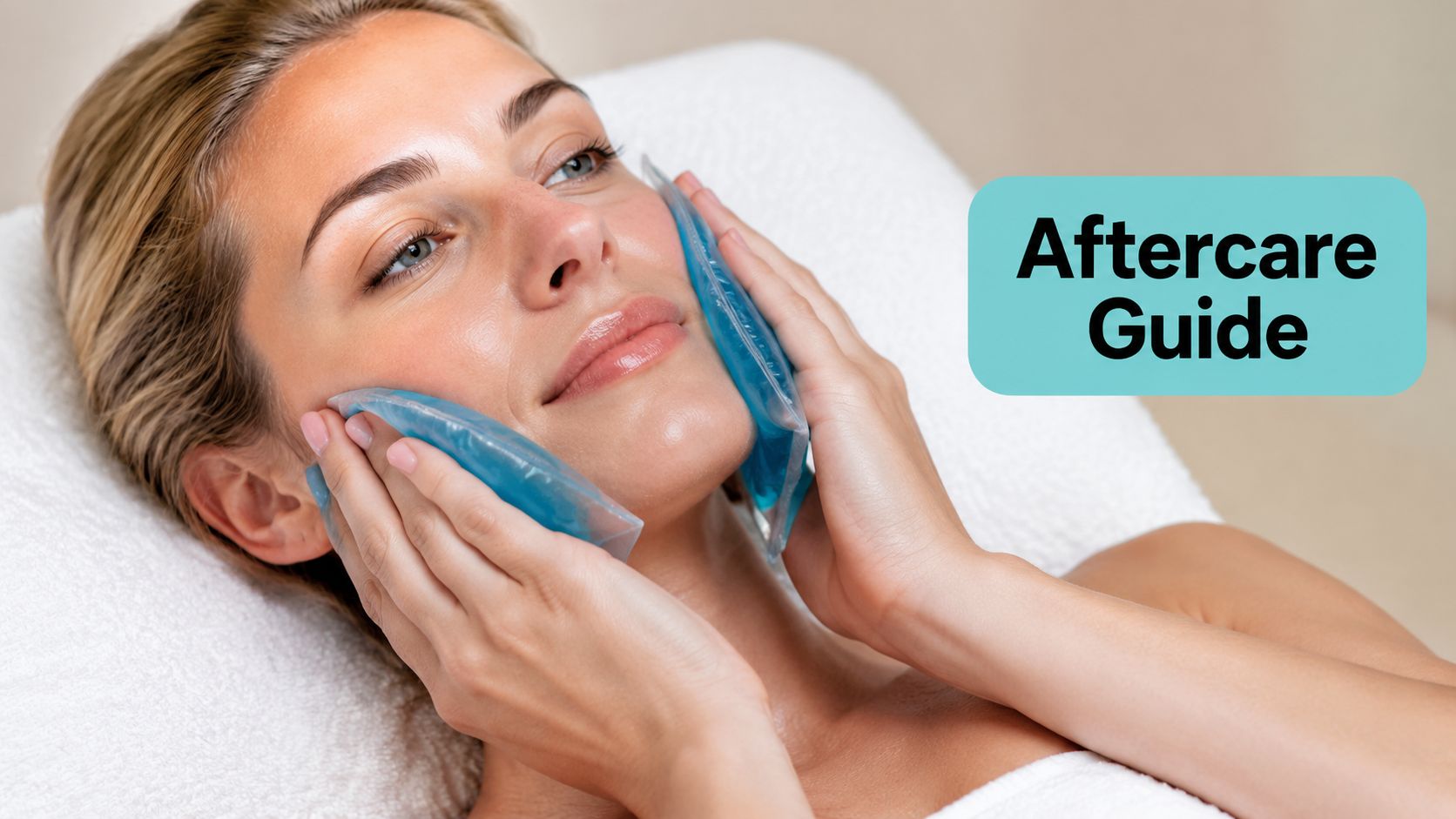
Master dermal fillers aftercare with do's and don'ts, swelling tips, activity limits and warning signs to protect your results and heal smoothly.

September 8, 2026
Ensuring Safety: Why Your Surgeon's Credentials Matter Most

Cape Cod Plastic Surgery offers expert cosmetic and reconstructive procedures in a safe, accredited setting. Led by Dr. Marc Fater, we combine advanced techniques with personalized care to help you look and feel your best.
Monday: 9:00 AM – 5:00 PM
Tuesday: 9:00 AM – 5:00 PM
Wednesday: 9:00 AM – 5:00 PM
Thursday: 9:00 AM – 5:00 PM
Friday: 9:00 AM – 5:00 PM