
September 9, 2026
How to Care for Surgical Incisions Properly
Expert Guide to Proper Surgical Incision Care
May 14, 2026

Laser scar revision has evolved dramatically since its beginnings in the 1980s. Early treatments used continuous-wave argon, carbon dioxide (CO2), and neodymium-doped yttrium aluminum garnet (Nd:YAG) lasers. While these devices could improve scar appearance, they often caused significant thermal damage, prolonged redness, and unpredictable results. The introduction of the pulsed dye laser (PDL) in the 1990s marked a major advance, offering a more targeted approach for raised, red scars by selectively destroying abnormal blood vessels. Shortly after, erbium-doped yttrium aluminum garnet (Er:YAG) lasers provided gentler ablation with faster healing. The true revolution came with fractional photothermolysis—first nonablative, then ablative—which divided laser energy into microscopic columns, leaving surrounding tissue intact. This innovation dramatically reduced downtime while maintaining or exceeding the efficacy of older fully ablative techniques. Today’s advanced fractional lasers, such as the Lumenis UltraPulse with SCAAR FX mode, penetrate up to 4 mm deep and can treat even the most complex burn and traumatic scars with minimal side effects.
At its core, laser scar revision uses focused photothermal energy to target specific structures within scar tissue. The energy is absorbed by chromophores such as hemoglobin (in red scars) or water (in tissue), converting light to heat. This controlled thermal injury breaks up disorganized collagen bundles and stimulates the body’s natural wound-healing response. Fibroblasts are activated to synthesize new, well-organized collagen and elastin, gradually remodeling the scar into a smoother, softer, and more flexible tissue. This mechanism explains why laser therapy can not only reduce the appearance of scars but also relieve symptoms like itching, pain, and tightness. By penetrating deep into the dermis without harming the surface (nonablative) or by precisely vaporizing the outer layer (ablative), lasers address multiple scar characteristics—texture, color, and height—in a single treatment. The result is a scar that blends more naturally with surrounding healthy skin, both cosmetically and functionally.
Successful scar revision relies on selecting the right laser technology for each scar type and skin tone. Modern lasers fall into several categories, each with distinct advantages.
Ablative Lasers Ablative lasers, such as CO2 and Er:YAG, vaporize the outermost layer of damaged skin while heating the underlying dermis. They are particularly effective for deep, atrophic, or textured scars, including those caused by acne, surgery, or trauma. Ablative resurfacing produces significant clinical improvement in a single session but requires a recovery period of 7 to 10 days for reepithelialization. Fractional ablative devices, however, have revolutionized this category by creating microscopic thermal zones that heal rapidly, reducing downtime while maintaining efficacy. Studies show fractionated Er:YAG is superior to fully ablative Er:YAG for surgical scars, with 94% of patients preferring the fractional side.
Nonablative Lasers Nonablative lasers, including the pulsed dye laser (PDL) and Nd:YAG, deliver heat to the dermis without removing the skin’s surface. They are ideal for erythematous (red) hypertrophic scars, keloids, and superficial pigmentary issues. PDL targets hemoglobin, reducing redness and improving pliability; studies report 57% to 83% improvement in hypertrophic scars after one to two treatments. Nd:YAG can reach deeper vessels and melanin, making it useful for darker scars. Nonablative lasers require multiple sessions but offer minimal to no downtime, with most significant results appearing three to six months after the final treatment.
Fractional Lasers Fractional laser technology marked a paradigm shift by delivering laser energy in an array of tiny, evenly spaced columns. This leaves islands of untreated skin that accelerate healing and reduce side effects. Both fractional ablative (e.g., fractional CO2, fractional Er:YAG) and fractional nonablative (e.g., 1550-nm erbium glass) lasers are available. Fractional nonablative lasers have been shown to significantly improve pigmentation and thickness across surgical, atrophic, and hypertrophic scars. In a head-to-head comparison, 83% of patients preferred the half of a surgical scar treated with a 1550-nm fractional laser over the half treated with PDL. Fractional CO2 lasers effectively treat atrophic traumatic scars in 70% of patients after six monthly sessions.
Pulsed Dye and Q-Switched Lasers The pulsed dye laser (PDL) remains the workhorse for raised, red scars due to its ability to selectively destroy abnormal capillaries without damaging surrounding tissue. It is also effective for reducing pruritus and pain in symptomatic hypertrophic scars. Q-switched lasers, on the other hand, are optimized for treating pigmentary abnormalities such as brown or dark discoloration in scars. They emit ultra-short pulses that shatter melanin particles, allowing the body to clear them. This is especially useful for pigmented scars resulting from inflammation or trauma, particularly in patients with medium to dark skin tones.
No single laser is ideal for every scar. A skilled practitioner evaluates the scar’s type, color, texture, location, and the patient’s Fitzpatrick skin type to tailor a treatment plan. Often, a combination of lasers yields the best outcomes. For example, a red, raised burn scar may be treated first with PDL to reduce vascularity, followed by fractional CO2 laser to flatten and soften the tissue. Additionally, recent evidence supports early laser intervention—beginning treatments as soon as sutures are removed or wounds are healed—to prevent hypertrophic scarring and improve remodeling. Modern laser systems like Aerolase’s Era and Neo, Lumenis’ UltraPulse, and Fotona’s dual-wavelength SP Dynamis allow clinicians to adjust energy, pulse duration, and depth with precision, ensuring personalized care that maximizes safety and efficacy while minimizing downtime. The result is a new era of scar revision that offers patients not only dramatic cosmetic improvements but also meaningful functional relief.
Laser scar revision uses targeted light energy to address the three main components of an unwanted scar: abnormal blood vessels (vascularity), pigment irregularities, and textural changes. The photothermal energy penetrates the dermis, stimulating the remodeling of collagen and elastin fibers, which improves the scar’s appearance, pliability, and symptoms like pain or itching.
Yes. Clinical studies consistently demonstrate significant improvements. For raised, red hypertrophic scars, pulsed dye laser (PDL) sessions achieve a 57%–83% improvement in color, height, and texture after one to two treatments. For depressed atrophic scars from trauma or acne, fractional CO₂ laser therapy yields up to a 70% improvement after six sessions. Patients also report reduced discomfort and better range of motion. While laser revision cannot erase a scar, it consistently replaces it with a less noticeable, more functional one.
The optimal laser depends on the scar type and skin tone:
A multi-laser approach, such as combining PDL with fractional resurfacing, often delivers the best overall outcome.
No single "best" scar revision method exists; the ideal approach is highly individualized. Treatment depends on the scar type (atrophic, hypertrophic, keloid, or contracture), its anatomical location, maturity, and the patient’s unique skin characteristics like Fitzpatrick type. A thorough evaluation by a qualified professional ensures the most effective and safe strategy.
For immature scars, non-surgical options are typically first-line. Topical agents, intralesional injections, and advanced laser therapy can effectively reduce redness, flatten raised tissue, and improve texture with minimal downtime. These treatments work best when initiated early in the healing process.
Surgical revision, such as Z-plasty or excision, is generally reserved for fully mature scars (often after 12–18 months) or when functional problems like restricted movement persist. This approach addresses deep textural or contour irregularities that non-surgical methods cannot fully correct.
Hypertrophic and keloid scars often require a combination strategy to prevent recurrence. A typical plan might involve surgical excision, corticosteroid injections, and laser therapy to target both the structure and vascularity of the scar. This multimodal approach optimizes outcomes and reduces the chance of regrowth.
Ultimately, effective scar management involves a multidisciplinary team, including a board-certified plastic surgeon or dermatologist. Their collaborative expertise guides a personalized plan that balances cosmetic goals with functional improvement and patient safety. A consultation is the first step toward determining the most suitable path for your specific scar.
Fractional laser treatment is not suitable for everyone. Absolute contraindications include current pregnancy or breastfeeding, immunosuppression, connective tissue disorders such as scleroderma, and active skin infections or inflammatory conditions at the treatment site. A history of oral retinoid use (e.g., isotretinoin) within the past year is a firm contraindication due to impaired wound healing and increased risk of scarring.
Relative contraindications require careful evaluation. Patients with a personal or family history of keloid formation risk developing a larger scar following laser treatment. Poor wound healing capacity also raises concerns. For individuals with Fitzpatrick skin types IV through VI, the risk of post-inflammatory hyperpigmentation (PIH) is significantly higher. Pretreatment with depigmenting agents such as hydroquinone is often recommended to minimize this risk.
Before treatment, patients must avoid tanning and sunburn. Certain medications and supplements, including aspirin, vitamin E, and retinoids, should be stopped 2–4 weeks prior. Realistic expectations and a strong commitment to sun protection and aftercare are mandatory for safe, optimal outcomes.
Initial tightening and smoothing are often noticeable within the first week. Full results appear later as collagen remodeling continues over 3 to 6 months. The scar will keep improving during this period as tissue remodels, so patience is essential.
| Restriction | Duration | Reason | |--- |--- |--- | | No aerobic exercise or raising heart rate | 3 weeks | Avoids wound stress and bleeding | | No heavy lifting over 10 lb (4.5 kg) | 6 weeks | Prevents tension on the healing scar | | No submersion (baths, pools, hot tubs) | Until incision fully healed (4–6 weeks) | Reduces infection risk | | Keep incision clean and dry | 48 hours | Allows initial seal | | No removal of tapes or dressings | Until provider says so | Protects fragile new skin | | Avoid aspirin, NSAIDs, and certain herbal supplements for at least 2 weeks before and after treatment. They increase bleeding and swelling. Sleep with the head elevated during the first week to minimize edema.|
Apply ice packs for 15–20 minutes every few hours for the first 2–3 days. Wear mineral sunscreen SPF 30 or higher daily once healed. Follow the provider’s wound care instructions exactly—do not apply unapproved ointments or makeup until the area is fully closed.
They serve different purposes. The CO₂ laser is the powerful primary tool for resurfacing and reducing deep scars. It works by vaporizing damaged tissue and stimulating profound collagen remodeling. PRP (platelet-rich plasma) is a regenerative adjunct that uses your own growth factors from your own blood to support healing. When combined with CO2 laser treatment, PRP, studies suggest it can modestly boost outcomes, but for most significant scar concerns, the CO₂ laser remains the mainstay.
Yes. A landmark 2025 study published in Lasers in Medical Science investigated hybrid laser therapy. This approach combined a fractional ablative CO₂ laser with a non-ablative Erbium glass 1570 nm laser on 51 patients. The results showed significant improvements in scar pigmentation, vascularity, and elasticity, with high patient satisfaction and only mild, well-tolerated side effects. Early intervention led to more pronounced results.
Another frontier are AI-guided fractional lasers represent another leap forward. These devices map the scar tissue and adjust energy delivery in real time, ensuring precision while sparing healthy skin. Additionally, biologic injectables are emerging that rebuild collagen from within, and combination therapies pairing an energy device paired with a biologic modulation address both the structural and inflammatory components of scarring, offering a comprehensive, personalized approach

The cost of laser scar revision varies significantly based on the scar's size. For smaller scars (1–5 inches), you can expect to pay between $400 and $500. Medium scars (5–10 inches) typically range from $500 to $1,000, while larger scars (10–20 inches) cost between $1,000 and $2,000. Very large areas requiring extensive treatment often exceed $2,000.
Surgical scar revision usually carries a higher price due to its greater complexity. It is important to note that insurance rarely covers laser scar revision, as it is generally considered a cosmetic procedure, even when functional symptoms like pain or restricted movement are present. A thorough consultation with a plastic surgeon will provide an accurate cost estimate based on your specific scar characteristics and personalized treatment plan.
The skill of the practitioner is paramount. At Cape Cod Plastic Surgery, board-certified plastic surgeon Dr. Marc Fater performs scar revision in an accredited facility, ensuring safety and optimal outcomes. The practice provides personalized care with state-of-the-art laser technologies customized to each scar’s characteristics and the patient’s skin type. A multidisciplinary approach—involving physicians, nurses, and rehabilitation specialists—addresses both cosmetic and functional aspects of scars. Patients receive thorough aftercare guidance and realistic expectations, understanding that laser therapy significantly improves scar appearance without eliminating it.
Advanced laser technologies offer safe, effective improvement for a wide range of scar types, from hypertrophic to atrophic. Achieving lasting results requires patience, multiple sessions, and careful adherence to post-care instructions. Our experienced team customizes treatment to your unique needs. Schedule a consultation at Cape Cod Plastic Surgery for a personalized scar assessment and plan.
September 9, 2026
Expert Guide to Proper Surgical Incision Care
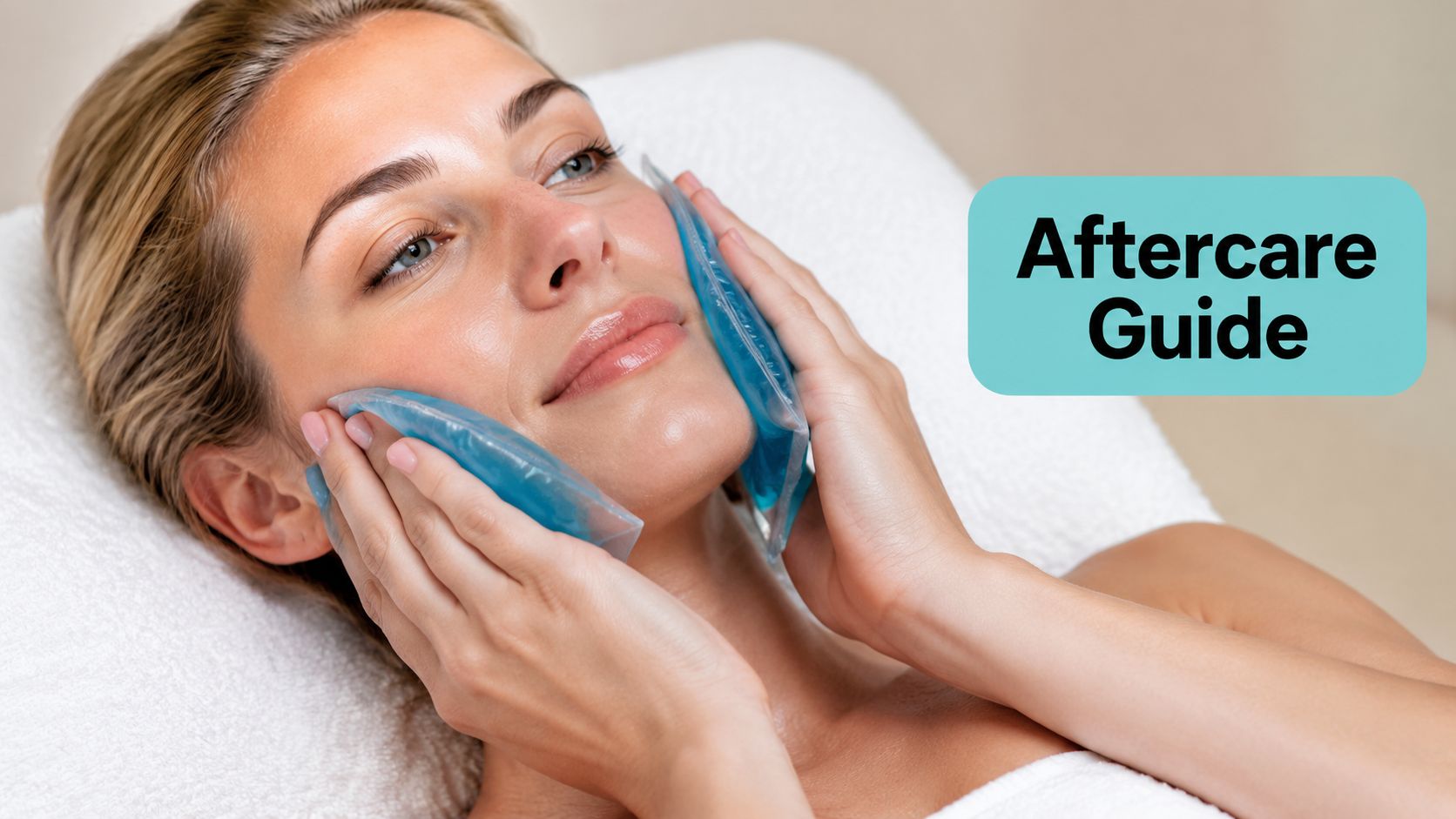
Master dermal fillers aftercare with do's and don'ts, swelling tips, activity limits and warning signs to protect your results and heal smoothly.

September 8, 2026
Ensuring Safety: Why Your Surgeon's Credentials Matter Most
Cape Cod Plastic Surgery offers expert cosmetic and reconstructive procedures in a safe, accredited setting. Led by Dr. Marc Fater, we combine advanced techniques with personalized care to help you look and feel your best.
Monday: 9:00 AM – 5:00 PM
Tuesday: 9:00 AM – 5:00 PM
Wednesday: 9:00 AM – 5:00 PM
Thursday: 9:00 AM – 5:00 PM
Friday: 9:00 AM – 5:00 PM