

October 7, 2026
What to Expect During Your Breast Surgery Recovery
A Practical Guide to Healing After Breast Surgery
Apr 19, 2026

You catch your reflection in a bathroom mirror or on a video call and notice the same thing again. Your upper lids look heavy. Shadow disappears into the fold. Eyeliner transfers. You may even feel as if your eyes look tired before the rest of your face does.
For some people, that change is mostly cosmetic. For others, the extra skin starts to feel functional too. The upper lid can rest closer to the lashes, create a weighed-down look, and in some cases interfere with the upper field of vision. If you’re trying to figure out how to lift hooded eyelids, the most useful place to start is not with a single treatment. It’s with a correct diagnosis and a realistic understanding of what each option can and cannot do.
Hooded eyelids usually mean there is excess upper eyelid skin, often called dermatochalasis, that folds over the natural crease. That can make the mobile lid look smaller or partly hidden. Some people are born with this anatomy. Others develop it gradually as skin loses elasticity and the tissues around the eye change with age.

If you’ve always had less visible lid space, genetics may be the main reason. Your brow position, orbital anatomy, skin thickness, and fat distribution all influence how open or hooded the upper eye looks.
Aging adds another layer. The upper eyelid skin is delicate, and over time it stretches. Fat can shift forward. The brow can descend. The combination creates the classic complaint patients describe as “my eyelids are sitting on my lashes.”
Some people also notice that one side starts to look heavier before the other. Mild asymmetry is common.
The significance of this is often underestimated. “Hooded eyelids” is often used as a catch-all term, but patients may have one of several issues:
Those differences change the treatment plan. A brow lift helps when the brow has dropped. Upper blepharoplasty helps when excess eyelid skin is the main issue. Ptosis repair addresses a weak lifting muscle in the eyelid.
Practical rule: If you constantly raise your forehead to see better, the brows may be part of the problem, not just the lids.
Lifestyle can influence how the area ages, but it usually isn’t the root cause by itself. Sun exposure, smoking, fluid retention, and general skin quality can make heaviness more noticeable, yet they don’t replace anatomy.
A helpful next step is understanding how brow position changes the eye area. This overview of brow lift surgery for lifting and brightening the eyes explains why the brow and upper lid have to be evaluated together.
A patient sits in my consultation chair after trying every workaround she could find. She has changed her eyeliner, bought lid tape, kept up with skin care, and still feels like her eyes look tired by noon. In some cases, the concern is cosmetic. In others, the upper lid is starting to interfere with vision. Those are different problems, and they deserve different solutions.
For that reason, I frame hooded eyelid treatment as a decision path rather than a single procedure menu. The options range from temporary styling tricks to office-based treatments to surgery that removes the physical cause of heaviness. The right choice depends on anatomy, downtime tolerance, budget over time, and whether the issue is appearance, function, or both.
The first tier is camouflage. Makeup, eyelid tape, lash styling, and skin-care products can make the eyes look more open for a few hours or for the day.
These methods do not remove excess skin or reposition tissue. They work by changing shape, contrast, and visual balance. A well-done lash curl or lift can help some patients show more of the upper lid, which is one reason resources like this ultimate guide to lash lifts are popular. The benefit is speed and zero recovery. The limitation is upkeep.
This tier makes sense for someone who wants a same-day change, is not ready for a procedure, or wants to test how a more open eye might look.
The second tier includes treatment in the office. That may involve a Botox brow lift, selective filler, prescription drops in certain cases, and skin tightening devices. For patients with mild hooding or early brow descent, these treatments can create a modest improvement without surgery.
Trade-offs matter here. Results are subtle. Maintenance is part of the plan. Energy-based treatments can help skin quality and tightening, and some patients ask about how Ultherapy works for non-surgical skin tightening when they want to avoid an operation. That can be reasonable in the right patient, but it does not produce the same change as removing redundant eyelid skin.
In practice, this category serves patients who want incremental improvement and accept that repeat visits are usually part of keeping the result.
The third tier is surgery. When upper lid skin rests on the lashes, makeup transfer is constant, or the lids feel heavy every day, upper blepharoplasty is usually the most direct answer. It removes excess skin and, when appropriate, addresses fullness from protruding fat. If brow descent or true ptosis is also present, the plan may need to include more than blepharoplasty alone.
This is also the tier where function becomes impossible to ignore. Some patients are mainly bothered by appearance. Others notice they are tilting the chin up, lifting the brows to see, or struggling with the upper field of vision while reading or driving. In a real practice setting, that distinction matters because treatment planning changes once vision is part of the complaint.
Eyelid surgery remains one of the most commonly performed cosmetic procedures in the U.S., according to eyelid surgery statistics summarized by Dr. Sherris. The reason is straightforward. For the right patient, surgery addresses the structure causing the problem instead of trying to work around it.
Repeated temporary treatments can cost more over time than a single procedure that actually matches the anatomy.
A simple framework helps:
At Cape Cod Plastic Surgery, this is the part of the consultation that matters most. The goal is not to push every patient toward surgery or to keep everyone in the non-surgical lane. The goal is to match the treatment to the underlying cause of the hooding, and to be honest about what each option can and cannot do.
A common consultation starts the same way. Someone has tried new eyeliner placement, lash curling, eye creams, maybe even tape for events, and still feels the upper lid looks heavy by midday. That does not mean those efforts were wasted. It means each option has a ceiling, and good decision-making starts with knowing what temporary methods can improve and what they cannot change.

For patients with mild hooding, at-home and non-surgical treatments can create a more open look. They can also help someone decide whether a subtle improvement is enough or whether the problem is structural enough to justify surgery later. In practice, that trial period is often useful.
Makeup is often the fastest way to create a visible difference without downtime. The technique that usually works best is a cut-crease approach that places the new visual crease slightly above the natural fold so more lid space shows when the eyes are open.
A practical sequence looks like this:
One mistake I see often is applying eye makeup while the brow is raised. That changes the lid position and throws off placement. Keep the forehead relaxed while you map the crease.
Lashes can help too. A curler, tubing mascara, or professional lift may expose more of the upper lid visually. For readers comparing lash-focused options with eye makeup, this ultimate guide to lash lifts is a practical companion resource.
Put depth where it will still be visible when the eye is open.
Eyelid tape and lift strips can create a cleaner fold for selected patients, especially for photography, weddings, or a single evening out. They tend to work best in mild to moderate hooding, on clean dry skin, and when the fold is not very thick or heavy.
The trade-offs are straightforward. Placement takes patience. Adhesive can loosen during the day. At close range, the fold may look artificial, particularly under strong lighting or on textured skin.
That does not make tape a bad option. It makes it a temporary styling tool rather than a treatment.
Massage can reduce puffiness and leave the eye area looking a bit less tired, especially in the morning. Some people also like the feeling of improved mobility around the brow and temple. The method shown in this hooded eyelid manipulation tutorial focuses on slow brow and scalp mobilization with daily repetition.
I would classify this as supportive care. Massage may help fluid movement and soften tension in the surrounding tissues. It does not remove excess skin, raise a low eyelid margin, or reposition a descended brow.
Patients often appreciate hearing that clearly.
In clinic, the non-surgical option I discuss most often is a Botox brow lift. A skilled injector relaxes selected muscles that pull the brow downward. If the brow is contributing to the heaviness, that can create a modest opening of the upper eye area.
Fillers have a narrower role. In the right patient, filler at the temple or brow support area can improve contour and reduce hollowness. In the wrong patient, filler adds weight and can make the upper lid look more crowded. Anatomy matters here, and that is why an in-person exam is more valuable than generalized online advice.
Energy-based treatments can tighten skin gradually. The improvement is usually subtle, and patient selection matters. These options make more sense for early laxity, patients avoiding surgery, or someone who wants a mild change and accepts that maintenance may be part of the plan. Patients comparing these treatments with surgery can review this explanation of how Ultherapy works for non-surgical skin tightening.
PDO threads can help selected patients with mild to moderate brow descent. They appeal to people who want a visible lift without an operation, but the effect is temporary and the candidacy is limited. Threads do not reproduce what surgery can do when excess eyelid skin is the main issue.
Prescription drops belong in a different category. They can help in some cases of mild ptosis, where the eyelid margin itself sits low. They do not treat excess upper lid skin. If skin is draping over the crease, drops will not solve that problem.
This distinction gets overlooked often, and it matters because the wrong treatment leaves patients frustrated and still searching for answers.
| Treatment | Results Longevity | Downtime | Best For |
|---|---|---|---|
| Makeup and cut-crease styling | Temporary | None | Daily camouflage and definition |
| Eyelid tape or lift strips | Temporary | None | Short-term events or photos |
| Massage and manual techniques | Temporary, supportive | None | Puffiness, tissue mobility, mild heaviness |
| Botox brow lift | Temporary | Minimal | Mild brow-related heaviness |
| Filler | Temporary | Minimal | Selected structural support cases |
| Ultrasound or radiofrequency tightening | Gradual, temporary | Minimal | Mild laxity and subtle tightening goals |
| PDO thread lift | Temporary | Short downtime | Mild to moderate brow descent |
| Prescription drops for mild ptosis | Short-term effect | None | True mild ptosis, not excess skin |
| Upper blepharoplasty | Long-lasting | Surgical recovery | Excess upper eyelid skin and stronger correction |
A few patterns come up repeatedly in practice:
Non-surgical treatment has a real place. For the right patient, it is enough. For others, it serves as a useful bridge that clarifies whether they want camouflage, a modest in-office lift, or a permanent structural correction.
A common consultation starts the same way. Someone says, “I can live with makeup tricks for photos, but by midday my lids feel heavy, and I’m raising my brows to see better.” That is the point where temporary camouflage and structural treatment become two different conversations.
When excess upper eyelid skin is the main problem, upper blepharoplasty is the operation designed to correct it. It removes redundant skin, refines the upper lid fold, and restores a cleaner lid contour in a way creams, tape, and in-office tightening treatments cannot match.

Patients often start by describing a cosmetic concern. They look tired. Their eyeliner disappears. The eyes seem smaller than they used to.
For others, the complaint is partly functional. They notice heaviness late in the day, difficulty with the upper field of vision, or a habit of lifting the brows to compensate. In practice, that distinction matters. A patient seeking a prettier eyelid and a patient trying to see more comfortably may need the same operation, but the evaluation is different.
Misdiagnosis is one of the main reasons eyelid surgery disappoints people. Hooding may come from excess skin, a low brow, true eyelid ptosis, or a combination of all three. Treating the wrong structure can leave a patient with persistent heaviness even after surgery.
Three conditions are commonly grouped together as “hooded eyes,” but they are not the same:
That difference shapes the plan. If the brow has dropped, removing skin alone may help but still leave the upper face looking crowded. If true ptosis is present, skin excision will not raise the eyelid margin.
This is why a careful eyelid exam matters more than a quick glance in the mirror.
In a standard upper blepharoplasty, the incision is placed in the natural upper eyelid crease so the scar usually heals in a well-hidden position. Through that opening, the surgeon removes or reshapes excess skin and, in selected cases, adjusts a small amount of muscle or protruding fat.
Restraint matters here. Over-resection can create a hollow, over-operated look that ages the eyes instead of refreshing them. The better result is one that reduces heaviness, preserves normal eyelid function, and still looks natural at rest.
Patients sometimes assume this is a simple skin-trimming procedure. Good planning is more precise than that. Skin amount, crease position, brow support, and volume preservation all affect the final result. For patients researching the procedure in more detail, the practice’s upper eyelid blepharoplasty treatment page gives a useful overview.
Upper blepharoplasty is usually a good option when the pattern is clear and consistent. Common signs include:
The best candidates are not chasing perfection. They want a lasting improvement that fits their face and addresses the reason the lids feel or look heavy every day.
A broader review of technique and recovery can help if you want to see the procedure discussed visually:
Some patients come in asking for eyelid surgery when the dominant issue is brow descent. That is easy to miss because the brow and upper lid work together. A low brow can create the same crowded appearance as excess eyelid skin.
In those cases, a brow lift may be the better primary procedure, or it may be combined with upper blepharoplasty. Patients who constantly use their forehead muscles to hold the brows up often notice this pattern once it is pointed out during exam.
Recovery is usually straightforward, but it still requires planning. Swelling and bruising are expected early. Most patients feel presentable long before the tissues are fully settled, which is why patience helps during the first several weeks.
The practical timeline matters more than the marketing version. You may be ready to read, walk, and do light daily activities quickly, but social recovery, scar maturation, and final contour refinement happen in stages. The eyelids heal well, though they do not heal instantly.
Upper blepharoplasty appeals to patients for one simple reason. It treats a structural problem structurally.
If the main issue is extra skin and tissue redundancy, surgery gives the most direct and durable correction. It does not stop aging, and it does not replace brow surgery or ptosis repair when those are needed. It can, however, restore a lighter, more open upper eyelid with a result that outlasts temporary workarounds by years.
A patient often comes in saying two things at once. “I want my eyes to look less tired,” and “I’m not sure I’m ready for surgery.” That is a good place to start, because the right consultation should sort out whether you need reassurance, a temporary workaround, a functional evaluation, or an operation.

At Cape Cod Plastic Surgery, that visit starts with diagnosis. Upper eyelid hooding can come from excess skin, brow descent, eyelid ptosis, or a combination of problems, and each one points to a different treatment plan. Some patients are best served by surgery. Some are better off with a brow-focused approach. Some do not need a procedure at all.
Dr. Marc Fater brings more than 30 years of experience to that evaluation, and the useful details usually come from simple patient observations. “My lids feel heavy.” “I lose my eyeliner.” “I notice it most when I’m driving or reading.” Comments like these help separate a cosmetic concern from a functional one.
Photos are part of planning for good reason. They document asymmetry, crease position, skin redundancy, and how the lids sit at rest instead of during a brief facial expression in the mirror.
Patients who want a closer look at the procedure can review the practice’s upper eyelid blepharoplasty treatment page, which explains how surgery is used for drooping or hooded lids.
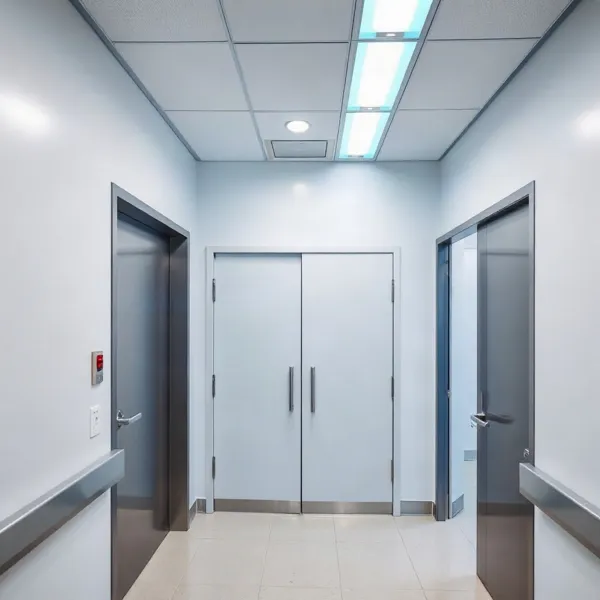
The setting matters. Upper blepharoplasty is performed in an on-site AAAASF-accredited surgical suite, where the team controls the environment, staffing, and recovery process from start to finish.
That structure helps patients relax. They know where they are going, who is caring for them, what happens before the procedure, and what instructions they will leave with afterward. For a surgery around the eyes, that predictability is reassuring.
Patients usually want the honest version of recovery, not the polished one. The eyelids are small, but they bruise and swell easily, so the first week is often the most dramatic visually.
Recovery is usually manageable with a clear plan:
I tell patients to judge progress by the week, not by the morning mirror. Day-to-day changes can be uneven. That is normal.
Many people see an early improvement quickly, then continue to refine over the following weeks and months. The trade-off is straightforward. Surgery offers a structural correction, but it also asks for recovery time and patience.
Patients often notice the eyes look more open before the incision lines and swelling have fully settled. Those are two different milestones.
The best blepharoplasty results do not come from removing the maximum amount of skin. They come from matching the operation to the actual problem and preserving a natural upper eyelid shape.
That matters even more in a practice where patients arrive with different goals. One person wants a cleaner makeup platform. Another wants relief from a heavy upper lid that may be affecting vision. Another wants the longest-lasting answer after years of relying on tape, tricks, or brow lifting in the mirror. Those patients should not all get the same recommendation.
A careful surgical plan respects those differences. It also respects restraint. The goal is to create a lighter, less crowded upper eyelid that still looks like you.
The right treatment becomes clearer when you stop asking, “What’s the strongest option?” and start asking, “What exactly am I trying to fix?”
Some patients want a better makeup canvas. Some want a subtle lift without downtime. Some are tired of the daily workarounds and want a structural solution. Those are different goals, and they deserve different answers.
Use these as a personal filter:
If your hooding is mild and your goal is visual improvement, start with technique. Makeup, lashes, and selected in-office treatments may be enough.
If the problem is moderate, changing over time, and tied partly to brow position, non-surgical care can be reasonable as long as you accept maintenance.
If excess skin is obvious, the lids feel heavy daily, or your vision is part of the complaint, surgical evaluation is usually the most efficient next step. Not because surgery is right for everyone, but because it answers the anatomy question directly.
A consultation is not a commitment to surgery. It’s a way to stop guessing. Its main value is learning whether your issue is eyelid skin, brow descent, ptosis, or a combination. Once that’s clear, the options make sense.
If you’ve been searching for how to lift hooded eyelids, the most useful answer is this: choose the treatment that matches the cause, not just the symptom.
If you want a personalized assessment of hooded eyelids, brow position, and whether non-surgical treatment or upper blepharoplasty makes more sense for you, schedule a consultation with Cape Cod Plastic Surgery. A careful exam can clarify what’s causing the heaviness and what kind of result is realistically achievable.
October 7, 2026
A Practical Guide to Healing After Breast Surgery

October 6, 2026
Your Safety Guide: What to Look for When Choosing a Plastic Surgeon
October 5, 2026
Why Our On-Site Accredited Facility Matters for Your Safety

Cape Cod Plastic Surgery offers expert cosmetic and reconstructive procedures in a safe, accredited setting. Led by Dr. Marc Fater, we combine advanced techniques with personalized care to help you look and feel your best.
Monday: 9:00 AM – 5:00 PM
Tuesday: 9:00 AM – 5:00 PM
Wednesday: 9:00 AM – 5:00 PM
Thursday: 9:00 AM – 5:00 PM
Friday: 9:00 AM – 5:00 PM