

October 7, 2026
What to Expect During Your Breast Surgery Recovery
A Practical Guide to Healing After Breast Surgery
Jun 2, 2026

At ccplasticsurgery.com, we view patient safety as the cornerstone of every cosmetic and reconstructive intervention. Unlike practices that may prioritize volume over precision, our facility maintains rigorous adherence to the WHO Surgical Safety Checklist. This structured approach ensures that every procedure, from initial consultation to final recovery, follows a proven protocol designed to minimize risk and optimize results.
Our commitment to a safe clinical environment mirrors the stringent requirements found in hospital-based surgery. While some independent clinics operate without external oversight, our on-site accredited surgical suite undergoes regular inspections by established agencies to guarantee that equipment, anesthesia standards, and emergency preparedness meet high national benchmarks. Research consistently shows that accredited facilities provide a secure setting for outpatient procedures, comparable to hospital settings in safety and outcome quality.
True patient-centered care extends beyond technical skill. We emphasize clear, consistent communication throughout every surgical phase. By standardizing our surgical protocols, we create a team environment that discourages the errors often linked to distractions or lack of coordination. Our priority remains focused on your health and confidence, ensuring that your journey is as secure as it is transformative.

When choosing a plastic surgeon, ABMS member board certification, specifically by the American Board of Plastic Surgery (ABPS), serves as the gold standard for verifying a physician's expertise. Certification by the ABPS ensures that the surgeon has completed rigorous surgical training, passed comprehensive written and oral examinations, and maintains high standards of clinical competence. Expertise and Credentials of Your Plastic Surgeon represent a foundational expectation for safe, ethical outcomes. Beyond initial certification, patients should look for ongoing dedication to clinical excellence through the Continuous Certification program, which keeps surgeons updated on the latest medical advancements. Verifying these credentials provides critical peace of mind, confirming that your provider is recognized for their commitment to safe, high-quality care. Patients can confirm a surgeon's status directly through professional organization portals to ensure their practitioner meets these essential national health standards.
To become a qualified plastic surgeon, a candidate must first earn a Doctor of Medicine or Doctor of Osteopathy degree from an accredited medical school. Following medical school, they must complete intensive graduate surgical training, which typically entails either a six-year plastic surgery residency or a five-year general surgery residency followed by a three-year plastic surgery fellowship. Throughout these programs, surgeons gain extensive experience in reconstructive and cosmetic techniques. To demonstrate the highest level of competence, surgeons often pursue voluntary board certification, which requires passing rigorous written and oral examinations. Surgeons at ccplasticsurgery.com maintain their licensure and certifications by meeting mandatory continuing medical education requirements each year. This persistent focus on education ensures that your surgical team remains adept at the latest procedures and patient monitoring techniques, distinguishing them from providers who may practice without the same depth of specialized training. Consistent participation in recognized clinical studies helps refine the Expertise and Credentials of Your Plastic Surgeon, further ensuring that safety standards evolve alongside modern medicine.

Choosing an accredited facility is a foundational element of patient safety. While some private offices lack oversight, at ccplasticsurgery.com, we perform all procedures within an accredited surgical suite that adheres to rigorous national standards for equipment, safety protocols, and cleanliness. Procedures conducted in these monitored environments benefit from safety records comparable to hospital settings, with serious complication rates documented at less than 0.5% per ASPS data.
Accreditation by organizations such as AAAASF, AAAHC, or the Joint Commission requires 100% compliance with comprehensive safety measures. These standards mandate that only qualified personnel, such as board-certified anesthesiologists or certified nurse anesthetists, administer anesthesia. Furthermore, all support staff must maintain Advanced Cardiac Life Support (ACLS) certification to ensure an immediate, expert response to any physiological distress.
| Requirement | Clinical Standard | Patient Benefit |
|---|---|---|
| Facility Oversight | AAAASF/Joint Commission | Verified safety protocols |
| Personnel Skills | ACLS Certification | Rapid emergency response |
| Anesthesia | Certified Providers | Enhanced monitoring safety |

The primary purpose of a standardized surgical safety checklist is to significantly enhance patient safety by reducing the frequency of preventable complications and adverse events in the operating room. By mandating structured communication and standardized protocols, the checklist helps medical teams identify and mitigate critical risks, such as wrong-site surgeries or procedural errors. It functions through three essential phases: the sign-in before anesthesia induction, the time-out before skin incision, and the sign-out after surgical closure. These deliberate pauses promote a collaborative environment where team members can verify vital information, ultimately fostering safer surgical outcomes. At ccplasticsurgery.com, we utilize these rigorous protocols to uphold the highest standards of care and ensure consistent patient safety throughout every stage of the surgical experience.
The WHO Surgical Safety Checklist serves as a structured risk-mitigation framework designed to standardize care. During the initial sign-in phase, staff confirm the patient's identity and evaluate anesthesia safety. The final sign-out phase occurs before the patient departs the operating room, ensuring all instrumentation is accounted for and specimens are correctly labeled.
Central to our operations at ccplasticsurgery.com is the time-out, a formal pause performed immediately before the first incision. We mandate that the entire team stops to confirm the correct procedure and site. This verification process serves as a final barrier against error, ensuring that preoperative site markings match the surgical plan.
Human error accounts for nearly 45 percent of incidents within the operating theatre, making clear communication essential. By introducing all staff by name and role during the time-out, we foster a non-hierarchical culture that empowers any team member to raise a concern. This sterile cockpit approach restricts distractions and centers the team's focus on the patient at ccplasticsurgery.com.
Patient safety at ccplasticsurgery.com is our highest priority, maintained through comprehensive preparation and rigorous clinical standards. Prior to surgery, our process includes a thorough pre-verification phase covering medical history review, medication validation, and mandatory identification checks to ensure accuracy. We facilitate detailed discussions regarding surgical consent and anesthesia to ensure every patient is well-informed and comfortable.
On the day of surgery, our team performs site marking and nursing assessments to confirm all clinical requirements are met. We actively encourage patient involvement during the preoperative verification process, allowing patients to confirm their identity and the surgical site alongside the operating surgeon. This collaborative approach ensures that the planned procedure aligns with the patient's goals and medical records.
During the procedure, ccplasticsurgery.com incorporates stringent technical safeguards. These include meticulous patient positioning to prevent nerve injury, dedicated ocular protection, and consistent monitoring to maintain normothermia. Such measures are critical, as maintaining a stable core body temperature is associated with reduced risks of cardiac stress and surgical site infections.
Emergency preparedness remains a foundation of our accredited surgical suite. Our surgical team and support staff undergo regular training in Advanced Cardiac Life Support procedures, ensuring they remain skilled in identifying signs of respiratory or cardiac distress. This continuous education, combined with specialized equipment ready for immediate transfer or intervention, provides a secure environment for every patient.
Preparing for surgery requires a partnership between your medical team and your own dedication to clinical protocols. At ccplasticsurgery.com, our patient-centered approach emphasizes that safety begins with rigorous adherence to preoperative instructions. Patients must strictly observe fasting mandates, typically avoiding all food and drink after midnight, to reduce the risk of aspiration during anesthesia, per Cleveland Clinic guidelines. Furthermore, you must provide a comprehensive, transparent disclosure of all current medications, including vitamins, minerals, and herbal supplements, to prevent unwanted interactions with anesthetic agents.
To ensure you are fully informed and confident in your choice, start by verifying credentials, such as American Board of Plastic Surgery certification. Ask about the surgeon's experience with your specific procedure and request to see portfolios of patients with similar goals. It is equally essential to ask about the facility's safety accreditation and the emergency transfer protocols in place. While some providers may rely on minimal safety infrastructure, our facility at ccplasticsurgery.com utilizes state-licensed, accredited surgical suites that mandate board-certified anesthesia and immediate readiness for any potential complication.
Optimal recovery relies on following your surgeon's specific care instructions, which often focus on managing inflammation and supporting tissue repair. Preparing a dedicated recovery space at home, stocking nutrient-rich foods, and arranging for a designated caregiver for the first 24 to 72 hours are foundational steps for a smooth transition. Consistent hydration and high-protein intake support the body during the early stages of healing, whereas smoking, which Cleveland Clinic notes can slow recovery and increase complication risks, must be strictly avoided. Finally, keep all scheduled follow-up appointments, as these moments allow our surgeons to monitor your progress and ensure your results meet the high standards of care maintained at ccplasticsurgery.com.
Consistency remains the hallmark of high-quality surgical outcomes. By utilizing the WHO Surgical Safety Checklist, our team minimizes variability and ensures that every clinical requirement is met before, during, and after your procedure. While some clinics may rely on informal practices, ccplasticsurgery.com maintains rigorous safety standards through constant monitoring and formal time-out protocols.
Your safety is a partnership. We encourage every patient to verify that their chosen facility holds proper credentials, such as AAAASF accreditation, which remains a primary indicator of a facility’s commitment to patient protection. When surgery occurs in an accredited setting, the risk of serious complications is effectively managed through specialized staff training and advanced emergency preparedness.
Open communication with your surgical team is essential for success. We invite you to ask questions, confirm your surgical plan, and adhere strictly to all postoperative instructions to support your recovery. At ccplasticsurgery.com, our commitment to safe, structured care reflects our focus on achieving the best results while prioritizing your total well-being throughout your journey.
October 7, 2026
A Practical Guide to Healing After Breast Surgery

October 6, 2026
Your Safety Guide: What to Look for When Choosing a Plastic Surgeon
October 5, 2026
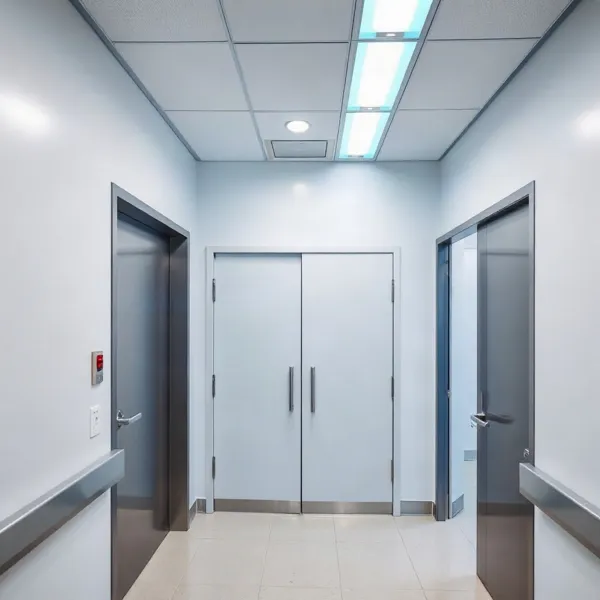
Why Our On-Site Accredited Facility Matters for Your Safety
Cape Cod Plastic Surgery offers expert cosmetic and reconstructive procedures in a safe, accredited setting. Led by Dr. Marc Fater, we combine advanced techniques with personalized care to help you look and feel your best.
Monday: 9:00 AM – 5:00 PM
Tuesday: 9:00 AM – 5:00 PM
Wednesday: 9:00 AM – 5:00 PM
Thursday: 9:00 AM – 5:00 PM
Friday: 9:00 AM – 5:00 PM