
September 9, 2026
How to Care for Surgical Incisions Properly
Expert Guide to Proper Surgical Incision Care
Jan 28, 2026
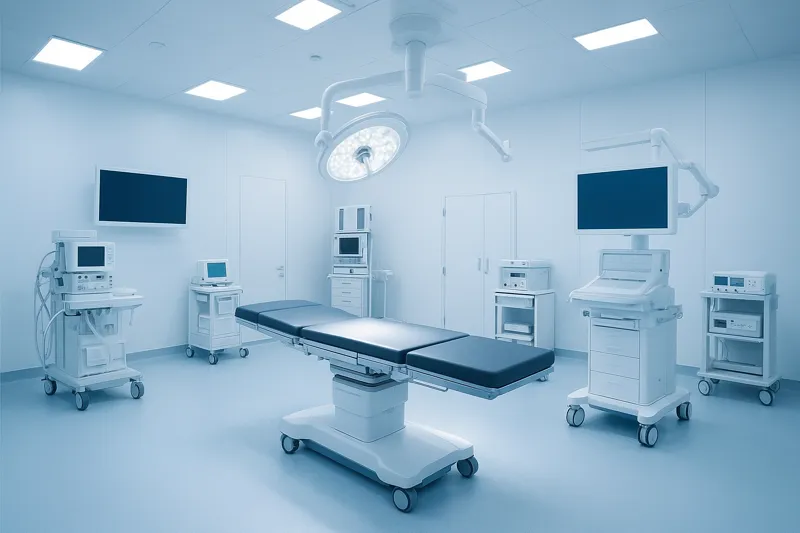
Accreditation ensures that surgical facilities meet rigorous safety and quality standards designed to protect patients during procedures. Accredited centers must adhere to strict national protocols for equipment, staff qualifications, and emergency preparedness, which significantly reduces the risk of complications.
These standards include well-maintained, sterile environments, advanced monitoring technology, and availability of certified personnel, such as surgeons with appropriate credentials and staff trained in Advanced Cardiac Life Support (ACLS). Facilities are also required to maintain emergency plans and necessary medications on-site to manage unexpected complications.
Choosing an accredited surgical suite guarantees care in settings with proven safety records, including extremely low rates of serious complications and mortality. Such facilities are regularly inspected by recognized accrediting bodies like AAAHC, The Joint Commission, and AAAASF. Operating in these environments enhances patient confidence and promotes optimal outcomes in cosmetic and reconstructive surgery.

In the United States, the primary body responsible for healthcare facility accreditation is The Joint Commission (TJC). Founded in 1951, TJC is an independent, nonprofit organization dedicated to improving healthcare quality and safety. It accredits diverse healthcare providers, such as hospitals, outpatient clinics, and surgical centers, by enforcing rigorous safety standards and conducting thorough evaluations. Achieving TJC accreditation is widely recognized as a benchmark for excellence and compliance, often necessary for facility licensure and insurance reimbursement.
The national landscape of healthcare accreditation in the U.S. includes five major organizations known as the "Big Five":
Each organization defines standards promoting patient safety, quality care, and operational excellence tailored to different healthcare environments.
Verification of a facility’s accreditation can be achieved by contacting these organizations directly or reviewing their official websites. Facilities often display accreditation certificates and provide verification upon patient inquiry, assuring patients that their care is delivered in a facility meeting nationally recognized safety and quality standards.
Accredited facilities demonstrate adherence to strict national standards for equipment, personnel credentials, operating room safety, and emergency preparedness. Research shows that surgeries conducted in accredited outpatient centers have exceptionally low rates of serious complications and mortality. Around-the-clock care, advanced life support certification among staff, and mandatory emergency plans contribute to superior patient outcomes. Accreditation fosters continuous quality improvement, staff competency, and infection control—ultimately enhancing patient confidence and clinical results across surgical and outpatient healthcare settings.
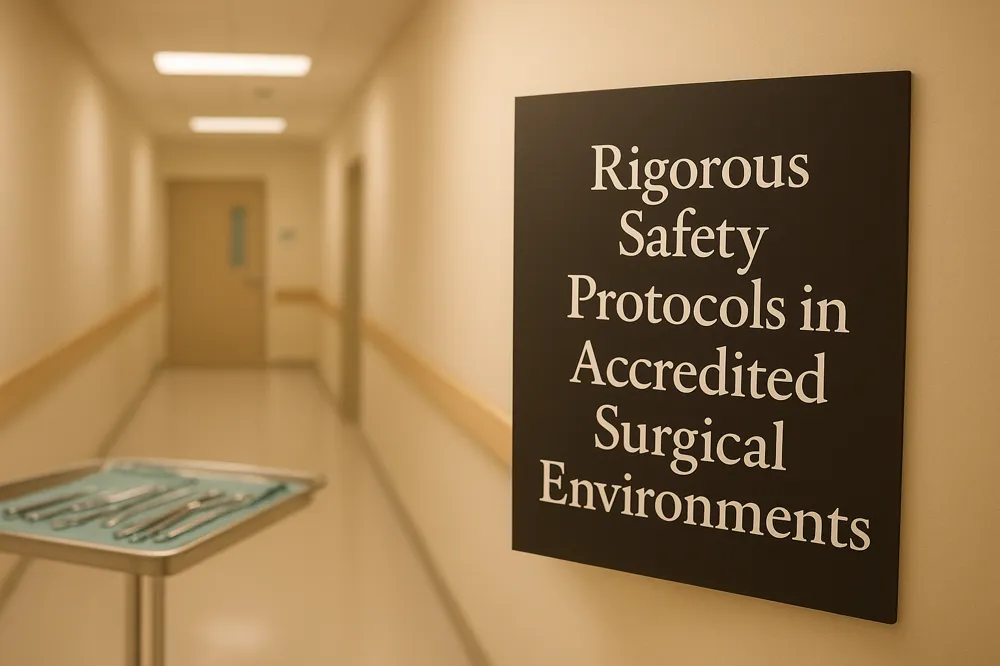
Safety in the surgical suite involves several critical measures. Doors and windows are securely locked to protect the external environment and maintain a sterile field. Radiation safety protocols require the use of lead aprons to shield staff from ionizing radiation, with special precautions advising pregnant women to avoid exposure to prevent congenital anomalies. Access to the operating room is restricted to essential personnel only, reducing contamination risk and ensuring better control of the sterile environment. For more details on Operating room safety and Safety in the Operating Room, refer to the experts.
Accredited surgical suites must meet rigorous national standards covering equipment, facility design, and operational safety. These standards ensure that operating rooms are equipped with state-of-the-art sterilization systems, ultraclean air delivery mechanisms such as laminar airflow, and smoke evacuation systems to maintain a contamination-free environment. Fixtures and surfaces are designed to be durable, nonporous, and easy to clean, preventing microbial growth. Regular maintenance and sterilization of surgical instruments and equipment are mandatory. Learn more about Surgical Facility Accreditation.
Only surgeons certified by recognized medical boards, such as the American Board of Plastic Surgery or the American Board of Cosmetic Surgery, are authorized to operate in accredited facilities. Anesthesia must be administered by certified anesthesiologists and nurse anesthetists who continuously monitor patients’ vital signs throughout procedures. Skilled surgical teams work under strict competency regulations, with annual assessments and Advanced Cardiac Life Support (ACLS) certification requirements ensuring preparedness for emergencies.
Facilities must have immediate availability of emergency medications and equipment. Trained licensed staff provide around-the-clock care, with a minimum of two licensed personnel on duty during surgery and recovery. Detailed emergency protocols, including patient transfer plans to hospitals if needed, are required. Advanced patient monitoring systems are employed during surgeries to detect and address any complications swiftly, promoting patient safety.
Strict infection control policies are enforced, including thorough cleaning, disinfection, and sterilization of all instruments and the surgical environment. Ultraviolet light systems and other advanced technologies reduce the incidence of multi-drug resistant organisms and surgical site infections. Facilities comply with OSHA compliance and maintain stringent sanitation standards comparable to hospital operating rooms. Staff training emphasizes sterile techniques and proper use of antibiotics to minimize infection risks.
| Aspect | Description | Purpose |
|---|---|---|
| Equipment & Facility Standards | Laminar airflow, sterilization, smoke evacuation, nonporous surfaces | Ensure contamination-free environment |
| Personnel Qualifications | Board-certified surgeons, certified anesthesiologists, ACLS staff | Maintain expert surgical and anesthesia care |
| Emergency Preparedness | On-site emergency equipment, 24/7 licensed staff, transfer protocols | Rapid response to complications |
| Infection Control | Sterile techniques, UV light, regular disinfection | Minimize infections and improve patient outcomes |
| Operating Room Access | Restricted personnel, radiation protection with lead aprons | Protect personnel and preserve sterility |
These comprehensive safety protocols in accredited surgical suites demonstrate a strong commitment to patient safety in plastic surgery and optimal surgical outcomes.
Patient safety in the operating room is critical for successful surgical outcomes and minimizing risks. It includes strict sterilization procedures, thorough hand hygiene, and continuous monitoring of vital signs to detect any physiological changes early. Proper anesthesia management and airway protection maintain patient stability throughout the operation. Clear communication among the surgical team and adherence to Accredited Facilities Standards help prevent errors and enhance patient care quality.
A comprehensive preoperative assessment is essential for patient safety. This involves reviewing the patient's full medical history, physical examination, and evaluating any comorbid conditions that might increase surgical risks. Psychological aspects and patient expectations are also considered to ensure suitability for surgery. Proper patient selection helps reduce complications and improve overall Patient safety in plastic surgery.
Marking the surgical site must be clear and unambiguous, using identifiable marks such as the surgeon's initials, the word "YES," or a line indicating the planned incision. The mark must remain visible after the patient is prepped and draped. Ambiguous markings like "X" are avoided to prevent errors.
The surgical safety checklist is a structured tool that fosters communication and teamwork in the operating room. It includes five key steps:
These steps help prevent wrong-site surgery, retained instruments, and other errors. Their widespread use has reduced surgical deaths by 47% and complications by 36%.
Anesthesia must be provided and monitored by Certified Advanced Cardiac Life Support staff. Continuous tracking of vital signs and patient responsiveness ensures safety. Providers follow strict guidelines and are trained to manage any anesthesia-related complications immediately as part of rigorous Accredited Facilities Standards.
Each patient receives a personalized treatment plan that accounts for medical history, surgical goals, and risk factors. This approach minimizes the likelihood of adverse events and facilitates optimal recovery.
After surgery, patients undergo close monitoring to detect any early or late complications. Follow-up care includes wound evaluation, pain management, and instructions for recovery. Effective postoperative follow-up guarantees long-term safety and successful surgical results.

Ambulatory Surgery Centers (ASCs) have proven to be highly safe for outpatient procedures, boasting complication rates of less than 0.5% and mortality rates lower than 1 in 57,000. This safety record results from their strict adherence to nationally recognized Accredited ambulatory facilities, ensuring each facility maintains optimal equipment, operating environment, and staff qualifications.
Accredited outpatient centers require continuous staffing by at least two licensed professionals. Among these, at least one must be certified in Advanced Cardiac Life Support Certification, guaranteeing readiness to respond effectively to emergencies. Surgeons must hold board certifications from recognized medical boards, and anesthesia is administered by licensed anesthesiologists or nurse anesthetists, ensuring patient safety during sedation or general anesthesia.
Facilities must maintain Emergency Equipment and Medication Requirements, to promptly manage complications. Institutional emergency plans include procedures for rapid transfer to hospitals if advanced care is needed. Additionally, strict protocols govern emergency drills, staff training, and routine equipment checks to be fully prepared in all situations. These requirements are enforced as part of Accredited Facilities Standards.
Research shows that accredited ASCs provide patient care safety comparable to or exceeding that of hospitals. Their focused outpatient environment, stringent cleanliness, and infection control practices contribute to lower infection rates. Medicare-approved surgical facilities meet or surpass hospital-level safety guidelines, especially regarding patient monitoring and quality outcomes.
Data from over 20 million procedures in accredited facilities demonstrate complication and mortality rates equal to or better than hospital outpatient departments. Peer-reviewed studies confirm that accreditation from bodies such as AAAHC, The Joint Commission, and Quad A Accreditation for Ambulatory Surgery Centers correlates with superior patient outcomes. Continuous quality improvement programs and rigorous biannual peer reviews also reinforce the strong safety culture within these centers.
| Aspect | Details | Impact on Safety |
|---|---|---|
| Complication Rates | <0.5% serious complications | Minimizes patient risks |
| Staff Qualifications | Licensed personnel, Certified Advanced Cardiac Life Support staff | Ensures immediate emergency response |
| Emergency Preparedness | On-site emergency equipment, medications | Enables effective complication management |
| Accreditation Standards | Accreditation Organizations and Approvals | Guarantees adherence to strict protocols |
| Comparative Safety | As safe or safer than hospital outpatient units | Reduces infection and adverse events |
| Quality Data | Analysis of 20M+ procedures, peer reviews | Continual performance improvement |

Modern surgical suites incorporate advanced technologies to minimize contamination and protect both patients and staff. Laminar airflow systems provide unidirectional ultraclean air that significantly reduces the risk of surgical site infections by preventing airborne contaminants. The use of ultraviolet light systems further diminishes multidrug-resistant organisms, supporting a sterile environment.
Smoke evacuation systems, such as those developed by STERIS, effectively remove surgical smoke, which contains potentially harmful toxins, protecting respiratory health during procedures.
To enhance safety, surgical teams use advanced surgical item detection technologies like the ORLocate™ Surgical Counting and Detection System. These systems help ensure no instruments or sponges are unintentionally left inside the patient, thereby reducing postoperative complications and enhancing patient outcomes.
Consistent staff training, including simulated emergency drills, reinforces competency and readiness to respond to unexpected surgical complications. Accrediting bodies mandate regular competency assessments and training in essential life support protocols such as Advanced Cardiac Life Support (ACLS). This continuous education ensures that surgical personnel maintain the highest safety standards.
Protecting patient data has become a frontline safety concern. Surgical suites employ robust cybersecurity measures in surgical suites to safeguard electronic health records and operational data against breaches. Ensuring the confidentiality and integrity of patient information complements physical safety practices by maintaining overall trust and compliance with healthcare regulations.
Accrediting organizations require facilities to engage in data-driven Quality Assessment and Performance Improvement (QAPI) programs and biannual peer reviews. These programs monitor complication rates, procedural outcomes, and adherence to safety protocols, fostering a culture of continuous quality enhancement and patient safety.
September 9, 2026
Expert Guide to Proper Surgical Incision Care

Master dermal fillers aftercare with do's and don'ts, swelling tips, activity limits and warning signs to protect your results and heal smoothly.

September 8, 2026
Ensuring Safety: Why Your Surgeon's Credentials Matter Most
Cape Cod Plastic Surgery offers expert cosmetic and reconstructive procedures in a safe, accredited setting. Led by Dr. Marc Fater, we combine advanced techniques with personalized care to help you look and feel your best.
Monday: 9:00 AM – 5:00 PM
Tuesday: 9:00 AM – 5:00 PM
Wednesday: 9:00 AM – 5:00 PM
Thursday: 9:00 AM – 5:00 PM
Friday: 9:00 AM – 5:00 PM